Biodegradable Polymers in Healthcare: Applications in Medical Devices and Drug Delivery
Healthcare Chemicals Market: Demand for Disinfectants and Antiseptic Ingredients
Healthcare chemicals play an essential role in maintaining hygiene, preventing infections, and ensuring patient safety across hospitals, clinics, diagnostic laboratories, and pharmaceutical facilities. As healthcare systems expand and infection prevention becomes a greater priority, demand for disinfectants and antiseptic ingredients continues to strengthen. Healthcare-associated infections (HAIs), antimicrobial resistance, and stricter infection control practices are encouraging healthcare providers to invest in reliable cleaning and sanitation solutions.
According to the World Health Organization (WHO), healthcare-associated infections remain a significant challenge for healthcare systems worldwide. Its 2024 Global Report on Infection Prevention and Control highlights the importance of effective infection prevention programmes and access to basic water, sanitation, and hygiene services. These measures are increasing the importance of high-quality disinfectants and antiseptic formulations in modern healthcare facilities.
Rising Demand for Healthcare Disinfectants
Disinfectants are widely used to control microbial contamination on hospital surfaces, medical equipment, floors, and other non-living environments. Hospitals require regular disinfection of patient rooms, operating theatres, intensive care units, and diagnostic laboratories to reduce the risk of infection transmission.
Common disinfectant ingredients include alcohol-based compounds, sodium hypochlorite, hydrogen peroxide, peracetic acid, and quaternary ammonium compounds (QACs). Each ingredient offers different antimicrobial properties and applications, making product selection dependent on the surface, equipment, and level of disinfection required.
The growing number of healthcare facilities, increasing patient admissions, and continued investment in infection prevention are supporting demand for these chemicals. Global demand for healthcare disinfectants and cleaning chemicals is projected to increase by approximately 4.3% annually, reaching $4.6 billion in 2026, according to Freedonia Group estimates. This growth reflects continued infection control requirements and the expansion of healthcare infrastructure.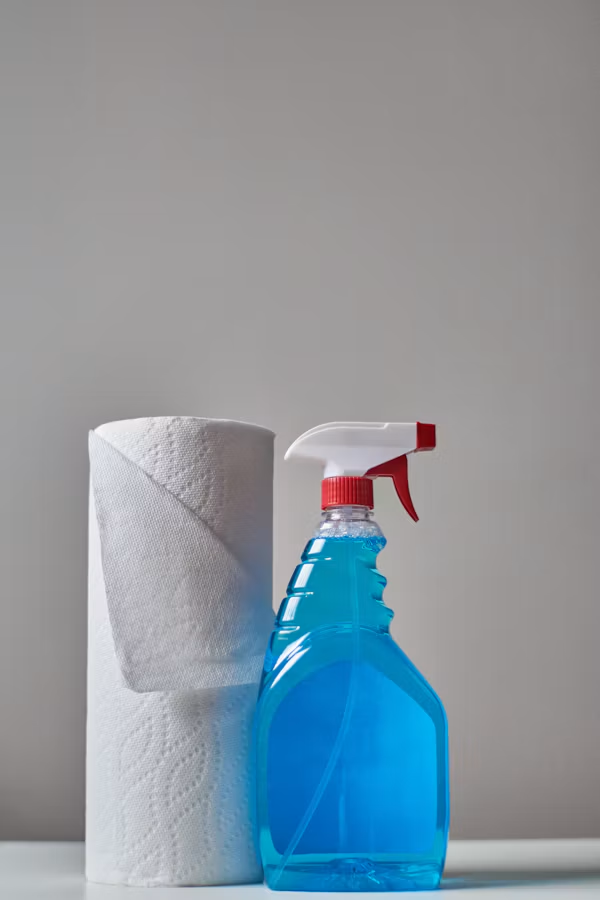
Antiseptic Ingredients Supporting Infection Prevention
Unlike disinfectants, which are primarily applied to non-living surfaces and objects, antiseptics are formulated for use on living tissues, including skin. They are important in surgical preparation, wound care, hand hygiene, and other clinical procedures.
Several chemical ingredients are widely used in antiseptic formulations:
Chlorhexidine Gluconate (CHG): Commonly used in surgical skin preparation, healthcare handwashing products, and antiseptic solutions because of its broad antimicrobial activity.
Povidone-Iodine: Used for preoperative skin preparation, wound cleansing, and other applications requiring broad-spectrum antiseptic activity.
Ethanol and Isopropyl Alcohol: Important ingredients in alcohol-based hand rubs and skin antiseptics. Their antimicrobial effectiveness makes them valuable in healthcare hygiene products.
Hydrogen Peroxide: Used in selected antiseptic and disinfection applications, depending on concentration and formulation.
Chloroxylenol (PCMX): An antimicrobial ingredient used in certain antiseptic soaps, skin cleansers, and healthcare hygiene products.
Demand for these ingredients is supported by surgical procedures, hospital hygiene protocols, and the need for effective infection prevention products. Healthcare manufacturers are also focusing on formulations that balance antimicrobial performance, skin compatibility, stability, and product safety.
Key Factors Driving Market Growth
Several factors are influencing the healthcare chemicals market and creating new procurement opportunities for chemical suppliers and manufacturers.
Increasing Healthcare Infrastructure: Developing economies are investing in hospitals, diagnostic centres, medical laboratories, and healthcare facilities. This expansion increases consumption of cleaning chemicals, disinfectants, and antiseptic ingredients.
Infection Prevention and Control Standards: Healthcare organizations are strengthening hygiene protocols to reduce healthcare-associated infections. Regulatory requirements and hospital accreditation standards are encouraging consistent procurement of approved disinfectant and antiseptic products.
Growing Surgical and Medical Procedures: An increase in surgical interventions and outpatient treatments is supporting demand for surgical skin preparation products, antiseptic solutions, and medical equipment disinfectants.
Antimicrobial Resistance Concerns: The spread of drug-resistant microorganisms is encouraging healthcare providers to improve infection prevention practices. Appropriate cleaning, disinfection, and hand hygiene remain important components of these strategies.
Post-Pandemic Hygiene Practices: Healthcare facilities continue to prioritize routine sanitation and infection control. Although purchasing patterns have normalized from pandemic peaks, hygiene management remains a permanent requirement across medical environments.
Emerging Trends in Disinfectant and Antiseptic Formulations
The healthcare chemicals industry is gradually moving towards more efficient, safer, and environmentally conscious formulations. Manufacturers are exploring hydrogen peroxide-based disinfectants, peracetic acid solutions, and improved alcohol-based formulations to meet different healthcare requirements.
Another important development is the demand for products with shorter disinfection contact times. Healthcare facilities need efficient cleaning solutions that support faster room turnover without compromising the required antimicrobial performance.
Skin compatibility is also receiving greater attention in antiseptic manufacturing. Healthcare professionals frequently use hand hygiene products throughout their working shifts, making formulation quality, moisturizing properties, and reduced skin irritation important purchasing considerations.
Sustainability is becoming another consideration in product development. Manufacturers are evaluating biodegradable ingredients, concentrated formulations, recyclable packaging, and improved chemical handling practices to reduce environmental impact.
Procurement Opportunities for Chemical Suppliers
Growing healthcare demand is creating opportunities for manufacturers, distributors, and raw material suppliers involved in disinfectant and antiseptic production. Procurement teams require consistent supplies of pharmaceutical-grade alcohols, chlorhexidine gluconate, povidone-iodine, hydrogen peroxide, and other specialized chemical ingredients.
However, sourcing healthcare chemicals requires more than competitive pricing. Buyers must evaluate product specifications, active ingredient concentrations, safety data sheets (SDS), regulatory approvals, batch consistency, and supplier reliability.
Manufacturers must also ensure that their products meet the regulatory requirements of their target markets. Depending on the intended application and country, disinfectants and antiseptics may fall under different regulatory frameworks. Accurate documentation, appropriate testing, and clear product labelling are therefore essential for international trade.
Digital chemical marketplaces and B2B sourcing platforms can help buyers compare suppliers, review product specifications, and identify alternative sourcing opportunities. Improved supplier visibility and access to market information can support more informed purchasing decisions, particularly when supply chains face price fluctuations or raw material shortages.
Market Outlook
The outlook for healthcare disinfectants and antiseptic ingredients remains supported by long-term healthcare infrastructure development, infection prevention requirements, and growing awareness of hospital hygiene. Demand is expected to remain important across hospitals, pharmaceutical manufacturing, medical laboratories, and healthcare product manufacturing.
For chemical suppliers, opportunities exist in both established ingredients and innovative formulations that offer improved performance, safety, and sustainability. Companies that maintain consistent quality, reliable supply chains, and strong regulatory documentation will be better positioned to serve healthcare manufacturers and institutional buyers.
As healthcare systems continue to prioritize patient safety and infection control, disinfectants and antiseptic ingredients will remain essential components of the global healthcare chemicals supply chain.
Aluminium Stearate
Found this useful?