
Biofertilizers vs Chemical Fertilizers: Benefits and Market Outlook
Agriculture is entering a period where productivity, soil health and responsible resource management carry equal importance. Farmers and agricultural businesses increasingly evaluate how fertilizer choices affect crop yields, production costs and long-term soil conditions. This has brought biofertilizers vs. chemical fertilizers into sharper focus across the agricultural supply chain.
Both fertilizer categories support plant nutrition, but they work through different mechanisms. Chemical fertilizers supply nutrients such as nitrogen, phosphorus and potassium directly, while biofertilizers use beneficial microorganisms to improve nutrient availability and uptake. For agricultural buyers, understanding these differences helps identify suitable products, manage input costs and make informed procurement decisions.
Understanding Biofertilizers and Chemical Fertilizers
Fertilizers provide essential nutrients that plants need for growth, root development, flowering and crop production. However, their composition and mechanisms of action vary significantly.
What Are Biofertilizers?
Biofertilizers are agricultural products containing beneficial living microorganisms, including bacteria, fungi and certain algae. These microorganisms interact with plant roots and surrounding soil to improve nutrient availability.
Unlike conventional fertilizers, microbial biofertilizers generally do not supply large quantities of nutrients directly. Instead, they support natural processes that help plants access nutrients already present in the soil or atmosphere.
Common types include:
Nitrogen-fixing biofertilizers: Microorganisms such as Rhizobium, Azotobacter and Azospirillum help convert atmospheric nitrogen into forms that plants can use.
Phosphate-solubilizing biofertilizers: Certain bacteria and fungi release phosphorus from less available soil compounds.
Mycorrhizal biofertilizers: Beneficial fungi associate with plant roots and help improve access to phosphorus and other nutrients.
Potassium-mobilizing biofertilizers: Selected microorganisms help release potassium from mineral sources in the soil.
What Are Chemical Fertilizers?
Chemical fertilizers, also known as mineral or synthetic fertilizers, contain concentrated plant nutrients in forms that crops can absorb.
Manufacturers produce these fertilizers through industrial chemical processes, mineral processing or other nutrient recovery methods. Their formulations allow farmers to apply specific nutrient quantities according to crop requirements.
Common examples include:
Urea: A concentrated nitrogen fertilizer widely used for crop growth and vegetative development.
Diammonium phosphate (DAP): Supplies nitrogen and phosphorus, supporting root development and early plant growth.
Monoammonium phosphate (MAP): Provides nitrogen and phosphorus in a formulation suitable for different soil and crop conditions.
Ammonium sulphate: Supplies nitrogen and sulphur for crops with specific nutrient requirements.
Potassium sulphate: Provides potassium and sulphur, supporting plant development and crop quality.
These products offer predictable nutrient concentrations, making them important inputs for commercial agriculture.
Biofertilizers vs Chemical Fertilizers: Key Differences
The main difference between these fertilizer categories lies in how they support plant nutrition. Biofertilizers strengthen biological nutrient processes, whereas chemical fertilizers deliver measurable quantities of essential nutrients.
Nutrient Availability and Application
Chemical fertilizers provide nutrients in relatively accessible forms. Farmers can select formulations based on soil test results and crop growth stages, making them useful when crops require specific nutrient quantities within a particular period.
Biofertilizers depend on microbial activity and environmental conditions. Soil moisture, temperature, pH, microbial survival and compatibility with existing soil organisms can influence their effectiveness.
Soil Health and Environmental Impact
Biofertilizers can support soil biological activity and improve nutrient cycling. Certain microbial products also help plants access nutrients more efficiently, potentially reducing dependence on some synthetic fertilizer applications.
Chemical fertilizers remain essential for replenishing nutrients removed through harvesting. However, excessive or poorly timed applications can contribute to nutrient runoff, water pollution and soil-related problems.
The Food and Agriculture Organization (FAO) promotes integrated nutrient management, which combines mineral fertilizers, organic materials and biological resources according to crop and soil requirements.
Cost and Commercial Availability
Chemical fertilizers benefit from established manufacturing, distribution and international trading networks. Buyers can compare nutrient grades, product specifications, origin and shipment quantities when sourcing products such as urea, DAP and ammonium sulphate.
Biofertilizers require different procurement considerations. Their microbial composition, viable cell concentration, formulation, shelf life and storage requirements influence product quality and commercial value.
Although biofertilizers may reduce the need for certain nutrient inputs, their economic benefits depend on crop type, soil conditions and field performance.
Global Market Trends Driving Fertilizer Demand
The fertilizer market continues to respond to changing agricultural requirements, production costs and sustainability priorities. Both conventional fertilizers and biological agricultural inputs have important roles in this changing environment.
Growing Interest in Biological Agricultural Inputs
Agricultural producers increasingly evaluate microbial products as part of soil management and nutrient efficiency strategies. Improvements in microbial research and product formulation have encouraged interest in nitrogen-fixing bacteria, phosphate-solubilizing microorganisms and multi-strain biofertilizer products.
Research and development also increasingly explore engineered biofertilizers. A March 2026 report from the US Government Accountability Office discusses how engineered microbial products could improve nutrient supply and potentially reduce agricultural input costs.
Continued Demand for Conventional Fertilizers
Chemical fertilizers remain important because modern agricultural production requires dependable nutrient replenishment. Nitrogen, phosphorus and potassium support different stages of crop development and remain central to commercial crop nutrition.
Products such as urea, DAP, MAP and potassium sulphate therefore retain procurement importance across agricultural markets. Their demand depends on planting seasons, crop economics, production costs and regional fertilizer availability.
Increasing Focus on Nutrient Efficiency
Farmers and agricultural businesses are paying greater attention to how effectively crops use applied nutrients. Instead of focusing only on fertilizer quantities, procurement decisions increasingly consider nutrient concentration, application timing, soil conditions and potential nutrient losses.
FAO's December 2025 update to its cropland nutrient balance database, covering 1961–2023, highlights the importance of monitoring nutrient surpluses and deficits across agricultural systems.

Agricultural Applications of Both Fertilizer Types
Different crops require different nutrient management strategies. The choice between biofertilizers and chemical fertilizers depends on soil characteristics, crop varieties, production targets and local growing conditions.
Cereals and Grain Production
Wheat, rice and maize require sufficient nitrogen for vegetative growth and grain development. Chemical fertilizers such as urea provide a direct nitrogen source that farmers can incorporate into planned nutrient applications.
Biofertilizers containing nitrogen-fixing or nutrient-mobilizing microorganisms can complement conventional fertilizer programmes. Their effectiveness depends on the microbial strain, crop environment and soil conditions.
Pulses and Legume Cultivation
Leguminous crops such as chickpeas, lentils, peas and soybeans have an important relationship with nitrogen-fixing bacteria.
Rhizobium forms associations with legume roots and helps convert atmospheric nitrogen into plant-available forms. Seed inoculation with compatible microbial products can support this biological process.
Chemical fertilizers may still be necessary when soil tests identify deficiencies in phosphorus, potassium or other essential nutrients.
Fruits, Vegetables and Horticulture
Fruit and vegetable production requires balanced nutrient management throughout different growth stages. Chemical fertilizers provide targeted nutrients, while selected biofertilizers can support root development and nutrient availability.
Farmers may consider microbial inoculants for crops such as tomatoes, potatoes, citrus fruits and other horticultural produce. Product selection should account for crop compatibility and local growing conditions.
Commercial and Plantation Agriculture
Large-scale farming operations often require consistent fertilizer supply and predictable nutrient specifications. Chemical fertilizers support planned application programmes across extensive cultivated areas.
Biological inputs offer an additional approach to managing soil fertility and nutrient cycling. Their integration can be particularly relevant to agricultural operations seeking to improve soil management over successive growing seasons.
Benefits and Limitations Buyers Should Evaluate
Neither fertilizer category provides a universal solution for every agricultural requirement. Procurement teams should assess their respective advantages and limitations before selecting products.
Benefits of biofertilizers include:
Support for natural nitrogen fixation and nutrient mobilization.
Improved access to certain nutrients already present in the soil.
Potential improvements in soil biological activity.
Opportunities to complement conventional fertilizer applications.
Reduced reliance on selected synthetic nutrient inputs when field conditions support their effectiveness.
Limitations of biofertilizers include:
Performance depends on microbial survival and soil conditions.
Products may have specific temperature and storage requirements.
Results can vary between crops, locations and growing seasons.
Incorrect microbial strain selection can reduce effectiveness.
They cannot automatically replace the nutrients supplied by conventional fertilizers.
Benefits of chemical fertilizers include:
Defined nutrient concentrations and standardized grades.
Rapid availability of essential plant nutrients.
Established global production and distribution networks.
Wide selection of formulations for different crops.
Easier integration into conventional nutrient application programmes.
Limitations of chemical fertilizers include:
Prices can fluctuate with feedstock, energy and transportation costs.
Excessive applications can damage soil and water quality.
Nutrient losses can reduce application efficiency.
Continuous nutrient management requires appropriate soil testing and application planning.
Supply Chain and Procurement Considerations
Fertilizer sourcing involves more than comparing prices. Product specifications, supplier reliability, transportation conditions and seasonal availability all influence purchasing decisions.
Sourcing Biofertilizers
Biofertilizer buyers should examine several technical and commercial factors before placing orders:
Microbial composition: Confirm the microorganism species and strains match the intended crop and application.
Viable cell count: Review the declared viable microorganism concentration and relevant quality testing.
Shelf life: Check manufacturing dates, expiry dates and recommended storage conditions.
Packaging: Ensure packaging protects microbial viability during transportation and storage.
Regulatory compliance: Verify applicable agricultural input registration, labelling and quality requirements in the destination market.
Unlike conventional fertilizers, microbial products may lose effectiveness if suppliers or logistics providers fail to maintain appropriate storage conditions.
Sourcing Chemical Fertilizers
Chemical fertilizer procurement requires attention to nutrient specifications, product consistency and delivery schedules.
Buyers should evaluate:
Nutrient concentration and guaranteed analysis.
Physical form, including granular, crystalline or powder formulations.
Product purity and moisture content.
Country of origin and manufacturer documentation.
Packaging specifications and bulk shipment availability.
Supplier reliability and delivery commitments.
Products such as Urea, Diammonium Phosphate, Monoammonium Phosphate and Ammonium Sulphate are important examples of conventional fertilizer inputs traded through international agricultural supply chains.
What Agricultural Buyers Should Expect from the Market
The future fertilizer market will likely involve greater integration between conventional nutrient products and biological agricultural technologies. Chemical fertilizers will continue supporting large-scale crop nutrition, while biofertilizers will offer additional opportunities to improve nutrient availability and soil management.
Technological developments may also improve microbial formulations, product stability and compatibility with different agricultural systems. However, commercial adoption will depend on consistent field performance, product quality, regulatory clarity and competitive pricing.
For procurement professionals, the most practical approach is to evaluate both categories according to their intended agricultural applications. Soil testing, crop requirements and reliable supplier documentation should guide purchasing decisions rather than assumptions that one fertilizer category can replace the other.
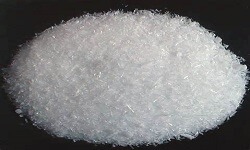
Urea (Granular) - Egypt
Found this useful?