Bulk Chemical Transportation: Comparing Road, Rail, Sea and Pipeline Logistics
Bulk chemical transportation connects manufacturing facilities, storage terminals, ports and industrial buyers through specialized logistics networks. The choice of transportation method can influence delivery costs, shipment capacity, product safety and the reliability of international chemical supply chains.
Bulk chemical transportation involves moving large quantities of liquid chemicals, chemical gases and solid industrial materials between production facilities and end users. Businesses generally rely on four major transportation methods: road, rail, sea and pipelines. Each method offers different advantages depending on shipment volume, transportation distance, product characteristics and available infrastructure.
For chemical traders, importers, exporters and procurement managers, selecting the appropriate logistics method is an important commercial decision. Understanding the differences between these transportation options helps businesses manage freight expenses, reduce handling risks and improve delivery planning.
Understanding the Four Main Bulk Chemical Transportation Methods
Chemical manufacturers and distributors select transportation methods according to the nature of their products and the requirements of their supply chains. Some chemicals require specialized tankers or sealed containers, while others can move in bulk cargo vessels, rail wagons or dedicated pipelines.
The four main transportation methods serve different logistics requirements.
Road transportation: Uses specialized tanker trucks, tank containers and other approved vehicles to move chemicals between manufacturers, warehouses, distribution centers and industrial customers.
Rail transportation: Uses dedicated tank wagons and freight trains to move substantial quantities of chemicals across established railway networks.
Sea transportation: Uses chemical tankers, bulk carriers and container vessels to move chemicals across international shipping routes.
Pipeline transportation: Uses fixed infrastructure to transport compatible liquids or gases continuously between connected production facilities, terminals and storage locations.
The right option depends on several factors, including shipment size, delivery distance, product compatibility, infrastructure availability and regulatory requirements.
Road Transportation: Flexible Chemical Delivery and Distribution
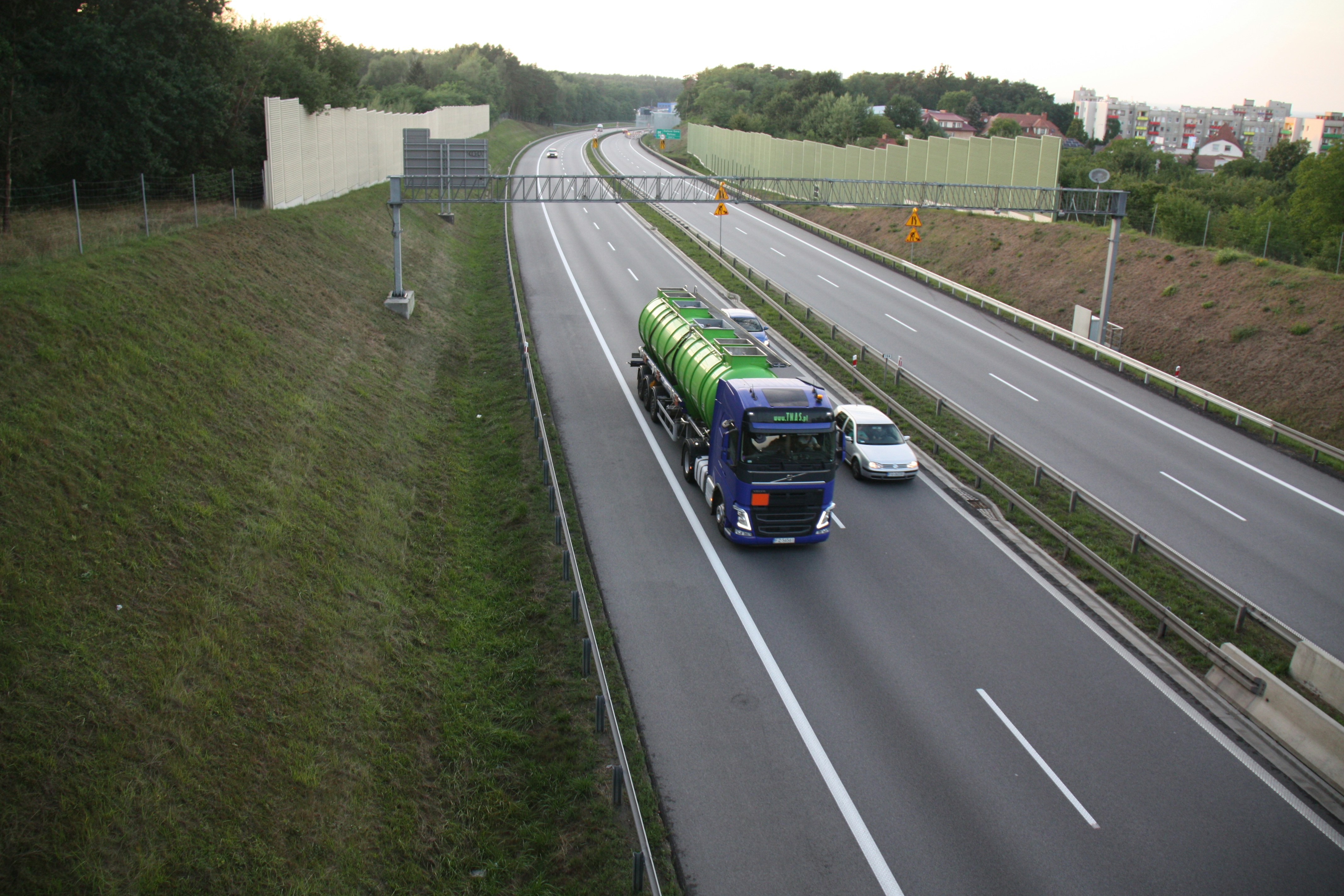
Road transportation provides flexibility for chemical businesses that require direct deliveries between manufacturing facilities, warehouses and customer locations. Specialized tanker trucks and tank containers allow logistics companies to transport different chemical products while meeting relevant handling and safety requirements.
This method is particularly useful for domestic distribution and shorter transportation distances. Road networks also provide access to industrial locations that may not have direct railway or pipeline connections.
Key advantages of road transportation
Flexible delivery locations: Trucks can reach factories, warehouses and industrial facilities without requiring railway terminals or seaports.
Convenient shipment scheduling: Businesses can arrange deliveries according to customer requirements and production schedules.
Suitable for different shipment sizes: Road transportation can support smaller commercial deliveries as well as larger tanker shipments.
Effective first-mile and last-mile logistics: Trucks connect production facilities with railway stations, ports and final delivery locations.
However, road transportation also presents certain limitations. Fuel prices, driver availability, traffic congestion and road conditions can affect delivery expenses and transit times.
Chemical tankers also require appropriate equipment, inspection and cleaning procedures. Businesses must ensure that the tanker materials and previous cargo history are compatible with the chemical being transported.
Road transportation works particularly well when buyers need flexible deliveries or when the distance between the supplier and customer makes other transportation methods less practical.
Rail Transportation: Efficient Movement of Large Chemical Volumes
Rail transportation offers an effective solution for moving large quantities of chemicals over long distances through established railway networks. Chemical manufacturers, petrochemical facilities and industrial distributors can use specialized rail tank wagons to transport compatible liquid and gaseous products.
Rail freight is particularly useful when businesses regularly move substantial quantities between industrial regions connected by railway infrastructure.
Key advantages of rail transportation
Large shipment capacity: Freight trains can transport multiple chemical tank wagons in a single movement.
Suitable for long distances: Rail networks can connect manufacturing centers with inland distribution hubs and industrial customers.
Reduced dependence on road networks: Rail transportation can help businesses avoid certain highway congestion problems.
Regular freight operations: Established railway services can support planned shipments and recurring industrial supply requirements.
Despite these benefits, rail transportation depends on suitable railway connections and specialized loading and unloading facilities. Businesses may also need road transportation at both ends of the journey to connect factories and customers with railway terminals.
Rail shipments require careful coordination because loading, unloading and wagon availability can influence overall delivery schedules. Chemical compatibility, tank inspection and documentation also remain essential.
Rail transportation is generally most practical when companies have access to suitable infrastructure and regularly move large quantities over established routes.
Sea Transportation: Connecting International Chemical Markets
Sea transportation plays a major role in international chemical trade because it allows businesses to move substantial cargo volumes between exporting and importing countries. Chemical manufacturers and trading companies use specialized vessels, including chemical tankers and other approved cargo ships, depending on the product and shipment requirements.
Liquid chemicals can move in dedicated tanker compartments, while certain solid chemicals travel in bulk vessels or approved packaged cargo arrangements.
Key advantages of sea transportation
High cargo capacity: Specialized vessels can carry substantial quantities of chemicals across international markets.
International market access: Shipping connects major chemical-producing countries with industrial buyers worldwide.
Suitable for bulk imports and exports: Large shipments can help businesses organize regular international purchasing operations.
Support for long-distance trade: Maritime networks connect production centers with major ports and distribution terminals.
Sea transportation also involves challenges that procurement and logistics teams must consider. Port congestion, vessel availability, changing freight rates and international shipping disruptions can affect shipment costs and delivery schedules.
Chemical tankers require specialized designs, cargo segregation and appropriate equipment. The International Maritime Organization (IMO) regulates the carriage of dangerous chemicals in bulk through the International Bulk Chemical Code, alongside relevant SOLAS and MARPOL requirements.
International Maritime Organization+1
For solid bulk cargoes, applicable requirements may also involve the International Maritime Solid Bulk Cargoes Code (IMSBC Code).
International Maritime Organization
Sea transportation is particularly suitable for international buyers and exporters that require large shipment quantities and can plan around maritime transit times.
Pipeline Transportation: Continuous Movement of Compatible Chemicals
Pipeline transportation provides a specialized method for moving compatible liquids and gases between connected industrial facilities, processing plants and storage terminals. Unlike road, rail and sea transportation, pipelines use fixed infrastructure to support continuous or scheduled product movement.
Chemical and petrochemical businesses can use pipelines for products such as selected petroleum derivatives, industrial gases and other compatible chemical materials.
Key advantages of pipeline transportation
Continuous product movement: Pipelines can support regular transportation without requiring separate vehicle or vessel movements for every shipment.
High-volume operations: Dedicated systems can move substantial quantities over established industrial routes.
Reduced repeated handling: Products can move directly between connected facilities, reducing certain loading and unloading activities.
Operational consistency: Properly maintained pipeline systems can support predictable transportation schedules.
However, pipeline transportation requires substantial investment in infrastructure, installation and maintenance. Businesses also need suitable land access, technical planning and regulatory approvals before developing pipeline connections.
Another limitation involves flexibility. Unlike trucks or ships, pipelines cannot easily change their delivery destinations or transportation routes after construction.
Leak detection, pressure monitoring, corrosion prevention and emergency shutdown systems are important elements of pipeline safety management. The OECD also identifies pipeline design, operation, maintenance and monitoring as important considerations in preventing chemical transportation incidents.
OECD
Pipeline transportation is most practical for businesses with consistent product demand and access to established infrastructure.
Comparing Road, Rail, Sea and Pipeline Logistics
Each transportation method serves a different purpose in the chemical supply chain. Procurement managers should compare them according to operational requirements rather than assuming one method is always the most economical.
Road transportation offers the greatest delivery flexibility for reaching individual industrial customers and warehouses. However, costs can increase with longer distances, fuel price changes and traffic-related delays.
Rail transportation provides substantial shipment capacity for businesses moving chemicals across established inland routes. Its effectiveness depends on railway access, terminal availability and coordination with other transportation services.
Sea transportation is particularly valuable for international chemical trading because it supports large cargo movements between countries. However, longer transit times and port-related delays require careful shipment planning.
Pipeline transportation offers continuous movement for compatible products along fixed routes. Its infrastructure costs and limited delivery flexibility make it more suitable for established industrial supply networks.
Businesses should also consider whether a shipment requires multiple transportation methods. For example, an international chemical shipment may travel by sea before continuing by rail or road to its final destination.
Chemical Transportation Costs and Factors Affecting Logistics Decisions
Transportation costs represent an important part of the total landed cost of chemical products. A competitive product quotation does not necessarily guarantee an economical shipment if freight, handling and storage expenses remain high.
Procurement managers should examine several cost-related factors before selecting a transportation method:
Shipment volume: Larger quantities may make rail or sea transportation more commercially attractive, depending on infrastructure and freight arrangements.
Transportation distance: Longer journeys can change the relative cost advantages of different logistics methods.
Product characteristics: Viscosity, corrosiveness, flammability and other chemical properties can influence equipment requirements and handling expenses.
Packaging and containment: Specialized tankers, containers and compatible loading equipment can increase transportation costs.
Loading and unloading charges: Terminal handling, pumping operations and storage requirements can add to total logistics expenses.
Insurance and compliance: Cargo insurance, inspections, documentation and regulatory requirements contribute to transportation costs.
Delivery urgency: Businesses may pay more for transportation options that provide faster or more flexible delivery.
Procurement teams should calculate the complete logistics cost instead of comparing freight charges independently. This helps identify the most suitable transportation method for the product, route and purchasing requirement.
Safety and Regulatory Requirements in Bulk Chemical Transportation
Chemical transportation involves safety responsibilities that apply throughout loading, transit, unloading and temporary storage. Businesses must consider product hazards, suitable containment equipment and applicable transportation regulations before dispatching a shipment.
Different transportation methods operate under different regulatory frameworks.
Road: The Agreement concerning the International Carriage of Dangerous Goods by Road (ADR) establishes requirements for applicable international road shipments, including vehicle standards, training and safety obligations.
Rail: The Regulations concerning the International Carriage of Dangerous Goods by Rail (RID) address applicable dangerous goods transportation requirements for railway operations.
Sea: The International Maritime Dangerous Goods (IMDG) Code and International Bulk Chemical Code provide relevant requirements for different categories of chemical cargo.
International Maritime Organization+1
Pipelines: Operators need appropriate engineering standards, inspection programs, monitoring systems and emergency response procedures.
OECD
Before arranging chemical transportation, businesses should verify product classification, packaging compatibility, labeling, safety data sheets and required shipping documentation.
They should also assess loading and unloading facilities because transfer operations can create significant risks when equipment or procedures do not match the chemical being handled.
How Businesses Can Select the Right Chemical Transportation Method
Selecting a suitable transportation method requires coordination between procurement managers, suppliers, logistics providers and receiving facilities. Businesses should evaluate the complete transportation route before confirming commercial agreements.
The following steps can support better logistics decisions:
Identify product requirements: Review chemical properties, hazard classification, physical condition and containment requirements.
Determine shipment volume: Estimate the quantity required and whether the shipment justifies bulk transportation.
Evaluate available infrastructure: Check road access, railway connections, port facilities and pipeline availability.
Compare total transportation costs: Include freight, handling, insurance, storage and delivery expenses.
Review delivery timelines: Select a method that supports purchasing schedules and production requirements.
Verify safety and compliance: Confirm that carriers and facilities meet applicable requirements for the chemical.
Develop alternative arrangements: Identify backup routes and transportation providers to reduce exposure to unexpected disruptions.
Businesses should also maintain communication with logistics partners throughout the shipment process. Regular updates about cargo movement, expected arrival dates and potential delays help procurement teams manage inventory more effectively.
Choosing the Right Logistics Strategy for Long-Term Supply Efficiency
Bulk chemical transportation requires a balance between cost, capacity, safety and delivery reliability. Road, rail, sea and pipeline logistics each provide different advantages, and their suitability depends on the chemical product, shipment volume and transportation route.
Road transportation supports flexible distribution, rail provides an effective option for substantial inland shipments, sea connects international chemical markets and pipelines support continuous movement through established infrastructure.
For chemical traders, importers, exporters and industrial buyers, the strongest logistics strategy often involves combining multiple transportation methods where practical. Careful route planning, reliable logistics partnerships and appropriate safety procedures can help businesses reduce transportation risks and maintain consistent product availability.
Sulphuric Acid (60%)
Found this useful?