

Calcium Carbonate: Applications and Supplier Selection Criteria for Manufacturers
Calcium Carbonate: Industrial Applications and Supplier Selection Criteria for Manufacturers
Calcium carbonate remains one of the most widely used industrial minerals because manufacturers can incorporate it into different formulations to improve product properties and manage material costs. From plastic pipes and decorative paints to paper products and construction materials, its versatility supports several major manufacturing industries.
However, purchasing calcium carbonate involves more than comparing prices per tonne. Manufacturers must consider particle size, chemical purity, brightness, moisture content and processing compatibility before selecting a supplier. Choosing an unsuitable grade can affect production efficiency, finished-product appearance and overall formulation performance.
For procurement managers and chemical traders, understanding these differences provides a practical foundation for evaluating suppliers and developing dependable sourcing arrangements.
Understanding Calcium Carbonate and Its Commercial Grades
Calcium carbonate (CaCO₃) is an inorganic mineral compound that occurs naturally in limestone, marble and chalk. Manufacturers process these mineral deposits into different powder grades according to the physical and chemical requirements of industrial applications.
The commercial market mainly offers two categories: Ground Calcium Carbonate (GCC) and Precipitated Calcium Carbonate (PCC).
Ground Calcium Carbonate (GCC) comes from mechanically crushing, grinding and classifying natural limestone or marble. Its characteristics depend on the original mineral deposit and the processing equipment used to achieve the required particle size.
GCC generally offers an economical solution for manufacturers that need substantial quantities of mineral filler. Suppliers provide different grades based on fineness, whiteness and purity.
Precipitated Calcium Carbonate (PCC) follows a controlled chemical manufacturing process. Producers typically convert limestone into quicklime, hydrate it and introduce carbon dioxide to produce calcium carbonate particles.
This process allows manufacturers to control particle shape, size and distribution more precisely than conventional grinding. PCC therefore serves applications that require specific functional properties and higher consistency.
Another important distinction involves surface treatment. Coated calcium carbonate, commonly treated with stearic acid, improves compatibility and dispersion in certain plastic and rubber formulations. Uncoated grades generally suit applications where surface treatment does not provide a necessary processing advantage.
Selecting between GCC, PCC, coated and uncoated material should always begin with the intended manufacturing application.
Major Industrial Applications of Calcium Carbonate
The versatility of calcium carbonate makes it valuable across several manufacturing sectors. Its role varies depending on the formulation, required physical properties and production process.
1. Plastics and polymer manufacturing
Plastic manufacturers use calcium carbonate as a functional filler in PVC, polyethylene and polypropylene products. It can influence stiffness, dimensional stability, surface characteristics and production economics.
Common applications include:
PVC pipes and fittings, where suitable grades support formulation requirements and dimensional properties.
Plastic films and packaging, where particle size and dispersion influence surface quality.
Filler masterbatch production, where manufacturers incorporate concentrated calcium carbonate into polymer systems.
Plastic profiles and construction components, where mineral fillers help achieve specific mechanical and processing characteristics.
Coated calcium carbonate often suits polymer applications because surface treatment can improve compatibility with the plastic matrix.
2. Paints and coatings
Paint manufacturers incorporate calcium carbonate as an extender pigment and functional filler. It helps control formulation costs while influencing opacity, surface finish, viscosity and coating characteristics.
Different particle sizes support different formulation requirements. Fine grades can contribute to smoother finishes, while coarser grades may suit primers, putties and other construction coatings.
3. Paper and packaging
The paper industry uses calcium carbonate in both filling and coating applications. Manufacturers select appropriate grades to influence brightness, opacity, smoothness and printing performance.
PCC and finely ground GCC serve different paper production requirements. Particle shape, brightness and particle-size distribution influence the performance of the finished paper.
4. Rubber manufacturing
Rubber producers use calcium carbonate as a filler in products such as footwear components, hoses, mats and various molded goods.
Its suitability depends on the required formulation, particle characteristics and dispersion performance. Manufacturers must balance material economics with the physical properties expected from the finished rubber product.
5. Construction materials
Calcium carbonate also supports the production of construction materials, including wall putty, sealants, adhesives, dry-mix products and selected cement-based formulations.
It can influence workability, consistency, surface finish and material density. Manufacturers therefore select grades according to the requirements of their particular construction product.

Technical Specifications Manufacturers Should Evaluate
A supplier's product description rarely provides enough information for a purchasing decision. Manufacturers should examine the technical specifications that directly influence their production requirements.
The following parameters deserve particular attention.
Calcium carbonate purity
Purity indicates the proportion of calcium carbonate in the material. Higher purity can be important in applications that require controlled mineral composition and limited unwanted impurities.
Buyers should request the actual CaCO₃ content and review limits for magnesium compounds, iron oxide and other relevant impurities.
Particle size and distribution
Particle size affects dispersion, surface finish, processing behaviour and finished-product characteristics.
Suppliers commonly describe fineness through mesh sizes or micron measurements. Manufacturers should request the median particle size (D50) and the top-cut specification, such as D97 or D98, where these parameters matter.
A grade with the correct average size may still contain oversized particles that cause defects in sensitive applications.
Whiteness and brightness
Colour consistency matters particularly in paper, paint, plastics and other products where the finished appearance influences customer acceptance.
Manufacturers should establish acceptable whiteness or brightness limits and confirm which testing method the supplier uses.
Moisture content
Excess moisture can contribute to storage difficulties, material caking and inconsistent processing. It may also affect the performance of formulations that require controlled moisture levels.
Request moisture specifications and confirm that the supplier maintains suitable packaging and storage conditions.
Oil absorption and surface characteristics
Oil absorption influences the amount of binder or liquid required in certain formulations. This parameter can affect paint consistency, coating behaviour and production costs.
For coated grades, manufacturers should also examine the surface treatment type and coating level.
How to Evaluate and Select a Reliable Calcium Carbonate Supplier
Supplier selection requires a combination of technical evaluation, commercial assessment and supply-chain planning. A competitive quotation is useful, but it should not become the only factor behind a purchasing decision.
Manufacturers can use the following criteria when evaluating potential suppliers.
1. Review manufacturing capabilities
Start by understanding whether the supplier manufactures calcium carbonate directly or sources it through other producers.
Ask about:
Grinding and classification equipment.
Available GCC and PCC grades.
Coated and uncoated product options.
Production capacity and monthly availability.
Ability to maintain consistent specifications across batches.
A supplier with suitable processing capabilities can offer better alignment with specialised manufacturing requirements.
2. Examine quality documentation
Reliable suppliers should provide technical documentation that explains product characteristics and quality controls.
Request the following documents:
Technical Data Sheet (TDS) containing product specifications.
Safety Data Sheet (SDS) describing handling and storage information.
Certificate of Analysis (COA) showing the tested characteristics of a specific batch.
Relevant quality management and application-specific certifications.
For regulated food or pharmaceutical applications, buyers must also verify the applicable grade approvals and regulatory compliance.
3. Request samples before large purchases
Laboratory testing allows manufacturers to compare supplier material against their existing formulation requirements.
A sample evaluation should examine particle distribution, purity, brightness, moisture and application-specific performance.
Where possible, conduct a production trial before approving a supplier for regular commercial orders. This helps identify processing differences that laboratory measurements alone may not reveal.
4. Assess supply reliability
Manufacturers operating continuous production lines need dependable material availability.
Evaluate the supplier's production capacity, inventory management, delivery performance and ability to handle repeat orders. Buyers importing calcium carbonate should also consider shipping schedules, port handling and potential customs delays.
5. Compare the complete procurement cost
The lowest quoted price does not always produce the lowest purchasing cost.
Consider the following commercial factors:
Product price per tonne.
Packaging and handling charges.
Inland transportation and ocean freight.
Import duties and applicable taxes.
Inspection and testing expenses.
Payment terms and delivery conditions.
Comparing suppliers on a consistent delivered-cost basis provides a more useful picture of purchasing economics.
Supply Chain Challenges and International Sourcing Considerations
Calcium carbonate benefits from an established industrial mineral supply chain, but sourcing conditions can differ significantly between producing regions.
Natural mineral deposits determine the quality characteristics available to GCC manufacturers. Differences in geological composition can influence purity, colour, hardness and impurity levels.
Processing capacity also matters. Suppliers need suitable grinding, classification and surface-treatment facilities to produce grades that meet specific industrial requirements.
International buyers should pay attention to several sourcing challenges:
Raw material consistency: Changes in mineral deposits or quarry operations can influence product specifications.
Energy expenses: Grinding, classification and chemical processing require energy, which affects production costs.
Transportation: Heavy mineral shipments can generate substantial freight expenses relative to their unit value.
Packaging quality: Inadequate moisture protection can contribute to contamination and material caking during transportation.
Supplier concentration: Depending on a single producer can create supply difficulties when production or logistics experience disruptions.
Manufacturers can reduce these risks by qualifying alternative suppliers and maintaining approved specifications across their sourcing network.
For large-volume buyers, developing relationships with producers closer to manufacturing facilities can also help improve delivery planning and reduce transportation exposure.
Quality Control, Storage and Regulatory Requirements
Quality control should continue after the supplier receives an order. Manufacturers need consistent inspection procedures to ensure that incoming material meets the agreed purchase specification.
Each shipment should include the relevant batch identification and Certificate of Analysis. Procurement and quality teams should compare the supplied results with approved limits rather than relying solely on a supplier's general product description.
Storage conditions also influence material quality. Calcium carbonate should remain in dry, clean and appropriately ventilated storage areas, with packaging protected from moisture and contamination.
Manufacturers should consider the following practices:
Store bags on suitable pallets rather than directly on damp floors.
Keep packaging sealed until material enters production.
Separate different grades to prevent cross-contamination.
Use appropriate dust-control measures during material transfer.
Follow the supplier's handling instructions and applicable workplace safety requirements.
Industrial, food and pharmaceutical applications may have different regulatory requirements. Buyers must confirm that the selected grade meets the standards applicable to its intended use, rather than assuming that all calcium carbonate products share the same approval status.
What Manufacturers Should Prioritise in Their Next Procurement Decision
The most effective calcium carbonate sourcing strategy begins with a clearly defined technical requirement. Manufacturers should identify the appropriate grade, establish acceptable specification limits and evaluate suppliers against both product performance and commercial reliability.
Before confirming a purchase, procurement teams should:
Define whether GCC or PCC best suits the intended application.
Establish particle-size, purity, brightness and moisture requirements.
Confirm whether coated or uncoated material is necessary.
Request samples, technical documentation and batch-specific quality results.
Evaluate production capacity, delivery reliability and alternative supply options.
Compare total landed costs rather than relying exclusively on the quoted product price.
Chemical traders and importers can also create value by matching manufacturers with suppliers that offer suitable grades, dependable documentation and consistent shipment arrangements.
As industrial manufacturers continue to focus on formulation efficiency and supply-chain reliability, calcium carbonate will remain an important purchasing category across multiple sectors. Selecting the right material and supplier can support consistent production, better cost management and stronger long-term procurement relationships.
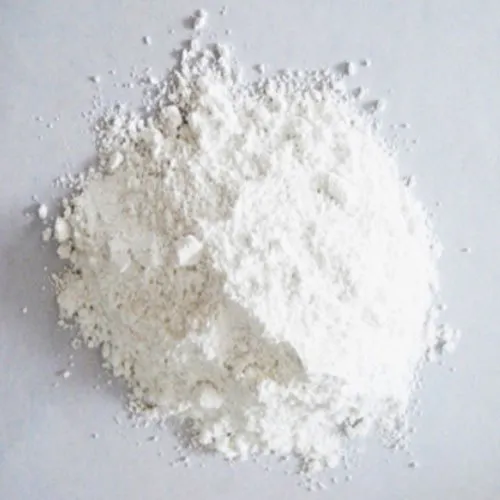
Calcium Carbonate (Feed Grade)
Found this useful?