Calcium Carbonate: Industrial Applications in Paper, Plastics, Paints and Construction
Calcium carbonate is one of the most widely used industrial minerals, supporting production across the paper, plastics, paints and construction sectors. Its chemical formula, CaCO₃, represents a versatile material that manufacturers use as a filler, coating pigment, functional additive and raw material in various industrial processes.
For chemical traders, procurement managers and industrial buyers, calcium carbonate offers opportunities across multiple manufacturing supply chains. Its commercial value depends on factors such as purity, particle size, brightness, whiteness and consistency, which influence its suitability for different applications.
1. What Is Calcium Carbonate and How Is It Produced?
Calcium carbonate is a naturally occurring mineral found in limestone, marble, chalk and other geological deposits. Manufacturers process these natural resources into industrial grades that meet the requirements of different production applications.
The industrial market mainly uses two forms: Ground Calcium Carbonate (GCC) and Precipitated Calcium Carbonate (PCC).
Ground Calcium Carbonate (GCC) comes from natural limestone, marble or chalk. Manufacturers extract the raw mineral, crush it, grind it and classify the resulting powder according to particle size and quality requirements.
Precipitated Calcium Carbonate (PCC) is a manufactured product produced through a controlled chemical process. Producers generally convert limestone into calcium oxide, hydrate it to form calcium hydroxide and introduce carbon dioxide to produce calcium carbonate particles.
The main differences between these grades involve their production methods and physical characteristics.
GCC offers a natural mineral-based option for applications requiring specific brightness, purity and particle-size characteristics.
PCC provides greater control over particle size, shape and distribution, making it suitable for specialised manufacturing requirements.
Surface-treated calcium carbonate receives additional treatment to improve compatibility with polymers, resins and other formulation ingredients.
Manufacturers select between these forms according to their production processes, performance targets and cost requirements.
IMA Europe+2
2. Calcium Carbonate Applications in the Paper Industry
The paper industry represents one of the major markets for industrial calcium carbonate. Paper manufacturers use it as a filler and coating pigment to improve the appearance, brightness, smoothness and printing characteristics of paper products.
During paper production, manufacturers introduce calcium carbonate into the pulp or apply it through coating formulations. These applications help control paper properties and support the production of different paper grades.
Its main functions include:
Improving brightness: Calcium carbonate contributes to the white appearance of paper and supports consistent product colour.
Increasing opacity: Its light-scattering properties help reduce transparency, improving the appearance of printed pages.
Enhancing smoothness: Fine particles support smoother paper surfaces, which can improve printing performance.
Reducing fibre consumption: Calcium carbonate can replace a portion of wood fibre in suitable paper formulations, helping manufacturers manage raw material costs.
Supporting surface coating: Specialised grades help improve surface finish and printability in coated paper products.
GCC and PCC both serve the paper industry, although manufacturers select them according to the required product characteristics. PCC offers controlled particle properties that can support specialised paper filling and coating applications.
Common end products include printing paper, writing paper, packaging board, coated paper and selected paper-based materials.
For procurement teams, brightness, particle-size distribution, moisture content and chemical purity are important purchasing considerations. Suppliers must also maintain consistent quality because changes in mineral characteristics can affect paper production efficiency and final product appearance.
Essential Minerals Association+2
3. Growing Use of Calcium Carbonate in Plastics Manufacturing
Plastic manufacturers use calcium carbonate as a functional filler in various polymer formulations. It can help reduce formulation costs while influencing mechanical properties, density, processing behaviour and surface finish.
The mineral is compatible with several polymer systems, including PVC, polypropylene, polyethylene and selected polyester materials.
Its applications extend across different plastic product categories:
PVC pipes and fittings: Calcium carbonate can serve as a filler in rigid PVC formulations. Manufacturers select suitable grades according to processing requirements and the mechanical properties expected from the finished product.
Plastic packaging: Selected calcium carbonate grades support the production of packaging films and other plastic products. Surface treatment can improve compatibility with polymer systems.
Automotive plastics: Manufacturers incorporate calcium carbonate into selected automotive plastic components to adjust material properties and manage formulation costs.
Household plastic products: Containers, storage products, furniture components and other moulded goods may contain calcium carbonate as a mineral filler.
Plastic masterbatch production: Calcium carbonate is a key ingredient in filler masterbatches used by plastic processors. These concentrates allow manufacturers to introduce controlled mineral content during polymer processing.
The quality of calcium carbonate has a direct influence on its suitability for plastics. Particle size, particle distribution, surface treatment and moisture levels can affect dispersion and processing performance.
Fine and consistently distributed particles are particularly important when manufacturers require a uniform surface finish. Poor dispersion can create processing problems or reduce the quality of finished plastic products.
For buyers, the correct grade depends on the polymer type, manufacturing method and intended end use. A formulation designed for PVC pipes may not automatically suit flexible packaging or injection-moulded components.
4. Applications in Paints, Coatings and Surface Finishes
Calcium carbonate plays an important role in the paints and coatings industry as an extender and functional mineral filler. Manufacturers incorporate it into different formulations to manage costs and influence coating characteristics.
Its white appearance and particle properties make it useful in decorative paints, industrial coatings, primers and selected protective finishes.
Key applications include:
Interior wall paints: Calcium carbonate helps control formulation costs while contributing to the consistency and finish of decorative coatings.
Exterior coatings: Suitable grades support coating formulations designed for outdoor surfaces and different environmental conditions.
Industrial primers: Manufacturers use calcium carbonate as an extender in selected primer formulations.
Protective coatings: It helps adjust the physical characteristics of coatings used on metal, concrete and other substrates.
Putty and surface fillers: Calcium carbonate contributes to the body, consistency and workability of wall putties and filling compounds.
Particle size and distribution influence the smoothness, opacity and surface characteristics of finished coatings. Manufacturers therefore select grades that match their binder systems, pigmentation requirements and desired finish.
PCC can serve specialised paint and coating formulations where controlled particle characteristics matter. GCC remains widely used in applications where suitable natural mineral grades can meet technical and commercial requirements.
Industrial buyers should compare whiteness, particle fineness, oil absorption, moisture content and compatibility with the coating formulation before purchasing.

5. Calcium Carbonate in Construction and Building Materials
Construction is another significant application area for calcium carbonate. The mineral contributes to cement production, concrete formulations, mortar, plaster, roofing materials and various building products.
Its suitability depends on the required mineral composition, particle size and performance characteristics of the final construction material.
Cement manufacturing
Limestone serves as a major raw material in cement production. It supplies calcium, which manufacturers use in the chemical processes involved in producing cement clinker.
Concrete and precast products
Finely ground calcium carbonate can act as a filler in selected concrete formulations. Manufacturers use it in precast components, paving products, concrete pipes and other building materials.
Mortar and plaster
Calcium carbonate contributes to the formulation of selected dry-mix construction products. Its particle characteristics can influence consistency, workability and surface finish.
Roofing materials
Manufacturers use calcium carbonate as a mineral filler in roofing products and related construction materials. It supports formulation requirements and helps manage material costs.
Construction adhesives and sealants
Selected GCC and PCC grades serve as fillers in adhesives, joint compounds and sealants. They can influence viscosity, consistency and controlled application behaviour.
Construction buyers should distinguish between calcium carbonate used as a major raw material in cement production and processed mineral fillers used in finished building products. Their technical requirements and purchasing specifications differ considerably.
Essential Minerals Association+2
6. What Drives Industrial Demand for Calcium Carbonate?
Demand for calcium carbonate reflects activity across several downstream industries. Because manufacturers use it in both high-volume and specialised applications, changes in industrial production can influence purchasing requirements.
Several factors support continued commercial demand:
Paper and packaging production: Demand for printing materials, packaging board and paper-based products creates requirements for suitable mineral fillers and coating ingredients.
Plastics manufacturing: Growth in packaging, automotive components, construction plastics and household products supports calcium carbonate consumption.
Construction investment: Infrastructure development, housing projects and commercial construction increase demand for cement, concrete and building materials.
Paints and coatings production: Residential, commercial and industrial maintenance activities support the need for decorative paints, protective coatings and surface-treatment products.
Cost management in manufacturing: Manufacturers consider mineral fillers when developing formulations that balance raw material costs with required product performance.
The demand outlook also depends on regional industrial capacity, availability of suitable limestone deposits and the ability of suppliers to deliver consistent grades.
For chemical traders, monitoring these downstream sectors helps identify purchasing opportunities and understand where different calcium carbonate specifications may attract demand.
7. Procurement Challenges and Important Quality Specifications
Although calcium carbonate is widely available, industrial buyers cannot treat every grade as interchangeable. Differences in mineral purity, particle size and processing quality can affect manufacturing results.
A structured procurement process should cover several important specifications.
Calcium carbonate content: Buyers should confirm CaCO₃ concentration and permitted impurity levels according to the application.
Particle size: Fineness and particle-size distribution influence dispersion, coating quality and processing performance.
Whiteness and brightness: These characteristics matter particularly in paper, paints and other applications where appearance is important.
Moisture content: Excess moisture can affect storage, handling and compatibility with manufacturing formulations.
Oil absorption: Paint and coating manufacturers may use this parameter when assessing formulation requirements.
Surface treatment: Coated grades can provide improved compatibility with selected polymer systems.
Packaging and logistics: Buyers should check bag specifications, bulk handling arrangements, storage conditions and shipment consistency.
Supplier reliability also deserves attention. Buyers should request technical data sheets, safety data sheets and certificates of analysis to compare products against their requirements.
For international traders, logistics costs, minimum order quantities, customs documentation and delivery schedules also influence the overall procurement decision.
8. Market Opportunities and Future Outlook for Calcium Carbonate
Calcium carbonate offers opportunities across established manufacturing industries and specialised mineral applications. Its versatility allows suppliers to serve different customer segments through natural, precipitated and surface-treated grades.
Paper and plastics manufacturers continue to require minerals that support product quality and formulation efficiency. Construction and coatings producers also depend on suitable calcium carbonate grades for their manufacturing processes.
Several areas deserve attention from suppliers and procurement teams:
Specialised PCC grades: Controlled particle characteristics create opportunities in paper coatings, plastics and selected industrial formulations.
Surface-treated calcium carbonate: Modified grades can support improved dispersion and compatibility in polymer-based applications.
Construction materials: Infrastructure and building product manufacturing create opportunities for processed mineral fillers.
Plastic masterbatches: Growing demand for cost-effective polymer formulations supports the use of calcium carbonate concentrates.
Resource efficiency: Research into recovering calcium carbonate from industrial waste streams creates potential opportunities for alternative mineral supply routes.
The development of lower-impact production methods may also influence future sourcing decisions. However, alternative calcium carbonate products must still meet the purity, particle characteristics and performance requirements of their intended applications.
For suppliers, the strongest opportunities may come from offering consistent product quality and application-specific grades rather than competing on price alone.
What Industrial Buyers Should Prioritise When Sourcing Calcium Carbonate
Calcium carbonate remains an important raw material for paper, plastics, paints and construction because manufacturers can use it to influence product appearance, processing characteristics and formulation costs. Its wide range of applications creates opportunities for mineral producers, chemical distributors and international trading companies.
Buyers should focus on matching GCC, PCC or surface-treated grades with their intended manufacturing applications. Careful evaluation of purity, particle size, brightness, moisture content and supplier consistency can help reduce procurement risks and improve production performance.
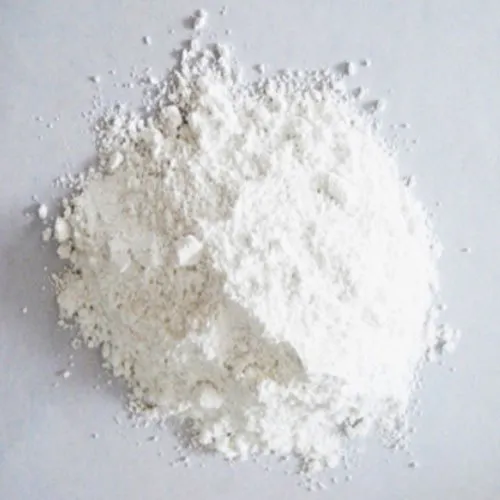
Calcium Carbonate (Feed Grade)
Found this useful?