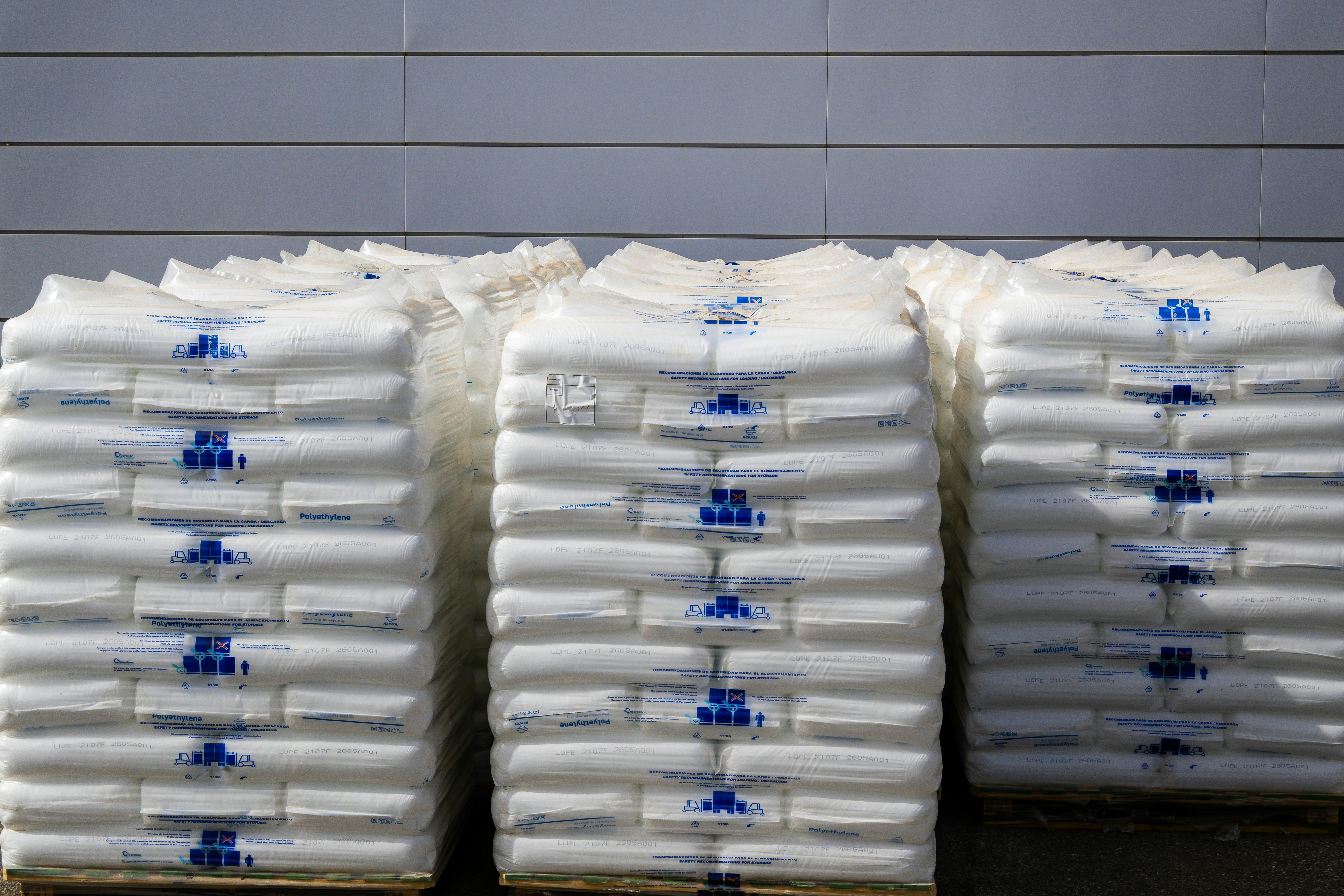
Chemical Distribution Networks: Optimising Supplier-to-Buyer Connectivity for Global Trade
Chemical distribution networks play a critical role in connecting chemical manufacturers with industrial buyers across domestic and international markets. As chemical supply chains become more interconnected, businesses need reliable distribution systems that support product availability, efficient transportation and consistent communication between trading partners.
A well-organised distribution network helps manufacturers reach customers beyond their immediate markets while allowing buyers to access suitable products from multiple suppliers. Distributors, wholesalers, logistics providers and digital trading platforms each contribute to this process. By improving supplier-to-buyer connectivity, chemical businesses can reduce procurement delays, manage distribution costs and build more dependable commercial relationships.
Understanding Chemical Distribution Networks and Their Structure
Chemical distribution networks include the businesses, facilities and transportation systems involved in moving chemical products from manufacturers to end users. These networks connect different participants and coordinate the commercial and physical movement of products.
The structure can vary depending on the chemical, order size, destination and buyer requirements. Some manufacturers supply large industrial customers directly, while others rely on distributors to reach smaller or geographically distant markets.
A typical chemical distribution network includes:
Chemical manufacturers: Produce raw materials, industrial chemicals and speciality chemical products for domestic and international markets.
Chemical distributors: Purchase products from manufacturers and resell them to industrial buyers, offering local market access and procurement support.
Importers and exporters: Coordinate international transactions, customs documentation and cross-border product movement.
Warehousing companies: Store chemical products and manage inventory before distribution to customers.
Logistics providers: Arrange road, rail, sea or other transportation services according to product characteristics and delivery requirements.
Industrial buyers: Purchase chemicals for manufacturing, processing and other commercial applications.
Each participant performs a different function. Effective coordination between these businesses allows products to move through the supply chain with fewer operational disruptions.
Why Supplier-to-Buyer Connectivity Matters in Chemical Trade
Strong connectivity between suppliers and buyers directly influences procurement performance. When manufacturers understand customer requirements and distributors maintain reliable communication with both sides, businesses can coordinate orders more effectively.
Poor connectivity creates problems such as delayed quotations, incorrect product specifications, limited inventory visibility and missed delivery schedules. These issues can affect production planning and increase purchasing costs.
Better supplier-to-buyer connectivity provides several commercial advantages.
Improved market access: Distributors help manufacturers reach customers in regions where establishing independent sales operations may require significant investment.
Faster procurement: Buyers can identify available products, compare supplier offers and communicate their requirements without depending entirely on traditional sourcing channels.
Better demand visibility: Suppliers receive clearer information about customer requirements, allowing them to plan production and inventory more effectively.
Stronger business relationships: Regular communication encourages transparency and helps both parties manage changing requirements.
Greater supply flexibility: Buyers can work with alternative suppliers and distribution partners when their usual sourcing channels experience disruptions.
These advantages become particularly important for businesses handling multiple chemical categories or serving customers across different countries.
The Role of Distributors in Connecting Global Chemical Markets
Chemical distributors act as an important link between producers and downstream industrial users. Their contribution extends beyond purchasing and reselling products.
Manufacturers often prefer to concentrate on production, quality control and product development rather than managing every customer relationship in every market. Distributors help bridge this gap by providing local commercial knowledge, storage facilities and customer support.
For buyers, distributors can simplify procurement by offering access to multiple products and suppliers through established business relationships.
Their main responsibilities include:
Product sourcing: Identifying manufacturers that can supply chemicals according to customer specifications, required grades and purchasing quantities.
Local market development: Connecting international manufacturers with regional buyers who may have limited direct access to overseas suppliers.
Inventory management: Maintaining suitable stock levels to support regular customer demand and urgent purchasing requirements.
Technical assistance: Helping buyers understand product specifications, handling requirements and application suitability.
Order coordination: Managing quotations, purchase orders, delivery arrangements and commercial communication.
Regulatory support: Coordinating relevant product documentation, labelling information and import requirements.
Distributors also provide services such as blending, repackaging and relabelling where their facilities and regulatory permissions allow.
According to the International Chemical Trade Association, distributors help suppliers reach fragmented or specialised customer markets while providing buyers with sourcing support and supply chain services
Digital Platforms and Technology in Chemical Distribution
Digital technology is changing how chemical suppliers, distributors and buyers communicate and manage commercial transactions. Traditional procurement often depends on individual contacts, telephone calls and lengthy email exchanges. These methods can create delays when buyers need to compare multiple offers or confirm product availability.
Digital chemical trading platforms provide a more organised environment for connecting market participants. Buyers can review product listings, identify potential suppliers and submit purchasing requirements through centralised systems.
Several technologies can improve distribution network performance.
Online product catalogues: Digital catalogues help buyers identify available chemical products, review specifications and explore different supplier options.
Electronic quotation systems: Buyers can submit enquiries and receive commercial offers through structured communication channels.
Inventory management software: Businesses can monitor stock levels, track incoming shipments and identify products that require replenishment.
Enterprise Resource Planning (ERP): ERP systems connect procurement, sales, finance and inventory operations, improving information sharing across departments.
Supply chain visibility tools: Shipment tracking and logistics management systems help businesses monitor delivery progress and coordinate receiving activities.
Data analytics: Historical purchasing information can help suppliers identify demand patterns, evaluate inventory performance and improve distribution planning.
Technology becomes particularly valuable when businesses operate across multiple markets and manage different product categories. However, digital platforms must support accurate product information, dependable supplier communication and secure commercial transactions to deliver meaningful results.
Managing Inventory and Warehousing Across Distribution Networks
Inventory management directly affects the reliability of chemical distribution networks. Suppliers and distributors must maintain suitable stock levels to meet customer demand without creating unnecessary storage costs.
Excessive inventory ties up working capital and increases the cost of warehousing. Insufficient stock can delay customer orders and force buyers to search for alternative suppliers.
Chemical businesses need inventory strategies that reflect product characteristics, purchasing patterns and expected delivery times.
Important inventory management practices include:
Demand forecasting: Use historical sales information and customer purchasing patterns to estimate future requirements.
Safety stock planning: Maintain appropriate reserve quantities for products with uncertain demand or longer replenishment periods.
Stock rotation: Apply suitable inventory rotation procedures to manage shelf life and product condition.
Storage compatibility: Separate incompatible chemicals and follow appropriate temperature, ventilation and containment requirements.
Warehouse monitoring: Regularly inspect storage conditions, packaging integrity and inventory records.
Replenishment coordination: Maintain communication with manufacturers to arrange replacement stock before inventory reaches critical levels.
Chemical warehousing also requires specialised operational controls. Businesses must consider chemical compatibility, fire protection, spill containment and emergency response arrangements.
A distribution network can only provide reliable service when its storage facilities support product quality and safe handling throughout the supply process.
Transportation and Logistics: Connecting Suppliers with Buyers
Transportation links manufacturing facilities, warehouses, distribution centres and customer locations. The choice of transportation method depends on product properties, shipment size, delivery distance and commercial requirements.
Chemical distributors often coordinate different transportation modes to support domestic deliveries and international trade.
Road transportation provides flexibility for regional deliveries and smaller shipments. Rail transportation can support larger volumes across suitable inland routes, while sea freight remains important for international bulk chemical movements.
Effective logistics planning requires attention to several factors:
Product handling requirements: Chemical properties determine the appropriate packaging, vehicle type and transportation conditions.
Delivery scheduling: Suppliers and buyers must coordinate dispatch and receiving schedules to prevent unnecessary delays.
Freight cost management: Businesses should compare transportation rates, handling charges and additional logistics expenses.
Documentation: International shipments require appropriate commercial, customs and product-related documentation.
Shipment visibility: Tracking systems help buyers monitor orders and respond to unexpected delivery changes.
For hazardous chemicals, transportation planning also requires appropriate classification, packaging, labelling and compliance with applicable dangerous goods requirements.
The objective is not simply to move products between locations. It is to ensure that the correct chemical reaches the intended buyer in suitable condition and within the agreed delivery schedule.
Supply Chain Challenges Affecting Chemical Distribution Networks
Chemical distribution networks operate across different commercial, regulatory and geographical environments. This creates challenges that can affect product availability, delivery performance and supplier relationships.
One major challenge is supplier concentration. When buyers depend heavily on a limited number of manufacturers or distribution partners, production interruptions or transportation problems can affect their entire procurement process.
Other common challenges include:
Unpredictable demand: Sudden changes in industrial production can create unexpected increases or decreases in chemical purchasing requirements.
International trade disruptions: Port congestion, customs delays and changes in trade policies can affect shipment schedules.
Price fluctuations: Changes in raw material costs, energy prices and freight charges can influence supplier quotations.
Limited product visibility: Incomplete information about stock availability can make purchasing decisions difficult.
Quality inconsistencies: Differences in product grades, specifications and manufacturing standards can create problems for industrial buyers.
Communication gaps: Delayed responses and incomplete documentation can slow down order processing.
Businesses can reduce these risks through supplier diversification, better inventory planning and stronger communication systems.
They should also evaluate suppliers based on production capabilities, product quality, delivery performance and documentation standards rather than relying exclusively on quoted prices.
Regulatory Compliance and Chemical Distribution Responsibilities
Chemical distribution involves important responsibilities related to product safety, documentation, storage and transportation. Businesses must understand the regulatory requirements applicable to the chemicals they handle and the markets they serve.
Distributors play an important role in transferring product information between manufacturers and downstream users. This includes communicating relevant safety information and ensuring that customers receive appropriate documentation.
For example, the European Chemicals Agency (ECHA) highlights the responsibility of distributors to communicate information throughout the supply chain under the REACH framework. For relevant hazardous substances and mixtures, distributors must provide appropriate safety data sheets and associated information. <Cite refs={["turn793789search1"]}/>
Chemical distribution businesses should prioritise:
Maintaining current Safety Data Sheets (SDS) for applicable products.
Providing accurate product descriptions and technical specifications.
Following applicable chemical classification and labelling requirements.
Checking packaging and storage conditions.
Maintaining appropriate import and export documentation.
Coordinating with suppliers when regulatory or safety information changes.
Responsible distribution also requires continuous attention to employee training, emergency planning and environmental protection.
The Responsible Care initiative promoted by the International Council of Chemical Associations encourages chemical businesses to improve health, safety, security and environmental performance across their operations and supply chains. <Cite refs={["turn793789search5"]}/>
Building More Efficient and Reliable Distribution Networks
Chemical businesses need to develop distribution strategies that balance commercial efficiency with operational reliability. Improving connectivity requires coordination across suppliers, distributors, logistics providers and buyers.
Manufacturers should establish clear communication channels with distribution partners and provide accurate product information. Distributors should regularly evaluate supplier performance and maintain appropriate inventory to support customer requirements.
Buyers can also improve their position by developing structured procurement processes.
Practical steps include:
Identify dependable suppliers: Evaluate manufacturers and distributors based on quality, supply capacity, commercial terms and delivery performance.
Diversify sourcing channels: Maintain alternative supplier relationships to reduce dependence on individual businesses or geographical markets.
Improve information sharing: Communicate product specifications, expected quantities and delivery requirements clearly.
Use digital procurement tools: Compare available offers and organise purchasing communication through suitable digital systems.
Monitor supplier performance: Review delivery accuracy, product consistency, response times and documentation quality.
Strengthen logistics coordination: Align dispatch schedules, transportation arrangements and warehouse receiving procedures.
Businesses should also measure distribution performance through indicators such as order fulfilment rates, inventory turnover, on-time delivery and procurement lead times.
These measurements help management identify weaknesses and make practical improvements across the network.
What the Future Holds for Chemical Distribution Networks
Chemical distribution networks will continue to evolve as international trade, digital procurement and industrial purchasing requirements change. Businesses increasingly need distribution systems that offer better market access, stronger supply visibility and more flexible sourcing arrangements.
Digital platforms can support this development by connecting manufacturers with distributors and buyers through more accessible commercial channels. Improved data sharing can also help businesses coordinate demand, inventory and transportation requirements.
Sustainability will remain another important consideration. Distributors can contribute by improving transportation efficiency, reducing unnecessary packaging waste and supporting customers in identifying suitable alternative materials.
At the same time, reliable supplier relationships will remain essential. Technology can simplify communication, but businesses still need qualified suppliers, consistent product quality and effective logistics partners.
For procurement managers and chemical traders, the priority should be building distribution networks that combine digital connectivity with dependable commercial relationships. Businesses that improve supplier coordination, inventory visibility and logistics planning can strengthen their position in competitive international markets.

Caustic Soda Flakes
SOURCE LINK :https://icta-chem.org/about/chemical-distribution/
Found this useful?