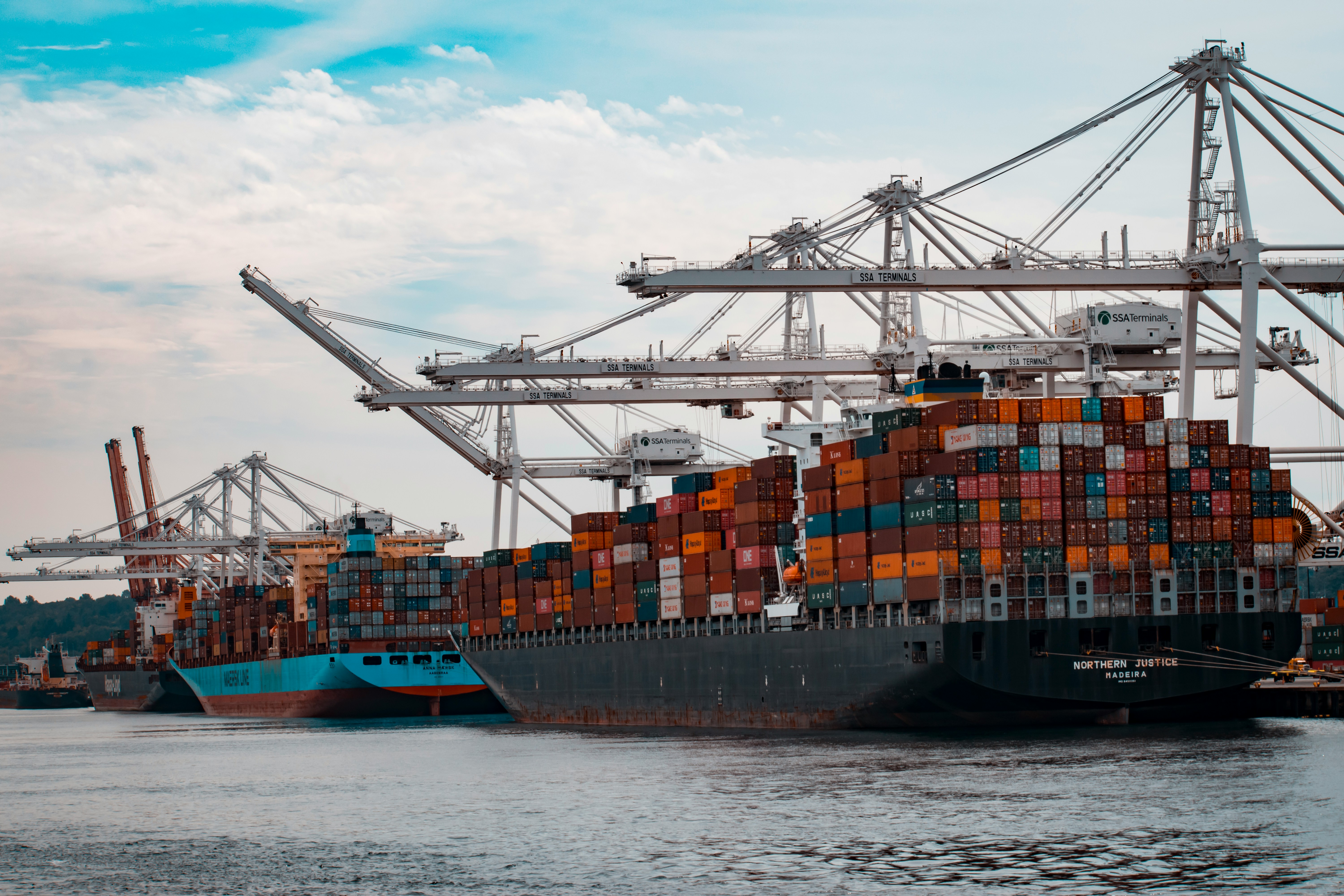
Chemical Export Planning: Preparing Shipments for Global Markets
Chemical Export Planning: Preparing Shipments for Global Markets
Why Export Planning Is More Than Booking a Container
Shipping chemicals internationally means classifying the product correctly for transport, packing it in approved packaging, marking and documenting it for the mode you are using, meeting the rules of both the origin and destination countries, and protecting the cargo from conditions inside the container, and a failure in any one of these steps can cause a shipment to be rejected at port, held by customs, or returned at the exporter's cost. A chemical export normally travels with a commercial invoice, packing list, bill of lading, Certificate of Origin, Certificate of Analysis and Safety Data Sheet, and hazardous products also need a dangerous goods declaration under the IMDG Code, and this document set must be consistent across all papers, because a mismatch in chemical name, CAS number, or weight between invoice and SDS is the most common reason for customs holds. Chemical cargo is not automatically dangerous goods, and exporters must establish the transport classification for the actual product, collect relevant documents, and request route-specific acceptance before booking, because a chemical allowed by sea may be restricted by air, and a chemical allowed in one destination may require a special import permit in another.
Classification and Packaging: IMDG, UN Number and UN Packaging
IMDG Code, DG Classification and Carrier Approval
Chemical ocean export hinges on using the MSDS/SDS and HS code to determine whether the cargo is an IMDG dangerous good and its UN number, and if it is DG, preparing MSDS plus DG packaging certificate plus DGD plus UN-certified packaging, and obtaining carrier DG-team approval before booking, with documentation, cut-off, and gate-in all running 24 to 48 hours ahead of general cargo. Acids, alkalis, oxidisers and many solvents are classed as dangerous goods for sea freight under the IMDG Code, and for 2026 sea shipments, IMO identifies IMDG Amendment 42-24 as mandatory from 1 January 2026, which means exporters must review classification, packaging, marks, labels and segregation using the applicable IMDG Code Amendment 42-24. Start with the Safety Data Sheet (SDS) to check whether the chemical is dangerous goods under the UN hazard class system, and if it is, the shipment needs correct classification, UN-specified packaging, hazard labels, and a dangerous goods declaration signed by a trained shipper, alongside usual trade documents, with sea freight following IMDG Code and air freight following IATA Dangerous Goods Regulations.
UN Packaging, Labelling and Segregation
For dangerous goods like turpentine, IMDG Class 3, confirm with your insurer that hazardous goods are covered under the policy, because standard cargo insurance often excludes DG cargo, and for turpentine and any other IMDG-classified products, the shipper must complete a dangerous goods declaration, IMO Declaration or Multimodal Dangerous Goods Form. Standard 25% liquor ammonia exports are classified as UN 2672, Ammonia Solution 10 to 35%, Packing Group III, requiring UN-certified packaging and IMDG documentation, and key docs include CoA, SDS, Shipper's Declaration for Dangerous Goods, Container Packing Certificate, and country-specific import permits, all required for compliant export. During customs declaration, exporters must submit a hazardous characteristic classification report, a declaration of conformity for hazardous chemicals, a UN-certified packaging performance test report, an SDS in relevant foreign language, and appropriate hazard labels, and packaging must adhere to UN Recommendations on the Transport of Dangerous Goods, with shipments by sea or air also complying with respective regulations.

Documentation and Destination Compliance
Core Export Document Set
Shipping chemicals internationally may require a destination-compliant SDS, a separate dangerous-goods classification, shipping papers or declarations, transport marks and labels, emergency-response information, customs records, and carrier-specific documentation, and the IMDG Code for sea and IATA for air each require their own declaration format. The IMDG Code and other international and national regulations require that the consignor provides transport information on each dangerous substance, material or article, and the consignor is also responsible for ensuring that dangerous goods are classified, packaged, packed and marked in accordance with applicable regulations, which means the exporter cannot delegate liability to the forwarder. A chemical export normally travels with a commercial invoice, packing list, bill of lading, Certificate of Origin, Certificate of Analysis and Safety Data Sheet, and hazardous products also need a dangerous goods declaration, and all documents must show the same product name, CAS, UN number, packing group, and net and gross weights.
Destination Rules, Permits and Insurance
Transportation should be done with a licensed carrier, and for compliance, IMDG or IATA Dangerous Goods Regulations should be followed, and exporters must check whether the destination requires REACH registration, TSCA, ESMA, or local chemical import permits before the vessel sails, because a shipment that arrives without a permit will be held, fined, or re-exported. Exporters must also plan for container conditions, including temperature, humidity, and segregation, because oxidisers must not be stowed with flammables, acids must not be stowed with alkalis, and temperature-sensitive chemicals like hydrogen peroxide must be kept in vented containers away from heat. By planning classification, packaging, documentation, and destination compliance 30 to 45 days before shipment, and by working with a DG-trained forwarder and insurer, chemical exporters can reduce delays, avoid penalties, and build a reputation for reliable global supply.
Sources with Links:
Chemical Export Documents Checklist for International Shipments – ChemicalsBlog – https://www.chemicalsblog.[STRIPPED 90 bytes] Chemical Products Ocean Export Guide: IMDG, DG Packaging & Compliance – Mighty Shipping – https://www.mightyshipping.com/en/guides/chemical-products-ocean-export
Ultimate Guide To Shipping Chemicals Internationally – EPGNA – https://epgna.com/blog/ultimate-guide-to-shipping-chemicals-internationally/
Dangerous Goods & Chemical Shipping Guide – Elogis – https://www.elogis.cn/dangerous-goods-chemicals
Chemical Cargo Compliance: SDS and Dangerous Goods – Thai Global Freight – https://www.thaiglobalfreight.com/en/resources/chemical-cargo-sds-and-dg-compliance

Caprylic Triglyceride
Found this useful?