Chemical Industry Capacity Expansion: How New Plants Influence Global Trade
Chemical Industry Capacity Expansion: How New Plants Influence Global Trade
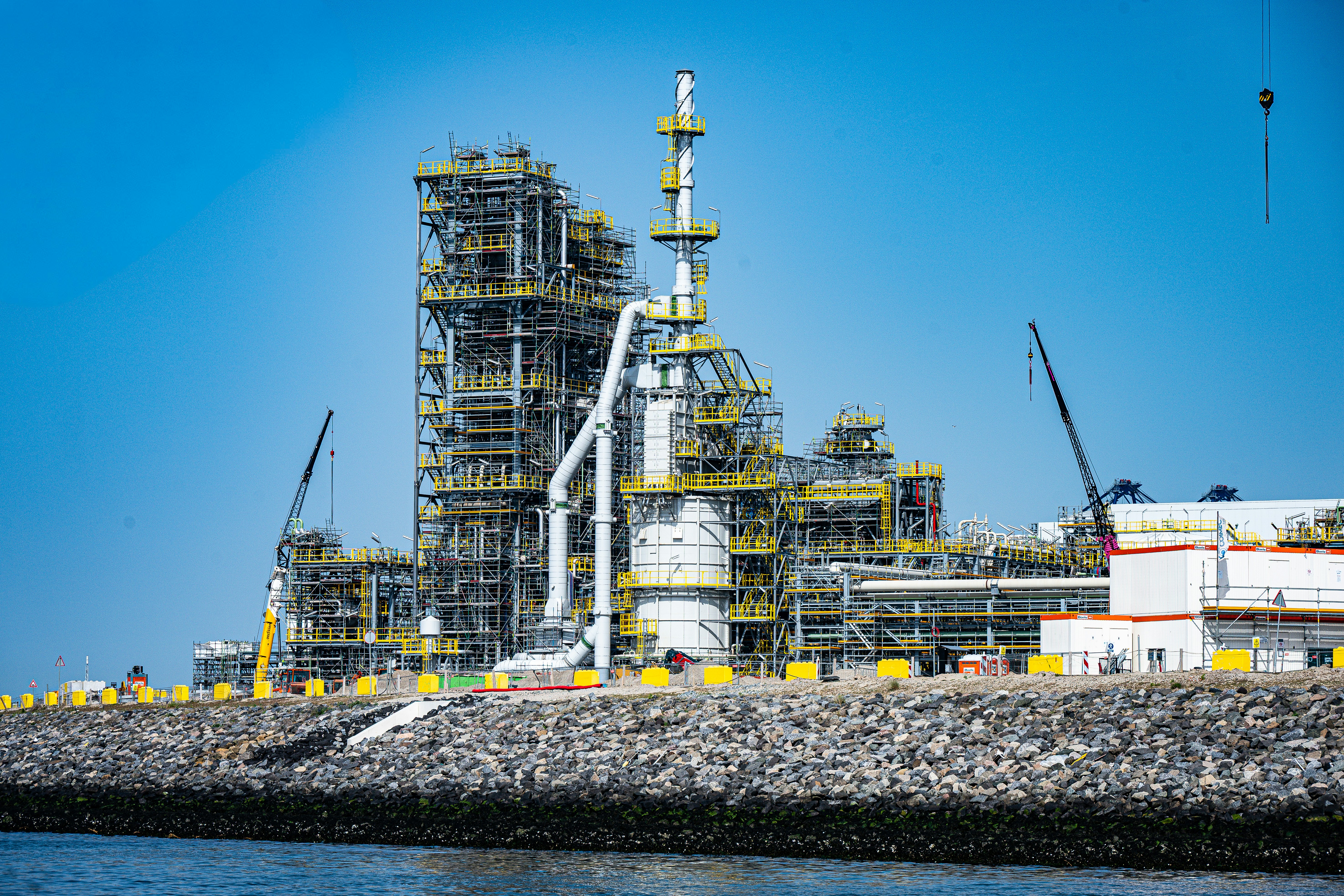
The global chemical industry is undergoing continuous changes as manufacturers invest in new production plants, expand existing facilities, and upgrade their manufacturing technologies. These investments are driven by growing demand from industries such as agriculture, automotive, construction, pharmaceuticals, packaging, electronics, and consumer goods.
When a country increases its chemical manufacturing capacity, the impact extends beyond domestic production. New plants can change international supply availability, influence prices, create export opportunities, and shift the competitive position of established producers.
Chemical industry capacity expansion is therefore an important factor in understanding global trade patterns. As production centers grow, buyers, suppliers, importers, and distributors must adapt to changing sources of supply and evolving market conditions.
Why Are Chemical Manufacturers Expanding Production Capacity?
Several factors encourage chemical companies to invest in additional manufacturing capacity.
1. Growing Demand for Industrial Chemicals
Industries require increasing quantities of chemical products for manufacturing and processing. Demand for polymers, solvents, fertilizers, specialty chemicals, and industrial gases can encourage producers to establish new facilities or expand existing plants.
2. Access to Raw Materials
Proximity to feedstocks such as natural gas, crude oil, naphtha, and other chemical inputs can make certain locations attractive for large-scale production. Regions with reliable raw-material supplies may have an advantage in manufacturing costs and export competitiveness.
3. Economies of Scale
Larger production facilities can help manufacturers distribute fixed costs across greater output. This may improve operating efficiency and strengthen their ability to compete in international markets, provided that demand is sufficient to absorb the additional production.
4. Government Investment and Industrial Development
Governments may support chemical manufacturing through industrial zones, infrastructure development, investment incentives, and trade policies. These initiatives can attract international investors and encourage the development of domestic chemical supply chains.
5. Demand for New Chemical Technologies
Manufacturers are also investing in capacity for advanced materials, battery chemicals, bio-based products, recycled polymers, and other emerging segments. These investments reflect changing customer requirements and the transition toward more resource-efficient production.
How New Chemical Plants Influence Global Trade
1. Increased Export Availability
When a new plant begins commercial production, the country may have more chemicals available for export. Producers can serve overseas customers, enter new markets, and compete with established international suppliers. This can change traditional trade relationships between importing and exporting countries.
2. Shifting International Trade Routes
New production hubs can redirect chemical shipments toward different destinations. Importers may purchase from countries offering better feedstock economics, freight costs, or supply reliability. As a result, established shipping routes and supplier relationships can change.
3. Greater Competition and Price Pressure
Additional production can increase competition among suppliers. If capacity grows faster than demand, producers may lower prices to maintain sales and plant utilization. This can benefit buyers but put pressure on the margins of manufacturers operating in higher-cost regions.
4. Reduced Import Dependence
Countries investing in domestic chemical manufacturing may reduce their reliance on imported materials. This can strengthen local supply chains, although complete self-sufficiency is difficult when production depends on imported feedstocks, technology, or specialized intermediates.
5. New Opportunities for Specialty Chemical Trade
Capacity investments are not limited to basic petrochemicals. New facilities producing advanced materials, specialty chemicals, battery ingredients, and performance additives can create export opportunities in higher-value markets where technical specifications and product quality are important.
Recent industry analysis highlights how capacity additions, feedstock advantages, and regional competitiveness are reshaping chemical trade flows.
Regional Capacity Expansion and Global Competition
Chemical production capacity is not distributed evenly across the world. Investment decisions in major manufacturing regions can influence international prices, exports, and import requirements.
Asia-Pacific
China has expanded its petrochemical and chemical manufacturing base significantly, strengthening its position in several product categories. India is also investing in domestic chemical production to support industrial growth and reduce reliance on selected imports.
However, expanding capacity can create supply pressure when new output exceeds domestic demand. This can increase competition in export markets and challenge producers in other regions.
North America
North America benefits from access to natural gas liquids and ethane-based feedstocks, which can support competitive production of certain petrochemicals. New ethylene and polyethylene facilities can increase the availability of these products for domestic customers and overseas markets.
The resulting trade impact depends on operating costs, demand, transportation infrastructure, and international pricing.
The Middle East remains an important chemical production and export region because of its access to hydrocarbon feedstocks and established industrial infrastructure. Additional capacity can strengthen its role in supplying polymers, petrochemicals, and other industrial materials to international customers.
Large-scale capacity additions in the region also increase competition for producers with higher feedstock and energy costs.
European chemical producers face challenges associated with relatively high energy costs, global competition, and uneven industrial demand. While some companies are investing in specialized and higher-value products, others are reviewing operations, reducing capacity, or restructuring their portfolios.
This can influence Europe's import requirements and its ability to compete in international commodity chemical markets.
When Capacity Expansion Creates Global Oversupply
Building new plants does not automatically guarantee stronger market performance. If production capacity increases faster than consumption, the industry can experience oversupply.
This is particularly important in commodity chemicals, where products are relatively standardized and buyers can compare prices across multiple suppliers.
The effects may include:
Lower selling prices as producers compete for customers.
Reduced operating rates when plants cannot sell their full output.
Pressure on profit margins and cash flow.
Increased exports as manufacturers search for overseas markets.
Greater competition for producers with higher manufacturing costs.
Plant closures or delayed investments when market conditions weaken.
The current petrochemical market illustrates this challenge. ICRA's July 2026 assessment highlights how global overcapacity and limited demand recovery continue to weigh on operating rates and profitability.
How Capacity Expansion Affects Chemical Buyers and Distributors
For B2B buyers, new production facilities can create opportunities to diversify sourcing and negotiate more competitive purchasing terms. However, buyers must evaluate more than the availability of additional supply.
Buyer group | Potential impact |
|---|---|
Industrial manufacturers | More sourcing options and potential price competition |
Chemical importers | Opportunities to purchase from new exporting regions |
Distributors and wholesalers | New suppliers and additional product availability |
Packaging manufacturers | Changes in polymer sourcing and procurement costs |
Agriculture and fertilizer companies | Potential changes in the availability of chemical inputs |
Specialty chemical buyers | Access to new products and advanced materials |
International traders | Opportunities to develop new trade routes and supplier relationships |
Buyers should compare product specifications, consistency, certifications, shipping costs, lead times, and supplier reliability before changing procurement sources.
What Determines Whether a New Chemical Plant Becomes Competitive?
A new facility may increase production capacity, but its ability to compete internationally depends on several commercial and operational factors.
Raw material availability: Reliable and competitively priced feedstocks help control manufacturing costs.
Energy costs: Chemical production can require significant energy, making electricity, natural gas, and fuel prices important competitive factors.
Production technology: Efficient processes can improve yields, reduce operating expenses, and support consistent product quality.
Transportation infrastructure: Access to ports, pipelines, railways, and storage facilities affects the cost of reaching international customers.
Market demand: A plant needs sufficient domestic or export demand to operate efficiently and recover its investment.
Regulatory requirements: Environmental permits, emissions standards, product regulations, and trade policies can influence project costs and market access.
The Future of Chemical Industry Capacity Expansion
The next phase of chemical manufacturing investment is likely to involve a balance between large-scale production, regional supply security, and specialized products. Companies are increasingly considering where they can produce competitively rather than focusing only on increasing total output.
Basic chemicals and commodity polymers will remain sensitive to supply-demand imbalances. Meanwhile, specialty chemicals, advanced materials, recycling technologies, and products supporting the energy transition may offer different opportunities for investment and international trade.
For manufacturers, the challenge will be matching new capacity with realistic demand. For importers and distributors, changing production locations will make supplier diversification, market intelligence, and procurement planning increasingly important.
The global chemical trade landscape will therefore be shaped not simply by how many new plants are built, but by where they are located, what they produce, how competitively they operate, and whether international demand can absorb their output.
https://www.spglobal.com/energy/en/news-research/special-reports/chemicals/chemical-trends-h1-2026?
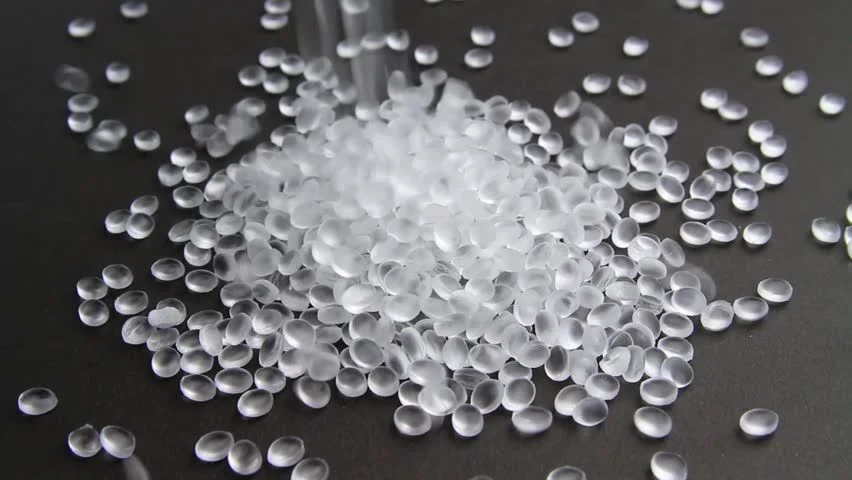
Polyethylene Terephthalate (PET)
Found this useful?