Chemical Supply Chain Disruptions: Managing Risks in Global Trade
Global chemical trade depends on a complex network of manufacturers, raw material suppliers, shipping companies, ports and distributors. A disruption at any point can affect product availability, delivery schedules and purchasing costs across multiple countries.
Chemical supply chain disruptions have become a major concern for international buyers and sellers as geopolitical tensions, transportation bottlenecks, changing trade policies and unexpected production interruptions create uncertainty. For chemical traders and procurement managers, managing these risks requires more than finding competitive prices. Businesses must understand their supply networks, identify potential weaknesses and develop alternative sourcing strategies that keep operations running when normal trade routes or supply arrangements fail.
Understanding Chemical Supply Chain Disruptions
Chemical supply chain disruptions occur when unexpected events interrupt the movement of raw materials, intermediate chemicals or finished products from suppliers to end users. These interruptions can affect production, storage, transportation, customs clearance and final delivery.
Unlike many general consumer products, chemicals often require specialized manufacturing facilities, controlled storage conditions and approved transportation arrangements. Some products also depend on specific raw materials or production technologies, which makes replacing an unavailable supplier more difficult.
Several interconnected activities determine whether a chemical supply chain operates smoothly:
Raw material procurement: Manufacturers need reliable access to feedstocks, minerals, agricultural inputs and other essential materials.
Chemical production: Equipment failures, maintenance shutdowns and energy shortages can reduce production capacity.
International transportation: Shipping delays, port congestion and route restrictions can interrupt deliveries.
Warehousing and distribution: Limited storage capacity or unsuitable handling facilities can prevent businesses from receiving and distributing products efficiently.
Customs and regulatory procedures: Documentation problems, changing import requirements and compliance checks can delay cross-border shipments.
A disruption in one activity can create problems throughout the entire network. For example, a manufacturer facing a shortage of an essential feedstock may reduce output, leaving distributors with limited inventory and international buyers searching for alternative suppliers.
Major Factors Driving Disruptions in Global Chemical Trade
International chemical supply chains face several risks that can develop independently or occur simultaneously. Understanding these factors helps businesses recognize potential problems before they affect purchasing and production operations.
1. Geopolitical tensions and trade restrictions
Political conflicts, international sanctions, trade restrictions and changes in diplomatic relationships can affect the movement of chemicals between producing and importing countries. Restrictions may limit access to particular suppliers, increase documentation requirements or force businesses to reconsider established trade routes.
Chemical traders that depend heavily on one exporting country can face significant sourcing difficulties when political conditions change. Importers may need to identify alternative origins and review whether replacement suppliers can meet their technical and regulatory requirements.
2. Transportation bottlenecks and shipping delays
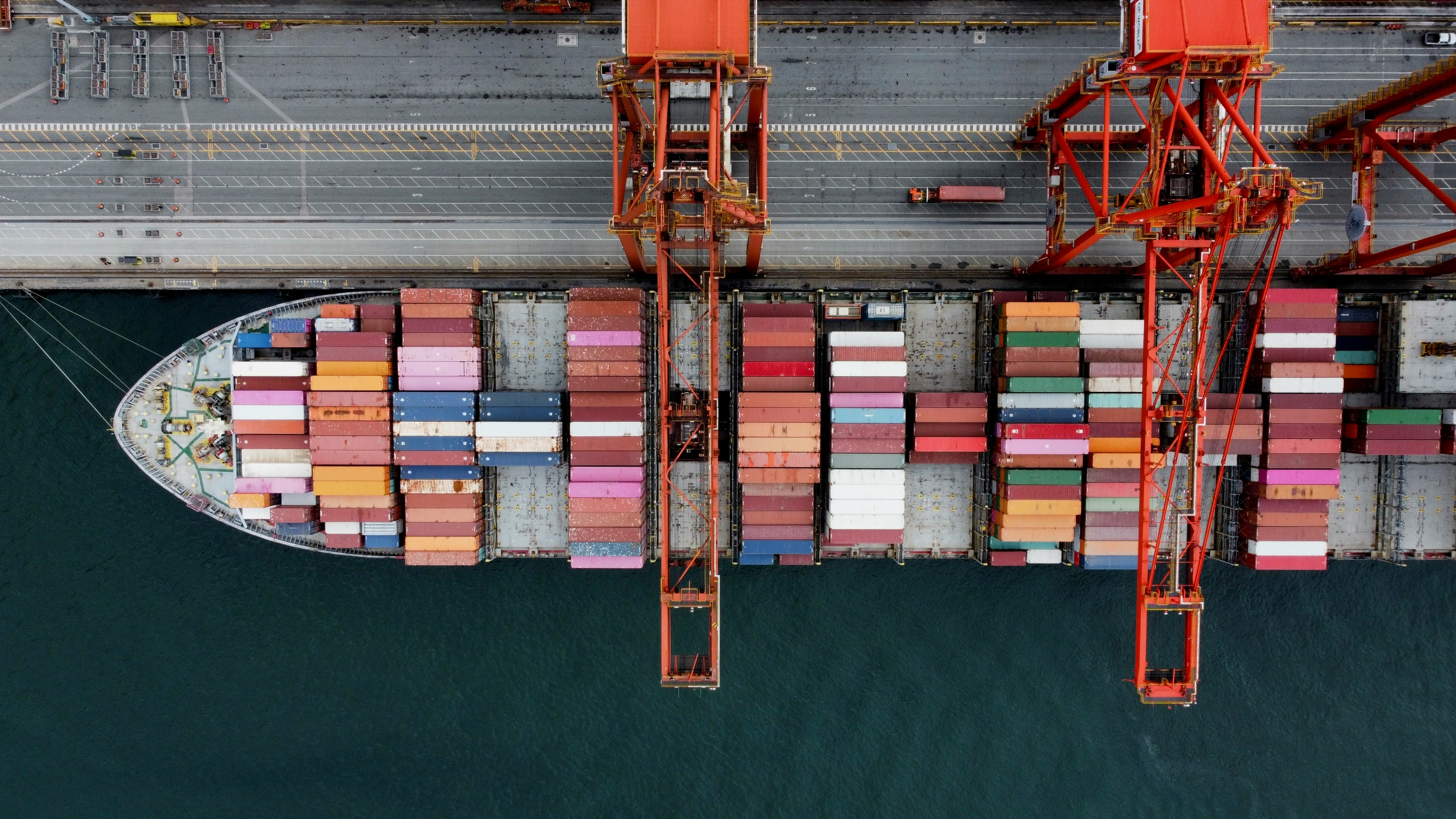
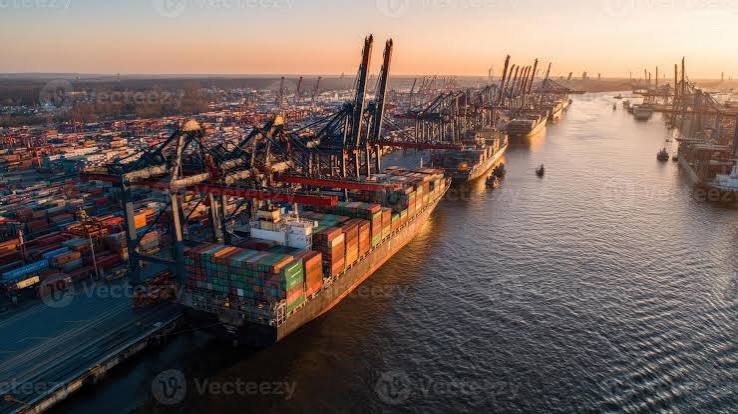
Maritime transportation plays a central role in international chemical trade. Disruptions at important shipping routes, port congestion and vessel rerouting can increase transit times and freight expenses.
UNCTAD's 2025 Review of Maritime Transport highlights the impact of shipping disruptions, including vessels avoiding the Red Sea and taking longer routes around the Cape of Good Hope. Such changes increase transportation distances, operating costs and uncertainty for international cargo movements.
UN Trade and Development (UNCTAD)+1
3. Raw material shortages
Chemical manufacturers depend on consistent supplies of essential feedstocks and intermediate materials. Shortages of natural gas, crude oil derivatives, minerals or other industrial inputs can affect production capacity and increase manufacturing costs.
When manufacturers cannot secure sufficient raw materials, they may reduce output or prioritize existing contractual commitments. Buyers then face longer lead times and fewer purchasing opportunities.
4. Energy supply and price instability
Energy-intensive chemical production depends on reliable electricity, natural gas and other energy sources. Unexpected shortages or substantial price increases can raise manufacturing expenses and reduce the competitiveness of certain production facilities.
These conditions can affect the availability and pricing of products such as ammonia, methanol, sulfuric acid and other industrial chemicals.
5. Natural disasters and extreme weather
Floods, hurricanes, earthquakes and extreme temperatures can damage manufacturing facilities, warehouses, roads, railways and ports. Even when a chemical plant remains operational, surrounding infrastructure problems can prevent suppliers from shipping finished products
How Supply Chain Disruptions Affect Chemical Buyers and Traders
Supply chain interruptions create financial and operational challenges for businesses throughout the chemical trading industry. Their impact often extends beyond the original disruption because manufacturers, distributors and buyers depend on interconnected purchasing and delivery schedules.
Rising procurement costs
When available supply decreases, buyers may need to accept higher prices or purchase from alternative suppliers with more expensive production and transportation arrangements. Additional freight charges, insurance costs and emergency purchasing expenses can increase the total landed cost of a chemical shipment.
Unpredictable delivery schedules
Delayed shipments make it difficult for procurement managers to coordinate inventory replenishment and production requirements. Businesses may experience stock shortages even when suppliers have confirmed orders and dispatched cargo.
Production interruptions
Chemical manufacturers and downstream industrial users often rely on continuous access to essential inputs. A delayed shipment of one critical ingredient can affect several production stages and create additional costs through idle equipment, delayed orders and missed delivery commitments.
Contractual and commercial complications
Disruptions can affect agreed delivery dates, shipment quantities and contractual obligations. Buyers and sellers may need to renegotiate delivery schedules, discuss alternative shipping arrangements or review contractual provisions covering unexpected events.
Reduced customer confidence
Repeated delivery problems can damage relationships between suppliers, distributors and industrial buyers. Customers may begin searching for alternative trading partners when existing suppliers cannot provide consistent availability and reliable communication.
Building a More Resilient Chemical Sourcing Strategy
Businesses cannot prevent every disruption, but they can reduce their exposure through better sourcing decisions and more flexible procurement arrangements.
Supplier diversification is one of the most practical approaches. Instead of depending entirely on one manufacturer or exporting country, buyers should evaluate multiple qualified suppliers across different regions.
An effective diversification strategy should consider:
Alternative countries of origin: Identify exporting markets that can supply the same chemical when the primary sourcing country experiences difficulties.
Multiple qualified manufacturers: Maintain relationships with more than one supplier to reduce dependence on individual production facilities.
Technical compatibility: Confirm that alternative suppliers can meet required purity levels, specifications, packaging standards and application requirements.
Supplier reliability: Review production capacity, delivery performance, documentation practices and communication quality.
Commercial flexibility: Compare payment conditions, minimum order quantities and shipment arrangements before establishing alternative supply agreements.
Diversification does not mean purchasing from the cheapest available supplier. Buyers must balance cost, product quality, compliance requirements and delivery reliability when evaluating alternative sourcing opportunities.
The OECD's 2025 Supply Chain Resilience Review also emphasizes navigating risk through adaptable and diversified supply chains rather than relying on complete domestic relocation.
OECD+1
Inventory Management and Alternative Logistics Planning
Inventory management plays an important role in protecting chemical businesses from unexpected supply interruptions. Companies that maintain appropriate stock levels can continue operations while waiting for delayed shipments or arranging replacement orders.
However, excessive inventory can increase warehousing expenses and tie up working capital. Chemical buyers should establish inventory policies according to product demand, supplier lead times, storage requirements and the potential consequences of stockouts.
Several practices can improve inventory resilience:
Maintain strategic safety stock: Keep additional quantities of essential chemicals where demand patterns and storage conditions justify the investment.
Classify products by supply risk: Identify chemicals that have limited suppliers, long production lead times or few practical substitutes. Prioritize these products when developing inventory plans.
Monitor stock movement: Track incoming shipments, warehouse balances and expected consumption to identify shortages before they affect production.
Plan alternative transportation routes: Work with logistics providers to identify different ports, shipping services and land transportation options when normal routes become unavailable.
Coordinate with suppliers: Request regular updates about production schedules, shipment bookings and potential delivery delays.
For chemicals that require specialized storage or temperature controls, businesses must also ensure that additional inventory remains within appropriate safety and quality conditions.
The Role of Technology in Chemical Supply Chain Risk Management
Digital tools can help chemical traders and procurement teams identify potential disruptions earlier and coordinate responses more effectively. Traditional purchasing methods often depend on separate spreadsheets, emails and manual shipment updates, which can make it difficult to understand the complete supply chain.
Modern supply chain management systems can bring purchasing, inventory, supplier and logistics information into a more connected operating environment.
Important capabilities include:
Real-time shipment tracking: Monitor cargo movements and receive updates about delays, route changes and estimated arrival times.
Demand forecasting: Analyze purchasing history and consumption patterns to estimate future chemical requirements.
Supplier performance monitoring: Compare delivery reliability, product quality, pricing consistency and order fulfillment.
Inventory visibility: Monitor available stock across warehouses and distribution locations.
Risk alerts: Identify potential supply problems through updates about supplier operations, transportation conditions and market developments.
Digital documentation can also improve coordination between buyers, sellers, freight forwarders and customs representatives. Accurate commercial invoices, packing lists, safety data sheets and other required documents help reduce administrative delays.
Technology cannot eliminate geopolitical or transportation risks. However, better information allows businesses to make faster decisions and respond before smaller problems become major operational interruptions.
Managing Regulatory, Safety and Compliance Risks
Chemical supply chain management involves regulatory responsibilities that businesses must consider alongside purchasing and transportation decisions. International chemical shipments may need to satisfy requirements relating to product classification, labeling, packaging, documentation and hazardous goods transportation.
Changes in regulations or differences between importing and exporting country requirements can create additional delays. Buyers should therefore evaluate compliance requirements before confirming orders, particularly when sourcing from unfamiliar suppliers or entering new markets.
Procurement teams should pay attention to several important areas:
Safety Data Sheets (SDS): Obtain current documentation describing chemical hazards, safe handling procedures and emergency measures.
Product classification: Confirm that the chemical's classification and identification details match applicable regulatory requirements.
Packaging and labeling: Check whether containers, drums, bags or tank shipments meet the destination market's requirements.
Import documentation: Prepare accurate invoices, certificates of analysis, certificates of origin and other documents required for customs clearance.
Transport compliance: Confirm that logistics providers understand applicable requirements for hazardous and non-hazardous chemical cargo.
Businesses should also maintain communication with customs agents and logistics partners to address documentation problems before cargo reaches its destination.
What Chemical Procurement Teams Should Do Now
Managing global chemical trade risks requires consistent preparation rather than relying entirely on emergency purchasing after a disruption occurs. Procurement managers should regularly review their supplier networks, inventory policies and transportation arrangements.
A practical risk management approach includes the following actions:
1. Map critical supply chains: Identify the manufacturers, raw material sources, shipping routes and distribution partners connected to essential chemical products.
2. Evaluate supplier concentration: Determine which chemicals depend on a single supplier, country or manufacturing facility and prioritize those with limited alternatives.
3. Establish backup suppliers: Qualify alternative manufacturers before an emergency develops, including technical specifications and regulatory documentation.
4. Review purchasing agreements: Examine delivery conditions, price adjustment mechanisms and contractual provisions covering unexpected disruptions.
5. Monitor market conditions: Follow developments in raw material availability, international freight rates, trade policies and manufacturing capacity.
6. Develop contingency plans: Establish clear procedures for alternative purchasing, inventory allocation and transportation arrangements when normal supply channels become unavailable.
7. Strengthen supplier communication: Maintain regular contact with manufacturers and distributors to receive early updates about production problems and shipment delays.
Businesses should also conduct periodic reviews of their contingency plans. A backup supplier that no longer has sufficient production capacity or cannot meet current specifications may not provide meaningful protection during a disruption.
Building Long-Term Stability in Global Chemical Trade
Global chemical supply chains will continue to face uncertainty from geopolitical developments, changing trade policies, transportation challenges and fluctuations in industrial production. Businesses that depend entirely on established suppliers and traditional shipping routes may struggle when unexpected events interrupt normal operations.
Long-term resilience requires a balanced approach that combines supplier diversification, strategic inventory management, reliable logistics partnerships, regulatory preparation and better supply chain visibility. Companies should evaluate the full cost of sourcing decisions rather than focusing exclusively on the lowest purchase price.
For chemical traders, importers, exporters and procurement managers, stronger supply chain management can improve delivery reliability, protect customer relationships and support more predictable business operations.
Methyl Caproate
Found this useful?