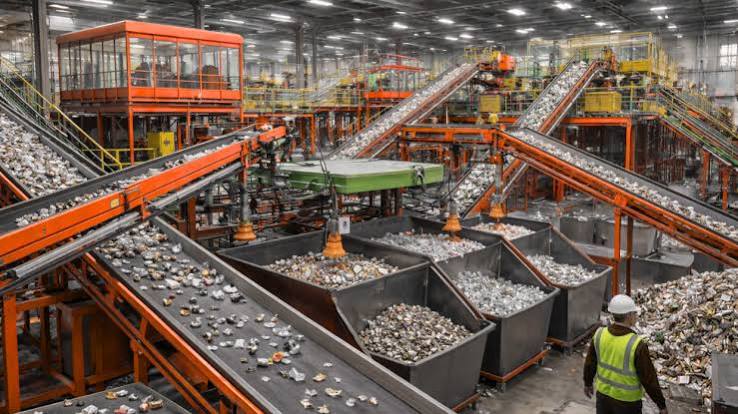
Circular Economy in Chemicals: Turning Industrial Waste into Valuable Resources
Industrial waste is increasingly becoming a source of valuable raw materials rather than simply a disposal challenge. Chemical manufacturers generate solvents, process residues, wastewater, off-specification products and other by-products that can often support new production processes when companies apply suitable recovery technologies.
The circular economy in chemicals focuses on keeping materials in productive use for longer, reducing dependence on virgin resources and recovering value from industrial waste. This approach is changing manufacturing strategies, procurement decisions and international chemical supply chains. For chemical traders and industrial buyers, it also creates opportunities to source alternative feedstocks and participate in emerging resource recovery markets.
1. Understanding the Circular Economy in the Chemical Industry
Traditional chemical manufacturing largely follows a linear model. Companies extract raw materials, convert them into finished products and dispose of remaining waste after production or consumption.
A circular economy replaces this approach with a system that prioritises resource efficiency, reuse, recycling and recovery. Instead of treating every production residue as an unwanted material, manufacturers assess whether it can serve as an input for another process.
The approach covers several stages of the chemical value chain:
Waste prevention: Manufacturers improve production efficiency to reduce unnecessary material consumption and minimise waste generation.
Material reuse: Suitable solvents, process water and other materials return to production without requiring complete reprocessing.
Chemical recycling: Chemical processes convert waste materials into useful feedstocks, intermediates or other chemical products.
Resource recovery: Companies extract valuable substances from industrial residues, wastewater and spent materials.
Product redesign: Manufacturers develop products and processes that support easier recycling, recovery and reuse.
The objective is not simply to increase recycling volumes. It is to retain the highest possible value of materials while managing environmental and operational risks throughout their lifecycle.
WBCSD+1
2. Industrial Waste Streams That Can Become Valuable Resources
Chemical plants generate different waste streams depending on their production processes, raw materials and product specifications. Some materials require specialised treatment before reuse, while others offer opportunities for direct recovery.
Several industrial waste categories have potential commercial value.
Spent solvents and chemical residues
Solvents used in pharmaceuticals, coatings, adhesives and chemical manufacturing can sometimes undergo distillation and purification. Recovery allows manufacturers to reuse suitable solvents and reduce purchases of virgin materials.
The recovered material must meet the purity requirements of its intended application. Contamination, changes in chemical composition and separation costs determine whether recovery makes commercial sense.
Wastewater and dissolved chemicals
Industrial wastewater can contain dissolved salts, metals, organic compounds and residual process chemicals. Treatment technologies such as membrane filtration, ion exchange and evaporation can recover water or selected materials for further use.
Recovered water can support suitable industrial operations, while extracted substances may enter other manufacturing processes after appropriate quality assessment.
Plastic and polymer waste
Manufacturers and downstream processors generate plastic scrap, rejected polymer batches and post-consumer waste. Mechanical recycling can process suitable materials, while chemical recycling offers additional pathways for selected mixed or contaminated plastic streams.
Metal-bearing industrial residues
Some chemical manufacturing processes produce residues containing recoverable metals. Depending on their composition, these materials may undergo specialised extraction and purification to recover substances such as nickel, copper or other commercially useful metals.
Agricultural and organic industrial residues
Food processing, pulp and paper manufacturing and agricultural supply chains generate organic waste that can support the production of bio-based chemicals, organic acids and other industrial inputs.
Identifying the chemical composition and recovery potential of each waste stream is the first step towards developing a commercially viable circular process.
3. Technologies Transforming Industrial Waste into Chemical Feedstocks
The commercial success of circular manufacturing depends on technologies that can recover materials without compromising product quality, process safety or economic performance.
Chemical manufacturers increasingly evaluate several recovery methods according to the type of waste, its composition and the intended application.
Distillation and solvent recovery
Distillation separates components based on differences in volatility. Chemical plants use this technology to recover suitable solvents from spent mixtures and return purified material to manufacturing operations.
This process can reduce fresh solvent requirements and lower the volume of material requiring disposal.
Pyrolysis and gasification
Pyrolysis uses heat in an oxygen-limited environment to break down selected waste materials into products such as oils, gases and solid residues. Depending on the feedstock and process design, recovered outputs can support further chemical production.
Gasification converts carbon-containing materials into synthesis gas, primarily consisting of carbon monoxide and hydrogen. Chemical manufacturers can use suitable synthesis gas as a feedstock for producing chemicals and fuels.
Depolymerisation and solvolysis
Some polymers can undergo chemical breakdown into monomers or smaller molecular components. Manufacturers can then use recovered building blocks to produce new materials.
Solvolysis applies solvents to break down selected polymers, including PET and polyurethane, into recoverable chemical components.
Fraunhofer ICT+1
Membrane separation and advanced filtration
Membrane technologies separate substances according to properties such as molecular size and permeability. Industrial applications include wastewater treatment, water reuse and the recovery of selected dissolved components.
Adsorption and material recovery
Activated carbon and other suitable adsorbents capture selected contaminants from liquid or gas streams. Depending on the application, companies can regenerate the adsorbent or recover the captured substances through additional treatment.
Each technology has different energy requirements, operating costs and recovery efficiencies. Manufacturers must select processes according to the actual characteristics of their waste streams rather than assuming one technology can handle every industrial residue.
4. Industrial Applications Creating New Resource Markets
Circular manufacturing is expanding opportunities across multiple chemical-consuming industries. Recovered materials can reduce the need for virgin feedstocks and create additional supply channels for industrial buyers.
Key applications include:
Petrochemicals and plastics: Recovered plastic feedstocks, recycled monomers and selected pyrolysis products can support the production of new polymers and chemical intermediates.
Pharmaceutical manufacturing: Solvent recovery can reduce fresh solvent consumption in suitable production processes, provided recovered materials meet strict quality and contamination controls.
Textiles and synthetic fibres: Recycling selected polyester materials can recover chemical building blocks for further polymer and fibre production.
Water treatment: Industrial water recovery reduces freshwater demand and can improve the utilisation of suitable process water.
Metal processing: Recovery of valuable metals from industrial residues can provide secondary raw materials for chemical and manufacturing applications.
Agriculture and fertiliser production: Suitable organic residues and recovered nutrients can support the development of alternative agricultural inputs.
The chemical industry also plays an important role in enabling circularity across other sectors. Recyclable polymers, improved separation technologies and chemicals designed for safer material recovery can support more efficient product lifecycles.
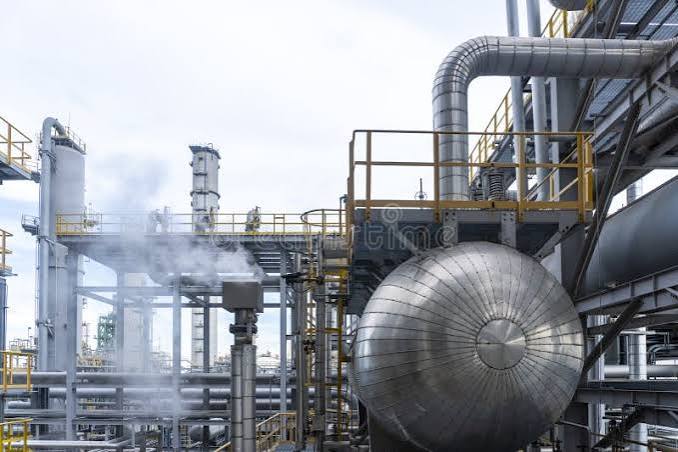
5. Industrial Symbiosis: Connecting Waste Producers with Raw Material Buyers
One of the most commercially interesting developments in the circular economy is industrial symbiosis. This model connects different industrial facilities so that the by-products, residual materials or unused resources of one operation become useful inputs for another.
For example, a chemical manufacturer may generate a suitable solvent residue that another facility can recover and reuse. Similarly, one industrial operation may produce recoverable heat, process water or mineral residues that support another company's production requirements.
Industrial symbiosis can create value through several business arrangements:
Direct by-product exchanges: A manufacturer supplies a suitable residual material to another industrial buyer.
Shared recovery facilities: Multiple companies use common infrastructure to process and recover industrial materials.
Industrial water networks: Facilities exchange or reuse treated wastewater for applications with compatible quality requirements.
Regional resource partnerships: Companies located within the same industrial zone coordinate material flows and recovery operations.
These arrangements require reliable information about material composition, availability, storage conditions and transportation requirements.
Chemical traders can also support this market by connecting waste generators, recovery companies and manufacturers that need alternative feedstocks. Their role may extend beyond conventional product distribution to include material identification, quality coordination and supply chain management.
6. Economic Benefits and Commercial Opportunities for Chemical Buyers
Circular economy initiatives can influence the cost structure of chemical manufacturing and create new opportunities for procurement teams.
The financial benefits depend on the value of recovered materials, processing costs, transportation requirements and the availability of suitable buyers.
Reduced dependence on virgin raw materials
Recovering useful chemicals and intermediates can reduce purchases of newly produced feedstocks. This becomes particularly valuable when manufacturers face high raw material costs or disruptions in conventional supply channels.
Lower waste management expenses
Companies can reduce disposal volumes when they successfully reuse or recover suitable production residues. However, recovery only creates a financial advantage when treatment and processing costs remain commercially reasonable.
Additional revenue from industrial by-products
Materials that previously required disposal may generate revenue when another manufacturer can use them as an industrial input. This creates opportunities for waste producers to develop new commercial relationships.
More diversified sourcing options
Buyers can evaluate recovered and recycled materials alongside conventional products. This can improve sourcing flexibility, particularly for materials with established secondary markets.
Investment in new processing capabilities
The growing demand for resource recovery creates opportunities for companies offering separation equipment, filtration systems, chemical recycling technologies and specialised waste treatment services.
For procurement professionals, the main consideration is the total cost of obtaining a usable material. A lower purchase price does not necessarily create savings if the product requires extensive purification, additional testing or specialised transportation.
7. Quality Control, Regulations and Supply Chain Challenges
Despite its commercial potential, the circular economy in chemicals faces technical and operational challenges. Recovered materials do not automatically meet the specifications required for new manufacturing applications.
Material consistency and purity
Industrial waste streams can vary in composition depending on production conditions, contamination levels and storage practices. Buyers need consistent specifications and appropriate testing before accepting recovered materials.
Important quality considerations include:
Chemical identity and composition.
Purity and concentration levels.
Moisture content and physical properties.
Residual contaminants and unwanted substances.
Batch traceability and documented testing results.
Chemical safety and regulatory compliance
Recovered materials must comply with applicable chemical safety, environmental and product regulations. Companies need to assess whether a material can legally enter a particular supply chain and whether additional treatment or documentation is necessary.
The Global Framework on Chemicals, adopted in September 2023, provides an international framework for improving the sound management of chemicals and waste throughout their lifecycles.
UNEP - UN Environment Programme
Collection and transportation infrastructure
Industrial waste generators and potential recovery facilities may operate in different locations. Transporting low-value or difficult-to-handle materials can increase costs and reduce the commercial attractiveness of recovery.
Technology and investment requirements
Specialised separation, purification and recycling systems require capital investment, technical expertise and ongoing maintenance. Smaller manufacturers may face difficulties financing these facilities independently.
Environmental performance
Recovery processes must also consider energy consumption, emissions, water usage and residual waste generation. A recycling process does not automatically deliver better environmental performance if its treatment requirements create substantial additional impacts.
These challenges make supplier qualification and technical evaluation essential when purchasing recovered chemical materials.
8. How Chemical Traders and Procurement Teams Can Participate
The transition towards circular chemical manufacturing is creating new responsibilities and opportunities for procurement managers, distributors, importers and exporters.
Buyers need to evaluate recovered materials with the same commercial discipline they apply to conventional chemical products. This includes assessing supplier capabilities, technical specifications, delivery reliability and long-term availability.
Procurement teams can take several practical steps:
1. Identify suitable secondary materials: Review current purchasing requirements and determine whether recovered solvents, recycled polymers or alternative feedstocks can meet production specifications.
2. Qualify recovery suppliers: Evaluate suppliers based on their processing capabilities, quality management systems, production capacity and regulatory compliance.
3. Request technical documentation: Obtain Safety Data Sheets (SDS), Certificates of Analysis (COA), batch information and relevant testing reports before approving materials.
4. Compare total sourcing costs: Consider processing requirements, transportation, storage, quality testing and potential production adjustments alongside the purchase price.
5. Develop long-term supplier relationships: Establish reliable supply agreements with qualified recovery companies to improve material availability and purchasing consistency.
6. Monitor market developments: Track recycling technologies, regulatory changes and new secondary feedstock markets that could affect future procurement strategies.
Chemical traders can contribute by connecting industrial waste recovery businesses with manufacturers seeking alternative raw materials. They can also help buyers understand material specifications, coordinate documentation and identify suitable international supply partners.
9. The Future of Circular Chemical Manufacturing
The circular economy is expected to become an increasingly important part of chemical industry investment and manufacturing strategies. Growing interest in resource security, waste reduction and alternative feedstocks is encouraging companies to explore new recovery technologies and business models.
Several developments will influence the industry's direction:
Advanced chemical recycling: Improvements in depolymerisation, pyrolysis and separation technologies could expand the range of industrial materials suitable for recovery.
Digital material tracking: Digital platforms and improved supply chain data can help manufacturers monitor material composition, origin and movement between facilities.
Bio-based feedstocks: Agricultural residues, organic waste and other renewable resources can provide alternative inputs for selected chemical production processes.
Industrial collaboration: Shared infrastructure and stronger partnerships between manufacturers could improve the commercial viability of resource recovery.
Circular product design: Manufacturers may increasingly consider recyclability, material recovery and chemical safety when developing new products.
Measuring circularity will also become important. Companies need clear indicators to assess material inputs, recycled content, waste recovery and the overall efficiency of their operations.
The World Business Council for Sustainable Development (WBCSD) has developed guidance for applying Circular Transition Indicators to the chemical industry, supporting more consistent measurement of material circularity and business performance.
For chemical suppliers and international buyers, these developments could create new sourcing categories and commercial relationships. Companies that understand recovered material markets and establish reliable supplier networks will be better positioned to respond to changing industrial requirements.
What Procurement Teams Should Do Now
The circular economy in chemicals is changing how industrial businesses evaluate raw materials, production waste and supply chain efficiency. Turning industrial waste into valuable resources offers manufacturers an opportunity to reduce material losses, recover useful chemicals and develop additional sources of industrial feedstocks.
However, successful implementation requires more than adopting recycling technology. Companies must establish reliable recovery processes, maintain consistent product specifications and ensure that recovered materials meet relevant safety and regulatory requirements.
For chemical traders, importers and exporters, the transition creates opportunities to connect material recovery facilities with industrial buyers. Procurement teams should begin evaluating secondary raw materials, qualifying specialised suppliers and comparing recovered products with conventional sourcing options.
Businesses that integrate resource recovery into their procurement and manufacturing strategies can strengthen supply chain resilience while supporting more efficient industrial production.
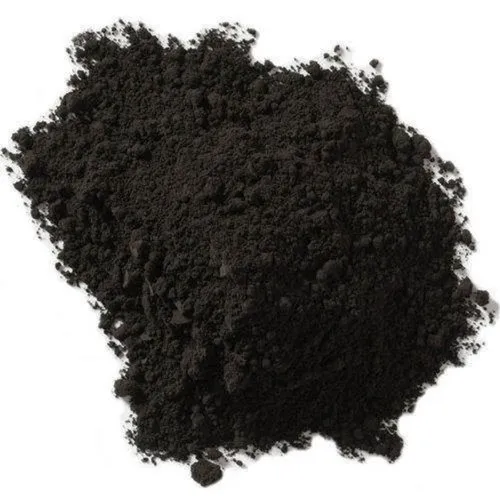
Activated Carbon (Granular) - India
Found this useful?