Saudi Arabia Petrochemical Industry: Production Expansion and Export Opportunities in 2026
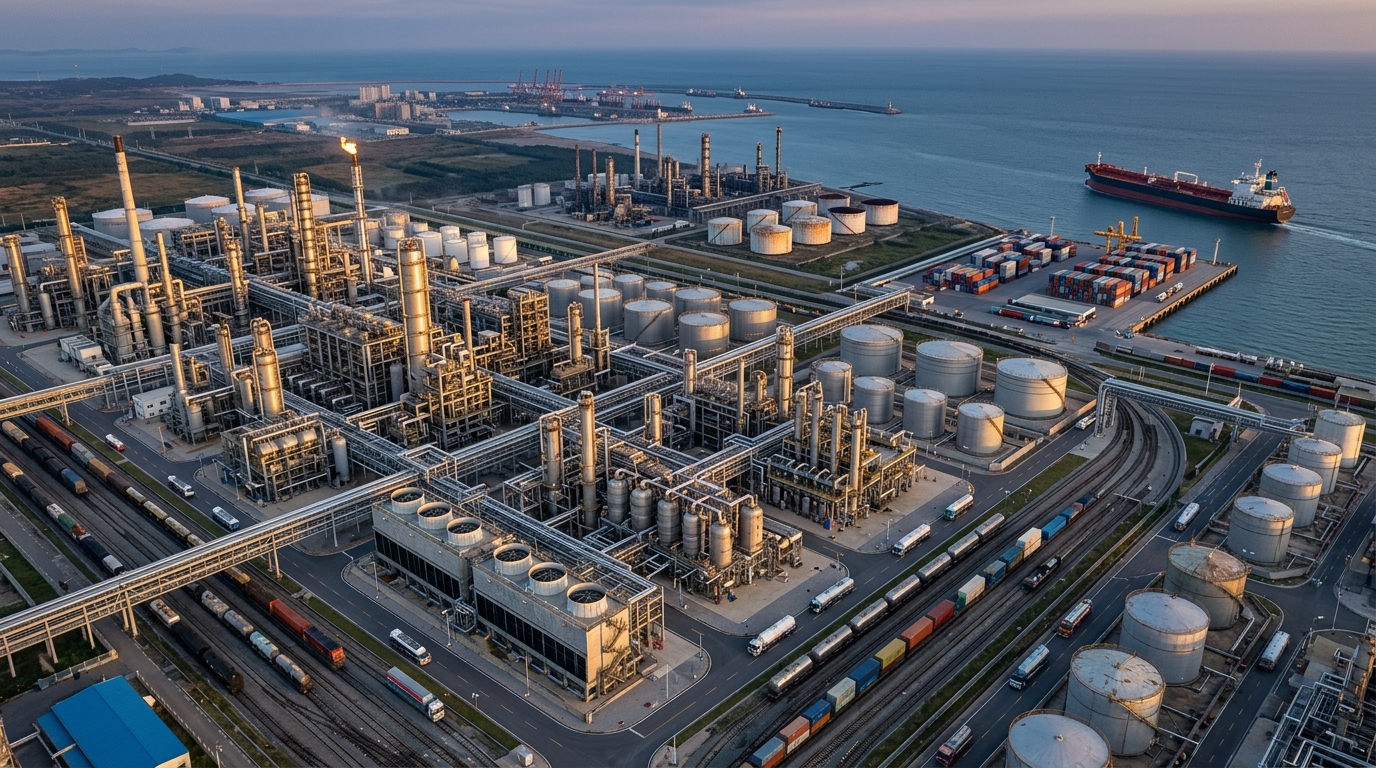
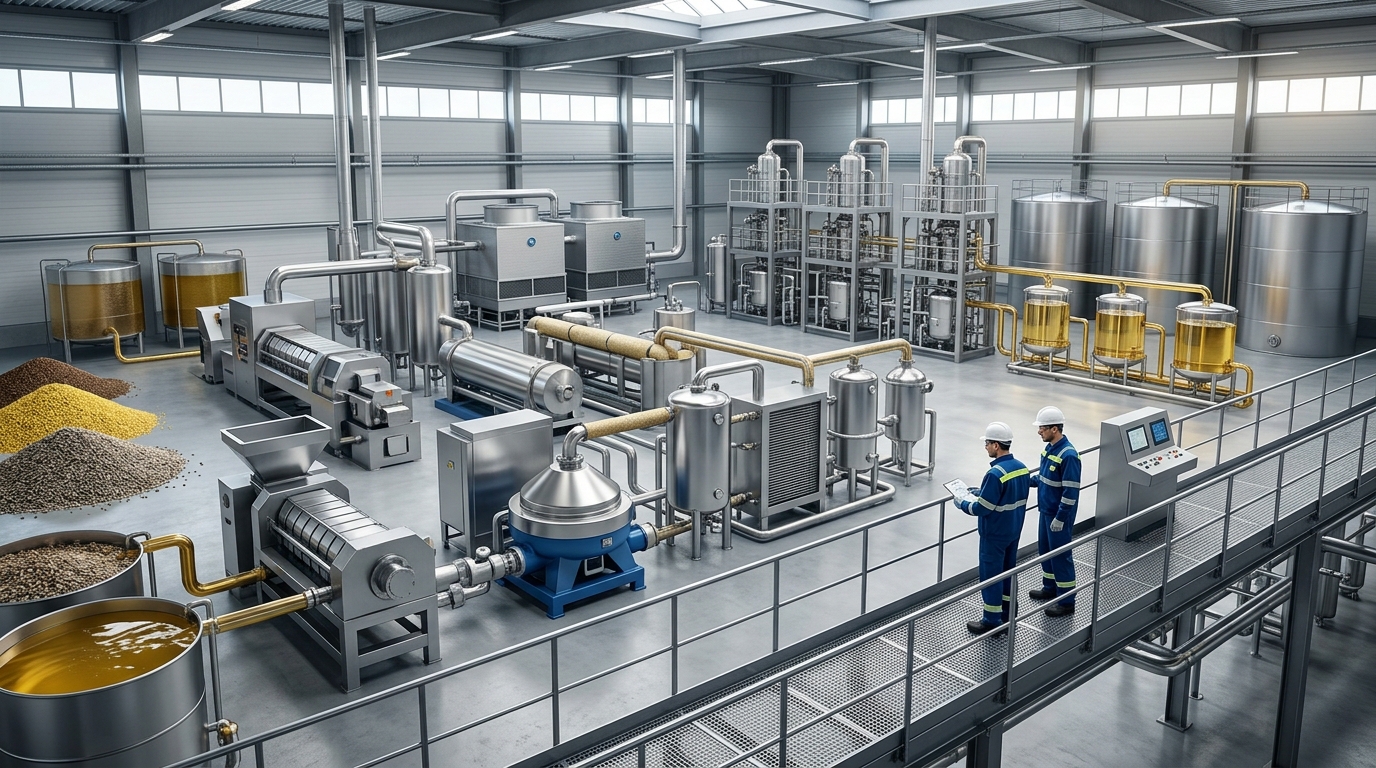
Saudi Arabia's net chemicals production capacity reached 59.3 million tonnes per year in 2025, reflecting the Kingdom's expanding role in international chemical manufacturing. The country continues to strengthen its petrochemical industry through large-scale investments, refinery integration and projects designed to increase the production of higher-value chemical materials.
The Saudi petrochemical industry represents an important part of the country's economic diversification strategy under Vision 2030. Major producers are developing new facilities, expanding existing complexes and building partnerships with international companies to serve growing demand across Asia, Europe and other global markets.
For chemical traders, procurement managers and international buyers, these developments create opportunities to establish supplier relationships, secure industrial feedstocks and participate in changing global trade flows.
Saudi Arabia's Petrochemical Industry and Its Economic Importance
Petrochemicals form a central part of Saudi Arabia's industrial economy. The sector converts crude oil and natural gas into essential chemical building blocks used in plastics, packaging, textiles, automotive components, construction materials and numerous manufacturing applications.
The Kingdom has developed a strong production ecosystem supported by hydrocarbon availability, established industrial infrastructure and large-scale manufacturing facilities. Industrial cities such as Jubail and Yanbu provide manufacturers with access to processing facilities, utilities, transportation networks and export infrastructure.
Several factors support Saudi Arabia's competitive position:
Feedstock availability: Domestic oil and gas resources provide an important foundation for petrochemical manufacturing.
Industrial infrastructure: Established chemical complexes support integrated production and large-volume manufacturing.
Strategic geography: Saudi Arabia connects major trading markets across Asia, Europe and Africa.
International partnerships: Joint ventures provide access to advanced technologies, technical expertise and international distribution networks.
Government support: Vision 2030 encourages industrial diversification, manufacturing development and stronger non-oil exports.
The National Industrial Development and Logistics Program also supports the development of manufacturing, transportation and industrial supply chains. Chemical industry exports reached SAR 80.3 billion in 2025, highlighting the sector's importance to Saudi Arabia's non-oil trade performance.
Major Production Expansion Projects Reshaping the Market
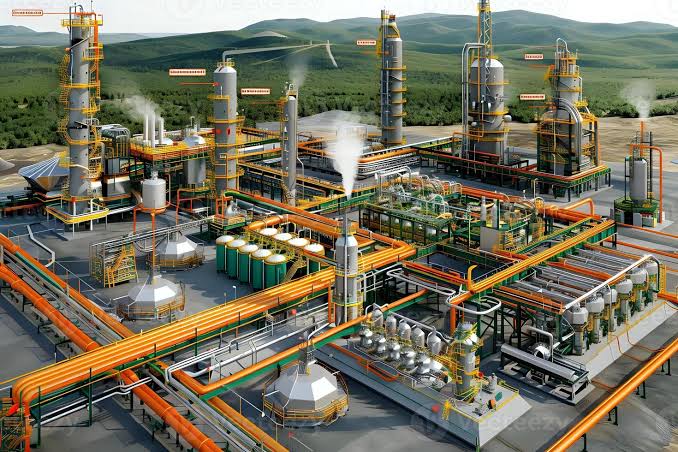
Saudi Arabia's petrochemical expansion strategy increasingly focuses on integrated production facilities that connect refining operations with downstream chemical manufacturing. These projects allow producers to convert more hydrocarbon resources into commercially valuable chemical products rather than concentrating exclusively on conventional fuel production.
Several developments demonstrate the scale of this investment activity.
1. Yasref petrochemical expansion
Saudi Aramco, Sinopec and Yanbu Aramco Sinopec Refining Company signed a venture framework agreement in April 2025 to advance a major petrochemical expansion at the Yasref complex in Yanbu.
The proposed development includes:
A mixed-feed steam cracker with an annual capacity of 1.8 million tonnes.
An aromatics complex with an annual capacity of 1.5 million tonnes.
Associated downstream chemical derivatives.
Integration with existing refining operations.
The project aims to strengthen the connection between refining and petrochemical manufacturing while expanding the range of products available to domestic and international customers.
2. SATORP integrated petrochemical complex
The expansion of Saudi Aramco Total Refining and Petrochemical Company (SATORP) represents another significant development in the Kingdom's downstream industry.
The planned complex includes a mixed-feed steam cracker designed to produce approximately 1.65 million tonnes of ethylene annually, alongside other industrial gases. The wider investment programme carries an estimated value of $11 billion, with commercial operations targeted for the third quarter of 2027.
Its expected output will support industries such as automotive manufacturing, detergents, lubricants, drilling fluids and specialty materials.
3. Samref refinery transformation
In December 2025, Saudi Aramco, ExxonMobil and Samref signed a framework agreement to evaluate a major refinery upgrade and the development of an integrated petrochemical complex in Yanbu.
The proposed development focuses on higher-value chemical production, improved refinery efficiency and opportunities to reduce operational emissions.
Together, these projects demonstrate how Saudi Arabia is building additional capacity across different stages of the petrochemical value chain.
Export Opportunities Across International Chemical Markets
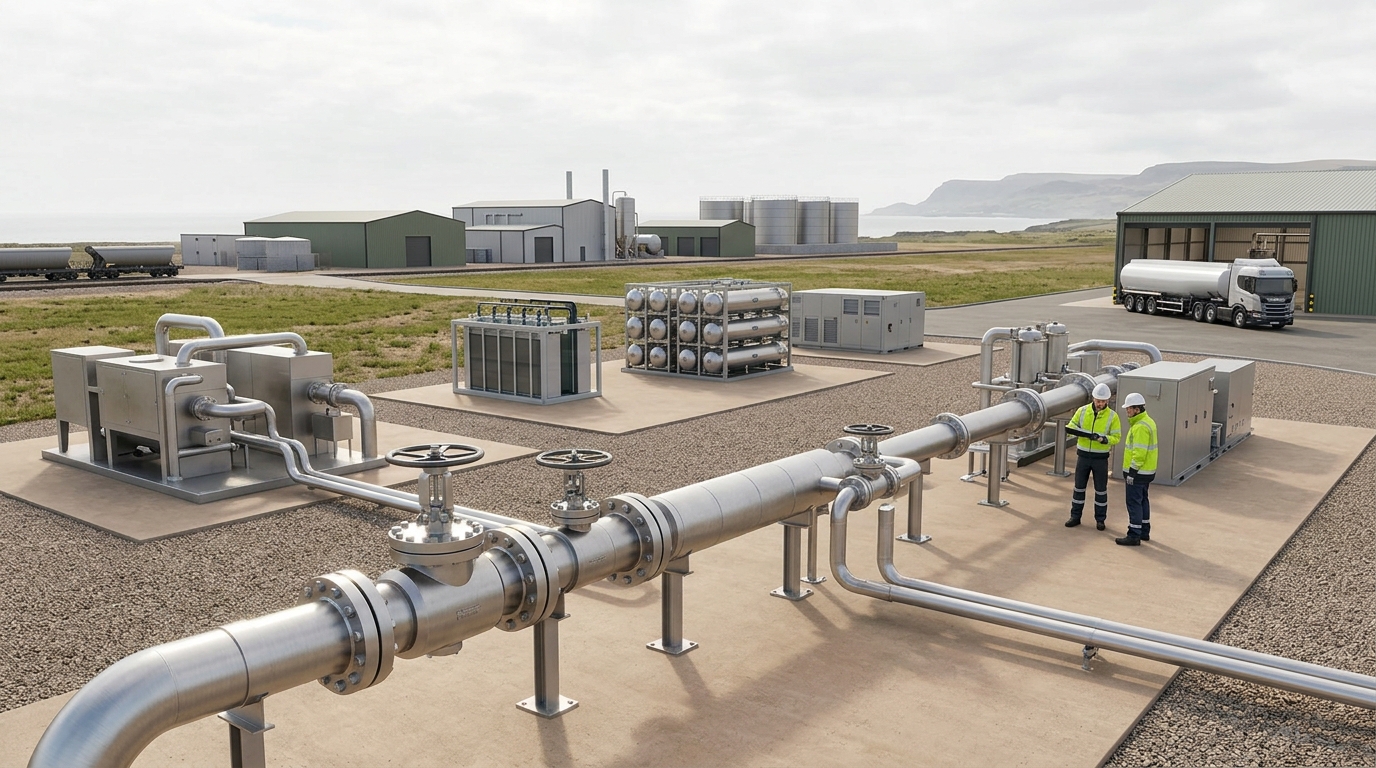
Saudi Arabia's expanding production base creates opportunities to strengthen its position in international petrochemical trade. Manufacturers can serve global buyers through established export infrastructure, large-scale production facilities and commercial relationships with distributors and industrial consumers.
The Kingdom's location provides convenient access to several important chemical-consuming regions.
Asia-Pacific
Asian markets represent an important destination for Saudi petrochemical exports. China, India, South Korea and Southeast Asian economies have substantial manufacturing industries that require plastics, synthetic materials, chemical intermediates and industrial feedstocks.
Growing demand from packaging, construction, automotive and consumer goods manufacturers creates opportunities for Saudi suppliers to develop long-term export relationships.
Europe
European buyers require petrochemical materials for automotive components, industrial manufacturing, construction products and packaging applications. Saudi producers can serve these markets through established maritime trade routes and international distribution partnerships.
However, buyers increasingly consider product specifications, carbon reporting, regulatory compliance and supply-chain transparency when evaluating suppliers.
Africa and the Middle East
Expanding industrial development across Africa and neighbouring Middle Eastern economies creates additional demand for polymers, chemical intermediates and manufacturing inputs.
Saudi suppliers can benefit from regional trade relationships and geographical proximity to several developing industrial markets.
For international traders, these markets offer opportunities to connect manufacturers with buyers who require reliable volumes, consistent specifications and competitive commercial terms.
Key Petrochemical Products Driving International Demand
Saudi Arabia's petrochemical industry supplies a wide range of materials that support manufacturing across multiple sectors. Demand varies according to industrial activity, regional economic conditions and the availability of competing products.
Some important product categories include:
Ethylene: A fundamental petrochemical feedstock used to manufacture polyethylene, ethylene oxide and other industrial derivatives.
Propylene: An important building block for polypropylene, acrylonitrile and several chemical intermediates.
Monoethylene Glycol (MEG): Widely used in polyester fibre production, PET manufacturing and industrial antifreeze formulations.
Styrene: A key raw material for polystyrene, ABS and other synthetic materials.
Aromatics: Benzene, toluene and xylene support the production of solvents, polymers and specialty chemical intermediates.
Polyethylene: Used extensively in flexible packaging, agricultural films, containers and industrial applications.
These products connect Saudi Arabia's petrochemical manufacturing base with international industries that depend on consistent access to chemical raw materials.
As production facilities expand, downstream derivatives also become increasingly important. Manufacturers can capture additional value by supplying processed materials rather than relying exclusively on basic petrochemical products.
What Is Driving Investment in Saudi Downstream Manufacturing?
Saudi Arabia's industrial strategy places considerable emphasis on increasing the economic value generated from its natural resources. Instead of depending primarily on exporting conventional hydrocarbon products, the Kingdom aims to develop a more diversified manufacturing base.
Several investment priorities influence this direction.
Greater refining and chemical integration: Integrated facilities allow manufacturers to use existing refining infrastructure while improving the conversion of hydrocarbon feedstocks into higher-value chemicals.
Technology development: Advanced processing technologies can improve production efficiency, product quality and resource utilization. Research into crude-to-chemicals conversion also supports the development of new production pathways.
International partnerships: Cooperation between Saudi companies and global manufacturers introduces technical capabilities, operational expertise and access to established customer networks.
Specialty chemical development: Increasing downstream production creates opportunities in engineering plastics, advanced materials, industrial additives and other higher-value chemical categories.
SABIC's strategy reflects these priorities through portfolio optimization, operational transformation and selective investments in attractive growth markets. The company also aims to strengthen collaboration with Saudi Aramco across manufacturing, technology and infrastructure.
Market Conditions and Challenges Facing Petrochemical Producers
Despite production expansion, Saudi manufacturers operate in a global petrochemical market influenced by changing demand patterns, international competition and fluctuating feedstock costs.
One important challenge involves global capacity additions. New manufacturing facilities in different regions can increase the availability of petrochemical products and place pressure on selling prices and profit margins.
China's growing domestic petrochemical production also affects international trade flows. As Chinese manufacturers increase their self-sufficiency in several chemical categories, traditional exporters may need to explore alternative markets or adjust their product portfolios.
Other challenges include:
Feedstock price movements: Changes in crude oil and natural gas markets influence production economics and regional competitiveness.
Demand uncertainty: Slowdowns in construction, automotive production and consumer goods manufacturing can reduce chemical consumption.
Logistics costs: Freight rates, shipping availability and port congestion affect delivered prices and shipment schedules.
Regulatory requirements: Environmental standards, product registration and chemical safety regulations influence access to international markets.
Margin pressure: Oversupply and competition can limit the profitability of additional production capacity.
These conditions also explain why major producers increasingly emphasize capital discipline and selective investment rather than pursuing capacity expansion without considering market returns.
Sustainability and the Future of Saudi Petrochemical Production
Environmental performance is becoming an important consideration in international chemical manufacturing and procurement. Buyers increasingly evaluate production efficiency, emissions management and the environmental characteristics of materials when selecting suppliers.
Saudi Arabia's petrochemical industry is responding through investments in technology, operational improvements and initiatives that support more efficient resource utilization.
Crude-to-chemicals technology is one area receiving attention. By increasing the proportion of hydrocarbon resources converted into chemical products, this approach aims to improve the economic value generated from each barrel of crude oil.
Circularity also represents an important development area. Chemical recycling, advanced polymer processing and improved material recovery can help manufacturers address waste management challenges while supporting demand for recycled feedstocks.
For exporters, sustainability performance can influence commercial opportunities in markets with increasingly demanding environmental requirements.
Producers that invest in energy efficiency, emissions management and product innovation can strengthen their position with buyers seeking more transparent and responsible supply chains.
What the 2027 Petrochemical Market Outlook Means for Buyers
The next phase of Saudi Arabia's petrochemical development will depend on the successful execution of major projects, international demand conditions and manufacturers' ability to maintain competitive production economics.
Several developments deserve attention as the market moves towards 2027.
First, projects at Yasref, SATORP and Samref will influence the Kingdom's downstream production landscape as they progress through their respective development and construction stages.
Second, the expansion of integrated facilities could increase the availability of important petrochemical feedstocks and derivatives over time. This may create new sourcing opportunities for international manufacturers and distributors.
Third, changing global trade patterns will encourage Saudi producers to strengthen relationships with customers across Asia, Europe and emerging markets.
For procurement managers and chemical traders, monitoring these developments can help identify suitable purchasing opportunities before new capacity enters commercial operation.
What International Buyers Should Do Now
Saudi Arabia's petrochemical expansion creates opportunities, but buyers need a structured sourcing approach to benefit from changing production and export conditions.
Procurement teams should focus on several practical priorities:
1. Monitor production developments: Follow major expansion projects and assess how new capacity could influence the availability of specific chemical products.
2. Diversify supplier relationships: Maintain connections with multiple qualified manufacturers and distributors to reduce dependence on individual supply channels.
3. Evaluate landed costs: Compare product prices alongside freight, insurance, customs duties, handling charges and other import expenses.
4. Verify technical specifications: Review grades, purity levels, certificates of analysis and application requirements before confirming purchases.
5. Track regional market conditions: Monitor feedstock movements, international demand and competing export offers to identify suitable procurement windows.
6. Build long-term partnerships: Establish relationships with suppliers that offer consistent quality, dependable communication and transparent commercial terms.
Saudi Arabia's petrochemical industry is evolving from a major hydrocarbon-based manufacturing sector into a broader industrial ecosystem with increasing emphasis on downstream production, international partnerships and higher-value exports.
For global chemical buyers, the changing landscape offers opportunities to diversify sourcing networks and access a wider range of industrial materials. Businesses that combine supplier verification with market intelligence and careful procurement planning will be better positioned to participate in these developing trade opportunities.
Ready to source Monoethylene Glycol from verified global suppliers? Explore competitive offers on our platform today.
Sources:
1. Saudi Aramco Annual Report 2025
2. Saudi Aramco and Sinopec Announce Yasref Petrochemical Expansion
Monoethylene glycol
Found this useful?