United States Chemical Industry Outlook: How Shale Gas Strengthens Global Competitiveness
The United States chemical industry enters 2026 with an important structural advantage: access to abundant domestic shale gas and natural gas liquids (NGLs). This resource base gives American manufacturers a competitive position in petrochemicals, plastics and several energy-intensive chemical segments, particularly when international energy markets experience disruption.
However, low-cost feedstocks alone do not guarantee long-term market leadership. Global oversupply, changing trade policies, uneven industrial demand and investment uncertainty continue to influence production decisions. For international chemical traders, importers and procurement managers, understanding how these factors interact is essential when evaluating American suppliers and future sourcing opportunities.
Shale Gas Gives American Chemical Manufacturers a Cost Advantage
The shale gas boom has fundamentally changed the economics of chemical manufacturing in the United States. Hydraulic fracturing and horizontal drilling have expanded domestic natural gas production, creating a substantial supply of methane and natural gas liquids for industrial use.
Natural gas serves two important purposes in chemical manufacturing. Producers use it as an energy source for industrial processes and as a feedstock for manufacturing chemicals such as ammonia, methanol, hydrogen and other essential intermediates.
Natural gas liquids provide another important advantage. Ethane, in particular, supports the production of ethylene, a fundamental building block for plastics, packaging materials and numerous downstream chemical products.
American manufacturers benefit from several advantages:
Lower feedstock costs: Domestic ethane availability helps reduce the cost of producing ethylene compared with regions that depend more heavily on petroleum-based naphtha.
Energy security: Local gas production reduces dependence on imported energy and provides greater protection against certain international supply disruptions.
Industrial integration: Established pipelines, processing facilities and petrochemical complexes connect raw material suppliers with downstream manufacturers.
Investment opportunities: Reliable feedstock availability encourages companies to expand existing facilities and consider new petrochemical projects.
These advantages have helped American producers strengthen their position against competitors in Europe and parts of Asia, where higher energy and feedstock costs can place additional pressure on manufacturing margins.
Production Economics and the Growing Role of Petrochemicals
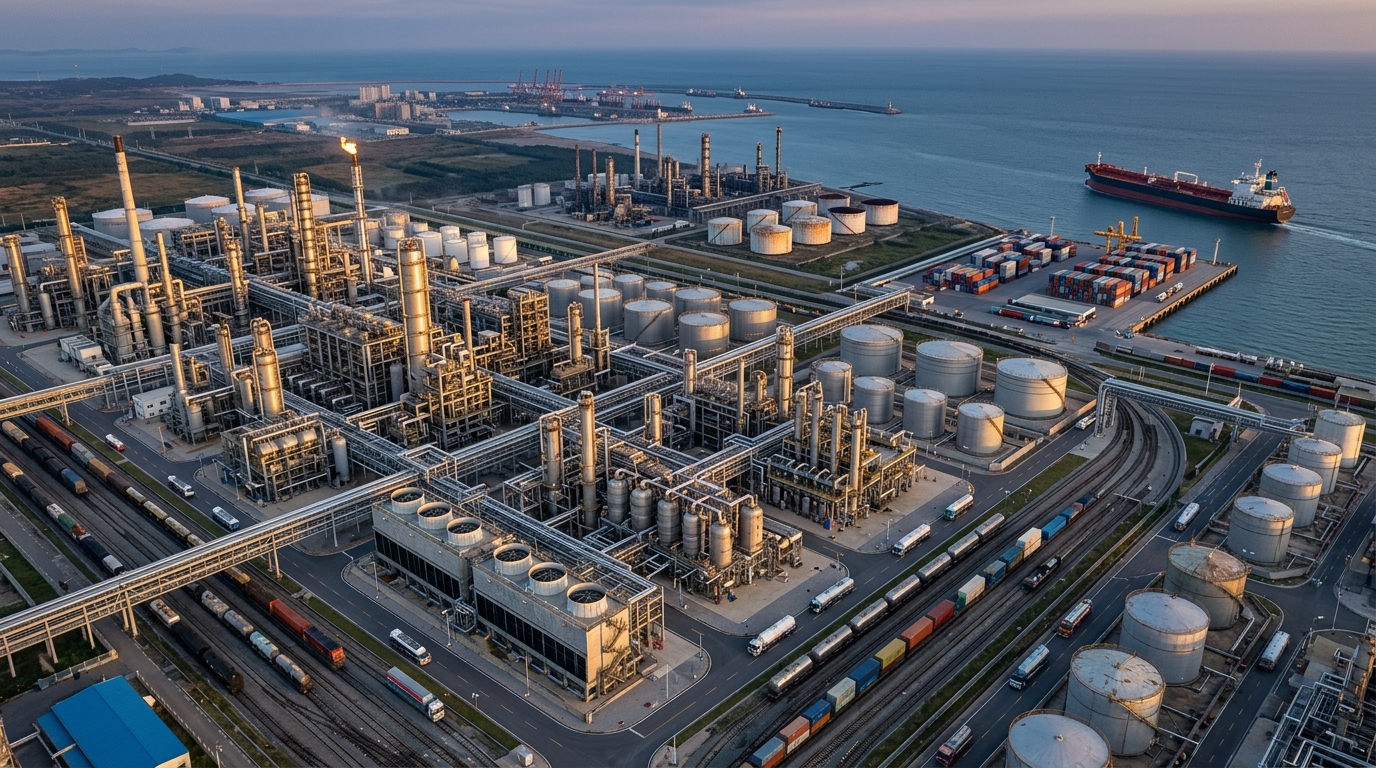
The United States has developed a highly integrated petrochemical manufacturing system around its natural gas resources. The Gulf Coast, particularly Texas and Louisiana, hosts major concentrations of refineries, ethane crackers, chemical plants, storage facilities and export terminals.
Ethane cracking represents one of the most important elements of this industrial structure. Manufacturers process ethane at high temperatures to produce ethylene, which downstream facilities convert into polyethylene and other chemical intermediates.
This production model supports several important product categories:
Ethylene and polyethylene: These materials serve packaging, construction, automotive, consumer goods and agricultural applications.
Propylene derivatives: Manufacturers use propylene to produce polypropylene, acrylonitrile and other industrial chemicals.
Methanol: This chemical supports formaldehyde production, solvents, fuels and various chemical intermediates.
Ammonia: Natural gas provides hydrogen for ammonia manufacturing, making domestic gas availability important for nitrogen fertilizers.
Hydrogen: Chemical manufacturers use natural gas-based processes to produce hydrogen for refining and industrial applications.
The economic advantage extends beyond individual chemical products. Large manufacturing complexes allow producers to share utilities, transportation infrastructure and storage facilities, helping reduce operating expenses across multiple production units.
Nevertheless, competitive feedstock pricing does not eliminate every production challenge. Plant maintenance, electricity costs, logistics, labor availability and equipment investment all influence the final cost of manufactured chemicals.
Global Competitiveness and the US Chemical Export Market
The American chemical industry plays an important role in international trade, supplying industrial customers across numerous regions. Its export strength comes from a combination of manufacturing capacity, established logistics networks and competitive access to petrochemical feedstocks.
According to the American Chemistry Council, the United States exported approximately $161 billion in chemical products, representing around 9% of total American goods exports. The industry has also maintained a positive chemical trade balance over an extended period.
Major export opportunities exist in:
Plastic resins used by packaging and manufacturing companies.
Industrial chemicals and petrochemical intermediates.
Fertilizer-related chemicals serving agricultural markets.
Specialty materials used in automotive, electronics and construction applications.
Chemical ingredients supporting pharmaceutical and consumer product manufacturing.
International buyers benefit from access to American production capacity, particularly when domestic manufacturing costs remain competitive with alternative supply regions.
However, export performance also depends on global demand, freight rates, currency movements and trade policies. A producer may have a strong cost advantage at the factory level but still face challenges when transporting products to distant markets.
The American Chemistry Council's June 2026 outlook also highlights the importance of international trade disruptions. It reported that US chemical exports declined by 3.4% in 2025, while projecting a 4.0% increase in 2026 as disruptions affecting other producing regions create additional opportunities for American suppliers.

Geographic concentration gives American chemical manufacturers another important advantage. The Gulf Coast connects feedstock production with processing facilities, domestic distribution networks and international shipping infrastructure.
Texas remains a particularly important center for petrochemical production because of its proximity to natural gas resources, established industrial clusters and access to major ports. Louisiana also supports substantial chemical manufacturing capacity through its industrial corridors and connections to the Mississippi River.
These regions provide several benefits to international buyers:
Port connectivity: Gulf Coast terminals support bulk chemical exports and shipments to international destinations.
Pipeline infrastructure: Extensive networks transport natural gas and NGLs between production areas, processing facilities and manufacturing sites.
Storage capacity: Industrial storage facilities help producers manage inventory and coordinate deliveries.
Supplier concentration: Industrial clusters allow buyers to access multiple manufacturers and distributors within established chemical production regions.
This infrastructure creates opportunities for international procurement teams seeking dependable supply arrangements. It also helps manufacturers respond more efficiently to changes in customer demand and export requirements.
Market Pressures Affecting American Chemical Producers in 2026
Despite its structural advantages, the United States chemical industry faces several challenges that could influence its performance throughout 2026.
Atradius forecasts a 0.7% contraction in US chemical production during 2026, following 1.2% growth in 2025. Its analysis highlights the difference between broader economic expansion and demand from industries that consume large volumes of chemicals.
Atradius
Several factors contribute to this challenging environment.
1. Global production overcapacity
Additional manufacturing capacity in major chemical-producing countries has increased competition in commodity chemicals. When supply grows faster than demand, producers face pressure on selling prices, plant utilization and profit margins.
2. Uneven industrial demand
Automotive, construction and other manufacturing sectors remain important customers for chemical producers. Slower activity in these industries can reduce demand for polymers, coatings, adhesives and industrial intermediates.
3. Trade policy uncertainty
Tariffs and changing international trade arrangements influence sourcing costs and export competitiveness. Manufacturers must consider both direct chemical trade restrictions and the indirect effects of policies affecting their industrial customers.
4. Capital investment constraints
Large chemical projects require substantial funding and long development periods. Higher borrowing costs, uncertain demand and unpredictable policy conditions can encourage companies to postpone expansion plans.
5. International competition
China, the Middle East and other manufacturing regions continue to compete in global chemical markets. Their production capacity, infrastructure investments and export strategies can influence international prices even when American manufacturers retain a feedstock advantage.
For buyers, these conditions create a market where competitive quotations and supplier flexibility become increasingly important.
Investment Opportunities and Demand from Emerging Industries
The long-term outlook for American chemical manufacturing extends beyond traditional petrochemicals. New manufacturing investments and technological developments are creating demand for advanced materials, industrial intermediates and specialty chemicals.
Semiconductor production, lithium-ion battery manufacturing, renewable energy equipment and advanced electronics all depend on chemical inputs at different stages of production.
These developments create opportunities in several areas:
Electronics manufacturing: Semiconductor fabrication requires high-purity chemicals, specialty gases and advanced processing materials.
Battery production: Lithium-ion battery supply chains require solvents, chemical salts, binders and specialized materials.
Renewable energy: Solar panels, energy storage systems and related infrastructure use polymers, coatings and industrial chemicals.
Construction: Infrastructure development supports demand for insulation materials, adhesives, coatings and plastic components.
Agriculture: Fertilizer production and agricultural chemical manufacturing continue to depend on reliable supplies of ammonia and other chemical inputs.
The American Chemistry Council expects US chemical production volumes to improve by 1.5% in 2027, with specialty chemical output forecast to increase by 2.7%. These projections indicate potential opportunities as demand from chemicals-intensive industries strengthens.
American Chemistry Council
However, manufacturers must align new investments with actual customer demand. Expanding capacity without securing reliable offtake agreements could increase exposure to oversupply and price competition.
Sustainability, Energy Efficiency and the Future of Chemical Production
Environmental performance is becoming an increasingly important consideration for chemical manufacturers and international buyers. Although shale gas provides a feedstock advantage, producers must also manage emissions, energy consumption, water use and industrial waste.
Natural gas-based chemical production can have a different emissions profile from alternative production routes, depending on process efficiency, methane leakage and energy sources. Manufacturers therefore face growing pressure to improve operational performance while maintaining competitive production costs.
Several developments could influence the industry's sustainability strategy:
Carbon management: Carbon capture technologies may help reduce emissions from selected industrial processes.
Energy efficiency: Modern equipment, heat recovery systems and process optimization can reduce energy consumption.
Methane management: Improved monitoring and leak prevention can strengthen the environmental performance of natural gas supply chains.
Recycling technologies: Chemical recycling and improved polymer recovery systems may support more circular material flows.
Low-carbon hydrogen: Alternative hydrogen production pathways could create opportunities for ammonia, refining and chemical manufacturing.
For international buyers, sustainability considerations increasingly extend to supplier selection. Environmental reporting, production transparency and documented compliance can influence long-term procurement relationships.
What the US Chemical Industry Outlook Means for Global Buyers
The United States combines substantial natural gas resources, established petrochemical infrastructure and an extensive manufacturing base. These strengths create attractive sourcing opportunities, but international buyers should evaluate individual suppliers rather than assume that every American chemical product offers the same cost advantage.
Procurement managers can strengthen their sourcing strategies through several practical steps.
Compare feedstock-linked products carefully. Ethylene-based products, polyethylene and certain natural gas-derived chemicals may benefit from America's resource advantage. Buyers should compare delivered prices rather than relying exclusively on quoted factory prices.
Evaluate regional suppliers. Manufacturers located near Gulf Coast production centers may offer logistical advantages for particular export routes. However, buyers should also consider port congestion, shipping schedules and inland transportation expenses.
Diversify sourcing arrangements. Maintaining relationships with suppliers across different manufacturing regions can reduce exposure to regional production interruptions and trade policy changes.
Assess supplier reliability. Review production capacity, technical specifications, quality certifications, packaging options and delivery performance before entering long-term purchasing agreements.
Monitor market developments. Changes in natural gas prices, ethane availability, chemical production rates and export demand can influence procurement costs. Regular market monitoring helps buyers identify favorable purchasing windows.
Looking Ahead: America's Position in the Global Chemical Market
The United States is positioned to remain an important force in global chemical manufacturing because of its shale gas resources, competitive feedstock economics and integrated industrial infrastructure. These advantages provide a strong foundation for petrochemical exports and continued investment in downstream manufacturing.
Nevertheless, future competitiveness will depend on more than natural gas availability. Producers must manage global oversupply, respond to evolving trade policies, invest in efficient facilities and secure demand from emerging industrial sectors.
For chemical traders and international procurement teams, the American market offers opportunities to diversify supplier networks and access competitive petrochemical products. Careful supplier evaluation, freight analysis and market intelligence will remain essential when converting these opportunities into sustainable purchasing decisions.
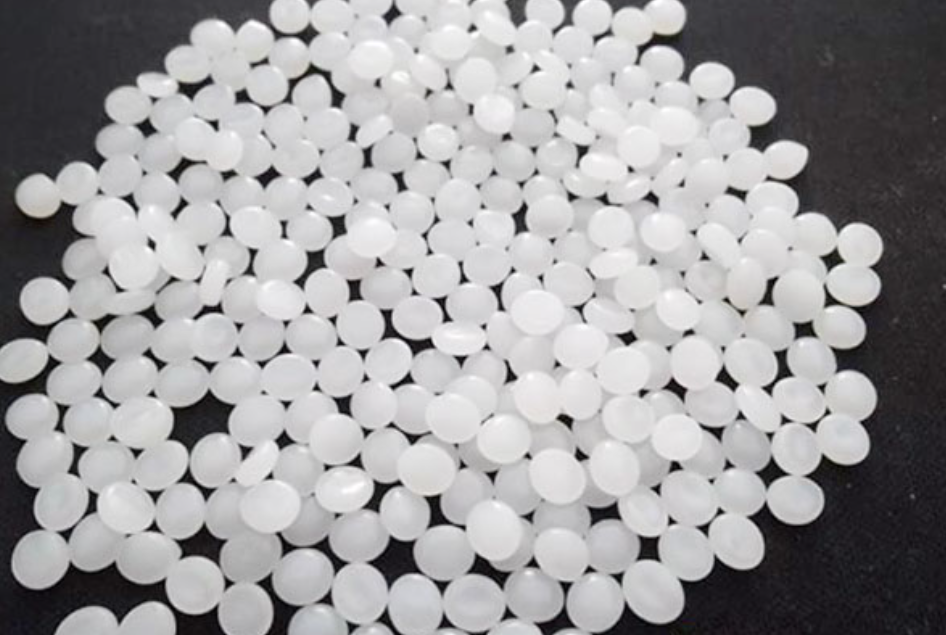
Ready to source Polyethylene (HDPE) from verified global suppliers? Explore competitive offers on our platform today.
Sources:
High Density Polyethylene (HDPE)
Found this useful?