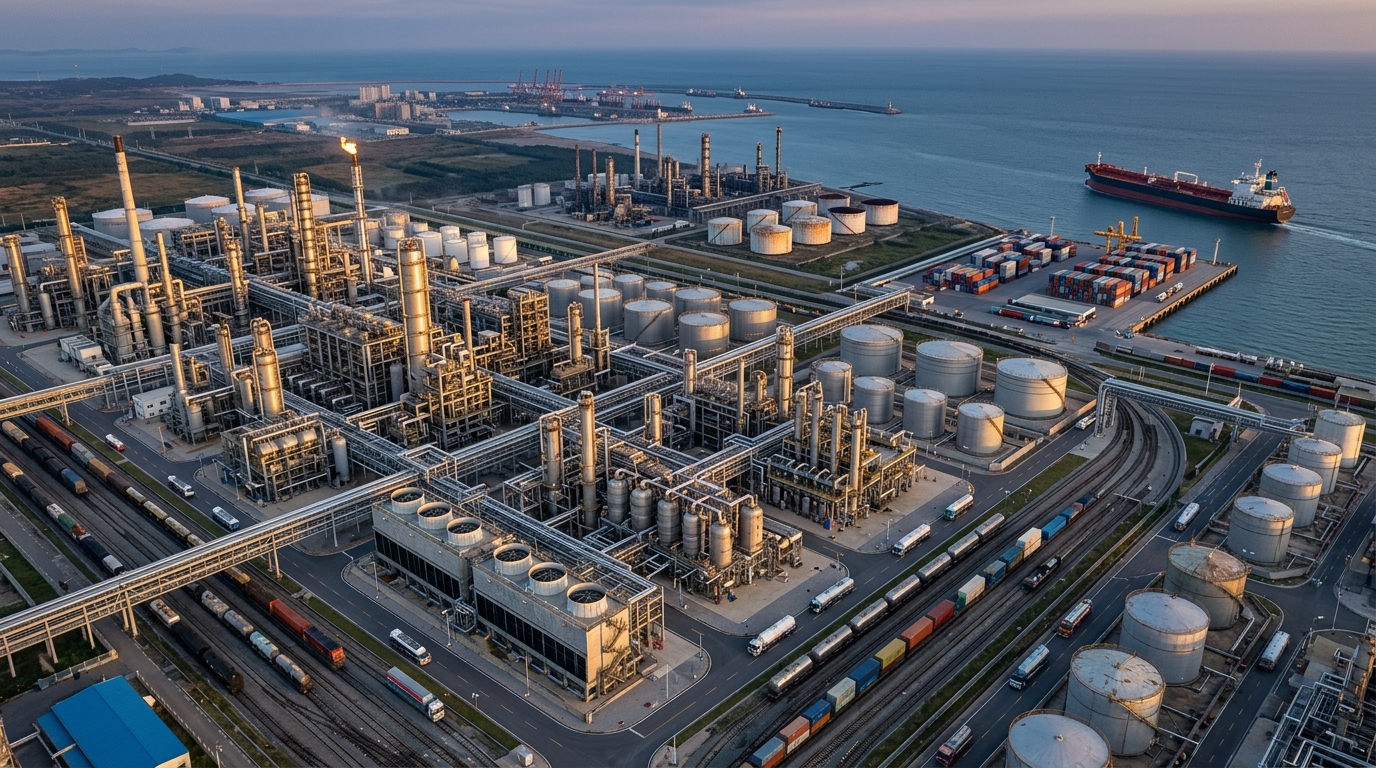
Germany Chemical Industry Trends in 2026: Energy Costs and Manufacturing Challenges
Germany's chemical industry entered the second half of 2026 facing another difficult year, with production in the first six months falling approximately 3% compared with the same period in 2025. High energy prices, weak industrial demand and international competition continue to challenge manufacturers across one of Europe's most important chemical production centres.
The Germany chemical industry remains essential to European supply chains, providing industrial chemicals, polymers, fertilizers, pharmaceutical ingredients and specialty materials. However, manufacturers increasingly struggle to balance production costs with competitive selling prices. These pressures are influencing factory operations, investment decisions and international sourcing strategies.
For chemical traders, importers and procurement managers, understanding these developments is important because changes in German manufacturing capacity can affect product availability, supplier relationships and purchasing costs across international markets.
Germany's Chemical Industry Faces Continued Production Pressure
Germany has traditionally maintained a strong position in global chemical manufacturing through its integrated industrial infrastructure, technical expertise and established supplier networks. Large production clusters connect chemical plants with automotive manufacturers, pharmaceutical companies, plastics processors and other industrial customers.
However, recent production figures reveal a prolonged slowdown. According to the German Chemical Industry Association (VCI), chemical and pharmaceutical production declined by approximately 3% year-on-year during the first half of 2026. Industry sales also decreased by 1% to approximately €106 billion.
Several factors explain this difficult operating environment:
Weak domestic demand: Automotive, construction and manufacturing customers continue to limit purchasing activity, reducing orders for industrial chemicals and intermediate materials.
International competition: Producers in China, the United States and other regions benefit from different cost structures and stronger opportunities in certain markets.
High operating expenses: Energy, transportation, labour and raw material costs continue to put pressure on manufacturing margins.
Reduced investment: Companies remain cautious about expanding production capacity or committing capital to expensive industrial projects.
The situation also affects factory utilisation. When manufacturers cannot operate plants at commercially sustainable levels, fixed expenses become more difficult to absorb, creating additional pressure on profitability.
Energy Costs Remain a Major Competitive Disadvantage
Energy consumption represents one of the most important cost factors for Germany's chemical manufacturers. Chemical production requires substantial quantities of electricity, natural gas and other energy resources for heating, compression, separation and continuous industrial processing.
Natural gas also serves as a chemical feedstock in several production processes. This creates a double cost exposure because manufacturers depend on gas for both energy and material inputs.
Germany's energy cost challenges became more pronounced following the European energy crisis and changes in traditional gas supply arrangements. Although market conditions have evolved, the country's chemical producers still face higher electricity and gas costs than many international competitors.
The VCI reported in October 2026 that the chemical and pharmaceutical industry accounted for nearly 8% of Germany's total energy consumption in 2024. Its latest industry information also highlights the substantial impact of energy prices on manufacturing competitiveness.
These pressures particularly affect producers of:
Ammonia and nitrogen-based fertilizers, which require significant energy and hydrogen inputs.
Basic inorganic chemicals, including chlorine and other industrial intermediates.
Petrochemicals and polymers, where energy and hydrocarbon feedstock expenses influence production economics.
Industrial gases and specialty chemicals that depend on energy-intensive separation and processing operations.
When energy costs rise, manufacturers cannot always transfer the full increase to customers. International buyers often compare offers from several producing countries, making price increases difficult to implement without losing market share.
Manufacturing Challenges Extend Beyond Electricity and Gas
Energy prices represent only one part of Germany's manufacturing difficulties. Chemical companies must also manage a combination of weak customer demand, regulatory requirements, infrastructure limitations and changing global investment patterns.
The country's chemical sector has strong technical capabilities, but maintaining these advantages requires consistent investment in production facilities and modern processing technologies.
Several structural challenges deserve attention:
1. Weak industrial demand
Germany's chemical producers depend heavily on downstream industries. When automotive production, construction activity or machinery manufacturing slows, demand for plastics, coatings, adhesives and industrial intermediates also weakens.
2. High regulatory and administrative costs
Chemical manufacturers must comply with extensive environmental, workplace safety and product regulations. Requirements under frameworks such as REACH and the EU Emissions Trading System add compliance responsibilities and influence long-term investment decisions.
3. Infrastructure and energy supply constraints
Modern chemical plants require dependable electricity networks, efficient transportation infrastructure and reliable access to raw materials. Delays in infrastructure improvements can complicate industrial expansion and decarbonisation projects.
4. Skilled labour shortages
Chemical manufacturing increasingly depends on engineers, process specialists, automation professionals and technical maintenance teams. Difficulty recruiting qualified employees can affect operational efficiency and the implementation of new technologies.
5. International investment competition
Manufacturers compare operating costs, market access and investment incentives before deciding where to establish new facilities. Lower production costs in competing markets can encourage companies to direct future capacity expansion outside Germany.
Together, these challenges make the country's manufacturing difficulties more structural than a temporary response to changing energy prices.
International Competition Is Reshaping Germany's Chemical Production
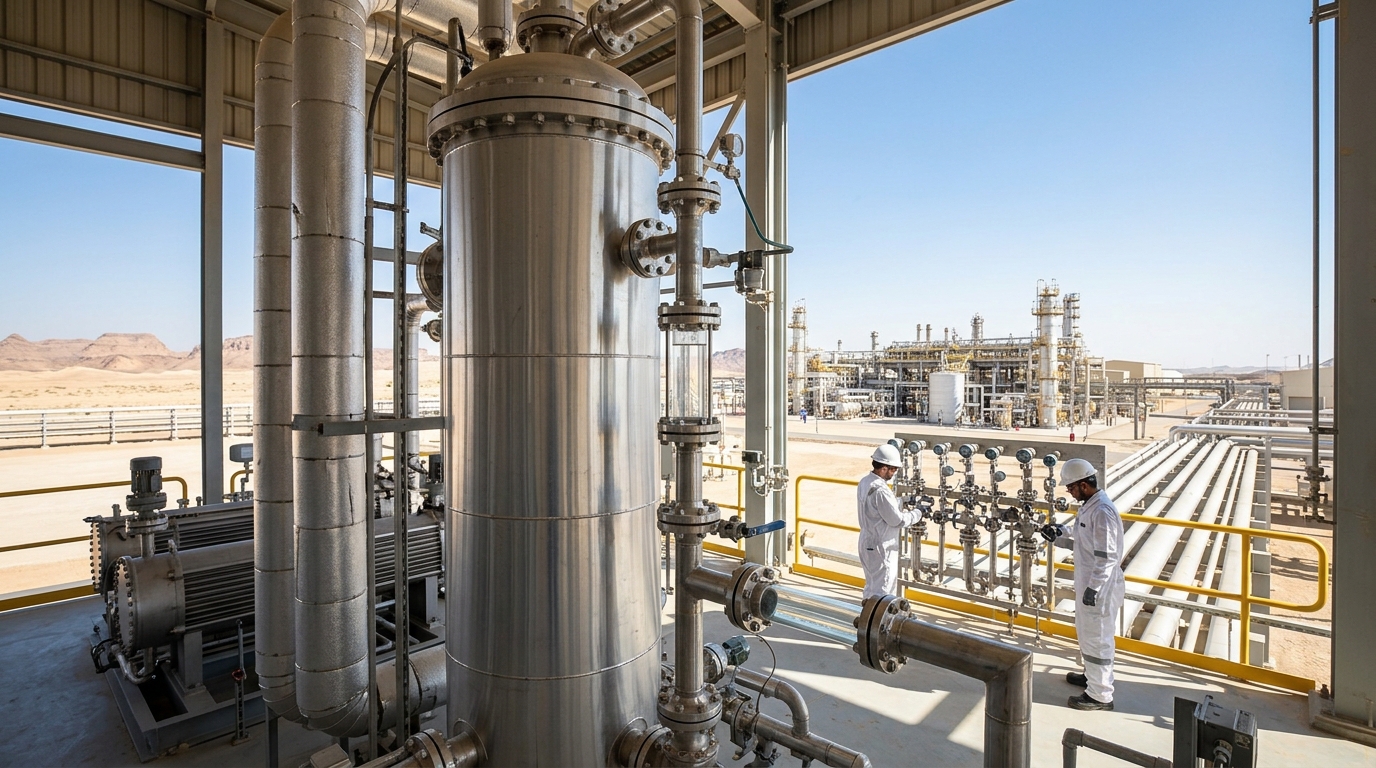
Germany's chemical industry operates within an increasingly competitive global marketplace. Producers in Asia and North America have expanded their influence through investments in manufacturing capacity, access to raw materials and opportunities to serve growing industrial markets.
China remains particularly important because of its large chemical production base and expanding downstream industries. Its manufacturing growth has increased competition for European suppliers across polymers, basic chemicals and several intermediate product categories.
The difference in regional production performance highlights this changing competitive environment. VCI's February 2026 World Chemistry Report recorded chemical production growth of 7.9% in China during 2025, compared with a 3.3% decline in Germany.
The United States also presents a competitive challenge, particularly for energy-intensive manufacturing. Access to comparatively attractive energy and feedstock costs can improve the economics of producing chemicals such as methanol, ammonia and petrochemical intermediates.
These developments influence German manufacturers in several ways:
Some companies are reviewing domestic production capacity and considering international expansion.
Manufacturers face stronger price competition from imported chemical products.
New investment increasingly targets locations with favourable operating costs and access to expanding markets.
European suppliers must strengthen product quality, technical services and supply reliability to maintain customer relationships.
For international chemical buyers, these shifts create opportunities to diversify sourcing strategies. However, changes in regional manufacturing capacity also make supplier evaluation and long-term supply planning more important.
VCI Online+2
Investment Decisions and Industrial Capacity Under Pressure
Germany's chemical manufacturing sector requires substantial capital investment to maintain existing facilities, improve energy efficiency and develop lower-emission production technologies. However, difficult market conditions have encouraged companies to postpone or reconsider major projects.
According to VCI's July 2026 industry review, investment declined for the third consecutive year. Investment in property, plant and equipment stood approximately 15% below its 2023 level.
This trend raises concerns about the industry's future production capabilities. When manufacturers delay plant modernisation or capacity expansion, they may find it harder to respond to changing customer requirements and technological developments.
Companies are increasingly evaluating investment opportunities based on several commercial considerations:
Operating cost reduction: Improving process efficiency can reduce electricity, natural gas and raw material consumption.
Production flexibility: Modern equipment can help manufacturers adjust output according to changing market demand.
International competitiveness: Companies assess whether domestic investment can generate sufficient returns compared with projects in other regions.
Decarbonisation requirements: Producers must consider the financial implications of cleaner energy, electrification and alternative feedstocks.
Supply chain resilience: Access to dependable raw materials and industrial infrastructure remains essential for long-term operations.
The decline in investment also creates implications for chemical traders. Reduced expansion activity may limit future availability from certain production locations, while changes in operating rates can affect purchasing opportunities and contract negotiations.
VCI+1
Sustainability and the Transition to Lower-Carbon Manufacturing
Germany's chemical industry faces increasing pressure to reduce greenhouse gas emissions while maintaining commercially competitive production. This transition requires changes in energy consumption, manufacturing technologies and raw material sourcing.
Chemical manufacturers are exploring several approaches to improve environmental performance without compromising industrial output.
Electrification offers opportunities to replace certain fossil-fuel-based heating and processing systems with electricity. However, its commercial benefits depend on reliable electricity supplies and competitive power prices.
Renewable energy integration can reduce dependence on conventional energy sources. Companies are exploring renewable electricity procurement, onsite generation and longer-term energy purchasing agreements to manage exposure to volatile markets.
Low-carbon hydrogen could support the production of ammonia, methanol and other industrial chemicals. Its wider adoption will depend on infrastructure development, production costs and reliable supply availability.
Circular feedstocks and chemical recycling also offer opportunities to reduce dependence on virgin fossil-based materials. These approaches can help manufacturers recover useful resources from waste streams and support more sustainable product development.
Nevertheless, industrial transformation requires substantial investment. Manufacturers must balance environmental targets with production economics, particularly when international competitors operate under different energy and regulatory conditions.
For procurement professionals, sustainability is becoming an increasingly important supplier selection criterion alongside price, quality and delivery reliability.
What These Trends Mean for Chemical Buyers and Traders
Changes in Germany's chemical manufacturing environment can influence international procurement decisions even for companies that do not purchase directly from German producers.
Production adjustments, cost pressures and shifting trade flows can affect the availability and pricing of products throughout interconnected chemical supply chains.
Buyers should consider several practical sourcing strategies:
Diversify supplier networks. Avoid depending entirely on one production country or manufacturer. Evaluate alternative suppliers across Europe, Asia and other established chemical-producing regions.
Monitor energy-sensitive products. Ammonia, methanol, sulfuric acid and other industrial chemicals can experience significant cost pressure when energy and feedstock markets change.
Evaluate total landed costs. Compare supplier prices alongside freight, insurance, customs duties, packaging requirements and delivery timelines.
Strengthen supplier relationships. Maintain regular communication with manufacturers and distributors to understand production schedules, inventory availability and potential delivery disruptions.
Use flexible procurement agreements. Where commercially appropriate, consider shorter contract review periods or pricing mechanisms that account for changes in energy and raw material markets.
Verify supplier capabilities. Review product specifications, quality documentation, regulatory compliance and consistency of supply before committing to large purchase volumes.
These measures can help buyers maintain sourcing flexibility while responding to changing European production conditions.
Germany's Chemical Industry Outlook for 2027
The outlook for Germany's chemical industry in 2027 will depend on whether manufacturers can improve production economics, restore customer demand and attract new investment. Although the sector retains significant technical expertise and industrial infrastructure, a sustained recovery will require improvements across several areas.
Energy affordability will remain a central consideration. Manufacturers need predictable electricity and natural gas prices to make long-term investment decisions and compete with producers in regions offering lower operating costs.
The performance of downstream industries will also influence recovery prospects. Stronger automotive production, construction activity and machinery manufacturing could increase demand for industrial chemicals, polymers, coatings and specialty materials.
Several developments will shape the market over the coming year:
Energy policy reforms: Measures that reduce industrial electricity costs could improve manufacturing competitiveness and encourage domestic investment.
Improved industrial demand: Recovery among automotive, construction and manufacturing customers could support higher chemical purchasing volumes.
Global investment patterns: Continued capacity expansion in Asia and North America will influence international prices and European market share.
Industrial decarbonisation: Investment in renewable electricity, hydrogen and circular feedstocks could reshape chemical production economics.
Supply chain diversification: Manufacturers and buyers will continue exploring alternative sourcing arrangements to reduce exposure to regional disruptions.
For international traders and procurement managers, Germany will remain an important chemical market despite its current difficulties. Its established industrial base, technical capabilities and connections to European customers continue to create commercial opportunities.
However, purchasing strategies must account for changing production capacity, supplier competitiveness and energy-related cost fluctuations. Companies that monitor these developments and maintain diversified sourcing networks will be better positioned to manage market uncertainty.
Ready to source Ammonia Anhydrous from verified global suppliers? Explore competitive offers on our platform today.
Sources:
Ammonia Anhydrous
Found this useful?