Renewable Feedstocks in Petrochemical Production: Trends and Opportunities
Renewable Feedstocks in Petrochemical Production: Trends and Opportunities
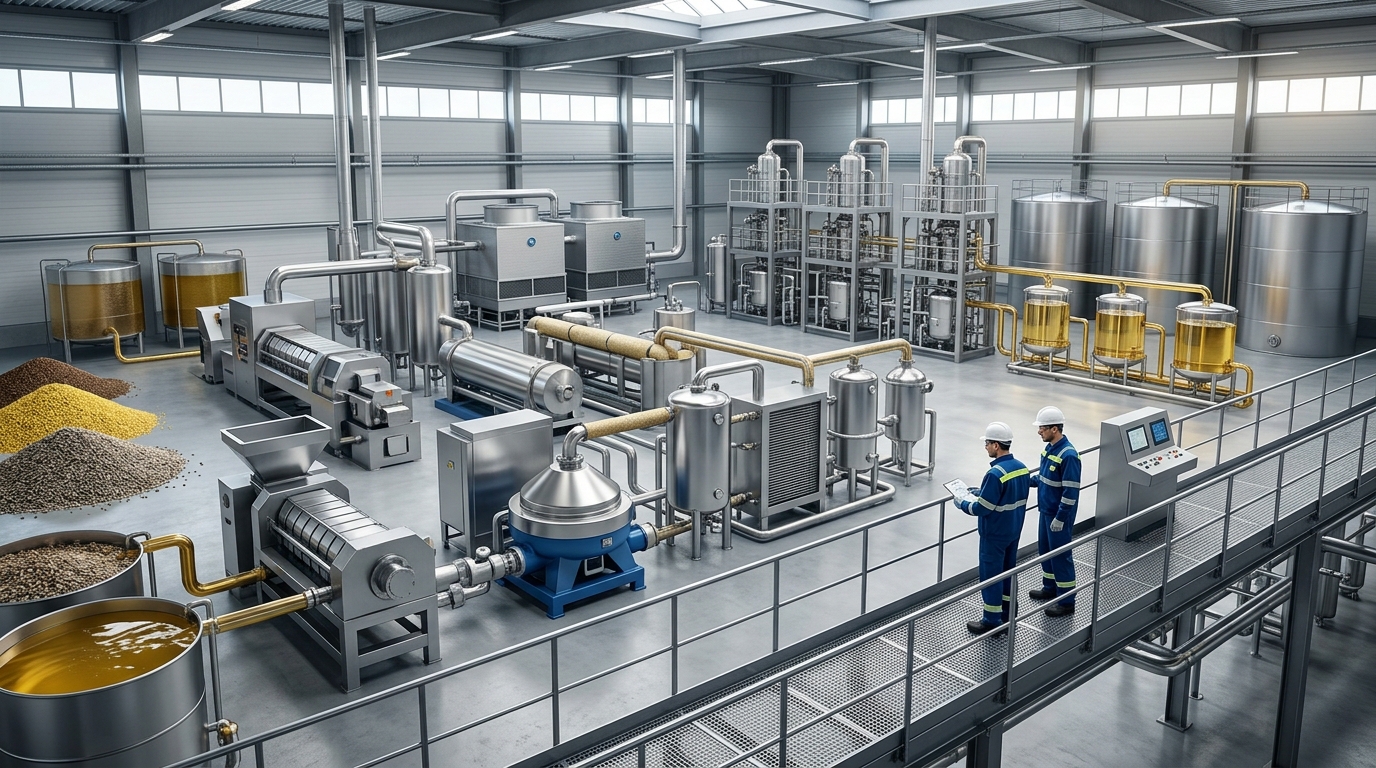
Petrochemical producers are exploring renewable feedstocks as an alternative to conventional fossil-based raw materials. Used cooking oil, agricultural residues, forestry waste, vegetable oils and bio-based intermediates can provide inputs for producing chemicals, polymers and other industrial materials.
This shift is creating opportunities to reduce reliance on crude oil and natural gas while using existing petrochemical infrastructure in some applications. However, renewable feedstocks are not a single interchangeable material category. Their availability, processing requirements, cost and environmental performance vary significantly, making careful sourcing and technology selection essential for manufacturers and chemical buyers.
Understanding Renewable Feedstocks in Petrochemical Manufacturing
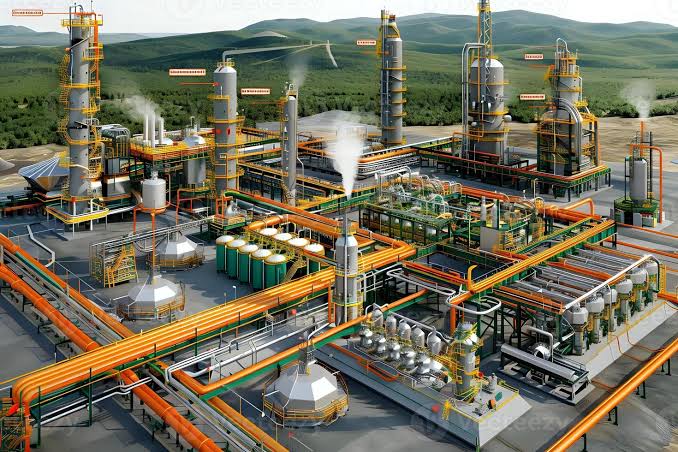
Traditional petrochemical production relies on fossil-based feedstocks such as naphtha, ethane, propane and other hydrocarbon streams. These materials enter processes such as steam cracking and chemical conversion to produce building blocks including ethylene, propylene, benzene and other intermediates.
Renewable feedstocks offer alternative sources of carbon for these value chains. They can come from biological materials, industrial by-products or waste streams that manufacturers process into suitable chemical inputs.
Common categories include:
Bio-based feedstocks: Vegetable oils, sugar crops and sustainably sourced biomass.
Bio-circular feedstocks: Used cooking oil, animal fats, forestry residues and agricultural waste.
Circular feedstocks: Non-biological waste materials such as mixed plastic waste and end-of-life tyres.
Renewable-energy-derived feedstocks: Materials produced using renewable electricity, including certain Power-to-X products.
These categories have different origins and production routes. For example, bio-naphtha can enter conventional petrochemical processes as an alternative to fossil naphtha, while chemically recycled feedstocks can come from converting plastic waste into hydrocarbon intermediates.
Shell Global+2
Key Renewable Feedstock Sources and Their Applications
The suitability of a renewable feedstock depends on its chemical composition, quality, availability and compatibility with downstream processing equipment. Petrochemical producers therefore assess individual materials according to the products they intend to manufacture.
Used cooking oil and waste fats
Used cooking oil and waste animal fats can serve as raw materials for renewable diesel and sustainable aviation fuel production. Certain refining pathways also generate bio-naphtha and other co-products that may enter petrochemical value chains.
These materials attract interest because they use existing waste streams rather than relying entirely on purpose-grown crops. However, collection networks, quality variations and competition from fuel producers can affect availability and pricing.
Agricultural and forestry residues
Crop residues, wood waste, straw and other lignocellulosic materials contain organic carbon that can be converted into chemical intermediates. Depending on the technology, producers can use gasification, pyrolysis or biological conversion to create feedstocks for further processing.
These materials offer opportunities to use waste resources that may otherwise have limited commercial value. Their use still requires careful assessment of collection costs, transport distances and the impact of removing residues from agricultural or forestry systems.
Vegetable oils and sugar-based materials
Vegetable oils, sugarcane and other agricultural inputs can support the production of bio-based chemicals and polymers. Producers can convert these resources into alcohols, organic acids and other intermediates used in industrial manufacturing.
Their sustainability depends on agricultural practices, land-use impacts, water consumption and competition with food markets. Feedstock certification and responsible sourcing are therefore important considerations.
How Renewable Feedstocks Enter Existing Petrochemical Processes
One major opportunity is the ability to introduce alternative feedstocks into established manufacturing systems. Some renewable intermediates have chemical properties similar to their fossil-based equivalents, allowing producers to process them through existing or modified equipment.
Bio-naphtha is an important example. Produced through certain renewable fuel refining pathways, it can serve as a substitute for fossil naphtha in petrochemical crackers. The resulting outputs can enter established production chains for plastics and chemical intermediates.
Another approach is co-processing, where renewable and conventional feedstocks enter the same industrial process. Producers can gradually introduce alternative raw materials while maintaining production of established chemical grades.
Mass balance systems can also support the commercial use of renewable feedstocks. Under this approach, manufacturers track the quantity and sustainability characteristics of alternative materials entering a shared production system and allocate the corresponding certified attributes to specific products according to the applicable chain-of-custody rules.
This can help companies introduce renewable content without building a completely separate production line. However, mass balance allocation does not necessarily mean that every individual molecule in a finished product physically comes from renewable material. Buyers should understand the certification method and the claims it permits
Market Trends Shaping Renewable Petrochemical Feedstocks
Interest in renewable feedstocks is growing as chemical companies respond to emissions targets, customer sustainability commitments and demand for lower-carbon materials. However, the market remains influenced by cost, feedstock availability and competition from other industries.
Growing interest in bio-naphtha
Bio-naphtha is attracting attention because it can enter conventional petrochemical production and support the manufacture of bio-attributed plastics and chemical products. S&P Global Commodity Insights identifies bio-naphtha and biopropane as potential building blocks for the biochemical industry, while highlighting the cost premiums and limited scale that constrain wider adoption.
Competition for waste-based materials
Used cooking oil, animal fats and other waste-derived oils are in demand across renewable diesel and sustainable aviation fuel markets. The IEA's Renewables 2025 report projects that demand for vegetable oils and waste and residue oils will increase significantly by 2030, reflecting the growing requirements of biofuel production. This creates competition for feedstocks that could also support chemical manufacturing.
Expansion of circular carbon sourcing
Petrochemical companies are also examining waste plastics, end-of-life tyres and other non-biological waste as alternative carbon sources. Chemical recycling technologies can convert selected waste streams into intermediates for further chemical processing.
Greater emphasis on traceability
Buyers increasingly need evidence of where alternative feedstocks originate and how they move through the supply chain. Certification systems such as ISCC PLUS provide chain-of-custody options, including physical segregation, controlled blending and mass balance.
Opportunities Across Chemicals and Polymer Manufacturing
Renewable feedstocks can support several established petrochemical value chains. Their commercial potential depends on the ability to produce consistent intermediates that meet downstream technical specifications.
Plastics and packaging
Bio-based naphtha and other renewable intermediates can enter production chains for polyethylene, polypropylene and other polymers. Depending on the pathway and certification model, manufacturers may offer products with renewable or bio-attributed content while retaining familiar processing performance.
Polyester and PET value chains
Renewable raw materials can support the development of bio-based intermediates used in polyester manufacturing. Producers are exploring alternative routes for key building blocks, including materials used in polyethylene terephthalate (PET).
Solvents and chemical intermediates
Bio-based alcohols, organic acids and other intermediates can support the production of solvents, coatings ingredients and specialty chemicals. Their suitability depends on purity, functionality and compatibility with existing formulations.
Automotive and construction materials
Renewable and circular feedstocks can contribute to polymer materials used in vehicle components, insulation, coatings and construction products. These applications may create opportunities for suppliers that can provide consistent quality and documented material origin.
For manufacturers, the main opportunity is not simply replacing fossil carbon. It is developing alternative sourcing routes that meet customer specifications and fit existing production economics.
Supply Chain and Sustainability Challenges
Renewable feedstocks introduce sourcing challenges that differ from conventional petrochemical raw materials. Many waste-derived materials come from fragmented collection networks, while agricultural feedstocks depend on harvest cycles, weather conditions and land availability.
Supply concentration can also create price volatility. Waste oils, for example, face competition from renewable fuel producers. When demand increases faster than collection and processing capacity, chemical manufacturers may face higher input costs and difficulty securing long-term volumes.
Other important challenges include:
Feedstock quality: Moisture, impurities, contamination and composition can vary between suppliers and batches.
Logistics: Biomass and low-density waste materials can require extensive collection and transportation.
Processing requirements: Some alternative materials need pretreatment, purification or additional conversion steps.
Land-use considerations: Crop-based feedstocks require assessment of biodiversity, agricultural land and food market impacts.
Lifecycle emissions: Environmental benefits depend on sourcing, processing energy, transportation and land-use effects.
The IEA has also highlighted increasing competition for waste and residue oils as biofuel demand expands. This reinforces the need for petrochemical buyers to evaluate realistic feedstock availability rather than relying only on theoretical resource estimates.
What Procurement Teams Should Evaluate
Chemical procurement teams need a structured approach when assessing renewable feedstock suppliers. Price remains important, but it should be considered alongside technical quality, traceability and reliable delivery.
Key evaluation areas include:
Origin and feedstock category: Confirm whether the material comes from agricultural sources, biological waste, forestry residues or recycled industrial materials.
Technical specifications: Review composition, purity, moisture content, contamination limits and other process-specific requirements.
Certification: Request relevant sustainability certificates and confirm that the supplier's certification scope covers the material and facility.
Chain of custody: Understand whether the product uses physical segregation, controlled blending or mass balance allocation.
Lifecycle emissions: Ask for emissions data and the methodology used to calculate the product's environmental footprint.
Supply reliability: Assess production capacity, collection networks, shipment schedules and the supplier's ability to meet long-term volume commitments.
Commercial terms: Compare renewable feedstock premiums, transport costs, processing requirements and the delivered cost of the final input.
Procurement teams should also distinguish between bio-based, bio-circular and recycled feedstocks. These terms describe different material origins and should not be treated as interchangeable sustainability claims.
Market Outlook: Scaling Renewable Carbon in Petrochemicals
Renewable feedstocks are likely to become a more important part of petrochemical sourcing strategies as producers seek to diversify raw materials and reduce dependence on fossil carbon. However, adoption will vary across product categories and regions.
Bio-naphtha and renewable intermediates offer opportunities because they can connect existing renewable fuel production with chemical manufacturing. Waste-based feedstocks and agricultural residues may also support new conversion pathways as collection systems and processing technologies develop.
Cost competitiveness remains a major barrier. S&P Global Commodity Insights notes that premiums, limited scale and supply pressures continue to constrain the growth of bio-chemical markets. Wider adoption will require more production capacity, dependable feedstock supply and stronger commercial demand from downstream buyers.
For chemical traders, this transition creates opportunities to connect alternative feedstock suppliers with manufacturers seeking certified raw materials. Companies that can provide reliable specifications, transparent origin information and consistent documentation may become valuable partners in emerging renewable chemical supply chains.
Building Competitive and Responsible Renewable Feedstock Supply Chains
Renewable feedstocks offer petrochemical producers a practical route to diversify carbon sources and develop lower-carbon materials. Bio-naphtha, waste oils, agricultural residues and recycled feedstocks each provide different opportunities, but their commercial value depends on availability, processing compatibility and verified sustainability performance.
Manufacturers should prioritise feedstocks that match their technical requirements and can be sourced through reliable, traceable supply networks. Procurement teams should compare the full delivered cost and environmental performance rather than relying only on renewable-content claims.

Methanol
Found this useful?