
Cross-Border Chemical Trade: Managing Documentation, Customs and Regulatory Requirements
International chemical trade connects manufacturers, distributors and industrial buyers across major global markets. However, moving chemical products between countries involves multiple administrative and regulatory requirements that can influence shipment schedules, customs clearance and overall transaction costs.
Cross-border chemical trade requires businesses to coordinate commercial documents, product classifications, safety information and applicable import or export approvals. Requirements vary according to the chemical, its intended use, country of origin and destination market.
A shipment may encounter delays when commercial invoices contain inconsistent product descriptions, customs declarations use incorrect classifications or required regulatory documents remain incomplete. Exporters and importers therefore need a structured approach to documentation and compliance before arranging international transportation.
Understanding these requirements helps chemical trading businesses improve coordination, maintain accurate records and manage international transactions more effectively.
Understanding the Documentation Required for Chemical Exports and Imports
Documentation forms the foundation of international chemical transactions. Customs authorities, logistics providers and regulatory agencies use these records to identify products, assess declarations and determine whether shipments meet applicable requirements.
Although individual countries may request different documents, several records commonly support international chemical shipments.
Commercial invoice: Provides the seller, buyer, product description, quantity, agreed value and transaction details.
Packing list: Identifies package quantities, weights, dimensions and shipment contents.
Bill of lading: Serves as a transportation document for sea freight and records relevant shipment details.
Certificate of origin: Identifies the country where the goods originate and may support applicable tariff treatment.
Safety Data Sheet (SDS): Communicates chemical hazards, handling information and relevant safety characteristics.
Certificate of Analysis (COA): Provides batch-specific information about product quality and conformity with agreed specifications.
Import or export permits: Apply when a product or transaction requires authorization from relevant authorities.
Not every chemical shipment requires every document. Businesses should determine the applicable requirements for the particular product and destination before finalizing the transaction.
Why Chemical Product Classification Matters in Customs Clearance
Product classification determines how customs authorities identify goods within international trade systems. The Harmonized System (HS), developed by the World Customs Organization (WCO), provides a standardized framework for classifying traded products.
Chemical products can have different classifications depending on their chemical composition, form and intended commercial category. Accurate classification supports consistent customs declarations and helps authorities determine applicable duties and regulatory controls.
Incorrect classification can create several commercial complications:
Customs delays: Differences between declared product descriptions and classification records can trigger additional reviews.
Duty discrepancies: Incorrect tariff classifications can affect the calculation of import duties and taxes.
Regulatory complications: Certain chemical categories may require additional approvals or declarations.
Documentation inconsistencies: Differences between invoices, packing lists and customs declarations can complicate shipment processing.
Chemical businesses must also distinguish between a product's commercial name and its formal customs classification. A trade name alone may not provide enough information to establish the correct classification.
Chemical Regulations Across International Markets
Chemical regulations differ between countries because governments establish their own frameworks for protecting human health, workplace safety and the environment.
A chemical that can enter one market under a particular regulatory framework may face additional restrictions or documentation requirements in another.
Several international regulatory frameworks influence chemical trade.
REACH in the European Union
The EU's Registration, Evaluation, Authorisation and Restriction of Chemicals (REACH) framework governs the manufacture and import of chemical substances within the European market.
It establishes requirements concerning chemical registration, evaluation and restrictions. Its relevance depends on the substance, quantity and applicable regulatory provisions.
CLP Regulation in the European Union
The Classification, Labelling and Packaging (CLP) Regulation establishes requirements for communicating chemical hazards through classification, labelling and packaging.
It aligns with the internationally recognized Globally Harmonized System (GHS).
TSCA in the United States
The Toxic Substances Control Act (TSCA) establishes requirements relating to chemical substances manufactured, processed, imported and distributed in the United States.
Importers must consider applicable TSCA certification requirements when relevant to their shipments.
US EPA+1
International chemical conventions
Several international agreements influence the movement of certain chemicals across borders.
These include:
The Rotterdam Convention, which addresses international trade in certain hazardous chemicals and pesticides.
The Stockholm Convention, which addresses persistent organic pollutants.
The Basel Convention, which governs transboundary movements of hazardous wastes and their disposal.
These frameworks demonstrate why chemical trade compliance requires attention to both product characteristics and destination-market regulations.
Safety Data Sheets and Chemical Product Information
Safety Data Sheets play an important role in chemical supply chains because they communicate information about product hazards and relevant safety characteristics.
An SDS follows a standardized 16-section structure under the GHS framework. It provides information that helps relevant stakeholders understand the chemical's properties and associated hazards.
Important sections cover:
Product identification and supplier information.
Hazard identification.
Composition and ingredient information.
First-aid and firefighting considerations.
Accidental release information.
Handling and storage considerations.
Exposure controls and personal protection.
Physical and chemical properties.
Toxicological and ecological information.
Transportation and regulatory information.
An accurate SDS supports communication between manufacturers, distributors, transport stakeholders and industrial customers.
Chemical companies also benefit from maintaining consistency between SDS information, product labels and commercial descriptions. Differences between these records can create confusion during regulatory reviews.
Customs Procedures and International Shipment Coordination
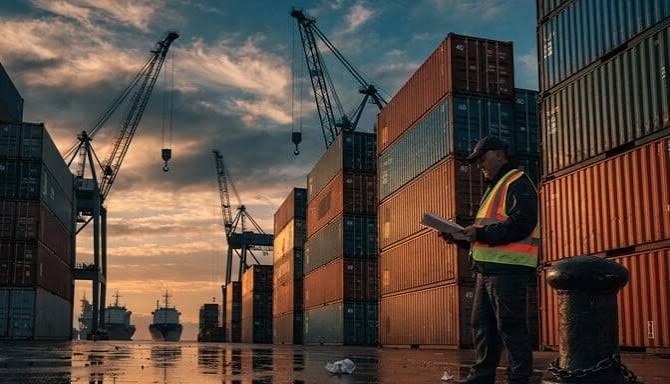
Customs authorities play an important role in regulating international trade. Their responsibilities include reviewing declarations, assessing applicable duties and enforcing relevant import and export requirements.
Chemical shipments can receive additional attention because certain substances fall under specialized regulatory frameworks.
The World Customs Organization emphasizes the importance of consistent customs procedures and documentation requirements to facilitate international trade.
Several areas influence customs processing:
Product identification: Authorities need accurate information about the goods being declared, including their commercial descriptions and applicable classifications.
Country of origin: Origin information can influence tariff treatment and the application of trade agreements.
Declared value: Commercial valuation forms part of the customs assessment process and must reflect applicable valuation rules.
Regulatory approvals: Certain products require additional authorizations or supporting documentation from relevant government agencies.
Shipment consistency: Commercial records and transportation documents should contain consistent information about the goods.
International shipments also involve coordination between exporters, importers, freight forwarders, customs brokers and shipping companies. Effective communication helps maintain consistency across the different parties involved in a transaction.
Digital Documentation and Trade Compliance
Digitalization is changing how businesses organize international trade documentation.
Traditional paper-based processes can involve repeated data entry, manual document exchange and disconnected communication between trading partners. Digital trade platforms provide opportunities to centralize information and improve administrative coordination.
Common digital developments include:
Electronic customs declarations: Digital systems allow trade information to reach customs authorities electronically.
Document management platforms: Centralized systems organize invoices, certificates and product records.
Automated data validation: Software can identify missing information and inconsistencies between records.
Digital approval systems: Relevant authorities can process certain permits and certificates electronically.
Shipment information systems: Connected platforms help participants maintain visibility of transportation and clearance progress.
Pakistan provides an example through its Pakistan Single Window (PSW), which integrates trade-related information and regulatory processes through a digital platform. Its services include electronic processing of relevant licenses, permits, certificates and customs declarations.
The platform also connects traders with relevant government agencies, helping reduce reliance on separate manual submission processes.
Common Compliance Challenges in Cross-Border Chemical Trade
Even established chemical trading businesses can encounter regulatory and administrative challenges when operating across different markets.
The complexity often increases when multiple authorities, transportation providers and commercial partners participate in a single transaction.
Some common challenges include:
1. Changing regulatory requirements
Import and export regulations can change as governments introduce new environmental, safety and trade policies. Businesses must account for relevant changes in the markets where they operate.
2. Inconsistent product information
Different product descriptions, specifications or chemical identifiers across commercial documents can complicate customs reviews.
3. Country-specific requirements
A destination market may require particular certificates, declarations or regulatory approvals that differ from those in the exporting country.
4. Documentation management
Maintaining accurate records across multiple suppliers, customers and shipments can become difficult when businesses depend on disconnected systems.
5. Communication gaps
Delays in exchanging information between exporters, importers and logistics providers can affect shipment coordination.
These challenges highlight the importance of accurate information management and a clear understanding of applicable regulatory frameworks.
What International Chemical Traders Should Focus on Next
Cross-border chemical trade continues to evolve as international markets become more interconnected and regulatory expectations develop.
For chemical manufacturers, exporters, importers and distributors, effective documentation management and regulatory awareness remain important elements of international business operations.
Several developments deserve attention:
Regulatory digitalization: Electronic customs platforms are changing how businesses exchange trade information and regulatory documents.
Greater product transparency: Chemical identification, product specifications and safety information remain important across international markets.
Environmental compliance: Sustainability-related regulations are increasing the importance of environmental information throughout industrial supply chains.
International coordination: Greater cooperation between customs authorities and regulatory agencies supports more consistent trade administration.
Digital recordkeeping: Centralized documentation systems can improve access to commercial and regulatory information.
Businesses that understand the regulatory environment of their trading markets can make more informed commercial decisions and maintain better coordination with international partners.
Ultimately, successful cross-border chemical trade depends on more than the movement of products between countries. Accurate documentation, appropriate product classification, regulatory awareness and effective communication form the foundation of organized international chemical transactions.

Sodium Bicarbonate Food Grade (E500(ii))
Found this useful?