Diethylene Glycol: Applications in Textiles, Plastics and Industrial Processing
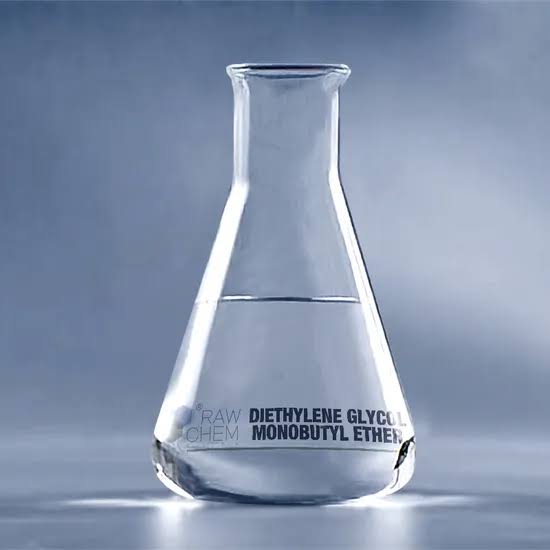
Diethylene glycol (DEG) is an organic compound with the chemical formula C₄H₁₀O₃ and CAS number 111-46-6. It is a colourless, hygroscopic liquid that mixes readily with water and several organic solvents. Its relatively low volatility, solvent properties and ability to retain moisture make it useful across different industrial applications.
Manufacturers primarily obtain DEG as a co-product during ethylene oxide hydration, which also produces monoethylene glycol (MEG). The resulting glycol mixture undergoes separation and purification to recover DEG at the required commercial grade.
DEG serves as a chemical intermediate, solvent, plasticiser component and processing aid. Its applications extend across textiles, plastics, coatings, adhesives, automotive fluids and industrial gas processing.
An important procurement distinction is that DEG is not interchangeable with MEG or triethylene glycol (TEG). Each has different chemical properties and application requirements, so buyers should confirm the exact glycol specification before ordering.
Diethylene Glycol in Textile Manufacturing
The textile industry uses DEG in selected fibre-finishing and processing applications. Its hygroscopic properties and compatibility with different formulation ingredients make it useful in textile treatments, finishing agents and related chemical preparations.
DEG can support moisture management and formulation performance in certain textile processing systems. It is also used in selected textile soaps, finishing formulations and applications involving wool, rayon, cotton and silk.
Important applications include:
Fibre finishing: Used in selected finishing formulations to support the processing of textile materials.
Dyeing and printing: Functions as a solvent or compatibiliser in certain dye and printing ink systems.
Textile auxiliaries: Used in selected formulations that require moisture retention and ingredient compatibility.
Industrial fabrics: Supports specialised chemical preparations used during textile treatment.
Adhesives and coatings: Serves as a component in formulations applied to textile-related materials.
Textile manufacturers select processing chemicals according to fibre composition, dye compatibility and the required properties of the finished fabric. Consistent DEG quality can help maintain formulation stability and reduce variations during production.
Applications in Plastics and Polyester Resins
Polyester resin manufacturing is one of the important downstream markets for diethylene glycol. DEG acts as a polyol component in polyester formulations, helping manufacturers adjust flexibility and other physical characteristics of the finished resin.
Its role is particularly relevant in unsaturated polyester resins (UPR), which are used to manufacture reinforced plastics and composite materials.
Common applications include:
Fibreglass-reinforced plastics: Used in panels, tanks, pipes and moulded components.
Construction materials: Supports resin formulations for roofing products, sanitary ware and building components.
Automotive components: Used in selected composite materials and moulded plastic parts.
Protective coatings: Contributes to polyester-based resin systems used in industrial coatings.
Adhesives: Used in selected resin and adhesive formulations requiring specific flexibility characteristics.
DEG also supports the production of polyester polyols, which are used in certain polyurethane systems. These materials can be incorporated into polyurethane foams, coatings, adhesives and elastomers depending on formulation requirements.
For manufacturers, the quality of DEG influences formulation consistency. Buyers should therefore evaluate purity, acidity, moisture and other agreed parameters when sourcing material for resin production.

Industrial Processing, Gas Dehydration and Heat-Transfer Applications
Diethylene glycol is valued in industrial processing because of its hygroscopic properties, relatively low volatility and ability to depress the freezing point of water-based formulations.
One important application is gas dehydration. DEG can absorb moisture from gas streams in certain dehydration systems, helping reduce water content before further processing or transportation. However, triethylene glycol is more commonly used in many modern natural gas dehydration operations
Other industrial applications include:
Antifreeze formulations: Used in selected industrial and equipment-related fluids.
Heat-transfer fluids: Incorporated into certain heat-transfer formulations.
Lubricants: Used in selected industrial lubricant and polymer-processing applications.
Cement processing: Functions as a component in certain cement-grinding aids.
Mould-release agents: Used in formulations that assist the removal of manufactured products from moulds.
Industrial gas treatment: Supports selected gas drying and processing operations.
Global Demand and Market Trends
Global demand for DEG is connected to polyester resin manufacturing, polyurethane production, textile processing, plasticisers and industrial solvents. Its position as a co-product of ethylene oxide processing also links supply availability to the wider ethylene glycol industry.
Market research published in 2026 identifies Asia-Pacific as a leading regional market for DEG, supported by the region's large textile, plastics and chemical manufacturing base. One market assessment estimates that the global DEG market was valued at approximately US$2.94 billion in 2025 and could reach US$4.18 billion by 2034. These are third-party market estimates rather than official trade statistics.
Several factors influence the market:
Polyester and composite production: Demand from unsaturated polyester resins, reinforced plastics and construction materials supports DEG consumption.
Textile manufacturing: Large textile production centres require chemical inputs for fibre treatment, finishing and related processing applications.
Polyurethane demand: Polyester polyols and other DEG-based intermediates connect the chemical with polyurethane manufacturing.
Ethylene oxide production: Since DEG is produced alongside other glycols, changes in ethylene oxide capacity, operating rates and separation economics can influence supply.
Regional industrial growth: Expanding manufacturing activity in Asia-Pacific and other emerging markets can increase demand for industrial glycols and their derivatives.
These trends make DEG relevant to buyers across multiple industries, although actual purchasing requirements vary by grade and application.
Quality Specifications, Storage and Procurement Considerations
Selecting the correct DEG grade is essential for industrial buyers. Different applications may require specific purity levels, impurity limits and physical properties, so procurement teams should compare technical documentation before confirming orders.
A typical polyester-grade DEG product data sheet from PETRONAS lists a minimum DEG content of 99.0%, maximum acidity of 0.05% and a specific gravity range of 1.1170–1.1200 at 20/20°C. These are supplier-specific typical specifications and should not be treated as universal limits for every commercial grade.
Important procurement checks include:
Purity: Confirm the DEG content and acceptable levels of other glycols.
Water content: Review moisture limits to protect formulation consistency.
Acidity: Check the specified acidity level for the intended process.
Colour and appearance: Confirm that the material meets the agreed visual specification.
Specific gravity: Compare the supplier's test results with the required technical range.
Documentation: Request a Certificate of Analysis (COA), Safety Data Sheet (SDS) and Technical Data Sheet (TDS).
Packaging: Confirm availability in drums, IBCs or bulk tankers.
Supplier consistency: Review batch traceability, manufacturing controls and delivery reliability.
DEG is toxic if swallowed and can cause serious kidney and other systemic damage. It must never be used as a substitute for food-grade or pharmaceutical ingredients. Buyers should maintain clear grade identification, prevent cross-contamination and follow the supplier's SDS for handling, storage and transport.
International Sourcing and Supply Chain Considerations
DEG is traded internationally to serve manufacturers that do not have sufficient domestic production capacity. Buyers typically evaluate supplier location, production availability, shipping costs and product specifications when selecting an import source.
Several factors can influence international procurement:
Feedstock and production economics: Ethylene oxide availability and glycol production costs influence supplier pricing.
Regional supply availability: Production capacity and operating rates affect export volumes and delivery schedules.
Freight and handling: Packaging, bulk transportation, insurance and port charges influence landed costs.
Import regulations: Buyers should verify customs classification, documentation and applicable chemical handling requirements.
Contract terms: Shipment size, delivery timelines, payment terms and agreed quality specifications should be clearly defined.
For import-dependent markets, maintaining relationships with multiple qualified suppliers can help reduce exposure to unexpected production interruptions and shipping delays. Buyers should also compare landed costs rather than relying exclusively on the quoted product price.
Market Outlook and Opportunities for Chemical Buyers
Diethylene glycol remains an important intermediate for textile processing, polyester resins, plasticisers and other industrial applications. Its role in manufacturing flexible polyester systems and specialty chemical formulations supports demand across construction, automotive, plastics and coatings industries.
Asia-Pacific is expected to remain an important consumption region because of its established textile and chemical manufacturing base. Growth in reinforced plastics, composite materials and industrial processing may provide additional opportunities for DEG suppliers.
For procurement managers, the main priorities are identifying the correct grade, verifying product specifications and securing dependable supply arrangements. Monitoring ethylene oxide production, glycol availability and downstream resin demand can also help buyers understand changes in market conditions.
A structured sourcing strategy that considers quality, supplier reliability, logistics and total delivered cost can support consistent manufacturing operations.
Diethylene Glycol
Found this useful?