
Digital Transformation in Chemical Supply Chains: The Role of AI and Real-Time Tracking
The global chemical industry depends on complex supply chains that connect manufacturers, distributors, warehouses, shipping companies and industrial buyers across multiple countries. As these networks become more interconnected, digital transformation in chemical supply chains is becoming an important priority for businesses seeking better visibility, coordination and operational efficiency.
Traditional supply chain management often relies on spreadsheets, email updates, manual documentation and disconnected software systems. These methods can make it difficult to track shipments, monitor inventory and respond quickly when transportation delays or unexpected demand changes occur.
Artificial intelligence (AI), Internet of Things (IoT) devices and real-time tracking technologies offer new ways to manage these challenges. By connecting operational data and improving information sharing, chemical companies can make more informed decisions throughout the movement of products from manufacturing facilities to end users.
Why Chemical Supply Chains Need Digital Transformation
Chemical supply chains have requirements that make coordination particularly important. Companies frequently handle products with different storage conditions, transportation requirements, documentation obligations and delivery schedules.
A disruption at one stage can affect several other participants. For example, a manufacturing delay may influence warehouse availability, shipment planning and the production schedules of downstream customers.
Several challenges encourage chemical businesses to adopt digital systems:
Limited shipment visibility: Companies may struggle to obtain accurate information about shipment locations and estimated arrival times when logistics providers use separate tracking systems.
Inventory management difficulties: Manual stock updates can create inconsistencies between warehouse records and actual inventory.
Fragmented communication: Manufacturers, suppliers and distributors may exchange information through multiple channels, increasing administrative work.
Demand fluctuations: Sudden changes in industrial consumption can make procurement and production planning more complicated.
Documentation requirements: Chemical shipments often involve product specifications, safety documentation, regulatory records and transportation information.
Digital platforms help connect these activities and give supply chain participants a more consistent view of operational information.
How Artificial Intelligence Improves Chemical Supply Chain Management
Artificial intelligence can process large volumes of operational information and identify patterns that may not be immediately visible through conventional reporting systems.
Chemical manufacturers and distributors can use AI-supported tools to improve forecasting, planning and operational decision-making.
Demand forecasting
AI models can analyse historical sales, purchasing patterns, seasonal consumption and market information to estimate future product requirements.
For chemical distributors, improved forecasting can support inventory planning and help reduce the risk of maintaining excessive or insufficient stock.
Predictive maintenance
Chemical manufacturing facilities depend on machinery, processing equipment and supporting infrastructure. AI-based predictive maintenance systems can analyse equipment performance data and identify unusual patterns that may indicate developing maintenance requirements.
This allows maintenance teams to plan inspections and servicing more effectively.
Procurement planning
AI-supported procurement systems can analyse supplier performance, purchasing history and inventory requirements. These insights can help procurement teams compare supply options and coordinate purchasing decisions.
Supply chain risk identification
AI tools can process information about transportation delays, supplier performance and inventory changes. Businesses can use these insights to identify potential disruptions earlier and evaluate alternative operational arrangements.
Automated administrative processes
AI can also support document classification, data extraction and information processing. These applications can reduce repetitive administrative work involving purchase orders, invoices and shipment records.
Real-Time Tracking and Shipment Visibility
Real-time tracking is another important part of digital transformation in chemical logistics. It enables businesses to monitor the movement of products and receive updated information about shipment progress.
Traditional tracking methods may provide information only when a shipment reaches a particular checkpoint or when a logistics provider sends an update. Connected tracking systems can provide more frequent information throughout transportation.
Technologies supporting real-time tracking include:
GPS tracking: Provides location information for vehicles and shipments during transportation.
IoT sensors: Collect information about selected environmental and operational conditions.
RFID technology: Helps identify and track tagged products, containers and warehouse inventory.
Cloud platforms: Store and share shipment information across authorised supply chain participants.
Telematics systems: Combine vehicle location and operational information to support transportation management.
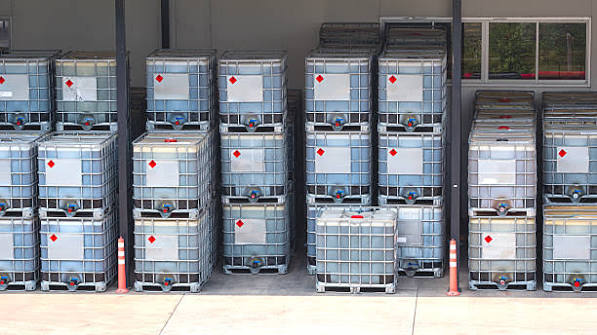
For chemical companies, tracking systems can improve coordination between dispatch teams, warehouse operators and customers.
They can also help businesses identify delivery delays, monitor transportation progress and maintain more accurate estimated arrival information.
Integrating AI and Real-Time Tracking Across Chemical Logistics
The greatest value of digital transformation comes when companies connect AI systems with shipment tracking, warehouse management and procurement platforms.
For example, a chemical distributor can combine inventory records with transportation updates to understand whether incoming shipments will arrive before existing stock runs out.
An integrated system can support several activities:
Shipment monitoring: Logistics teams receive updates about shipment locations and delivery progress.
Inventory synchronization: Warehouse records reflect incoming shipments and available stock.
Automated notifications: Teams receive alerts when deliveries experience delays or important shipment conditions change.
Demand-based planning: AI models use inventory and purchasing information to support replenishment decisions.
Customer communication: Sales and customer service teams can provide more accurate delivery updates.
These capabilities can reduce information gaps between different departments and improve coordination across the supply chain.
Digital Documentation and Chemical Product Traceability
Chemical supply chains involve substantial documentation. Businesses frequently manage product specifications, certificates of analysis (COAs), safety data sheets (SDSs), invoices, purchase orders and transportation records.
Digital documentation platforms help companies organize these records and make relevant information accessible to authorized participants.
Product traceability also becomes easier when businesses connect batch identification, warehouse records and shipment information.
Important applications include:
Digital product records: Maintaining organized information about product specifications and manufacturing batches.
Document management: Storing relevant technical and commercial documents in centralized systems.
Batch traceability: Connecting product batches with manufacturing and distribution records.
Regulatory documentation: Supporting the organization and retrieval of relevant compliance information.
Supplier coordination: Sharing approved documents between manufacturers, distributors and customers.
These systems can improve transparency and simplify administrative coordination throughout the chemical supply chain.
Challenges of Digital Transformation in the Chemical Industry
Despite its potential benefits, digital transformation requires investment, organizational coordination and careful technology selection.
Many chemical companies still operate with legacy software and disconnected information systems. Integrating these systems with modern AI and tracking platforms can require significant planning.
Several challenges deserve attention:
Legacy infrastructure: Older enterprise systems may not communicate easily with newer digital platforms, creating integration difficulties.
Data quality: AI systems depend on accurate and consistent information. Incomplete inventory records or incorrect shipment details can reduce the reliability of automated predictions.
Cybersecurity: Connecting warehouses, suppliers and transportation systems increases the importance of protecting business information and controlling system access.
Implementation costs: Software subscriptions, tracking devices, system integration and employee training require financial investment.
Workforce readiness: Employees need appropriate training to interpret digital information and use new systems effectively.
Supplier participation: Real-time visibility depends partly on logistics providers and business partners sharing timely and consistent information.
Companies should address these challenges through structured implementation rather than introducing multiple disconnected technologies.
The Future of AI-Driven Chemical Supply Chains
Digital transformation is likely to become increasingly important as chemical manufacturers and distributors manage more complex international networks.
The next stage will involve greater integration between AI, connected devices, enterprise resource planning (ERP) systems and digital supply chain platforms.
Several developments could shape this transition:
AI-supported planning: More companies will use predictive analytics to evaluate demand, inventory requirements and potential supply disruptions.
Digital twins: Virtual representations of supply chain operations can help businesses evaluate different planning scenarios.
Automated warehouses: Robotics and intelligent inventory systems may improve warehouse coordination and stock visibility.
Advanced traceability: Connected digital records can improve the ability to follow products across different distribution stages.
Integrated logistics platforms: Businesses will increasingly connect transportation providers, suppliers and customers through shared information systems.
The World Economic Forum has also highlighted the importance of integrated digital capabilities across chemical manufacturing and supply chain operations, including predictive planning and real-time operational information.
World Economic Forum+1
What Chemical Businesses Should Prioritize Next
Digital transformation does not require every chemical company to replace its entire technology infrastructure immediately. A practical approach begins by identifying the operational areas where better information and coordination could deliver the greatest value.
Businesses can prioritize:
Improving data management: Establish consistent product, supplier, inventory and shipment records.
Connecting existing systems: Improve information exchange between procurement, warehouse management and logistics platforms.
Introducing shipment visibility: Use suitable tracking technologies to monitor transportation progress.
Applying AI selectively: Start with useful applications such as demand forecasting and inventory planning.
Strengthening cybersecurity: Establish appropriate access controls and data protection practices.
Training employees: Help procurement, logistics and warehouse teams understand new digital processes.
Chemical companies should also evaluate technology providers based on integration capabilities, data security, scalability and compatibility with existing operations.
The long-term opportunity lies in building connected supply chains where reliable information supports better decisions across procurement, manufacturing, storage and transportation.
For chemical manufacturers, distributors and international trading businesses, AI and real-time tracking are becoming important elements of modern supply chain management. Companies that invest in connected systems can strengthen visibility, improve coordination and respond more effectively to changing market conditions.

Caustic Soda Flakes
Found this useful?