DMC Battery Electrolyte and the Green Solvent Intersection
terminal
prodchem
Jul 13, 2026
Few specialty chemicals illustrate the convergence of industrial transformation and energy transition as clearly as dimethyl carbonate (DMC).
Traditionally recognised as a versatile organic solvent and methylating agent, DMC has become increasingly important because of its central role in lithium-ion battery electrolyte formulations.
At the same time, many manufacturers value DMC as a greener alternative to more hazardous conventional methylating chemicals.
For procurement professionals, this combination creates an interesting market dynamic: growing structural demand alongside sensitivity to upstream feedstock markets.
DMC Plays Two Strategic Roles
Dimethyl carbonate is widely used in two important applications.
Battery Materials
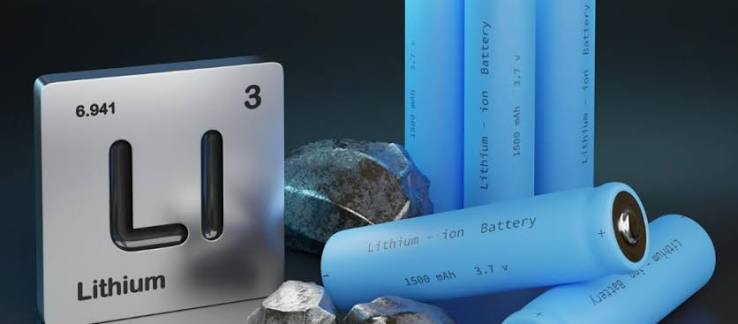
Battery-grade DMC is commonly formulated with other carbonate solvents to produce lithium-ion battery electrolytes used in electric vehicles and energy storage systems.
Typical applications include:
Electric vehicles.
Battery energy storage systems.
Consumer electronics.
Industrial battery manufacturing.
Green Chemistry
DMC is also widely recognised as a safer and more environmentally preferable alternative for selected methylation and carbonylation processes.
Applications include:
Pharmaceutical intermediates.
Fine chemicals.
Specialty chemicals.
Polymer chemistry.
Green synthesis processes.
This combination of applications broadens demand beyond the battery industry alone.
Feedstock Availability Influences Production Economics
Like many specialty chemicals, DMC production depends on upstream feedstocks.
Important commercial considerations include:
Methanol availability.
Carbon monoxide or carbon dioxide utilisation pathways.
Energy costs.
Catalyst performance.
Manufacturing efficiency.
Changes in feedstock markets can therefore influence production costs even when downstream demand remains strong.
Energy Transition Continues Supporting Demand
The continued expansion of battery manufacturing supports long-term consumption of battery electrolyte solvents.
Demand drivers include:
Electric vehicle production.
Grid-scale energy storage.
Consumer electronics.
Renewable energy integration.
Battery manufacturing investment.
These structural trends distinguish DMC from many mature industrial solvent markets.
Procurement Requires Both Feedstock and End-Market Intelligence
For procurement teams purchasing DMC or battery electrolyte components, monitoring only solvent prices provides an incomplete market picture.
Additional indicators include:
Methanol markets.
Battery manufacturing capacity.
EV production forecasts.
Specialty solvent demand.
Chemical logistics.
Regional production investments.
Together, these indicators provide a more complete understanding of future market conditions.
DMC Illustrates the Convergence of Two Global Trends
Many specialty chemicals are influenced primarily by either supply conditions or demand growth.
Dimethyl carbonate is unusual because it sits at the intersection of both.
On one side, production economics remain influenced by upstream feedstocks such as methanol, energy costs and manufacturing inputs.
On the other, long-term demand continues expanding through:
Electric vehicle production.
Battery energy storage systems.
Consumer electronics.
Grid-scale renewable energy integration.
This combination creates a market where procurement teams must monitor both commodity feedstocks and technology-driven demand.
DMC Demonstrates Why Specialty Chemicals Need Different Procurement Strategies
Unlike many commodity chemicals, DMC procurement requires understanding several interconnected markets simultaneously.
Key indicators include:
Battery manufacturing capacity expansions.
EV sales trends.
Methanol price movements.
Carbon utilisation technologies.
Specialty solvent production capacity.
Regional logistics performance.
High-purity chemical quality requirements.
Monitoring these variables helps procurement teams anticipate both pricing and supply availability.
Green Chemistry Is Creating Additional Commercial Demand
Beyond batteries, DMC continues gaining attention because of its role in greener chemical synthesis.
Many manufacturers are evaluating alternatives that:
Improve process safety.
Reduce hazardous reagent use.
Support sustainability objectives.
Enhance regulatory compliance.
Lower environmental impact.
Improve worker safety.
This diversification of applications strengthens long-term market demand beyond the battery sector alone.
Procurement Priorities for Battery Material Buyers
Companies sourcing battery-grade solvents should consider:
Supplier qualification and purity standards.
Feedstock sourcing resilience.
Multi-region supplier portfolios.
Long-term supply agreements.
Product quality consistency.
Manufacturing capacity expansion plans.
Business continuity planning.
These considerations become increasingly important as demand for battery materials continues to grow.
Looking Ahead to H2 2026
Dimethyl carbonate highlights how the chemical industry is evolving towards products that simultaneously support industrial decarbonisation and advanced manufacturing. As an essential component of lithium-ion battery electrolytes and a recognised green chemistry solvent, DMC benefits from long-term structural demand driven by electrification while remaining closely linked to upstream feedstock markets. This combination makes it an increasingly strategic specialty chemical rather than simply another industrial solvent.
For procurement professionals, DMC demonstrates the importance of integrating commodity intelligence with technology market analysis. Feedstock availability, battery manufacturing investment, electric vehicle production and specialty chemical capacity expansion all influence future market conditions. Organisations that monitor these interconnected drivers will be better positioned to secure reliable supply while anticipating changes in pricing and demand.
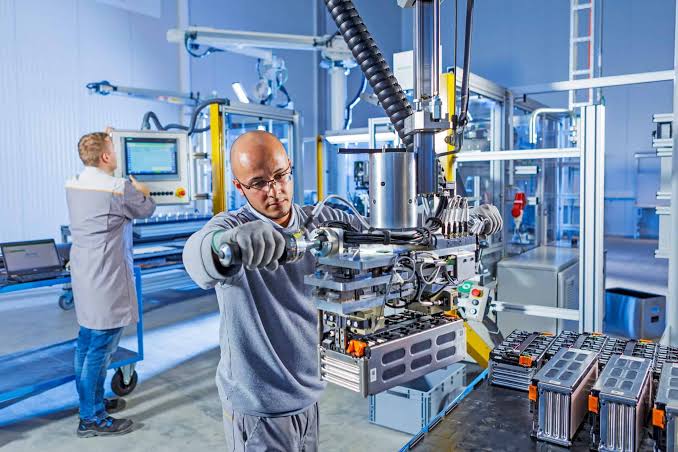
The key lesson for H2 2026 is that the fastest-growing specialty chemicals increasingly sit at the intersection of sustainability and advanced technology. Procurement teams that combine upstream feedstock analysis with downstream technology intelligence will strengthen sourcing strategies, improve supply resilience and better support rapidly expanding markets such as batteries, energy storage and green chemistry.
Ready to source battery-grade dimethyl carbonate, electrolyte solvents and high-purity specialty chemicals from verified global suppliers? Explore competitive offers on our platform today.