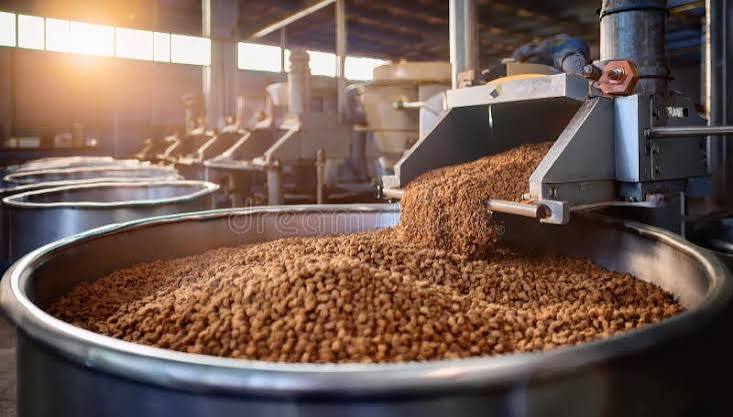
Feed Additives: Applications and Quality Requirements
Feed Additives: Applications and Quality Requirements
Feed additives play an important role in modern animal nutrition and feed manufacturing. Producers use them to improve feed quality, support animal health, maintain nutritional balance and protect feed from deterioration during storage. Depending on their composition and intended function, additives can also improve digestion, support nutrient utilization and enhance the physical properties of finished feed.
The demand for consistent animal nutrition has encouraged feed manufacturers to use specialized additives across poultry, livestock, aquaculture and pet food production. Selecting suitable products requires an understanding of their functions, formulation compatibility, safety requirements and quality specifications.
For feed manufacturers, distributors and agricultural buyers, reliable additive sourcing is essential for maintaining product consistency and meeting market requirements.
What Are Feed Additives?
Feed additives are substances, microorganisms or preparations intentionally incorporated into animal feed or drinking water to perform specific nutritional, technological or zootechnical functions. They may improve the characteristics of feed itself, support animal performance or help maintain feed quality.
Manufacturers incorporate additives during feed formulation, premixing or processing. Some products enter the production process in small quantities, while others form a larger part of specialized feed formulations.
Main Categories of Feed Additives
Feed additives are commonly grouped according to their functions. Regulatory classification varies by market, but the European Union framework identifies five broad categories:
Technological additives: Support feed preservation, stability, processing and physical quality.
Sensory additives: Improve or modify feed characteristics such as taste, aroma and colour.
Nutritional additives: Supply essential nutrients, including vitamins, amino acids and trace elements.
Zootechnical additives: Support beneficial effects on animal performance, digestion or the feed environment.
Coccidiostats and histomonostats: Help control specified parasitic diseases in accordance with applicable authorisations and restrictions.
Understanding these categories helps manufacturers identify additives that match their formulation objectives and regulatory requirements.
Major Types of Feed Additives
Different additive categories address specific nutritional, technological and production needs. Their selection depends on the animal species, feed ingredients, processing conditions and intended outcome.
Nutritional Additives
Nutritional additives provide essential compounds that support animal growth, development and normal physiological functions.
Vitamins such as vitamins A, D, E and selected B-group vitamins support different metabolic and physiological processes. Feed manufacturers incorporate them into premixes and complete feeds to help meet species-specific nutritional requirements.
Amino acids such as lysine, methionine and threonine help balance dietary protein. They are particularly important when feed formulations use combinations of plant-based ingredients that may not provide an ideal amino acid profile.
Trace elements including zinc, copper, iron, manganese, selenium and iodine contribute to important biological functions. Their inclusion levels must be carefully controlled because both deficiencies and excessive intake can create problems.
Enzymes and Digestibility Enhancers
Enzyme additives support the breakdown of selected feed components and can help animals access nutrients that may otherwise be less available.
Common examples include:
Phytase, which helps release phosphorus bound in phytate.
Xylanase, which acts on certain non-starch polysaccharides.
Protease, which breaks down proteins.
Amylase, which helps break down starch.
Beta-glucanase, which targets specific beta-glucans in feed ingredients.
Enzyme selection depends on feed composition, processing conditions, animal species and the required enzyme activity. Manufacturers should evaluate activity units and stability under relevant feed-processing conditions.
Probiotics and Other Microbial Additives
Probiotics are beneficial microorganisms used in selected feed applications to support gastrointestinal microbial balance and animal health.
Common microbial groups used in animal nutrition include selected strains of Lactobacillus, Bacillus and yeast species. Their effects depend on strain identity, viable concentration, formulation and the animal species receiving the feed.
Manufacturers should verify strain identification, viable cell counts and stability throughout storage and processing. Not all microorganisms have the same characteristics, so product-specific evidence is important.
Preservatives and Antioxidants
Preservatives help protect feed ingredients and finished products against deterioration caused by microorganisms. Organic acids and their salts, including propionic acid and formic acid, are used in suitable applications to manage microbial growth.
Antioxidants help protect fats, oils and other oxidation-sensitive feed components. Common examples include approved forms of tocopherols and other permitted antioxidant compounds.
These additives can help maintain feed quality during storage, particularly when formulations contain ingredients that are vulnerable to moisture-related spoilage or oxidation.
Mycotoxin Binders and Deactivating Agents
Mycotoxins are toxic compounds produced by certain moulds that can contaminate agricultural commodities and feed ingredients. Their presence can create risks for animal health and productivity.
Mycotoxin-control products may include mineral-based binders, selected yeast-derived materials and other authorised substances designed to reduce exposure to specific mycotoxins.
Their effectiveness depends on the target toxin, binding or deactivation mechanism, feed composition and conditions of use. Buyers should request evidence for the specific mycotoxins addressed rather than assuming that one product controls every type.
Technological and Sensory Additives
Technological additives help maintain the physical and chemical characteristics of feed during manufacturing and storage.
Examples include:
Binders: Improve pellet durability and particle cohesion.
Anti-caking agents: Help maintain powder flowability.
Emulsifiers: Support the formation or stability of mixtures containing different phases.
Acidity regulators: Adjust or maintain feed pH.
Silage additives: Support fermentation and preservation of suitable forage materials.
Sensory additives, including approved flavours and colourants, modify the sensory characteristics of feed. They may support feed acceptance or help manufacturers maintain consistent product appearance.
Applications of Feed Additives in Animal Nutrition and Manufacturing
Feed additives are used across different animal production systems. Their functions vary according to nutritional requirements, feed formulation and production objectives.
Poultry Feed Production
Poultry feed formulations commonly include vitamins, amino acids, enzymes, minerals and selected microbial additives. These ingredients help manufacturers develop balanced diets for broilers, layers and breeding birds.
Phytase can help improve the availability of phosphorus in suitable plant-based formulations. Amino acids such as lysine and methionine help balance dietary protein, while enzymes may support the utilization of specific feed components.
Preservatives and antioxidants also help maintain feed quality during storage and distribution.
Livestock and Dairy Feed
Cattle, sheep, goats and other livestock require feed formulations suited to their digestive systems and production stages.
Ruminant feed may include mineral and vitamin premixes, buffers, selected microbial additives and products designed to support feed preservation. Silage additives are particularly relevant when producers need to manage fermentation and preserve forage quality.
Dairy feed formulations may also include additives selected to support nutrient balance and rumen function. Product selection should reflect the animal's diet, production stage and veterinary or nutritional guidance.
Aquaculture Feed
Aquaculture feed manufacturers use additives to support nutrient balance, pellet stability and feed quality in aquatic environments.
Amino acids, vitamins, minerals, enzymes and selected microbial products may be included in fish and shrimp diets. Binders help maintain pellet integrity, while antioxidants can protect oxidation-sensitive ingredients such as fish oils.
Water stability is an important quality consideration because feed pellets must maintain suitable physical characteristics during feeding. The required performance depends on the aquatic species, feeding method and formulation.
Feed Preservation and Manufacturing Efficiency
Additives also support the manufacturing process itself. Binders and processing aids can improve pellet durability, while anti-caking agents support the handling of powdered materials and premixes.
Preservatives and antioxidants help maintain quality during storage. Enzymes and other functional ingredients may require controlled addition points to protect their activity during processing.
Manufacturers should ensure that mixing systems distribute additives uniformly, especially when ingredients are used at low inclusion rates.
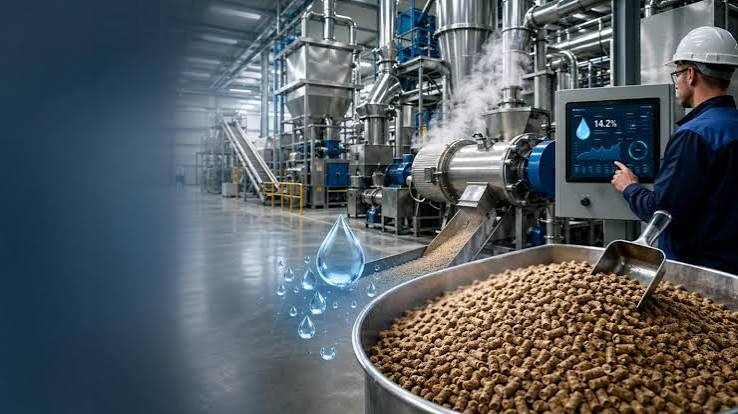
Quality Requirements for Feed Additives
Feed additive quality directly affects formulation accuracy, manufacturing consistency and feed safety. Buyers should assess product specifications before approving a supplier or incorporating an additive into production.
Identity and Composition
The supplier should clearly identify the additive and its active components. Product documentation should describe the chemical composition, microbial strain or enzyme activity, depending on the product category.
For nutritional additives, buyers should verify the declared nutrient concentration. For microbial products, strain identity and viable cell count are important. For enzymes, the supplier should specify activity units and the relevant analytical method.
Purity and Contaminant Control
Feed additives should meet applicable purity and safety requirements. Depending on the material, relevant checks may include heavy metals, undesirable chemical residues, microbiological contamination, foreign matter and other product-specific impurities.
For microbial additives, manufacturers should also assess contamination by unwanted microorganisms. Mycotoxin-related products require suitable evidence of their intended performance and quality.
Stability and Shelf Life
Stability determines whether an additive maintains its required characteristics throughout storage and use.
Temperature, humidity, oxygen exposure and processing conditions can affect different additives in different ways. Enzymes and probiotics may require particular attention to heat stability, moisture protection and storage conditions.
Buyers should review shelf-life information, recommended storage temperatures, packaging integrity and any special handling instructions.
Homogeneity and Mixing Performance
Uniform distribution is essential when additives are incorporated at low inclusion rates. Uneven mixing can lead to inconsistent nutrient levels or additive concentrations in finished feed.
Manufacturers should assess particle size, carrier compatibility, mixing time and dosing accuracy. Premixes and suitable dilution methods can help improve distribution.
Documentation and Traceability
Reliable suppliers should provide appropriate technical and quality documents, including:
Technical Data Sheet (TDS)
Safety Data Sheet (SDS)
Certificate of Analysis (CoA)
Active ingredient or activity specifications
Batch identification and traceability details
Shelf-life and storage information
Relevant regulatory authorisation or compliance documents
The exact documentation depends on the product and destination market.
How to Select a Reliable Feed Additive Supplier
Supplier selection should consider more than price and product availability. Buyers should evaluate technical capability, quality management and regulatory compliance.
Verify Regulatory Status
Feed additive regulations differ between countries and product categories. An additive authorised in one market may have different conditions or may not be permitted in another.
Buyers should confirm the applicable approval status, permitted animal species, inclusion levels and conditions of use for their destination market.
2-Ethyl Hexanol
Found this useful?