Flame Retardant Chemicals: Applications, Types and Evolving Industry Requirements
Fire safety requirements are becoming increasingly important across industries that rely on plastics, textiles, electrical components and construction materials. Flame retardant chemicals help manufacturers reduce the likelihood of ignition, slow flame propagation and limit the spread of fire in finished products.
Their importance extends beyond conventional fire protection. Manufacturers must now balance fire performance with material durability, product quality, environmental considerations and changing chemical regulations. This shift has created demand for specialised formulations that meet application-specific safety requirements without compromising manufacturing efficiency.
For chemical traders, procurement managers and industrial buyers, understanding the different flame retardant categories and their applications helps support better sourcing decisions. Product selection increasingly depends on technical compatibility, regulatory requirements and the reliability of international supply chains.
What Are Flame Retardant Chemicals and How Do They Work?
Flame retardant chemicals are substances that manufacturers incorporate into materials or apply to their surfaces to improve resistance to fire. They help reduce ignition risk, delay combustion or slow the movement of flames through a material.
These chemicals do not necessarily make products completely fireproof. Instead, they modify the combustion process and provide additional time for fire detection, evacuation and emergency response.
Their mechanisms depend on chemical composition and the material receiving treatment. Common mechanisms include:
Gas-phase inhibition: Certain flame retardants interfere with the chemical reactions that sustain combustion in the gas surrounding a burning material.
Condensed-phase action: Some compounds encourage protective char formation on the material's surface, reducing heat transfer and limiting the release of combustible gases.
Heat absorption: Certain mineral-based additives absorb heat during decomposition, helping lower the temperature of the surrounding material.
Dilution of combustible gases: Some additives release non-combustible gases or water vapour when heated, reducing the concentration of flammable gases.
Manufacturers select these mechanisms according to the material's composition, processing temperature and required fire performance. A formulation designed for flexible polyurethane foam may not deliver the same results in an electrical enclosure or construction panel.
Major Types of Flame Retardant Chemicals Used in Industry
The flame retardant market includes several chemical families, each offering different performance characteristics and processing requirements. Manufacturers often combine multiple additives to achieve the required balance between fire resistance, mechanical properties and production costs.
1. Halogen-based flame retardants
These compounds contain elements such as bromine or chlorine. They can provide effective flame inhibition in selected polymer applications, particularly where manufacturers require strong performance at relatively low additive concentrations.
However, environmental persistence, toxicity concerns and restrictions on certain substances have encouraged manufacturers to evaluate alternative formulations. Buyers should assess the regulatory status of individual compounds rather than treating all halogenated products as one category.
2. Phosphorus-based flame retardants
Phosphorus compounds support fire resistance through mechanisms that can include char formation and gas-phase inhibition. Manufacturers use them in plastics, polyurethane materials, coatings and selected textile applications.
Their performance depends on the phosphorus compound, polymer chemistry and formulation. Some products also serve as plasticisers, allowing manufacturers to combine multiple functional properties in one additive.
3. Mineral-based flame retardants
Aluminium hydroxide and magnesium hydroxide are widely used inorganic flame retardant additives. They absorb heat during decomposition and release water vapour, which helps reduce heat and combustible gas concentrations.
These materials often require relatively high loading levels. Formulators must therefore consider their effects on viscosity, flexibility, tensile strength and other physical properties.
4. Nitrogen-based flame retardants
Nitrogen-containing compounds, including melamine-based products, support fire resistance through gas release, thermal decomposition and synergistic interactions with other additives. They appear in selected plastics, coatings and polymer formulations.
5. Antimony-based synergists
Antimony trioxide plays an important supporting role in certain halogen-containing flame retardant systems. It can improve flame-retardant performance through synergistic interactions, particularly in plastics, rubber and textile coatings.
Its effectiveness depends on the complete formulation, so manufacturers must evaluate compatibility, dispersion and applicable chemical restrictions before selecting a grade.
Industrial Applications Driving Flame Retardant Demand
Flame retardant chemicals serve a wide range of manufacturing sectors. Demand reflects the need to protect products exposed to electrical heat, open flames, high operating temperatures or other potential ignition sources.
Electrical and electronic equipment
Electrical equipment contains plastic housings, circuit components, cable insulation and connectors that may experience heat during operation. Flame retardant additives help manufacturers improve the fire performance of these components.
Common applications include:
Electrical cable insulation and sheathing.
Switches, sockets and circuit breaker housings.
Consumer electronics enclosures.
Electrical connectors and appliance components.
Power distribution equipment.
Manufacturers must consider the electrical, thermal and mechanical requirements of each component alongside relevant flammability testing standards.
Construction and building materials
Construction products frequently incorporate flame retardants to improve fire performance in buildings and infrastructure. Applications include insulation boards, polyurethane panels, sealants, protective coatings and selected plastic building components.
These additives help manufacturers develop materials that meet project-specific fire performance requirements. Buyers should consider the complete building application, including installation conditions and compatibility with other construction materials.
Automotive and transportation
Vehicle manufacturers use flame retardant additives in interior plastics, seating foams, cable systems and electrical components. Electric vehicles have also increased attention on fire performance in battery-related components, charging systems and electrical insulation.
The automotive sector requires additives that maintain material performance under vibration, temperature changes and prolonged use. Formulators must also consider weight reduction and durability requirements.
Textiles and furniture
Flame retardant treatments appear in selected upholstery fabrics, curtains, mattresses, carpets and industrial textiles. These treatments help manufacturers address fire safety requirements for products used in commercial buildings, transport systems and public facilities.
Application methods vary according to the fabric and finishing process. Chemical compatibility, wash durability and the effect on fabric appearance remain important purchasing considerations.
Industrial equipment and aerospace
Industrial machinery, protective enclosures and specialised transportation components may require flame-retardant materials to manage fire-related risks. Aerospace applications place particularly demanding requirements on material performance, smoke generation and toxicity.
Evolving Industry Requirements and Regulatory Pressures
Flame retardant manufacturers face changing expectations as regulators, product developers and industrial customers place greater emphasis on chemical safety and environmental performance.
Traditional fire resistance remains essential, but it no longer represents the only selection criterion. Manufacturers increasingly assess the complete chemical profile of an additive, including its persistence, potential toxicity and environmental behaviour.
Several developments are influencing product specifications:
Chemical restrictions: Regulations such as REACH in the European Union restrict or regulate specific substances based on their identified hazards and uses. Buyers must verify the status of individual flame retardant chemicals.
Persistent chemical concerns: Greater scrutiny of persistent, bioaccumulative and toxic substances encourages manufacturers to review established formulations.
Smoke and toxicity performance: Some applications require attention to smoke generation and combustion products in addition to flame spread.
Material recyclability: Manufacturers increasingly assess whether flame retardant additives affect polymer recycling, material recovery and circular manufacturing processes.
Application-specific testing: Customers expect suppliers to provide technical information that supports compliance with the relevant product and industry standards.
These requirements encourage suppliers to improve product documentation and offer more specialised formulations. For procurement teams, regulatory compatibility should form part of supplier evaluation from the beginning rather than becoming a final-stage purchasing check.
Why Formulation Compatibility Matters in Flame Retardant Selection
Choosing a flame retardant involves more than comparing chemical prices or additive concentrations. The selected compound must work effectively within the host material and remain compatible with the manufacturer's production process.
For example, a mineral-based additive may provide useful heat absorption but require higher loading levels than certain phosphorus-based alternatives. This can influence polymer flexibility, processing viscosity and finished-product strength.
Procurement teams should evaluate several technical factors:
Thermal stability: The additive must withstand the processing temperatures used during extrusion, moulding or coating.
Dispersion quality: Uniform distribution helps manufacturers achieve consistent performance throughout the finished material.
Mechanical properties: Additives should not cause unacceptable changes in tensile strength, impact resistance or flexibility.
Moisture sensitivity: Some chemicals require controlled storage and handling to maintain product quality.
Compatibility: The flame retardant must work with the polymer, plasticiser, stabiliser and other formulation ingredients.
Required fire performance: The complete formulation must meet the relevant testing criteria for its intended application.
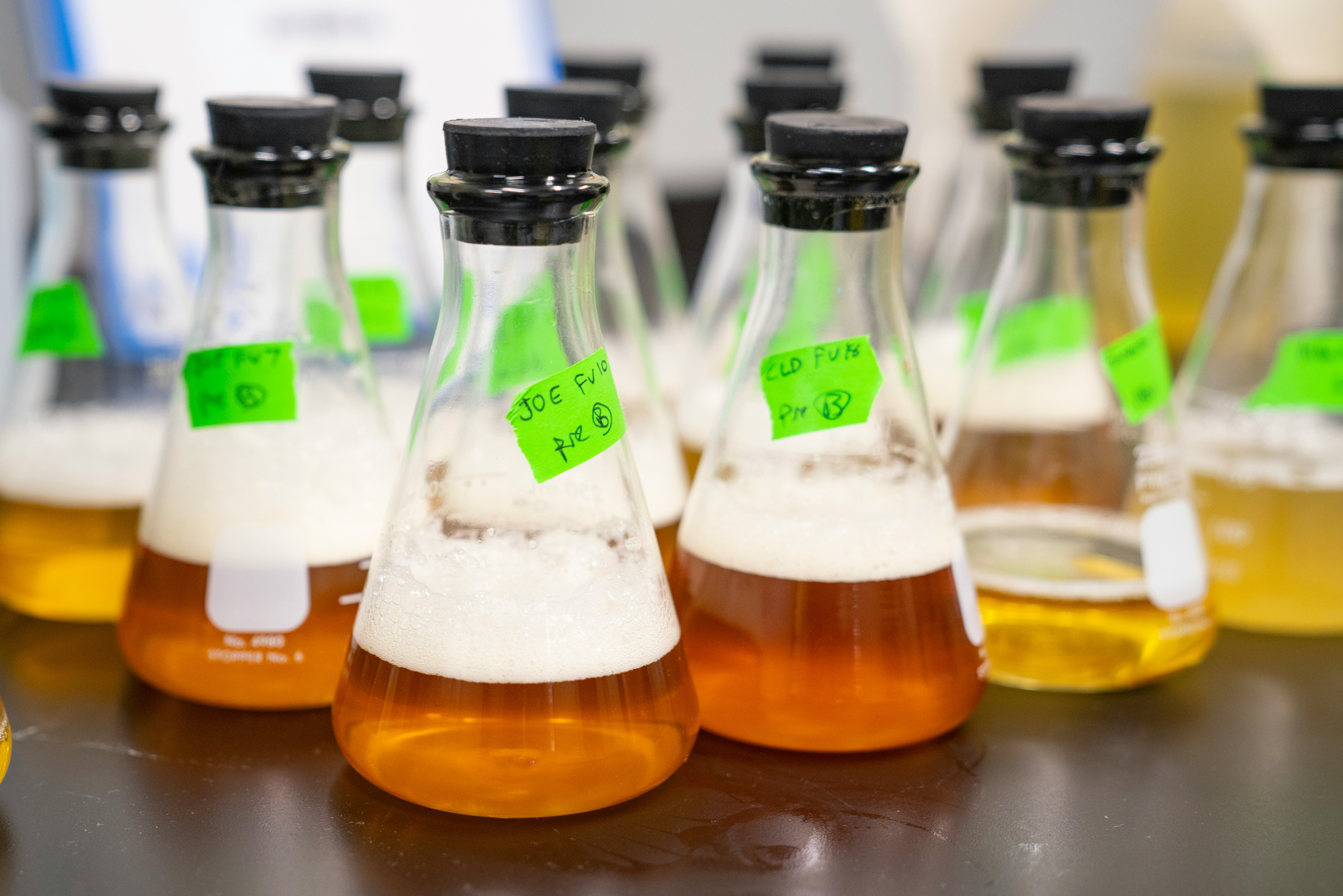
Manufacturers should conduct laboratory trials before introducing a new additive into full-scale production. Small formulation differences can influence both fire performance and manufacturing efficiency.
Global Sourcing Challenges for Flame Retardant Chemicals
International procurement introduces additional considerations beyond product performance. Buyers must manage availability, pricing, shipping conditions and regulatory documentation when sourcing specialised chemical additives.
Supply disruptions can affect production schedules, especially when manufacturers depend on a limited number of suppliers or specific chemical grades. Changes in raw material costs, energy prices and freight rates can also influence landed purchasing costs.
Key sourcing challenges include:
Supplier concentration: Certain specialised flame retardant chemicals have a limited manufacturing base. Heavy dependence on one producing region can expose buyers to supply interruptions.
Product consistency: Variations in purity, particle size and physical characteristics can affect formulation performance. Buyers should request technical data sheets and certificates of analysis for incoming batches.
Transportation and storage: Different chemical products require specific packaging, temperature conditions and handling procedures. Importers should confirm shipping requirements before placing orders.
Regulatory documentation: International shipments may require safety data sheets, appropriate hazard classifications, chemical declarations and other destination-specific documents.
Total landed cost: A competitive quoted price does not always represent the lowest procurement cost. Freight, insurance, duties, handling charges and quality-related expenses all influence the final purchasing decision.
Building relationships with multiple qualified suppliers can improve procurement flexibility. Buyers should also establish clear specifications and quality acceptance criteria before confirming recurring orders.
Sustainability and the Shift Towards Alternative Flame Retardant Solutions
Environmental considerations increasingly influence flame retardant research and product development. Manufacturers are exploring alternatives that deliver effective fire performance while addressing concerns about chemical exposure, persistence and end-of-life material management.
Several approaches are gaining attention:
Halogen-free formulations: These systems use alternatives such as phosphorus-based, nitrogen-based and mineral additives to achieve application-specific fire performance.
Bio-based materials: Research into renewable feedstocks aims to develop flame-retardant compounds with improved environmental profiles.
Reactive flame retardants: Some compounds chemically integrate into polymer structures, which can reduce migration compared with certain additive-based systems.
Improved recycling compatibility: Formulators are examining how additives influence polymer separation, recovery and reuse.
Multifunctional additives: Combining flame retardancy with other material properties can help reduce the number of separate formulation ingredients.
However, an alternative must deliver the required technical performance before manufacturers can adopt it commercially. Buyers should assess fire behaviour, durability, processing compatibility and regulatory status together rather than selecting products based solely on environmental positioning.
What Procurement Teams Should Prioritise When Buying Flame Retardant Chemicals
A reliable sourcing strategy starts with a clear understanding of the intended application. Procurement teams should work with technical and compliance departments to establish product requirements before comparing international supplier offers.
A practical purchasing process should include:
Define the application: Identify whether the additive will serve plastics, textiles, construction materials, electrical components or another industrial segment.
Establish technical specifications: Confirm chemical composition, purity, physical form, particle size and relevant performance requirements.
Check regulatory suitability: Review applicable chemical restrictions and destination-market requirements for the specific product.
Request supplier documentation: Obtain technical data sheets, safety data sheets and batch-specific certificates of analysis.
Evaluate product samples: Conduct compatibility and performance testing before approving a supplier for regular orders.
Compare landed costs: Include transportation, customs duties, packaging and handling in the purchasing calculation.
Assess supply reliability: Review production capacity, lead times, export experience and the supplier's ability to maintain consistent quality.
Buyers should avoid relying on generic descriptions such as flame retardant grade without checking the exact product specification. Different chemical grades can produce significantly different results in the same manufacturing process.
The Future of Flame Retardant Chemicals and Industrial Procurement
Demand for flame retardant chemicals will continue to reflect developments in construction, transportation, electronics and advanced polymer manufacturing. Electrification, infrastructure investment and increasingly complex electronic systems are keeping fire performance high on manufacturers' priorities.
At the same time, regulatory developments and sustainability expectations are encouraging the industry to move towards more carefully selected chemical formulations. Suppliers that combine technical consistency with transparent documentation and dependable delivery will remain important partners for international buyers.
Procurement teams can prepare by diversifying qualified supply sources, reviewing regulatory requirements regularly and maintaining close communication with formulation specialists. A balanced approach to price, performance and compliance will help manufacturers manage changing requirements without compromising product quality.
Ready to source Antimony Trioxide (99.5%) - China from verified global suppliers? Explore competitive offers on our platform today.
Source:
Antimony Trioxide (99.5%) - China
Found this useful?