Global Pesticide Market: Regulation, Innovation and Farm Demand
Agricultural production faces increasing pressure from changing weather patterns, crop diseases, pest resistance and growing food requirements. These challenges continue to influence the global pesticide market, creating demand for effective crop protection products while encouraging manufacturers to develop safer and more sustainable alternatives.
Pesticides remain important agricultural inputs because they help farmers manage insects, weeds and plant diseases that threaten crop productivity. However, the industry is experiencing a significant shift. Regulatory authorities are reviewing existing chemical approvals while agricultural businesses increasingly consider biological products, precision application technologies and integrated pest management.
For chemical manufacturers, distributors, importers and agricultural procurement teams, these developments create both commercial opportunities and supply chain challenges. Understanding regulatory changes and emerging agricultural solutions can help buyers evaluate suppliers and prepare for changing market requirements.
Global Pesticide Market Trends and Demand Drivers
The pesticide industry serves a wide range of agricultural activities, including cereal production, fruit cultivation, vegetable farming and commercial plantations. Demand depends on crop acreage, seasonal pest pressure, weather conditions and farmers' ability to invest in crop protection.
Population growth and food security requirements continue to support the need for reliable agricultural production. Farmers also face increasing challenges from changing pest populations and the development of resistance to certain active ingredients.
Growing Demand Across Agricultural Applications
Different pesticide categories serve specific crop protection requirements:
Herbicides: Help manage unwanted vegetation that competes with crops for nutrients, water and growing space. They remain important in large-scale cereal, soybean and other field crop production.
Insecticides: Target insect pests that damage leaves, stems, roots and developing fruits. Demand depends on pest prevalence and the crops being cultivated.
Fungicides: Help manage fungal diseases affecting agricultural crops. Humidity, rainfall and temperature variations can influence seasonal demand.
Rodenticides: Support the management of rodent populations in agricultural storage and other relevant environments.
These categories respond differently to agricultural conditions. For example, wetter growing seasons can increase the need for certain fungicides, while changing insect populations can influence demand for specific insecticide formulations.
The European Union recorded approximately 316,000 tonnes of pesticide sales in 2024, an increase of around 8% compared with 2023. Despite this increase, sales remained approximately 12% below the 2011–2021 average, demonstrating how annual demand can fluctuate with agricultural and climatic conditions.
Changing Preferences Among Agricultural Buyers
Agricultural buyers increasingly evaluate products beyond their initial purchase price. They consider regulatory acceptance, crop compatibility, supplier reliability and the availability of technical documentation.
Manufacturers that offer differentiated formulations and products suited to changing regulatory requirements may gain stronger commercial opportunities. Meanwhile, distributors must monitor product registrations and changing market preferences across their target regions.
Regulatory Changes Reshaping the Pesticide Industry
Regulation is one of the most important factors influencing pesticide manufacturing, international trade and agricultural procurement. Governments increasingly assess the effects of pesticide products on human health, food safety and environmental protection.
Regulatory requirements differ between countries. A product authorised in one market may require additional evaluation or registration before manufacturers can sell it elsewhere.
European Union Pesticide Policy Developments
The European Union maintains a regulatory framework under Regulation (EC) No 1107/2009 for plant protection products. The system involves approval of active substances at EU level and authorisation of individual products by national authorities.
Maximum residue levels under Regulation (EC) No 396/2005 also determine permitted pesticide residue concentrations in food and feed, including imported agricultural products.
An important development is the European Commission's Food and Feed Safety Simplification Package, presented in December 2025. Its proposed changes include streamlining approval procedures, improving access to biological alternatives and reducing administrative delays.
On 30 September 2026, the Council agreed on its negotiating position regarding the package. Its proposals include prioritising biocontrol substances for assessment and introducing longer approval periods for certain categories of active substances. These developments remain part of the legislative process and should not be treated as a completed overhaul of the entire framework.
For pesticide manufacturers and exporters, these developments make regulatory monitoring particularly important. Companies must distinguish between proposed legislative changes, adopted measures and requirements already in force.
Stricter Residue Monitoring in International Trade
Food safety requirements also influence pesticide demand and international agricultural trade.
In May 2026, the US Food and Drug Administration announced updates to its pesticide residue monitoring programme. The programme monitors approximately 3,500 domestic and imported food samples annually for residues of around 780 pesticides.
This reflects the importance of residue monitoring for food producers, exporters and agricultural supply chains.
Exporters must therefore consider:
Applicable maximum residue limits in destination markets.
Product registration and permitted active ingredients.
Agricultural production and traceability records.
Laboratory testing and supporting documentation.
Changes to importing-country food safety requirements.
For international chemical traders, regulatory compliance can directly influence product acceptance and market access.
Emerging Agricultural Solutions Transforming Crop Protection
The pesticide industry is gradually moving towards more diversified crop protection strategies. Conventional chemical products continue to serve important agricultural purposes, but biological alternatives and technology-supported farming are gaining attention.
These developments create opportunities for manufacturers that can combine product innovation with reliable regulatory and technical support.
Biological Pesticides and Biocontrol Solutions
Biopesticides use naturally occurring organisms, substances or biological processes to manage agricultural pests.
Common categories include:
Microbial pesticides: Use microorganisms such as bacteria and fungi for specific crop protection purposes.
Biochemical pesticides: Include naturally occurring substances such as certain plant-derived compounds and insect pheromones.
Plant-incorporated protectants: Involve protective substances produced by plants through introduced genetic material.
Biological products are attracting attention because they can provide additional options within integrated pest management programmes. However, their performance depends on product characteristics, environmental conditions, target organisms and appropriate agricultural use.
Regulatory authorities are also exploring ways to improve access to these alternatives. The US Environmental Protection Agency maintains a dedicated biopesticide registration programme, while the European Commission's recent proposals place additional emphasis on facilitating biocontrol development and market access.
Precision Agriculture and Smart Application Technologies
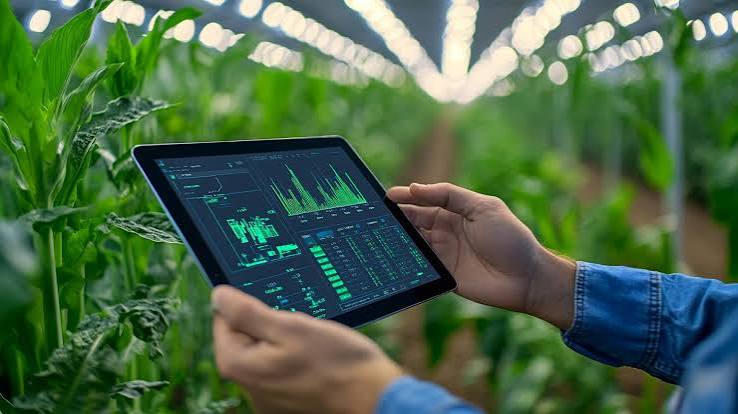
Digital agriculture is changing how farmers monitor crop conditions and make crop protection decisions.
Modern farming systems increasingly incorporate:
Satellite imagery and remote sensing to monitor crop conditions.
Sensors that collect information about soil and environmental conditions.
Artificial intelligence tools that analyse agricultural data.
Digital field monitoring systems that help identify potential pest and disease problems.
Precision application equipment designed to support more targeted agricultural operations.
These technologies can improve decision-making and help agricultural businesses use crop protection resources more efficiently.
For pesticide manufacturers, precision agriculture also creates opportunities to develop formulations compatible with modern application systems. However, product selection and application must remain consistent with approved labels and local regulations.
Sustainability and Innovation in Pesticide Manufacturing
Environmental considerations are becoming increasingly important in pesticide product development. Manufacturers face pressure to improve product performance while addressing concerns related to environmental persistence, non-target organisms and chemical residues.
This shift is encouraging research into alternative active ingredients, improved formulations and more targeted crop protection approaches.
Developing Lower-Risk Formulations
Product development increasingly considers the complete lifecycle of pesticide formulations, from manufacturing and transportation to agricultural use and waste management.
Some important innovation areas include:
Biodegradable formulations: Research focuses on improving the environmental characteristics of formulation components.
Controlled-release technologies: Aim to manage how active ingredients become available over time.
Microencapsulation: Uses protective coatings around active ingredients to influence product stability and release characteristics.
Biological combinations: Research explores combinations of biological agents and other compatible crop protection technologies.
These developments may help manufacturers differentiate their product portfolios. However, environmental claims require appropriate scientific evidence and regulatory approval.
Integrated Pest Management
Integrated Pest Management (IPM) combines different crop protection methods rather than relying exclusively on conventional pesticides.
It can involve crop monitoring, biological control, resistant crop varieties, cultural practices and selective chemical interventions where appropriate.
IPM is important because repeated reliance on the same pest control approach can contribute to resistance development. Diversified strategies help agricultural businesses manage pest pressure while considering environmental and economic factors.
Regional Market Opportunities and Supply Chain Challenges
Pesticide demand varies across regions because agricultural practices, crop portfolios, climate conditions and regulatory systems differ.
For manufacturers and international traders, understanding these differences is essential when evaluating potential markets.
Asia-Pacific
Asia-Pacific remains an important agricultural and chemical manufacturing region. Large agricultural economies, including China and India, support demand for crop protection products across cereals, vegetables, fruits and commercial plantations.
The region also offers opportunities for manufacturers developing biological products and modern agricultural formulations. However, local registration requirements and differences in agricultural practices influence market entry.
Europe
European pesticide markets operate under extensive product approval and food safety requirements. Regulatory developments and growing interest in biological alternatives are influencing product portfolios.
Suppliers targeting European buyers must pay close attention to active ingredient approvals, national product authorisations and residue requirements.
North America
The United States and Canada have established agricultural chemical markets supported by large-scale farming operations and developed regulatory systems.
Innovation in biological crop protection, digital agriculture and product formulation continues to create opportunities for suppliers. Monitoring registration requirements and food residue standards remains important for companies participating in these markets.
International Sourcing Considerations
Pesticide supply chains involve manufacturers, active ingredient producers, formulation companies, distributors and agricultural buyers.
Procurement teams should assess several factors before selecting suppliers:
Regulatory documentation: Confirm that products meet applicable registration and import requirements.
Product specifications: Review active ingredient information, formulation details and technical documentation.
Quality consistency: Evaluate manufacturing standards and batch-level quality records.
Supply reliability: Consider production capacity, transportation routes and seasonal availability.
Commercial terms: Compare pricing, payment conditions, delivery schedules and minimum order quantities.
International buyers should also evaluate how changes in trade policies, registration decisions and transportation costs may affect sourcing arrangements.
What Buyers Should Expect from the Global Pesticide Market
The global pesticide market is likely to experience continued changes as agricultural businesses balance crop protection needs with regulatory expectations and sustainability objectives.
Conventional pesticides will remain relevant across many agricultural applications, while biological products, advanced formulations and digital monitoring technologies will expand the range of available crop protection solutions.
For procurement professionals, the next phase of market development will require closer attention to product approvals, supplier qualifications and changing agricultural requirements.
Buyers should establish relationships with suppliers that provide consistent product quality, transparent documentation and reliable delivery arrangements. They should also monitor regulatory developments in destination markets before committing to international purchasing contracts.
Manufacturers and distributors that understand these changes can identify emerging opportunities while reducing regulatory and supply chain uncertainty.
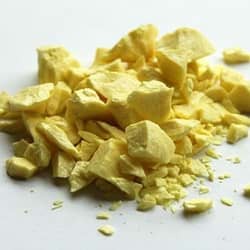
Sulphur
Found this useful?