Heidelberg Materials Buys the Nordics’ Gravel and Asphalt
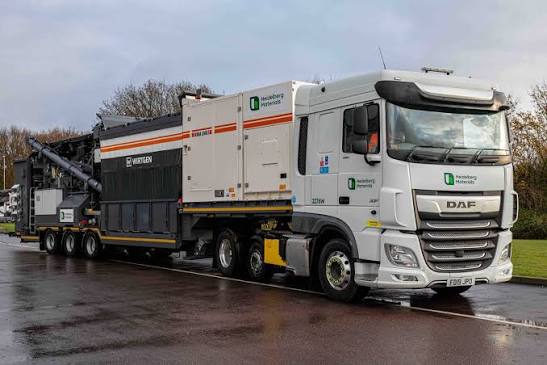
Heidelberg Materials is expanding its footprint in Northern Europe through an agreement to acquire NCC's aggregates and asphalt operations in Sweden and Norway for an enterprise value of approximately SEK 5.5 billion.
Announced on October 7, 2026, the transaction covers 106 aggregates sites and 44 hot-mix asphalt plants. It forms part of NCC's broader divestment of its Industry business area, which is being sold to Heidelberg Materials and CRH in a combined transaction valued at SEK 8.2 billion.
The acquisition reflects a broader trend in construction materials: major producers are strengthening their regional networks, securing access to raw materials, and positioning themselves to benefit from infrastructure investment and demand for integrated building-material solutions.
Deal Overview
The transaction will expand Heidelberg Materials' existing operations in Sweden and Norway, adding a substantial network of aggregates and asphalt production facilities.
Key details include:
Buyer: Heidelberg Materials Nordics
Seller: NCC AB
Enterprise value: Approximately SEK 5.5 billion
Aggregates sites: 106
Hot-mix asphalt plants: 44
Markets covered: Sweden and Norway
Transaction status: Binding agreement signed, subject to regulatory approval
Expected completion: Second half of 2027
The transaction is structured on a cash- and debt-free basis. Heidelberg Materials also stated that the acquisition implies a pro forma EBITDA multiple below its own, indicating that the deal may offer opportunities to strengthen the group's financial and operational position.
Why Aggregates and Asphalt Matter
Aggregates and asphalt are essential materials for roads, buildings, industrial facilities, and public infrastructure.
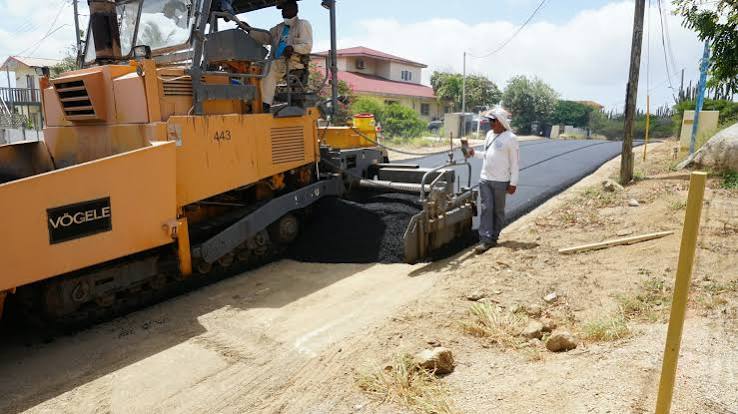
Aggregates—including crushed stone, gravel, and other mineral materials—are used in concrete, road construction, foundations, and other civil engineering applications. Asphalt is widely used for road surfaces, parking areas, and transport infrastructure.
Because these materials are relatively heavy and costly to transport over long distances, proximity to production sites and customers can be a significant competitive advantage.
A broader regional network can help Heidelberg Materials improve:
Access to locally available raw materials
Distribution efficiency
Customer service and delivery reliability
Production and logistics coordination
Regional market coverage
Integration between aggregates, asphalt, and other building materials
Strategic Rationale for Heidelberg Materials
The acquisition complements Heidelberg Materials' established presence in Sweden and Norway across cement, aggregates, ready-mixed concrete, and precast concrete.
Adding NCC's assets could strengthen its ability to offer customers a more integrated range of construction materials.
1. Expanded Regional Footprint
The 106 aggregates sites and 44 asphalt plants will provide a wider operating network across two established Nordic markets, subject to completion.
2. Stronger Infrastructure Exposure
Road construction, transport links, public infrastructure, and industrial development create demand for aggregates and asphalt. The expanded network could help Heidelberg Materials capture more of this demand.
3. Integrated Product Offering
Combining aggregates and asphalt with cement and concrete operations may create opportunities to coordinate production, logistics, and customer relationships.
4. Potential Operational Synergies
A larger regional footprint may create opportunities to improve procurement, transport planning, plant utilization, and operational efficiency. The actual benefits will depend on integration and market conditions.
NCC's Portfolio Restructuring
For NCC, the sale represents a strategic move to concentrate more closely on its contracting business.
NCC's Industry division operates a production-based business model involving standardized materials produced at fixed facilities. This differs from its construction and civil engineering contracting operations, which are organized around individual projects.
NCC reported that its Industry business area generated SEK 12.6 billion in sales and SEK 879 million in operating profit during 2025.
By divesting the division, NCC expects to reduce its capital intensity, release capital, and strengthen its financial flexibility while focusing on its core contracting activities.
CRH Also Acquires Nordic Assets
The transaction involves two buyers rather than a single acquisition of all NCC Industry operations.
While Heidelberg Materials is acquiring the Swedish and Norwegian aggregates and asphalt businesses, CRH is acquiring the corresponding operations in Denmark and Finland.
The combined divestment carries an enterprise value of approximately SEK 8.2 billion.
This division of assets will reshape ownership across several Nordic construction-materials markets, with two major building-materials groups expanding their regional positions. The impact on competition and customer choice will depend in part on the final transaction structure and regulatory decisions.
Market Implications
The deal highlights continued consolidation in the construction-materials sector, where access to production sites, raw materials, and distribution networks can influence long-term competitiveness.
Potential implications include:
Greater consolidation among regional aggregates and asphalt producers
Stronger competition between large integrated building-materials groups
Increased focus on transport efficiency and local supply networks
Potential improvements in coordination across materials businesses
Changes in supplier relationships as ownership transfers
Greater emphasis on infrastructure-related demand
For contractors and infrastructure developers, the effects will depend on how the expanded businesses are integrated and how competition evolves in individual local markets.
Competitive Intelligence
Companies monitoring the Nordic construction-materials market should track several indicators following the announcement.
1. Regulatory Approval
Competition authorities must review the transaction before completion. Any conditions or remedies could influence how the assets are transferred.
2. Integration Plans
Updates on plant operations, logistics, management, and customer arrangements may reveal where operational efficiencies are expected.
3. Infrastructure Demand
Road maintenance, transport investment, and public infrastructure spending will influence demand for aggregates and asphalt.
4. Local Competition
The regional distribution of production sites matters because transport costs can limit the distance over which these materials are economically supplied.
5. Sustainability and Production Efficiency
Construction-materials producers are under increasing pressure to improve resource efficiency, reduce emissions, and develop lower-carbon products. The acquisition may create additional opportunities to coordinate such initiatives across the enlarged network.
Procurement Considerations
Construction companies, road contractors, and infrastructure developers should monitor the transaction as it progresses toward completion.
Recommended actions include:
Confirm existing supply agreements and contractual arrangements.
Monitor any changes to ordering processes or customer contacts.
Review alternative suppliers in markets where local concentration may increase.
Evaluate delivered costs, including transport and handling.
Assess supplier capacity for upcoming infrastructure projects.
Track sustainability specifications and material documentation requirements.
Because the transaction is not yet complete, customers should not assume that ownership, pricing, supply arrangements, or operational procedures have already changed.
Looking Ahead
Heidelberg Materials' planned acquisition of NCC's Swedish and Norwegian aggregates and asphalt operations is a significant move to strengthen its position in the Nordic construction-materials market.
The addition of 106 aggregates sites and 44 asphalt plants could improve its regional coverage and support a more integrated offering across construction materials. For NCC, the divestment supports a more focused contracting strategy, while CRH's parallel acquisition will also reshape the regional competitive landscape.
The key milestone is regulatory approval, with completion expected in the second half of 2027. Until then, the strategic benefits remain prospective rather than realized.
For construction-materials buyers, contractors, and infrastructure developers, monitoring the approval process and subsequent integration plans will be important for understanding future supplier options, logistics efficiency, and regional competition.
Key Takeaways
Heidelberg Materials agreed to acquire NCC's Swedish and Norwegian aggregates and asphalt operations for approximately SEK 5.5 billion.
The assets include 106 aggregates sites and 44 hot-mix asphalt plants.
The acquisition forms part of NCC's wider SEK 8.2 billion Industry divestment, with CRH acquiring the Danish and Finnish operations.
NCC's Industry division reported SEK 12.6 billion in sales and SEK 879 million in operating profit in 2025.
The deal could strengthen Heidelberg Materials' regional supply network and integrated building-materials offering.
The transaction remains subject to regulatory approval, with completion expected in the second half of 2027.
Sources
https://chemxplore.com/news/heidelberg-materials-acquires-ncc-sweden-norway
Found this useful?