Henkel Completes Stahl Acquisition to Expand Specialty Coatings Business
Henkel has completed its acquisition of Netherlands-based Stahl, strengthening its position in specialty coatings for flexible materials and expanding the technology portfolio of its Adhesive Technologies business. The transaction officially closed on October 1, 2026 after all closing conditions, including required regulatory approvals, were fulfilled.
Stahl generated adjusted sales of approximately €725 million in fiscal 2025 and employs around 1,800 people globally. Its portfolio includes leather finishing solutions, performance coatings and packaging coatings serving mobility, fashion and lifestyle, luxury and packaging markets.
The acquisition gives Henkel access to an adjacent specialty coatings category while combining Stahl's formulation and customization capabilities with Henkel's established adhesives platform. For chemical buyers, the deal highlights continued consolidation around high-value coating technologies and application-specific materials.
Henkel Expands Its Specialty Coatings Portfolio
Stahl's addition broadens Henkel's Adhesive Technologies business beyond its established adhesive portfolio. The acquired company brings coatings designed to add specific performance characteristics and surface properties to flexible materials.
The portfolio covers several important industrial and consumer-facing applications:
Leather finishing: Coatings designed for leather surfaces and finishing applications across fashion, mobility and luxury markets.
Performance coatings: Specialty formulations that provide selected functional or aesthetic properties to flexible substrates.
Packaging coatings: Coatings for paper, packaging and related applications where surface performance and consumer experience are important.
The combination gives Henkel a broader technology base for customers that may already purchase adhesives and related solutions from its Adhesive Technologies business.
€725 Million Sales Platform Joins Henkel
The scale of Stahl makes the transaction strategically significant for Henkel. Stahl generated approximately €725 million in adjusted sales in fiscal 2025, while its global workforce now joins Henkel following completion of the acquisition.
The business also has a broad international footprint and serves customers across multiple industries. This gives Henkel an established specialty coatings platform rather than requiring it to build a new business organically.
Henkel CEO Carsten Knobel described the transaction as another milestone in the company's purposeful growth strategy. The company said Stahl's addition, together with its acquisitions of ATP Adhesive Systems and Wetherby Laroc, contributed around €1 billion in combined sales to its Adhesive Technologies business through three transactions completed during 2026.
For chemical suppliers, this type of consolidation can reshape purchasing relationships, technology partnerships and competitive positioning across specialty materials markets.
Stahl Brings Flexible Material Coating Expertise
Stahl has built its business around specialty coatings for flexible materials, developing solutions that can be customized for different substrates and end-use requirements.
The company serves markets where coatings can influence appearance, durability, tactile properties and functional performance. Its customer base includes companies operating across mobility, fashion and lifestyle, luxury and packaging.
This application-focused approach complements Henkel's existing capabilities. Instead of competing purely on commodity coating volumes, the combined business can target specialized formulations where technical performance and customer-specific development are important purchasing factors.
For procurement managers, the development reinforces the importance of evaluating specialty coatings based on the complete performance profile rather than price alone.
Packaging Coatings Create New Growth Opportunities
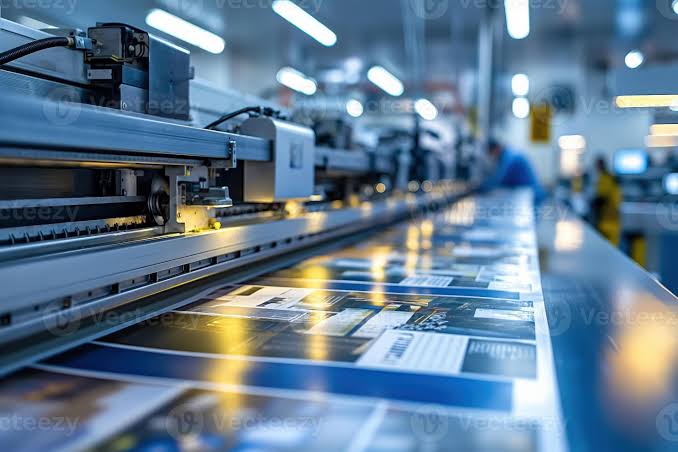
Packaging represents one of the important markets within Stahl's portfolio. Specialty coatings can influence the visual appearance, surface feel and functional performance of packaging materials.
Stahl has recently expanded its packaging coating portfolio with products designed for premium and recyclable packaging applications. In September 2026, the company introduced its Senoprint metallic coatings portfolio globally, positioning the technology as an alternative to traditional foil stamping while supporting recyclable packaging requirements.
The company also introduced an updated Sensora portfolio of haptic coatings in August 2026. These coatings create tactile effects ranging from soft and velvety to smooth, silky, rubbery and textured surfaces for paper, board and flexible packaging.
Sustainability Becomes a Key Integration Theme
Sustainability is another important area in the strategic fit between the two businesses. Henkel said Stahl's business model combines specialized knowledge, customization and a sustainability focus, with the majority of its revenues generated through environmentally responsible water-based solutions.
Water-based coating technologies can help customers reduce reliance on solvent-based systems in selected applications. Their relevance is particularly strong in packaging and other markets where manufacturers are under pressure to improve environmental performance while maintaining coating functionality.
Stahl has also established a 2030 ESG roadmap covering its sustainability priorities. The company reported continued progress in its 2025 ESG report while sharpening its focus on specialty coatings for flexible materials.
For chemical buyers, this creates an important procurement consideration. Coating suppliers increasingly need to provide both the required technical performance and solutions that align with customers' environmental targets.
The Acquisition Follows Stahl's Strategic Transformation
The transaction comes after several years of portfolio changes at Stahl. The company has been narrowing its focus toward specialty coatings and flexible-material applications.
In January 2026, Stahl completed the carve-out of its wet-end leather chemicals business, which began operating independently as Muno. The move allowed Stahl to focus more closely on specialty coatings rather than maintaining a broader leather chemicals portfolio.
This strategic repositioning made Stahl a more focused specialty coatings business before the Henkel transaction closed.
For Henkel, acquiring a company with a more concentrated technology portfolio provides an opportunity to integrate a specialized platform into its existing Adhesive Technologies organization.
Why the Deal Matters for Chemical Procurement
The acquisition could influence purchasing strategies across several specialty chemical categories. Coating formulations depend on resins, polymers, additives, pigments, solvents or water-based systems and other performance-enhancing materials.
As Henkel integrates Stahl, suppliers may see changes in sourcing volumes, technical qualification processes and customer relationships.
Procurement teams should monitor several areas:
Specialty polymers and resins: These materials can determine adhesion, flexibility, durability and surface performance in coating formulations.
Water-based technologies: Demand for lower-emission coating systems could support continued development of water-based formulations.
Functional additives: Additives can deliver properties such as slip, abrasion resistance, gloss, texture and other application-specific characteristics.
Packaging materials: Coating requirements are evolving as converters and brand owners seek recyclable and high-performance packaging solutions.
Customized formulations: Specialty coatings often require close cooperation between suppliers, formulators and end users.
The integration could therefore affect not only direct coating customers but also upstream suppliers providing raw materials and formulation components.
Henkel Gains Access to New End Markets
Stahl's market exposure complements Henkel's existing customer relationships. The business serves mobility, fashion and lifestyle, luxury and packaging markets, giving Henkel additional routes into industries where specialty coatings are an important component of finished products.
The mobility market is particularly relevant because coatings for flexible materials can support interior, leather and other specialized applications. Fashion and luxury customers can require high-quality surface finishes, while packaging customers increasingly seek combinations of aesthetics, functionality and sustainability.
The broader portfolio could allow Henkel to offer customers a wider range of technologies through a single organization.
This cross-market reach is one reason specialty materials businesses can attract strategic buyers. Technical expertise and customer relationships can be difficult to reproduce quickly through internal development alone.
Integration Could Strengthen Customer Solutions
Henkel expects the combination of its global adhesives expertise and Stahl's specialty coatings capabilities to create a broader solutions platform. The company said the combined portfolio should help customers accelerate innovation and advance sustainability ambitions.
The potential benefit extends beyond simply adding Stahl's existing products to Henkel's portfolio. Combining research and development capabilities could create opportunities to develop systems where adhesives and coatings work together across the same application.
For industrial customers, integrated technical support can simplify supplier relationships and shorten development cycles. This may be particularly valuable for customers developing new packaging, mobility or flexible-material applications.
What Buyers Should Watch After the Closing
The acquisition is now complete, but its impact on the specialty coatings market will develop through integration and commercial execution.
Chemical procurement teams should monitor:
Portfolio integration: Customers may gain access to a broader range of coating and adhesive technologies.
Product development: Combined R&D capabilities could produce new formulations and application-specific solutions.
Sustainability offerings: Water-based and other lower-impact coating technologies may receive additional development attention.
Supply agreements: Integration could affect sourcing arrangements for raw materials and formulation components.
Regional availability: Henkel's global network could influence how Stahl products and technologies are manufactured and supplied internationally.
These factors will determine how quickly the acquisition translates into commercial changes for customers and suppliers.
Specialty Coatings Consolidation Signals a Broader Market Trend
Henkel's acquisition of Stahl reflects continued interest in specialty chemical businesses with strong application expertise and differentiated technologies. The transaction gives Henkel access to an established coatings platform while Stahl gains the resources and global reach of a much larger industrial group.
The deal also illustrates how specialty coatings are becoming increasingly important in markets where manufacturers need specific combinations of performance, aesthetics and sustainability.
For chemical traders and procurement professionals, this environment creates opportunities as well as new competitive dynamics. Suppliers with differentiated formulations, reliable raw material sourcing and strong technical support can remain important partners even as major chemical companies consolidate their portfolios.
Looking Ahead for Henkel and Specialty Coatings
With the acquisition completed on October 1, 2026, Stahl is now fully part of Henkel's Adhesive Technologies business. The combination adds approximately €725 million in annual sales and around 1,800 employees, while expanding Henkel's technology portfolio across leather finishing, performance coatings and packaging coatings.
The strategic opportunity extends beyond revenue expansion. Henkel can combine Stahl's specialty coating expertise, customization capabilities and sustainability focus with its own global adhesives platform, potentially creating a broader materials-solutions business for flexible substrates.
For procurement teams, the development is a signal to watch specialty coating supply chains closely. As Henkel integrates Stahl and expands its portfolio, demand for specialty polymers, resins, additives and other coating raw materials could evolve across packaging, mobility, fashion and industrial applications.
Polyacrylamide
Found this useful?