High-Density Polyethylene (HDPE): Industrial Demand and Procurement Factors
High-density polyethylene (HDPE) remains one of the most commercially important thermoplastics in global manufacturing, supporting industries that depend on durable, lightweight and versatile materials. Its demand spans packaging, construction, agriculture, automotive components and chemical storage, making it a strategic resin for manufacturers and distributors across international markets.
For procurement managers and chemical traders, HDPE purchasing involves more than comparing supplier quotations. Grade selection, processing requirements, feedstock economics, shipment timing and quality consistency all influence sourcing decisions. Understanding these factors helps businesses manage costs while maintaining dependable production and supply continuity.
What Makes HDPE Important in Industrial Manufacturing?
HDPE is a thermoplastic polymer produced from ethylene. Its relatively high density, strong molecular structure and resistance to moisture and many chemicals make it suitable for applications that require toughness, rigidity and long-term performance.
Unlike some other polyethylene grades, HDPE offers a useful combination of strength and processability. Manufacturers can convert it into different shapes and products through extrusion, injection molding and blow molding, depending on the grade and application.
Key material characteristics include:
High strength-to-weight ratio: Manufacturers can produce durable components without excessive material weight.
Chemical resistance: HDPE withstands exposure to many industrial chemicals, supporting its use in containers, tanks and piping.
Moisture resistance: Its low water absorption makes it useful in packaging and outdoor applications.
Impact resistance: Suitable grades can withstand mechanical stress during handling, transportation and use.
Processing versatility: Different grades support films, molded components, containers and pipes.
These properties allow HDPE to serve both high-volume consumer markets and specialized industrial applications.
Industrial Demand Across Major Application Sectors
HDPE demand reflects the purchasing activity of several interconnected industries. Packaging remains a major consumption segment, while infrastructure investment and manufacturing expansion create additional demand for specific grades.
Packaging and Consumer Goods
Packaging manufacturers use HDPE in bottles, caps, closures, containers, drums and household product packaging. Its durability and resistance to moisture help protect contents while supporting efficient storage and transportation.
Demand comes from multiple sectors, including:
Food and beverage packaging
Personal care and cosmetics
Household cleaning products
Industrial chemicals and lubricants
Pharmaceutical and healthcare packaging
Growth in organized retail, e-commerce and consumer product manufacturing supports demand for rigid HDPE packaging. Buyers must nevertheless distinguish between grades designed for different molding processes and end-use requirements.
Construction and Infrastructure
Construction creates a substantial demand base for HDPE, particularly through pipes, fittings, sheets and protective components.
Water distribution, drainage, wastewater management and irrigation systems require materials that can withstand demanding operating conditions. HDPE pipes offer corrosion resistance and flexibility, making them suitable for infrastructure projects where durability and installation efficiency matter.
Procurement demand also depends on public investment, urban development, replacement of aging infrastructure and project financing cycles.
Agriculture and Water Management
Agricultural applications include irrigation pipes, water storage tanks, protective liners and selected agricultural films produced from polyethylene materials.
Water conservation projects and improvements in irrigation infrastructure can support demand for HDPE pipe grades. Seasonal agricultural activity also influences purchasing schedules, particularly in markets where buyers coordinate procurement with planting cycles and infrastructure installation.
Automotive and Industrial Manufacturing
Automotive manufacturers use HDPE in selected fuel systems, protective components, containers and molded parts. Industrial manufacturers also use the resin in housings, storage equipment and material-handling products.
The automotive sector places particular emphasis on mechanical performance, dimensional stability and consistency. These requirements make grade qualification and supplier technical support important considerations during procurement.
HDPE Grades and Specifications: Why Selection Matters
HDPE is not a single interchangeable commodity. Producers offer different grades designed to meet specific processing conditions and performance requirements, so buyers need to match resin characteristics with the intended manufacturing application.
Common commercial categories include:
Blow molding grades: Used for bottles, drums, jerrycans and industrial containers. Buyers prioritize melt strength, impact resistance and container durability.
Injection molding grades: Suitable for caps, closures, crates, household products and molded industrial components. Processing behavior and dimensional stability influence selection.
Film grades: Used in selected packaging and protective film applications. Buyers assess mechanical properties, extrusion performance and film quality.
Pipe grades: Designed for pressure and non-pressure piping, water distribution, drainage and industrial infrastructure. Long-term strength and resistance to crack propagation are important.
Specialty grades: Developed for applications requiring specific mechanical, thermal or processing characteristics.
Procurement teams should review the melt flow rate (MFR or MFI), density, mechanical properties and relevant technical specifications before finalizing a purchase.
A grade that performs well in one manufacturing process may not deliver the same results in another. Substituting resin without technical evaluation can affect production efficiency, product quality and equipment performance.
What Drives HDPE Prices in Global Markets?
HDPE prices reflect a combination of production costs, market availability, regional demand and international trade conditions. Since polyethylene originates from petrochemical feedstocks, changes in upstream energy and raw material markets influence its commercial value.
Feedstock and Energy Costs
Ethylene represents a key production input. Its cost depends on the feedstock and production route used by manufacturers.
Changes in crude oil, naphtha, natural gas and ethylene prices can affect HDPE production economics. Producers with access to competitive feedstocks may hold an advantage over higher-cost manufacturing facilities.
Supply and Demand Balance
Prices often respond to the relationship between available resin and purchasing activity.
Planned maintenance or unexpected production outages can restrict supply.
New production capacity can increase availability and intensify competition.
Strong demand from packaging and infrastructure can tighten grade availability.
Inventory accumulation or slower downstream manufacturing can reduce purchasing pressure.
The overall market may remain well supplied while a particular grade becomes difficult to source. Buyers should therefore evaluate availability at the grade level rather than relying only on general polyethylene market sentiment.
Freight, Currency and Import Costs
International procurement adds costs beyond the supplier's resin quotation. Ocean freight, insurance, port charges, customs duties and inland transportation contribute to the final landed price.
Currency fluctuations can also influence import economics, especially when buyers purchase in US dollars but sell finished products in local currency.
For import-dependent markets, procurement teams should monitor exchange rates and shipment costs alongside resin benchmarks.
Major Producing Regions and International Trade Flows
HDPE production and consumption span several major industrial regions. Asia-Pacific represents a significant demand center, supported by manufacturing, packaging and infrastructure activity.
Important supply regions include:
China: A major polyethylene producer and consumer, with a broad downstream plastics manufacturing base.
Middle East: Producers benefit from access to competitive hydrocarbon feedstocks and established export infrastructure.
United States: Integrated petrochemical production supports domestic supply and international exports.
South Korea and Southeast Asia: Regional producers serve domestic manufacturing and international customers through established trade networks.
Europe: A mature industrial market with demand shaped by packaging, construction, manufacturing and environmental requirements.
Trade routes influence supplier selection. Buyers need to consider shipping schedules, port congestion, regional availability and the reliability of logistics partners when comparing suppliers from different origins.
Procurement Challenges and Supplier Evaluation
Securing HDPE at a competitive price requires a structured procurement approach. A low quotation may not represent the best commercial outcome if the supplier cannot meet specifications, delivery schedules or documentation requirements.
Before confirming an order, procurement managers should evaluate:
1. Technical documentation
Request a technical data sheet (TDS) and certificate of analysis (COA). Confirm density, melt flow rate and mechanical properties against the required specification.
2. Grade consistency
Check whether the supplier can maintain consistent product quality across multiple shipments. Variations in processing characteristics can create operational challenges for converters.
3. Supplier reliability
Assess production access, export experience, communication quality and the ability to fulfill agreed quantities.
4. Delivery and logistics
Compare shipment lead times, packaging conditions, port options and delivery terms. A delayed shipment can disrupt manufacturing schedules and increase operating costs.
5. Commercial transparency
Review quotation validity, payment terms, minimum order quantities and any additional charges that affect landed cost.
6. Traceability and compliance
Confirm that the material meets the requirements of its intended application, including relevant food-contact, industrial or infrastructure standards where applicable.
A supplier evaluation process that combines technical and commercial criteria can reduce the risk of sourcing unsuitable material.
Sustainability and Recycled HDPE Procurement
Sustainability considerations are increasingly influencing polymer purchasing strategies. Manufacturers and brand owners are exploring recycled HDPE (rHDPE) to reduce reliance on virgin material and improve the environmental profile of finished products.
Recycled resin can support applications such as non-food packaging, household products and selected industrial components. However, buyers must carefully assess its quality, consistency and suitability for the intended use.
Important procurement considerations include:
Recycled content percentage and material origin
Color, odor and contamination levels
Mechanical properties and processing consistency
Availability of reliable recycled feedstock
Application-specific regulatory requirements
Virgin HDPE continues to serve applications that require tightly controlled material specifications. Procurement teams should assess recycled alternatives through technical trials rather than assuming that different resin sources are interchangeable.
How Buyers Can Strengthen Their HDPE Sourcing Strategy
Effective HDPE procurement requires coordination between purchasing, production, quality assurance and logistics teams. A structured approach can help businesses manage price fluctuations without compromising material performance.
Develop a grade-specific purchasing plan. Forecast requirements by application and grade rather than treating all HDPE demand as one category.
Build relationships with multiple suppliers. Maintain qualified alternatives across different producing regions to reduce dependence on a single source.
Monitor market fundamentals. Track ethylene prices, producer operating rates, regional demand and freight movements to identify changes in supply conditions.
Balance spot purchases and contracts. Long-term agreements can provide supply stability, while carefully managed spot purchases may offer flexibility when market conditions change.
Review inventory requirements. Determine safety stock based on lead times, demand variability and the cost of production interruptions.
Coordinate procurement with production schedules. Align order quantities and delivery windows with actual consumption to avoid excessive inventory or unexpected shortages.
These practices help procurement teams make decisions based on total supply-chain value rather than the lowest initial quotation.
The Outlook for HDPE Demand and Industrial Procurement
HDPE demand is likely to remain closely connected to packaging consumption, infrastructure development, agricultural modernization and industrial manufacturing.
Several developments will shape future procurement decisions:
Continued investment in water distribution, irrigation and wastewater infrastructure
Growth in packaging demand across consumer and industrial markets
Increasing interest in specialty grades for demanding applications
Greater attention to recycled polymers and material traceability
Changes in global production capacity and regional trade flows
For buyers, these developments reinforce the importance of maintaining flexibility in sourcing while protecting technical and quality requirements.
Businesses that understand grade specifications, monitor international market conditions and build dependable supplier relationships will be better positioned to navigate changing resin prices and availability.
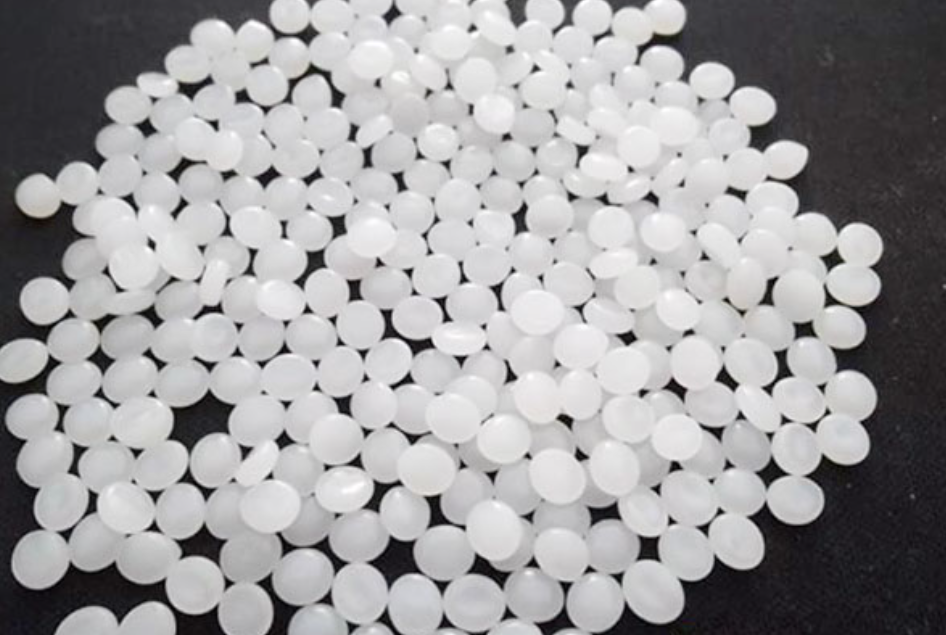
High Density Polyethylene (HDPE)
Found this useful?