India's Record Urea Output and What It Means for Global Fertilizer Trade
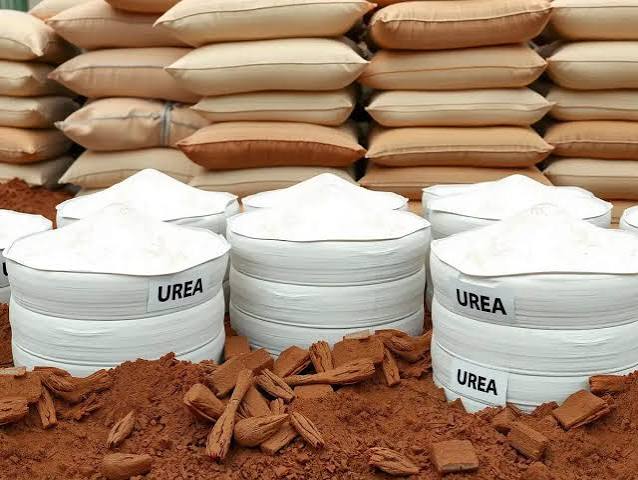
India has significantly strengthened its domestic fertilizer production capacity over the past decade, with record urea production of 314.07 lakh metric tonnes (LMT) in 2023–24. Production was 306.67 LMT in 2024–25, showing that output has remained above the 300-LMT mark even after the record year. Government policy, new urea plants and upgrades to existing gas-based facilities have been central to this increase.
Domestic Capacity Has Expanded Sharply
The increase represents a major change from India's earlier dependence on imported urea. Indigenous urea production capacity increased from 207.54 LMT per year in 2014–15 to 283.74 LMT in 2023–24, following the commissioning of six new urea units under the New Investment Policy. The government says the New Urea Policy also helped add around 20–25 LMT of annual production compared with 2014–15 levels.
But India Is Not Yet Fully Self-Sufficient
Record production does not mean India has eliminated fertilizer imports. The government continues to state that India remains dependent on imports of urea and phosphatic fertilizers to meet domestic requirements. During April 2025–January 2026, India produced 251.26 LMT of urea while importing another 89.30 LMT, demonstrating that domestic output still needs to be supplemented by international supply.
Demand Continues to Outpace Domestic Production
India's overall fertilizer requirement remains substantial. For 2025–26, the government assessed total fertilizer requirement at 677.18 LMT, compared with 649.43 LMT in 2024–25. For the major fertilizer categories tracked by the government, 2025–26 consumption reached 396.60 LMT for urea, 100.80 LMT for DAP, 22.56 LMT for MOP and 150.37 LMT for NPKS. This means India remains a major participant in global fertilizer trade even as domestic production rises.
Imports Are Becoming More Strategic
India's changing production profile is therefore less about abandoning imports and more about reducing vulnerability to global supply disruptions. The government has increasingly relied on long-term supply agreements alongside domestic production. During 2025–26, Indian fertilizer companies secured agreements covering 31 LMT of DAP from Saudi Arabia, 25 LMT of DAP/TSP from Morocco and 30.10 LMT of DAP/NPKs from Russia, among other arrangements.
What This Means for Global Fertilizer Markets
India's higher urea production could gradually reduce its exposure to international urea markets, particularly when domestic plants operate at high utilization. However, the country will continue to influence global fertilizer trade because its enormous agricultural demand still requires imported urea, DAP, MOP and NPK products. The bigger shift is that India is becoming both a major fertilizer producer and a strategic global buyer, giving domestic production growth an important role in global supply-demand balances and import competition.
Urea (Granular) - Egypt
Found this useful?