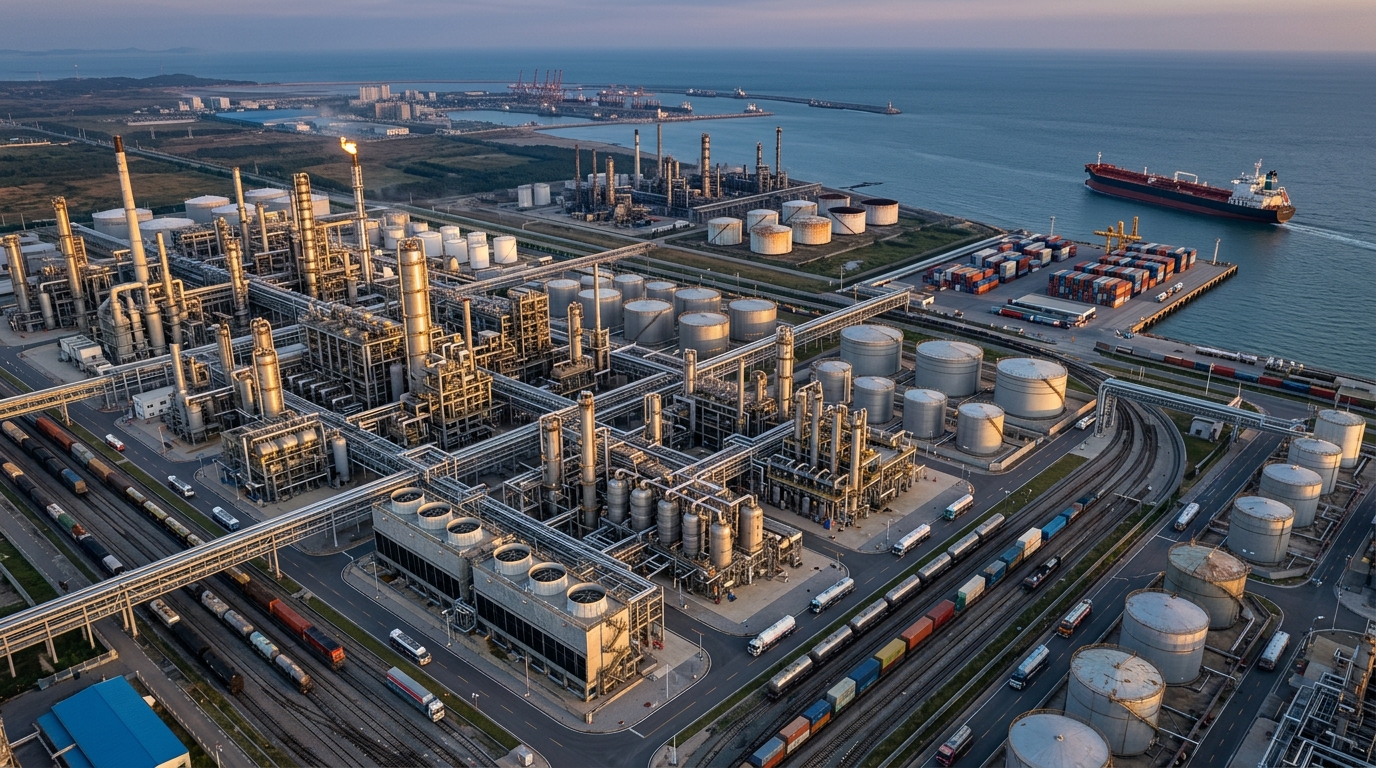
Indonesia Chemical Industry: Emerging Opportunities in Southeast Asia's Growing Market
Indonesia is strengthening its position as an important destination for chemical manufacturing and industrial investment in Southeast Asia. With expanding downstream industries, rising domestic consumption and continued investment in processing facilities, the country is creating new opportunities for chemical producers, international suppliers and trading companies.
The Indonesia chemical industry plays an increasingly important role in supporting manufacturing sectors such as plastics, textiles, automotive, construction, agriculture and pharmaceuticals. Government efforts to encourage domestic processing and attract foreign investment are also changing the country's industrial landscape. For international chemical traders and procurement managers, these developments create opportunities to establish new supply relationships and access a growing regional market.
Indonesia's Chemical Industry Is Entering a New Growth Phase
Indonesia's industrial development strategy increasingly focuses on transforming locally available resources into higher-value manufactured products. This approach is particularly important for chemicals because domestic processing capacity can support multiple industries while reducing dependence on imported finished materials.
Investment activity reflects this broader industrial direction. According to Indonesia's Ministry of Investment and Downstream Industry, national investment realization reached IDR 1,010.6 trillion in the first half of 2026, representing 7.2% year-on-year growth. Downstream industries attracted IDR 300.1 trillion, accounting for 29.7% of total investment during the period.
The country's chemical manufacturing sector benefits from several interconnected developments:
Industrial expansion: New manufacturing facilities increase demand for chemical intermediates, processing agents and industrial raw materials.
Resource processing: Investments in mineral processing and other downstream activities create opportunities for industrial chemicals and specialized inputs.
Domestic consumption: Growing manufacturing activity supports demand for chemicals used in packaging, household products, agriculture and construction.
Foreign investment: International companies can explore partnerships, distribution networks and manufacturing opportunities within Indonesia.
These developments position Indonesia as an increasingly important market for chemical suppliers looking to expand their presence across Southeast Asia.
Petrochemicals and Downstream Manufacturing Create New Demand
Petrochemicals remain one of the most important segments of Indonesia's chemical industry. Products derived from petroleum and natural gas support the production of plastics, synthetic fibers, packaging materials, automotive components and numerous industrial applications.
Indonesia's expanding manufacturing base creates opportunities throughout the petrochemical value chain. Producers and traders can target demand for essential materials such as ethylene derivatives, propylene derivatives, solvents and polymer intermediates.
Several downstream industries are particularly important:
1. Plastics and packaging
Indonesia's food, beverage and consumer goods industries require substantial quantities of plastic packaging materials. Polyethylene, polypropylene and other polymer-based products support flexible packaging, containers, films and industrial components.
2. Textiles and synthetic fibers
The textile sector depends on chemical intermediates, polyester-related materials, dyes and processing chemicals. Growing demand for clothing, industrial fabrics and synthetic textiles supports opportunities for chemical suppliers.
3. Automotive manufacturing
Vehicle production requires polymers, adhesives, coatings, rubber chemicals and specialty materials. The development of automotive supply chains, including electric vehicle manufacturing, adds further potential demand.
4. Construction and infrastructure
Construction companies require paints, coatings, sealants, plastic piping and water-treatment chemicals. Infrastructure development therefore creates opportunities for both commodity chemicals and higher-value specialty products.
For international suppliers, understanding these connected industries can help identify customers with recurring chemical requirements rather than relying on occasional spot transactions.
Investment in Mineral Processing Expands Chemical Opportunities
Indonesia's resource base gives it an important advantage in developing industries that depend on mineral processing and industrial chemicals. Nickel, copper, bauxite and other mineral resources support manufacturing activities that require specialized processing materials.
The country's downstream investment strategy encourages businesses to move beyond exporting raw resources and develop additional stages of domestic production.
This creates opportunities for suppliers of:
Sulfuric acid: Used in mineral processing, fertilizer manufacturing and several industrial applications.
Caustic soda: Required in alumina production, pulp and paper manufacturing, textiles and chemical processing.
Hydrochloric acid: Used in industrial cleaning, metal processing and selected mineral treatment operations.
Hydrogen peroxide: Supports bleaching, chemical processing and water-treatment applications.
Industrial solvents: Used in manufacturing, extraction, cleaning and formulation processes.
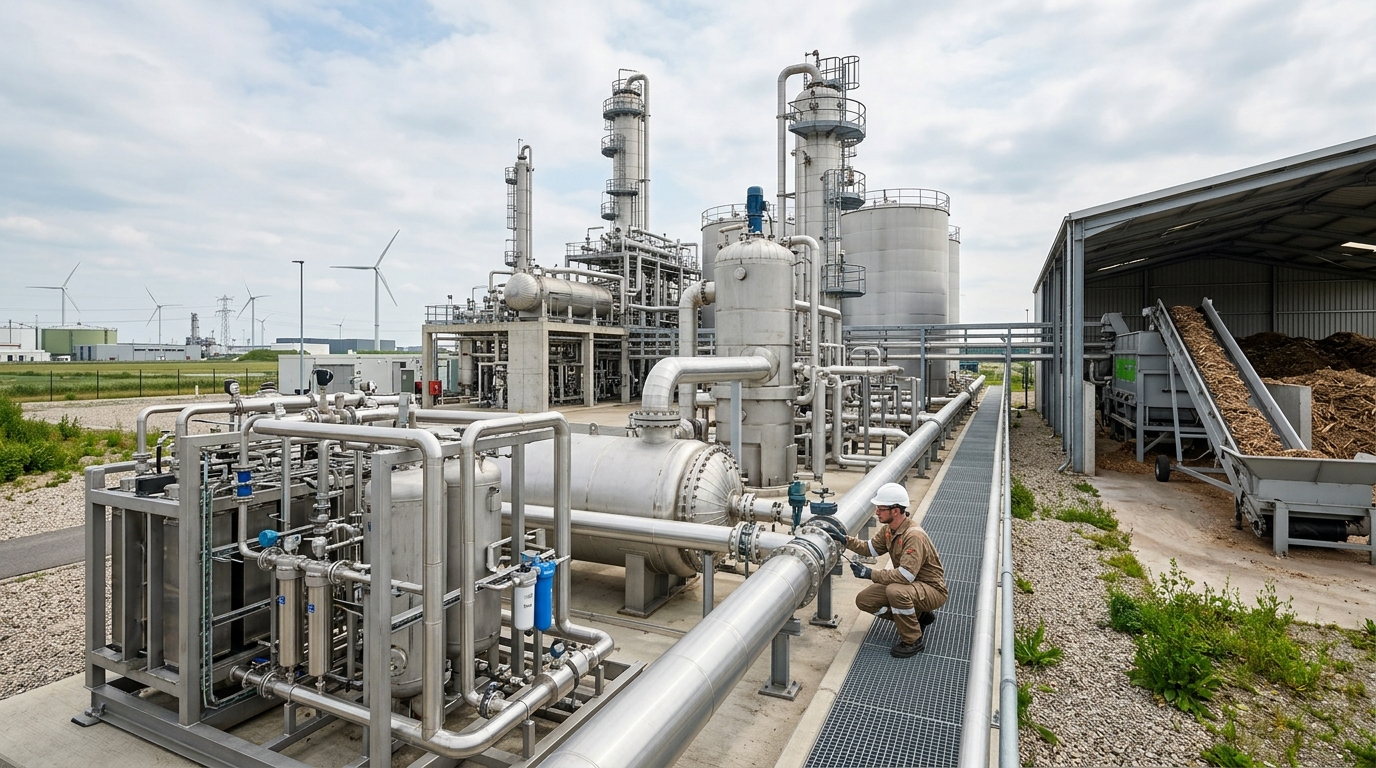
As more mineral-processing facilities develop, demand for reliable chemical inputs can increase across multiple stages of production. Suppliers that offer consistent quality, suitable packaging and dependable delivery schedules can establish valuable relationships with industrial buyers.
Specialty Chemicals and Industrial Applications Offer Diversification
Although petrochemicals and basic industrial chemicals remain essential, specialty chemicals represent another important opportunity in Indonesia.
Manufacturers increasingly require materials that improve product performance, production efficiency and final product quality. These requirements create demand for application-specific chemicals across several industries.
Some promising product categories include:
Water treatment chemicals: Industrial facilities, municipal utilities and manufacturing plants require treatment chemicals to manage water quality and wastewater. Polyaluminium chloride, aluminium sulfate and sodium hypochlorite serve important functions in treatment operations.
Personal care and household chemicals: Indonesia's large consumer market supports demand for surfactants, fatty alcohols, glycerine and formulation ingredients. Products such as sodium laureth sulfate and cocamidopropyl betaine serve detergent and personal care manufacturers.
Food and pharmaceutical ingredients: Food processing and pharmaceutical manufacturing require ingredients that meet specific purity and quality requirements. Citric acid, sorbitol, ascorbic acid and sodium benzoate are examples of materials used in these applications.
Agricultural chemicals: Fertilizer production and agricultural operations depend on products such as urea, ammonium sulfate, phosphate fertilizers and potassium-based compounds.
For chemical traders, these segments offer opportunities to diversify beyond large-volume petrochemical transactions. They also allow suppliers to serve customers across different manufacturing sectors.
Import Demand and International Chemical Trade
Despite its expanding domestic production capacity, Indonesia continues to participate actively in international chemical trade. Local manufacturers require imported raw materials, intermediates and specialized products to support production requirements across different industries.
This creates opportunities for exporters from China, India, South Korea, Japan, Thailand and other established chemical-producing economies.
Import demand can emerge from several situations:
Domestic manufacturers need chemical grades or specifications that local producers cannot consistently supply.
Expanding factories require additional raw materials before domestic production capacity reaches sufficient levels.
Specialized manufacturing applications require imported ingredients with specific technical properties.
Price differences between international suppliers create opportunities for competitive sourcing.
Indonesia's geographic position also strengthens its role in regional distribution. Its access to major maritime trade routes supports connections with important Asian manufacturing centers and international shipping networks.
However, international suppliers must understand Indonesian import requirements before entering the market. Indonesia's Ministry of Trade issued Regulation No. 32 of 2025, amending the rules governing imports of chemicals, hazardous materials and mining products.
Importers should therefore assess applicable product classifications, import approvals, documentation requirements and safety obligations before arranging shipments.
Supply Chain Challenges and Procurement Considerations
Indonesia's chemical market offers substantial commercial potential, but buyers and suppliers must account for operational challenges that can affect procurement costs and delivery reliability.
One important consideration is feedstock availability. Petrochemical manufacturers depend on petroleum-based and gas-based inputs, exposing production economics to international energy prices and disruptions in regional supply chains.
A 2026 industry assessment by Atradius also highlights pressure on Southeast Asian chemical producers from higher feedstock costs, supply disruptions and intense competition from international suppliers.
For procurement managers, several issues deserve attention:
Feedstock price volatility: Changes in crude oil, naphtha and natural gas prices can influence the cost of petrochemical products and downstream materials.
Shipping and logistics: International freight costs, port operations and delivery schedules can affect landed chemical prices. Buyers should compare complete delivered costs rather than focusing exclusively on supplier quotations.
Supplier reliability: Consistent product quality and dependable delivery matter particularly for manufacturers operating continuous production lines.
Regulatory compliance: Importers must review chemical classifications, safety documentation, labeling obligations and relevant Indonesian regulations.
Currency exposure: International purchases can expose buyers to exchange-rate fluctuations, making quotation validity and payment terms important commercial considerations.
A diversified supplier network can help businesses manage these challenges. Maintaining relationships with multiple qualified exporters also reduces dependence on a single supply origin.
Sustainability and the Shift Toward Higher-Value Chemicals
Environmental considerations are becoming increasingly relevant to Indonesia's industrial development. Manufacturers face growing pressure to improve resource efficiency, manage industrial waste and adopt production methods with lower environmental impacts.
This transition creates opportunities for chemical suppliers that support more efficient manufacturing processes.
Several areas deserve attention:
Water and wastewater treatment: Treatment chemicals can help industrial facilities manage wastewater and improve water reuse.
Recycling and circular materials: Chemical processing technologies can support plastic recycling and the recovery of useful industrial materials.
Bio-based ingredients: Renewable feedstocks offer opportunities for manufacturers exploring alternatives to selected petroleum-derived chemicals.
Energy-efficient production: Catalysts and process chemicals can help improve industrial efficiency and reduce resource consumption.
Lower-impact formulations: Specialty chemical manufacturers can develop products that support changing environmental and customer requirements.
Indonesia's resource-processing ambitions also create an opportunity to connect sustainability with domestic value addition. Suppliers that understand environmental requirements alongside technical specifications may become more competitive as industrial buyers refine their sourcing priorities.
Indonesia's Chemical Market Outlook for 2027 and Beyond
Indonesia's chemical industry has several long-term growth drivers, including manufacturing expansion, downstream investment, infrastructure development and rising demand for industrial and consumer products.
The investment environment provides an important foundation for this outlook. The government's continued focus on downstream industries could encourage additional projects involving mineral processing, petrochemicals, plastics and resource-based manufacturing.
At the same time, the wider Southeast Asian chemical sector faces external pressures. According to Atradius, regional chemical production growth is forecast to slow to 0.1% in 2026 amid feedstock disruptions and cost pressures, with a potential recovery of 5% in 2027 if energy supply conditions improve.
For Indonesia, stronger domestic demand offers an important advantage, although imported feedstock exposure and international price competition remain significant considerations.
Several developments could shape market opportunities over the coming years:
Greater domestic processing capacity: New industrial projects could increase demand for chemicals used in upstream and downstream manufacturing.
Expansion of electric vehicle supply chains: Battery-related processing and automotive manufacturing may create additional requirements for industrial chemicals and specialized materials.
Growth in consumer manufacturing: Food processing, personal care, packaging and household products can support recurring demand for chemical ingredients.
Increased regional trade: Stronger connections with ASEAN manufacturing markets could create opportunities for chemical exporters and distributors.
Specialty chemical development: Manufacturers may increasingly seek higher-performance products that improve production efficiency and product quality.
Businesses that establish reliable sourcing relationships and understand sector-specific demand will be better positioned to participate in these developments.
What Chemical Buyers and Suppliers Should Do Next
Indonesia offers an attractive combination of domestic demand, resource availability and expanding industrial investment. However, entering the market successfully requires more than identifying products with strong demand.
Chemical buyers should prioritize suppliers that can provide consistent specifications, competitive pricing and the documentation required for international trade. They should also evaluate shipping arrangements, minimum order quantities, payment terms and the total landed cost of imported materials.
Exporters and trading companies can strengthen their market position by focusing on a few practical priorities:
Identify manufacturers with recurring requirements for industrial chemicals and raw materials.
Monitor investment developments in petrochemicals, mineral processing and downstream manufacturing.
Build relationships with reliable local distributors and industrial procurement teams.
Offer competitive quotations with transparent product specifications and shipping terms.
Maintain alternative sourcing options to reduce exposure to supply disruptions.
For businesses seeking opportunities in Southeast Asia, Indonesia deserves attention as a developing market with diverse chemical requirements. Its industrial expansion creates opportunities for both established chemical exporters and suppliers looking to enter new regional markets.
The strongest commercial prospects will likely come from matching reliable international supply with the specific needs of Indonesia's growing manufacturing base. Ready to source Caustic Soda Flakes from verified global suppliers? Explore competitive offers on our platform today.
Sources:
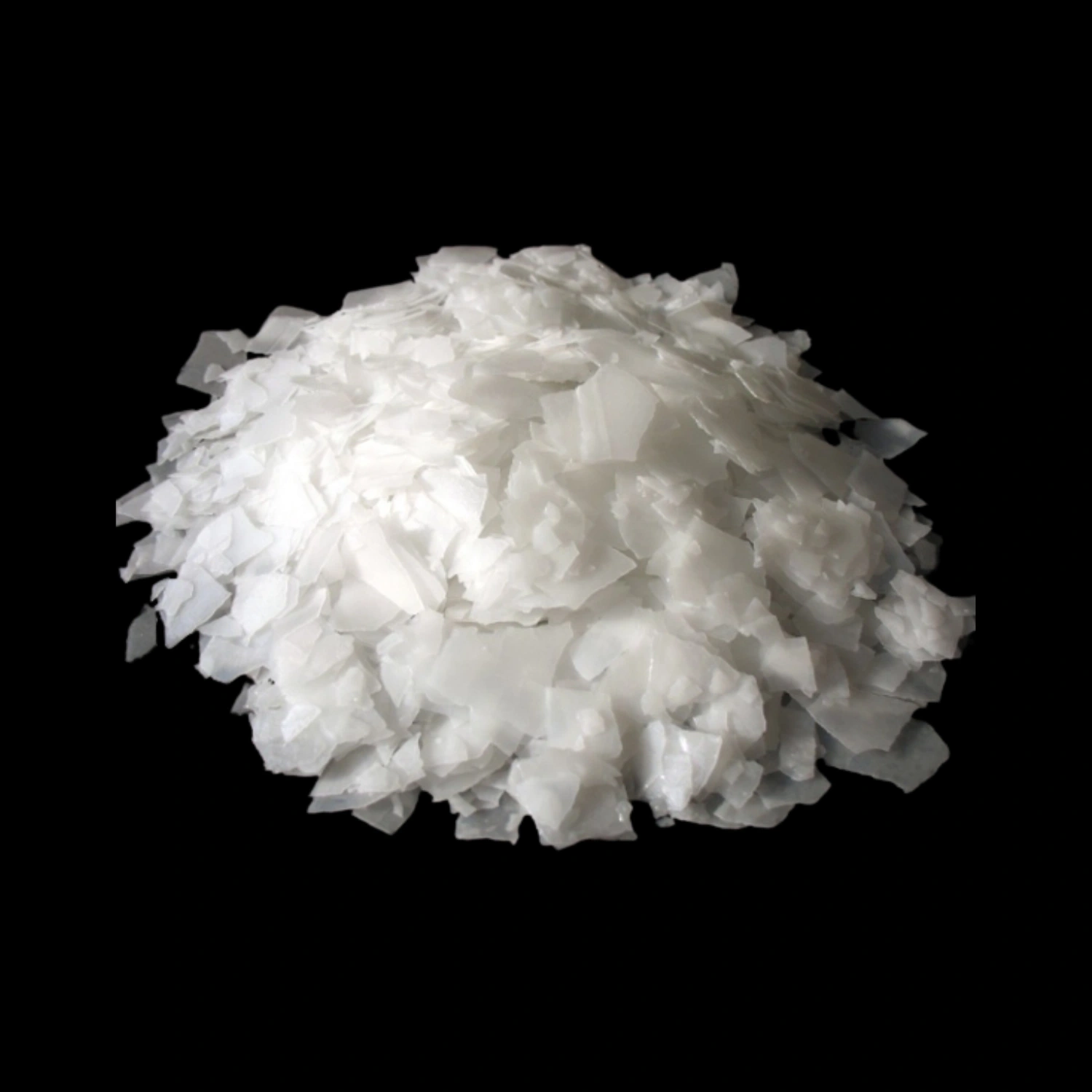
Caustic Soda Flakes
Found this useful?