
Vietnam Chemical Market Forecast: Manufacturing Growth and Chemical Imports
Vietnam's chemical import market recorded a significant increase in 2026 as manufacturing activity continued to expand and industrial producers strengthened their demand for imported raw materials. During the first eight months of 2026, the country's chemical and chemical product imports reached approximately US$12.76 billion, representing 22.45% year-on-year growth. This increase highlights Vietnam's growing importance as a destination for international chemical suppliers and industrial raw material exporters.
The country's expanding electronics, textile, plastics, automotive and construction industries continue to create demand for a broad range of chemical inputs. As manufacturers increase production capacity and foreign-invested companies establish new operations, Vietnam's chemical import requirements are likely to remain an important feature of its industrial development through 2027.
Manufacturing Growth Is Reshaping Vietnam's Chemical Market
Vietnam has strengthened its position as a manufacturing destination in Southeast Asia. Competitive production costs, export-oriented industrial policies, foreign investment and expanding industrial infrastructure have encouraged international companies to establish manufacturing operations across the country.
This expansion directly supports chemical consumption because almost every major manufacturing industry depends on chemical inputs during production. From textile processing and plastic manufacturing to electronics assembly and automotive components, industrial buyers require consistent supplies of raw materials and specialty formulations.
Several developments are influencing chemical demand:
Electronics manufacturing: Semiconductor, electronic component and electrical equipment producers require high-purity chemicals, solvents and specialized processing materials.
Textile and footwear production: Manufacturers use dyes, finishing agents, detergents, adhesives and other processing chemicals to maintain product quality.
Plastics and packaging: Growing production of plastic components, films, bottles and packaging materials supports demand for polymers and chemical intermediates.
Construction and infrastructure: Expanding construction activity increases consumption of coatings, adhesives, water-treatment chemicals and construction additives.
Automotive and machinery: Component manufacturing creates demand for industrial solvents, lubricants, rubber chemicals and surface-treatment products.
These industries create opportunities for suppliers that can offer dependable product quality, competitive pricing and regular shipment schedules.
Chemical Imports Reflect Strong Industrial Demand in 2026
Vietnam's latest import figures demonstrate how strongly domestic production depends on international chemical supply networks. According to preliminary customs statistics reported in October 2026, chemical and chemical product imports reached US$12.76 billion during January to August, increasing 22.45% compared with the corresponding period in 2025. August imports alone reached approximately US$1.53 billion.
Foreign-invested enterprises play a particularly important role in this market. During the first four months of 2026, these companies accounted for approximately 64.55% of chemical and chemical product imports, reflecting their significant contribution to Vietnam's export-oriented manufacturing ecosystem.
This purchasing structure creates opportunities for international chemical exporters because foreign manufacturers frequently operate within established global procurement networks. They often require imported materials that meet specific technical standards and production specifications.
The main commercial implications include:
Higher demand for imported industrial chemicals and intermediates.
Continued purchasing activity from multinational manufacturing companies.
Greater opportunities for suppliers offering consistent bulk availability.
Increased competition among international exporters serving Vietnamese buyers.
Stronger demand for reliable logistics and technical documentation.
For chemical traders, these developments make Vietnam an important market to monitor when evaluating new export destinations.
Major Chemical Suppliers and Vietnam's Import Dependence
Vietnam continues to depend heavily on overseas suppliers for chemicals and intermediate materials that domestic producers cannot manufacture in sufficient quantities. Asian countries dominate the supply structure because of their geographical proximity, established industrial capacity and extensive regional trade relationships.
China remains Vietnam's leading chemical supplier. During the first eight months of 2026, China and other major international suppliers contributed significantly to the country's chemical import activity. South Korea, Japan, Taiwan, the United States and ASEAN countries also maintained important positions in the supply network.
The major supplier markets offer different advantages:
China: Provides extensive production capacity across basic chemicals, petrochemical intermediates, polymers and industrial raw materials. Competitive pricing and short regional shipping routes support its strong position.
South Korea: Supplies industrial chemicals, petrochemical derivatives and materials used in electronics and advanced manufacturing.
Japan: Maintains an important role in specialty chemicals, high-performance materials and products requiring consistent technical specifications.
Taiwan: Supports regional manufacturing through chemical intermediates and materials used in electronics and industrial production.
United States: Provides access to specialty formulations, advanced chemical materials and selected industrial products.
ASEAN countries: Benefit from regional trade integration, shorter transportation distances and established cross-border supply relationships.
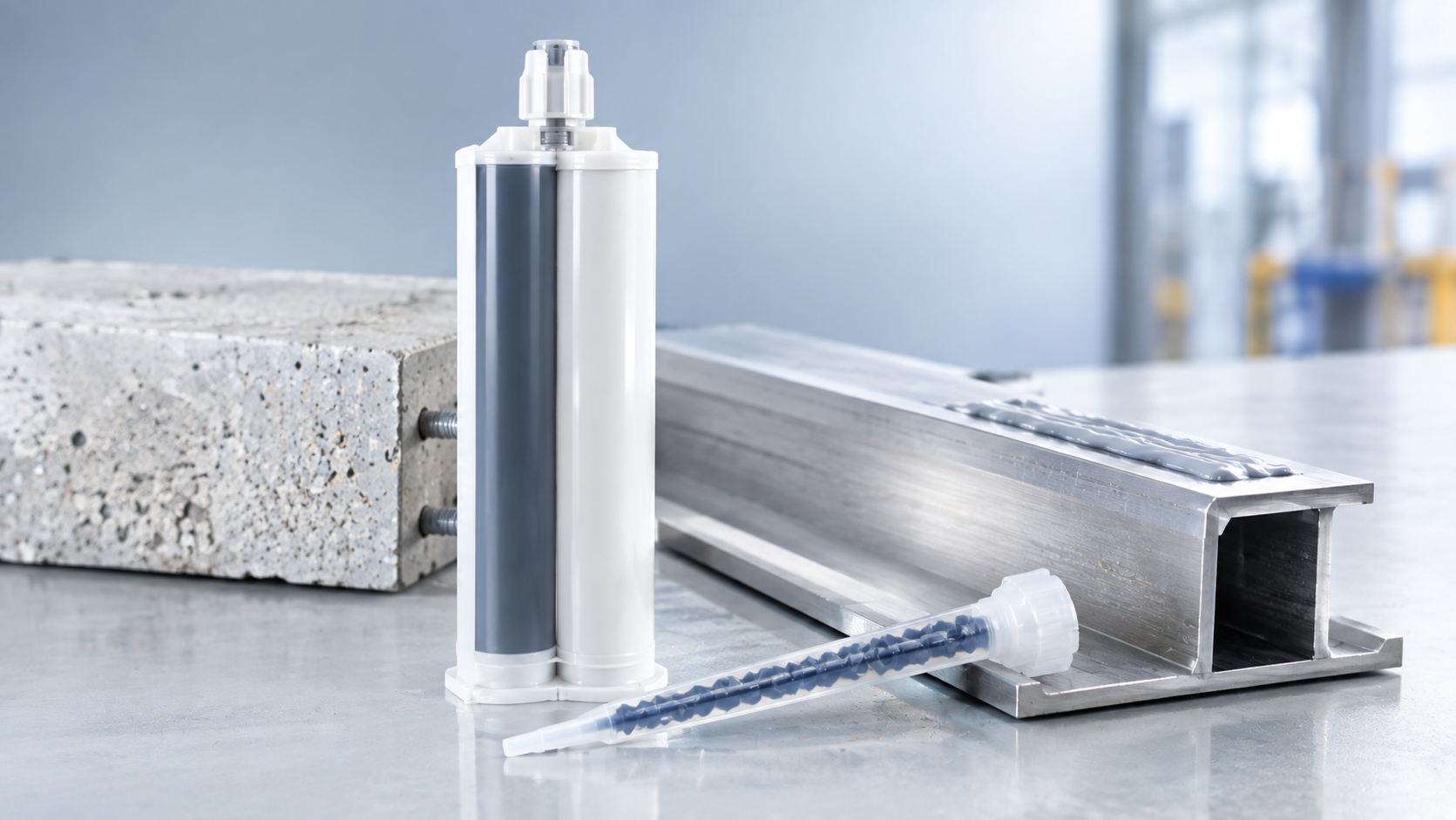
Chemical Products Driving Import Opportunities
Vietnam's manufacturing expansion creates demand across several chemical categories. Importers and procurement managers must identify products that support their particular industries while maintaining suitable quality, pricing and supply availability.
Some of the most relevant product groups include:
1. Petrochemicals and industrial solvents
Petrochemical derivatives support plastics, coatings, adhesives, packaging and industrial manufacturing. Products such as monoethylene glycol, methanol, xylene and ethyl acetate serve different applications across these industries.
2. Textile and detergent chemicals
Vietnam's large textile and garment manufacturing base requires chemicals for cleaning, dyeing, finishing and fabric treatment. Sodium lauryl ether sulfate, linear alkylbenzene sulfonic acid, caustic soda and fatty alcohol ethoxylates support detergent and textile-related production processes.
3. Plastic and polymer materials
Plastic processors require a consistent supply of polymers and supporting additives. PET, PVC resin, HDPE, LDPE and LLDPE are relevant to packaging, consumer goods, construction materials and industrial components.
4. Inorganic and basic chemicals
Manufacturers across multiple sectors use basic chemicals for processing, cleaning, pH adjustment and industrial treatment. Sulphuric acid, hydrochloric acid, phosphoric acid, sodium hydroxide and sodium carbonate remain commercially relevant products.
5. Specialty and performance chemicals
Advanced manufacturing creates demand for materials with specific chemical, physical and functional properties. High-purity solvents, specialty additives and electronic-grade materials offer opportunities for suppliers capable of meeting demanding technical requirements.
The commercial potential extends beyond high-volume commodities. Suppliers that offer application-specific materials and dependable technical support can also compete in specialized industrial segments.
Foreign Investment and New Industrial Capacity
Foreign direct investment remains one of the strongest influences on Vietnam's chemical purchasing requirements. International companies continue to establish and expand manufacturing facilities to strengthen their regional production networks and serve export markets.
Electronics, semiconductors, batteries, petrochemicals and advanced materials are particularly important areas of industrial development. These industries require specialized chemical inputs that domestic producers may not always supply at the required purity, volume or technical standard.
Vietnam's Ministry of Industry and Trade has also highlighted the need to develop high-purity and ultra-high-purity chemicals for semiconductor manufacturing, pharmaceuticals and advanced materials. The Vietnam Chemicals Agency reported 20,117 active chemical enterprises in April 2026, demonstrating the scale of the country's existing chemical business ecosystem.
For international exporters, foreign-invested manufacturers can represent valuable long-term customers. However, entering their approved supplier networks may require:
Consistent product specifications and batch quality.
Safety Data Sheets (SDS) and relevant technical documentation.
Reliable production capacity and shipment planning.
Compliance with customer-specific quality assurance procedures.
Transparent communication regarding lead times and product availability.
Building relationships with these buyers requires more than offering competitive prices. Suppliers must demonstrate that they can support uninterrupted industrial production.
Regulatory Changes and Chemical Import Compliance
Vietnam's chemical sector is also undergoing regulatory development as the government seeks to strengthen industrial management, environmental protection and chemical safety.
The Law on Chemicals No. 69/2025/QH15 provides an important framework for the sector. During 2026, the Vietnam Chemicals Agency worked on implementing guidance and regulatory documents to support the updated legal framework. The agency also identified administrative reform and revisions to national technical regulations as important priorities.
For overseas suppliers and local importers, regulatory compliance should remain a central part of procurement planning.
Businesses should pay attention to several areas:
Product classification: Confirm the correct HS code and applicable import requirements before arranging shipments.
Safety documentation: Prepare accurate SDS documentation and technical specifications for every chemical product.
Chemical declarations: Determine whether the imported substance requires registration, declaration or additional regulatory approval.
Labelling and packaging: Follow applicable Vietnamese requirements for chemical identification, handling and transportation.
Environmental obligations: Review storage, handling and disposal requirements, particularly for hazardous substances.
Importers should also coordinate with Vietnamese customs brokers and relevant regulatory authorities to understand requirements for individual products. Early compliance checks can reduce clearance delays and unexpected costs.
Supply Chain Risks and Sourcing Considerations
Although Vietnam offers substantial opportunities, chemical importers must manage several supply chain challenges. Dependence on overseas suppliers exposes manufacturers to international price movements, shipping disruptions, currency fluctuations and changes in export policies.
The concentration of chemical imports among Asian suppliers also creates potential supply risks. When manufacturers rely heavily on a limited number of sourcing markets, unexpected production interruptions or transportation delays can affect their ability to maintain output.
Procurement teams should consider the following strategies:
Diversify supplier networks. Maintain relationships with exporters from multiple countries instead of depending on a single supplier market. This approach provides alternative purchasing options when prices change or shipments face delays.
Secure long-term supply arrangements. For frequently used chemicals, negotiated supply agreements can improve purchasing visibility and help manufacturers manage inventory requirements.
Compare landed costs. Product prices alone do not determine procurement value. Buyers should evaluate freight charges, insurance, customs duties, handling expenses and delivery schedules before selecting an exporter.
Verify supplier capabilities. Assess production capacity, product specifications, certifications and previous export experience before committing to large orders.
Maintain appropriate inventory. Establish safety stock levels for critical chemicals based on consumption rates, supplier lead times and storage requirements.
These measures can help Vietnamese manufacturers maintain stable production while reducing exposure to international supply disruptions.
Sustainability and the Development of Vietnam's Chemical Industry
Environmental considerations are becoming increasingly important in Vietnam's industrial development. Manufacturing companies face growing pressure to improve resource efficiency, reduce emissions and adopt production methods that minimize environmental damage.
The government's chemical industry development strategy emphasizes modern technologies, sustainable production and environmentally responsible industrial expansion. It also establishes a long-term ambition to strengthen domestic chemical manufacturing capabilities and reduce dependence on imported products.
Several areas could influence future chemical demand:
Water treatment: Industrial expansion increases the need for wastewater treatment chemicals, filtration materials and water purification solutions.
Cleaner manufacturing: Factories may increase their use of efficient processing chemicals and formulations that reduce waste.
Recycling: Expanding plastic recovery and recycling operations can support demand for processing chemicals and specialized additives.
Renewable energy: Battery manufacturing, energy storage and related technologies require specialized materials and chemical intermediates.
Green chemistry: Manufacturers may gradually adopt formulations and production methods that improve environmental performance.
These developments create opportunities for exporters supplying water treatment chemicals, advanced materials, specialty additives and other products that support more sustainable industrial operations.
For international traders, sustainability is becoming a commercial consideration alongside price, availability and product quality. Suppliers that understand environmental requirements and provide appropriate technical documentation can strengthen their position with industrial buyers.
Vietnam Chemical Market Forecast for 2027 and Beyond
Vietnam's chemical market is positioned for further development as manufacturing investment, export production and domestic industrial consumption continue to support demand.
The first eight months of 2026 already demonstrated strong import momentum, with chemical and chemical product imports increasing by more than 22% year-on-year. The Vietnam Chemicals Agency also identified an industrial production index growth target of 12% to 14% for the chemical sector in 2026, reflecting the government's ambition to strengthen domestic industry.
Several developments are likely to shape the market over the coming years:
1. Continued growth in imported raw materials
Domestic chemical production will take time to cover the full requirements of Vietnam's expanding manufacturing industries. Importers are therefore likely to remain important sourcing partners for basic chemicals, specialty materials and industrial intermediates.
2. Greater demand from advanced manufacturing
Electronics, semiconductors, batteries and high-tech materials could increase demand for higher-purity chemicals and specialized formulations. Suppliers with technical expertise may benefit from these emerging requirements.
3. Stronger regional trade relationships
China, South Korea, Japan, Taiwan and ASEAN suppliers are likely to remain important participants in Vietnam's chemical trade. Regional integration and established transportation networks will continue to influence sourcing decisions.
4. Gradual development of domestic chemical production
Government initiatives to expand local manufacturing could improve domestic supply capabilities over time. However, international suppliers will continue to have opportunities in product categories where local production cannot meet industrial demand.
5. Increasing emphasis on regulatory and environmental standards
Chemical manufacturers and importers will need to adapt to evolving safety requirements, environmental policies and technical regulations. Compliance capabilities will become an important factor in supplier selection.
The strongest opportunities will likely emerge where industrial consumption grows faster than domestic production capacity. Exporters that identify these gaps early can build relationships with Vietnamese distributors, manufacturers and procurement companies before competition intensifies.
What International Chemical Suppliers Should Do Next
Vietnam offers an attractive opportunity for international chemical traders, but entering the market requires a focused sourcing and distribution strategy. Buyers increasingly need suppliers that combine competitive offers with consistent quality, dependable delivery and regulatory readiness.
Exporters should prioritize chemical categories that match Vietnam's manufacturing strengths, particularly petrochemicals, polymers, textile processing chemicals, industrial solvents and specialty materials. They should also monitor demand from foreign-invested manufacturers because these companies represent a significant share of the country's chemical import activity.
For procurement managers and importers, supplier diversification should remain a priority. Comparing offers from China, South Korea, Japan, India and other established exporting markets can improve purchasing flexibility and reduce dependence on individual supply channels.
Vietnam's chemical trade is becoming increasingly important to the wider Southeast Asian manufacturing landscape. Its expanding industrial base, growing import requirements and investment in advanced production create opportunities for suppliers that can respond to changing buyer needs.
Ready to source Monoethylene Glycol from verified global suppliers? Explore competitive offers on our platform today.
Monoethylene glycol
Found this useful?