Thailand Chemical Industry: Petrochemical Capacity and Regional Trade Developments in 2026
Thailand's petrochemical industry reached an estimated 37.9 million tonnes per year (MTPA) of production capacity in 2025, placing the country among the leading chemical manufacturing centres in Asia. Its established industrial clusters, integrated refining facilities and access to regional shipping routes continue to support its position as a major supplier of petrochemical products.
In 2026, however, the industry faces a more complicated operating environment. Global oversupply, feedstock disruptions, rising production expenses and changing demand patterns are influencing manufacturing decisions and international trade flows. For chemical traders, importers and procurement managers, understanding these developments is essential when evaluating Thai suppliers and planning regional sourcing strategies.
Thailand's Petrochemical Capacity and Manufacturing Strength
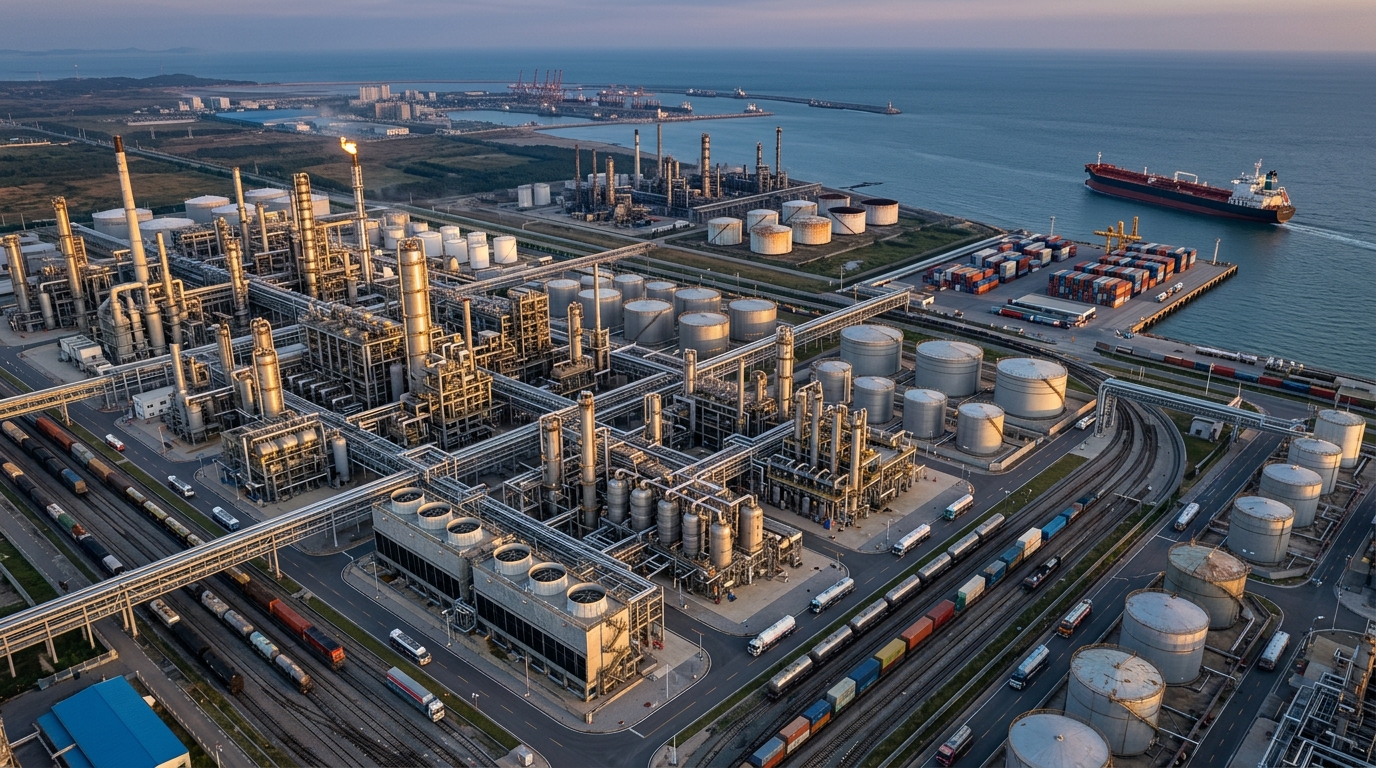
Thailand has developed a substantial petrochemical manufacturing base, with production facilities concentrated around the Eastern Economic Corridor (EEC), particularly the Map Ta Phut industrial area in Rayong. This industrial cluster brings together refineries, crackers, polymer manufacturers and supporting chemical businesses, creating an integrated production network.
According to Krungsri Research, Thailand's total petrochemical capacity reached approximately 37.9 MTPA in 2025, making it the largest petrochemical producer in ASEAN and the 16th largest globally. Its capacity includes 13.3 MTPA of upstream products, 8.7 MTPA of intermediate chemicals, 13.9 MTPA of downstream petrochemicals and 2.0 MTPA of other chemical products.
The country's manufacturing structure covers several important product categories:
Upstream petrochemicals: Ethylene, propylene and other foundational chemical building blocks used in downstream manufacturing.
Intermediate chemicals: Aromatics, chemical intermediates and materials that support plastics, synthetic fibres and industrial applications.
Downstream products: Polyethylene, polypropylene, polyethylene terephthalate (PET), polyvinyl chloride (PVC) and other polymer products.
Thailand's production capacity increased from 34.6 MTPA in 2022 to 37.9 MTPA in 2025. Investments in plant improvements, additional production lines and operational efficiency contributed to this expansion.
This manufacturing depth gives international buyers access to multiple stages of the petrochemical supply chain through an established industrial ecosystem.
Major Producers and Investment Developments
Thailand's petrochemical industry includes large integrated producers and specialised manufacturers that serve domestic and international markets. Their investments influence production availability, product specifications and the country's ability to compete with other Asian manufacturing centres.
Some of the important industry participants include:
PTT Global Chemical (PTTGC): A major integrated petrochemical producer with operations spanning refining, olefins, aromatics and polymers. Its investments in production efficiency and feedstock flexibility support its manufacturing strategy.
SCG Chemicals (SCGC): A major regional chemicals producer with substantial olefins and polyolefins operations. Its activities cover polymer production and value-added chemical solutions.
HMC Polymers: An important polypropylene manufacturer supplying polymer materials for packaging, automotive and industrial applications.
AGC Vinythai: A producer of PVC and other chemical products serving construction and industrial markets.
A significant development emerged on 29 October 2026, when PTTGC and SCGC announced plans to combine their Thai olefins and polyolefins businesses through a proposed joint venture. The partnership aims to strengthen production capabilities, improve feedstock flexibility and expand higher-value product development. The companies expect annual synergies of approximately US$150 million to US$200 million, with the joint venture targeted for establishment in the second half of 2027.
For international buyers, this development signals an important shift towards greater operational coordination and stronger regional competitiveness. It could also influence supplier relationships, product portfolios and long-term procurement arrangements.
Regional Trade Flows and Export Market Opportunities
Thailand's petrochemical industry has a strong export orientation, connecting its manufacturing facilities with major Asian consumer and industrial markets. Export activity plays an important role in balancing domestic production with demand from overseas customers.
According to Krungsri Research, approximately 55% of Thailand's downstream petrochemical output is exported, with plastic resins accounting for a substantial share of international shipments. China represents the largest export destination, followed by Japan, Indonesia, Vietnam and India.
These trade relationships reflect the growing importance of Asian manufacturing networks. Thailand supplies materials to countries with expanding packaging, electronics, automotive and consumer goods industries.
Regional export opportunities are particularly relevant in the following markets:
China: A major destination for Thai petrochemical products, although expanding Chinese domestic production has increased competition for imported materials.
Japan: An established industrial trading partner with demand for specialised polymers, chemical intermediates and manufacturing inputs.
Indonesia: A growing market for plastic resins and chemical materials used in packaging, consumer products and industrial manufacturing.
Vietnam: Expanding manufacturing activity supports demand for polymers, packaging materials and other petrochemical inputs.
India: A significant growth market where food packaging, electrical appliances and consumer goods production create opportunities for imported chemical materials.
Thailand's regional trade position also benefits from ASEAN economic integration. Reduced trade barriers and established logistics connections can help suppliers reach neighbouring markets, although individual products remain subject to applicable tariffs, standards and import requirements.
Feedstock Availability and Petrochemical Production Costs
Feedstock availability is one of the most important factors influencing Thailand's petrochemical competitiveness. The country's producers rely on both naphtha-based and gas-based raw materials, with naphtha accounting for approximately 67% of total petrochemical capacity and gas-based feedstocks representing the remaining 33%.
This structure exposes manufacturers to fluctuations in crude oil prices, natural gas markets and international transportation costs. Naphtha-based production is particularly sensitive to changes in petroleum markets because feedstock expenses directly influence manufacturing economics.
Several factors are shaping production costs in 2026:
International energy prices: Changes in crude oil and natural gas prices affect feedstock procurement, electricity consumption and transportation expenses.
Imported feedstock dependence: Thailand's reliance on imported petroleum-based inputs creates exposure to international supply disruptions and currency movements.
Regional competition: Producers in China, the Middle East and other manufacturing centres influence regional selling prices through differences in feedstock costs and production capacity.
Plant utilisation: Maintenance shutdowns, operational interruptions and lower utilisation rates can increase unit production costs.
Geopolitical developments have added another layer of uncertainty. Disruptions affecting shipping through the Strait of Hormuz have increased concerns about energy and feedstock availability across Asian markets, placing additional pressure on producers that depend on imported raw materials.
For chemical buyers, these conditions make supplier diversification and forward procurement planning increasingly important.
Downstream Demand and Industrial Applications
Thailand's petrochemical sector serves a broad domestic manufacturing base. Packaging, textiles, automotive production and electronics represent important demand centres, creating consistent requirements for polymers and chemical intermediates.
Packaging is particularly influential because food processing, beverage manufacturing and consumer goods production require substantial quantities of plastic materials. Polyethylene, polypropylene and PET support applications ranging from flexible packaging films to rigid bottles and containers.
Other significant application areas include:
Automotive manufacturing: Polypropylene, engineering plastics and polymer compounds support lightweight vehicle components, interior fittings and industrial parts.
Textiles and synthetic fibres: Petrochemical intermediates provide essential inputs for polyester and other synthetic materials.
Electronics: Specialty polymers, insulating materials and chemical intermediates support electrical and electronic equipment manufacturing.
Construction: PVC, polyethylene and other plastic materials serve pipes, fittings, insulation and building components.
Consumer goods: Plastic resins and additives support household products, appliances and everyday manufactured goods.
Domestic manufacturers consume more than 80% of Thailand's upstream and intermediate petrochemical products as production feedstocks. This interconnected structure creates demand relationships between different stages of the chemical supply chain.
However, downstream purchasing activity remains sensitive to economic conditions. Slower industrial growth and cautious inventory management can reduce immediate demand even when long-term manufacturing requirements remain intact.
Environmental Regulations and the Shift Towards Sustainable Chemicals
Environmental requirements are becoming increasingly important in Thailand's chemical manufacturing and export strategies. Producers face growing pressure to reduce emissions, improve resource efficiency and develop materials that support more sustainable manufacturing practices.
Thailand's Plastic Waste Management Roadmap for 2023–2027 encourages reductions in plastic waste, improved recycling systems and greater producer responsibility throughout product lifecycles. Proposed Clean Air Act and Climate Change Act measures are also expected to influence industrial compliance requirements.
These developments are encouraging investment in several areas:
Recycled polymers: Greater use of recycled plastic materials in packaging and consumer product manufacturing.
Bioplastics: Development of bio-based materials, including polylactic acid (PLA), for applications where conventional plastics can be replaced.
Low-carbon production: Improvements in energy efficiency, emissions management and manufacturing processes.
Specialty chemicals: Greater attention to higher-value materials that serve specific industrial requirements.
For international procurement teams, sustainability considerations are becoming part of supplier evaluation. Buyers increasingly need information about material composition, recycled content, manufacturing practices and environmental compliance.
Thailand's ability to develop these product categories could strengthen its position in markets where manufacturers face stricter environmental requirements.
Challenges Facing Thailand's Chemical Trade in 2026
Despite its substantial production infrastructure, Thailand's petrochemical industry faces several structural and short-term challenges. These issues influence supplier competitiveness, export pricing and the reliability of international chemical shipments.
Global oversupply remains a major concern. New petrochemical investments in China and other manufacturing regions have increased competition across several product categories. Additional capacity can put downward pressure on polymer prices and reduce margins for established producers.
Feedstock volatility creates procurement uncertainty. Producers dependent on imported naphtha and other petroleum-based inputs face changing production economics when international energy markets experience disruptions.
Demand recovery remains uneven. Packaging and electronics provide important consumption opportunities, but weaker purchasing activity in certain downstream industries can limit order volumes.
Trade and logistics conditions remain complicated. International shipping disruptions, freight cost fluctuations and changing import requirements can affect delivery schedules and landed costs.
Thailand's petrochemical performance has reflected these pressures. The country's production and domestic sales weakened during the first five months of 2026, while exports remained relatively more resilient due to demand from selected Asian markets.
The OECD has also identified regional oversupply, changing Chinese import requirements and declining availability of domestic natural gas as important competitiveness challenges for Thailand's petrochemical industry.
These conditions make it important for buyers to evaluate suppliers based on more than quoted prices. Production reliability, feedstock exposure, delivery commitments and financial stability also influence the overall value of a sourcing agreement.
Thailand Chemical Industry Outlook for 2027 and Beyond
Thailand's chemical industry is likely to experience a period of strategic adjustment as manufacturers respond to global competition, changing energy markets and evolving customer requirements.
In the near term, producers must manage the effects of feedstock disruptions and excess regional capacity. However, expanding manufacturing activity across ASEAN and South Asia offers opportunities for exporters that can supply consistent-quality products at competitive prices.
Several developments could influence the industry's direction:
Greater regional integration: Partnerships between major manufacturers could improve production coordination, operational efficiency and access to international customers.
Feedstock diversification: Greater flexibility in using alternative feedstocks may help reduce exposure to individual energy markets.
Specialty product development: Producers may increasingly focus on higher-value polymers and chemicals rather than competing exclusively in oversupplied commodity segments.
Sustainable manufacturing: Investments in recycled plastics, bio-based materials and lower-emission processes could open additional export opportunities.
Emerging Asian demand: Industrial expansion in Vietnam, Indonesia and India may create additional markets for Thai chemical manufacturers.
Krungsri Research expects gradual improvement in industry conditions during 2027 and 2028 as downstream demand strengthens and feedstock supply constraints ease. Nevertheless, oversupply and competitive pricing are likely to remain important considerations across several product categories.
For traders and procurement managers, Thailand should therefore remain an important market to monitor, particularly when sourcing polymers, petrochemical intermediates and industrial chemical materials.
What Procurement Teams Should Consider When Sourcing from Thailand
Thailand offers international buyers access to an established petrochemical manufacturing ecosystem, but successful procurement requires careful supplier selection and market monitoring.
Buyers should consider the following priorities when evaluating Thai chemical suppliers:
Verify manufacturing capabilities: Confirm whether the supplier operates its own production facilities or sources materials through third-party manufacturers and distributors.
Compare feedstock exposure: Understand how international energy prices and imported raw materials may influence product availability and pricing.
Review technical specifications: Request product data sheets, certificates of analysis and relevant quality documentation before confirming an order.
Evaluate logistics arrangements: Compare shipping routes, delivery lead times, packaging requirements and total landed costs.
Monitor regulatory requirements: Check applicable import standards, chemical documentation and environmental requirements in the destination market.
Build alternative sourcing relationships: Maintain access to suppliers in multiple countries to reduce dependence on a single manufacturing location.
Procurement teams should also distinguish between short-term price opportunities and sustainable supply arrangements. A competitive quotation may not provide the best commercial outcome if the supplier cannot maintain consistent specifications, fulfil delivery commitments or support repeat orders.
Thailand's established production capacity and regional trade connections make it a valuable sourcing destination. However, buyers who monitor market developments and maintain flexible supplier networks will be better positioned to manage changing conditions across the Asian chemical market.
Ready to source polyethylene terephthalate (PET) from verified global suppliers? Explore competitive offers on our platform today.
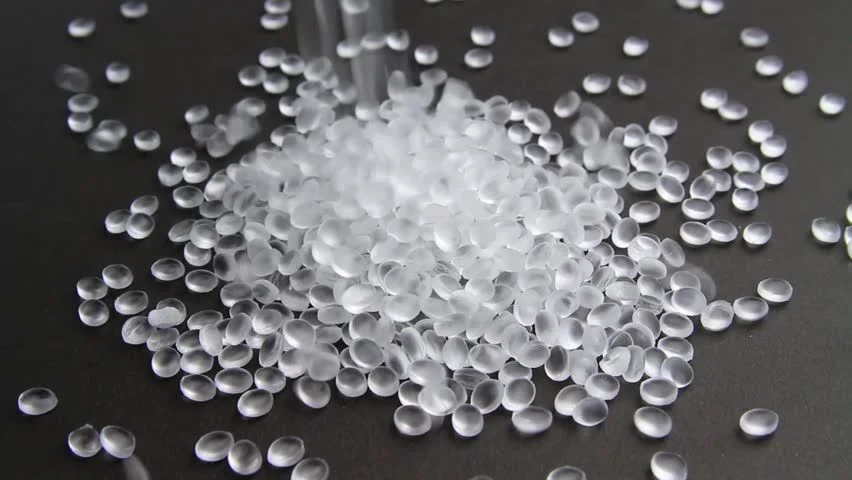
Polyethylene Terephthalate (PET)
Found this useful?