
Japan Chemical Market Outlook: Innovation, Imports and Industrial Demand in 2026
Japan's chemical industry is entering a period of significant structural change in 2026, as energy supply disruptions, international competition and demand for advanced materials reshape its industrial priorities. The Japan chemical market continues to play an important role in global manufacturing, supported by sophisticated production capabilities, advanced research and strong demand from electronics, automotive, healthcare and industrial sectors.
However, the market faces a changing balance between domestic manufacturing and imported chemical products. Japanese producers are reassessing traditional petrochemical operations while strengthening their positions in higher-value specialty chemicals. For international traders, importers and exporters, these developments are creating new opportunities across raw materials, polymers, industrial intermediates and advanced chemical formulations.
Japan's Chemical Industry Is Moving Towards Higher-Value Production
Japan has one of the world's most technologically advanced chemical industries. Its manufacturers supply materials to major industrial sectors, including semiconductor production, electric vehicle manufacturing, pharmaceuticals, construction and consumer electronics.
The industry is also adapting to structural challenges. Growing petrochemical overcapacity across Asia, rising energy costs and pressure on conventional manufacturing margins have encouraged Japanese companies to reconsider their production portfolios.
Instead of competing primarily on the volume of basic chemicals, manufacturers are increasingly prioritising products that offer specialised performance and higher commercial value. These include:
Electronic-grade chemicals: High-purity materials used in semiconductor fabrication, printed circuit boards and advanced electronic components.
Functional polymers: Engineered plastics and resin systems designed for automotive components, electronics and industrial applications.
Specialty chemicals: Performance additives, coatings, catalysts and chemical intermediates developed for specific manufacturing requirements.
Life sciences materials: Advanced chemical ingredients supporting pharmaceutical production, biotechnology and medical applications.
This transformation creates an important distinction for international suppliers. Japanese buyers increasingly evaluate chemicals according to technical specifications, consistency and application performance rather than price alone.
Industrial Demand: Semiconductors, Automotive and Advanced Manufacturing
Industrial demand remains a central factor shaping Japan's chemical market. The country's manufacturing base depends on reliable supplies of chemical inputs that meet demanding quality standards and support complex production processes.
The semiconductor industry represents one of the most strategically important demand segments. Semiconductor fabrication requires high-purity solvents, specialty gases, photoresist materials, electronic chemicals and specialised cleaning agents. As Japan strengthens its semiconductor manufacturing capabilities, demand for reliable chemical inputs continues to attract attention from domestic producers and international suppliers.
The automotive sector provides another important source of demand. Japanese manufacturers require engineering plastics, synthetic rubber, adhesives, coatings and specialty additives for conventional vehicles, hybrid systems and electric vehicles.
Several industrial developments are particularly relevant:
Electric vehicle production: Battery materials, electrolyte components, polymer separators and specialised coatings support the development of advanced energy storage systems.
Automotive lightweighting: High-performance polymers and engineering plastics help manufacturers reduce vehicle weight while maintaining structural strength.
Electronics manufacturing: High-purity chemicals and functional materials support semiconductor components, displays and electronic assemblies.
Pharmaceutical production: Chemical intermediates, solvents and specialised ingredients support the country's healthcare and life sciences industries.
These applications create demand for both domestically manufactured chemicals and imported products. Suppliers that can maintain consistent specifications and dependable delivery schedules have opportunities to develop long-term relationships with Japanese industrial buyers.
Imports and Trade Flows Are Reshaping Chemical Supply
Japan remains an important participant in international chemical trade, but its import requirements are changing as domestic production structures evolve.
According to Japan's 2026 trade review published by the Japan External Trade Organization (JETRO), chemical imports reached approximately US$92.8 billion in 2025, representing a 4.8% increase from the previous year. Pharmaceutical products and medical supplies accounted for a substantial share, while organic chemicals, plastics and fertilisers also contributed to import activity.
The country's chemical import requirements reflect several structural factors:
Domestic production limitations in selected chemical categories.
Demand for specialised materials that manufacturers cannot always source economically within Japan.
Pharmaceutical and healthcare requirements that depend on international supply networks.
Growing competition from Asian producers offering alternative sources of polymers and chemical intermediates.
The changing import position of bisphenol-A provides a useful example. Japan imported approximately 69,727 metric tonnes during the first half of 2026, an increase of 60.8% year over year. South Korea supplied 40,834 metric tonnes, making it the leading origin during the period, while Taiwan supplied another 25,749 metric tonnes.
This increase reflects tighter domestic availability and greater reliance on overseas suppliers. It also demonstrates how changes in local production capacity can quickly influence international sourcing patterns.
For chemical exporters, Japan offers opportunities across several product categories, particularly where buyers require consistent quality, dependable volumes and competitive alternatives to existing suppliers.

Petrochemical Restructuring and Raw Material Supply Challenges
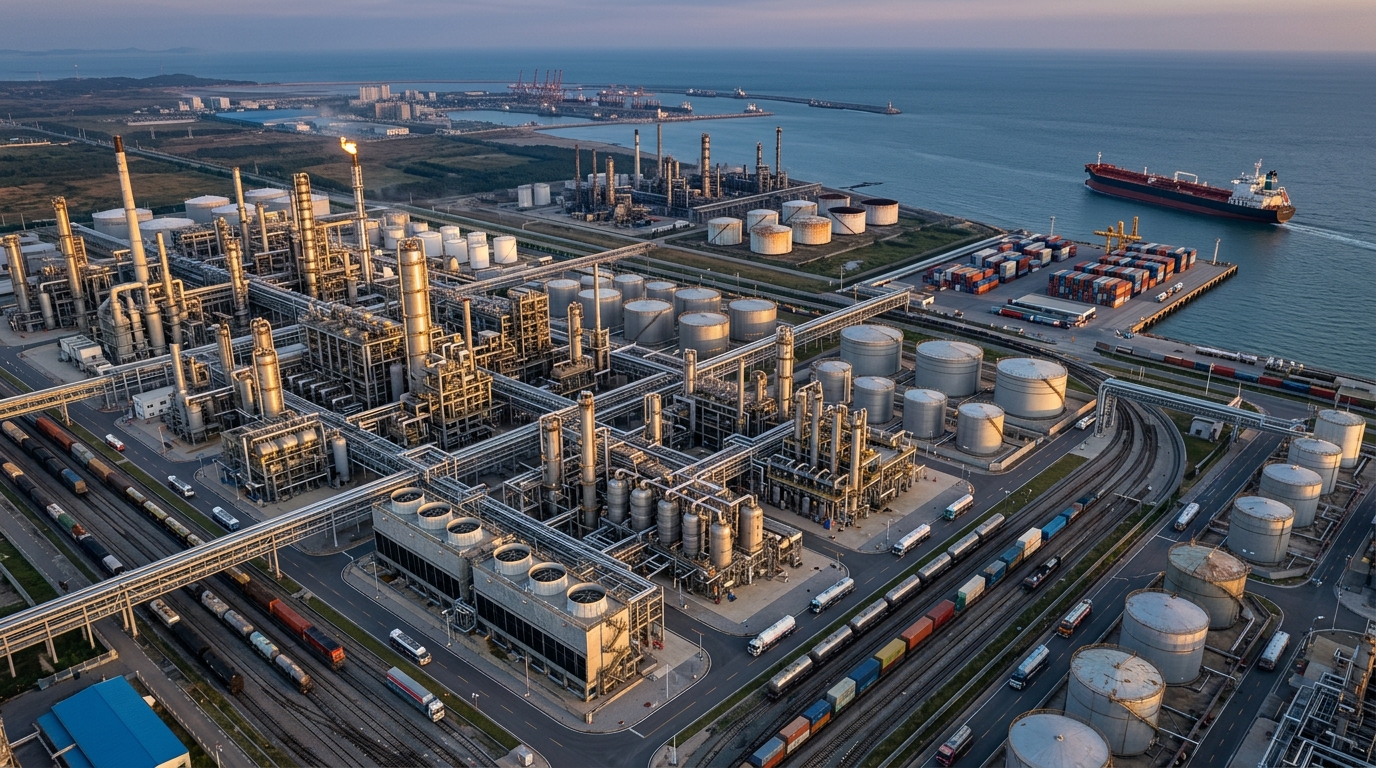
Japan's traditional petrochemical industry faces considerable pressure from regional oversupply and feedstock uncertainty. Domestic producers have historically relied on imported crude oil and naphtha to manufacture essential petrochemical building blocks, including ethylene, propylene and downstream polymer products.
The changing economics of Asian petrochemicals have made this operating model more challenging. Large capacity additions in China have increased competition in commodity chemicals, placing pressure on Japanese producers that operate with comparatively higher production costs.
Energy supply disruptions have added another layer of difficulty in 2026. Japan's reliance on Middle Eastern oil supplies has exposed its chemical manufacturers to geopolitical risks and uncertainty surrounding feedstock availability.
Several developments are influencing the sector:
1. Greater dependence on alternative imports
Japanese buyers are seeking additional sources of crude oil, naphtha and intermediate chemicals to reduce their exposure to supply disruptions. The United States and Algeria have become relevant alternative sourcing destinations in this diversification effort.
2. Lower petrochemical operating rates
Some manufacturers are adjusting production levels to manage feedstock availability and operating costs. This approach helps protect margins but can increase dependence on imported downstream products.
3. Production capacity rationalisation
Japanese companies are reviewing conventional petrochemical operations as regional competition intensifies. Industry restructuring is expected to continue beyond 2026, with further adjustments to ethylene production capacity.
4. Increased imports of commodity polymers
Japan's changing polymer trade position illustrates the impact of domestic capacity adjustments. According to S&P Global, HDPE imports reached 204,897 metric tonnes in 2025, compared with 176,226 metric tonnes in 2021. Japan has become a net importer of high-density polyethylene as import requirements increase relative to domestic supply.
For international chemical traders, these changes highlight the importance of monitoring product-level supply gaps rather than relying exclusively on overall market growth.
Innovation and Specialty Chemicals Are Creating New Opportunities
Although conventional petrochemicals face structural pressure, Japan's specialty chemicals segment offers a different growth direction. Manufacturers continue to invest in materials that support advanced manufacturing, energy efficiency, electronics and high-performance industrial applications.
Research and development remain important competitive advantages for Japanese chemical companies. Their technical capabilities support specialised formulations that require precise chemical properties, high purity and consistent manufacturing performance.
Important innovation areas include:
Semiconductor materials: Advanced photoresists, electronic-grade solvents and high-purity processing chemicals support next-generation chip manufacturing.
Battery technology: Electrolyte materials, functional polymers and specialised chemical additives contribute to energy storage development.
Sustainable materials: Recycled polymers, bio-based feedstocks and alternative chemical production methods support industrial decarbonisation.
Advanced coatings: Functional coatings improve corrosion resistance, durability and surface performance across automotive and electronics applications.
Medical and pharmaceutical chemicals: High-quality intermediates and specialised ingredients support pharmaceutical manufacturing and biotechnology.
Japan's research priorities also extend to AI-assisted materials development and advanced energy conversion technologies. These areas create opportunities for suppliers that can deliver specialised raw materials and establish technical partnerships with manufacturers.
For exporters, the specialty chemicals market requires more than competitive pricing. Product documentation, purity levels, batch consistency and technical support can influence purchasing decisions just as strongly as commercial terms.
Sustainability and Green Transformation in Chemical Manufacturing
Environmental performance is becoming an increasingly important consideration for Japan's chemical manufacturers. The industry faces pressure to reduce carbon emissions, improve energy efficiency and develop production systems that use resources more effectively.
Japan's Green Transformation (GX) strategy supports investment in technologies that contribute to industrial decarbonisation. Within the chemical sector, this includes research into carbon utilisation, lower-emission manufacturing processes and circular material systems.
Several developments are influencing purchasing and production decisions:
Recycled plastics: Chemical recycling and improved polymer recovery technologies can help manufacturers reuse plastic resources and reduce dependence on virgin feedstocks.
Carbon utilisation: Research into converting captured carbon dioxide into chemical feedstocks offers opportunities to develop alternative production pathways.
Bio-based materials: Renewable feedstocks can support the development of alternative solvents, polymers and specialty chemical ingredients.
Energy-efficient production: Manufacturers are evaluating technologies that reduce energy consumption across chemical processing, separation and refining operations.
These changes also affect international procurement. Buyers increasingly consider the environmental performance of suppliers, manufacturing transparency and the ability to provide relevant product documentation.
Exporters that invest in sustainable production and traceable supply chains may strengthen their competitive position as Japanese manufacturers refine their sourcing requirements.
Regulatory Requirements and Procurement Considerations
Japan maintains a detailed regulatory framework for chemicals entering its domestic market. International suppliers must understand the country's chemical management requirements before approaching potential buyers or arranging shipments.
The Chemical Substances Control Law (CSCL) governs the manufacture and import of chemical substances and helps manage risks associated with chemical use. Additional requirements may apply under industrial safety, environmental protection, workplace handling and product-specific legislation.
For international chemical traders, compliance preparation should cover several areas:
Chemical identification: Confirm the correct chemical name, composition and applicable substance identification details.
Safety Data Sheets: Provide accurate SDS documentation that follows applicable Japanese requirements and supports safe handling.
Product classification: Check whether the chemical falls under specific restrictions, reporting obligations or import controls.
Labelling and packaging: Ensure packaging and hazard communication meet relevant Japanese requirements.
Import documentation: Prepare commercial invoices, certificates of origin, product specifications and other required shipping documents.
Japanese procurement teams generally place considerable importance on supplier reliability and documentation quality. Missing technical information or inconsistent product specifications can delay approvals and complicate customs clearance.
Foreign suppliers should also evaluate their buyers' individual quality requirements before confirming commercial offers. Pharmaceutical, food-grade and electronics applications may require additional certifications, testing records or quality assurance procedures.
What the Japan Chemical Market Outlook Means for Buyers in 2027
The outlook for Japan's chemical industry points towards continued structural adjustment rather than uniform growth across all product categories. Basic petrochemical production faces challenges from feedstock uncertainty, regional oversupply and changing manufacturing economics.
However, specialised materials, advanced polymers and chemicals used in electronics, automotive manufacturing and life sciences offer important opportunities. Japan's focus on high-value production should continue to influence both domestic investment and international purchasing requirements.
Industry forecasts also point towards a potential recovery in chemical output during 2027 and 2028 as supply conditions improve and manufacturers adjust their production structures.
For procurement managers and international traders, several priorities deserve attention:
Diversify supplier networks: Develop relationships with manufacturers across multiple countries to reduce dependence on individual supply routes.
Monitor import-dependent products: Track polymers, organic chemicals and intermediates where domestic availability remains limited.
Prioritise technical compliance: Prepare complete specifications, safety documentation and quality records before approaching Japanese buyers.
Evaluate specialty chemical opportunities: Focus on materials used in semiconductors, batteries, pharmaceuticals and advanced manufacturing.
Track feedstock developments: Monitor crude oil, naphtha and regional petrochemical conditions because these factors influence downstream chemical prices.
Build long-term supplier relationships: Consistent quality, transparent communication and reliable delivery can create stronger commercial partnerships.
Japan's chemical market offers a combination of established industrial demand and emerging sourcing opportunities. Buyers who understand the differences between commodity chemicals and specialised materials can make more informed purchasing decisions while improving supply security.
For exporters, the strongest opportunities will come from matching Japanese manufacturers' technical requirements with competitive pricing, dependable logistics and consistent product quality. Ready to source High Density Polyethylene (HDPE) from verified global suppliers? Explore competitive offers on our platform today.
Sources:
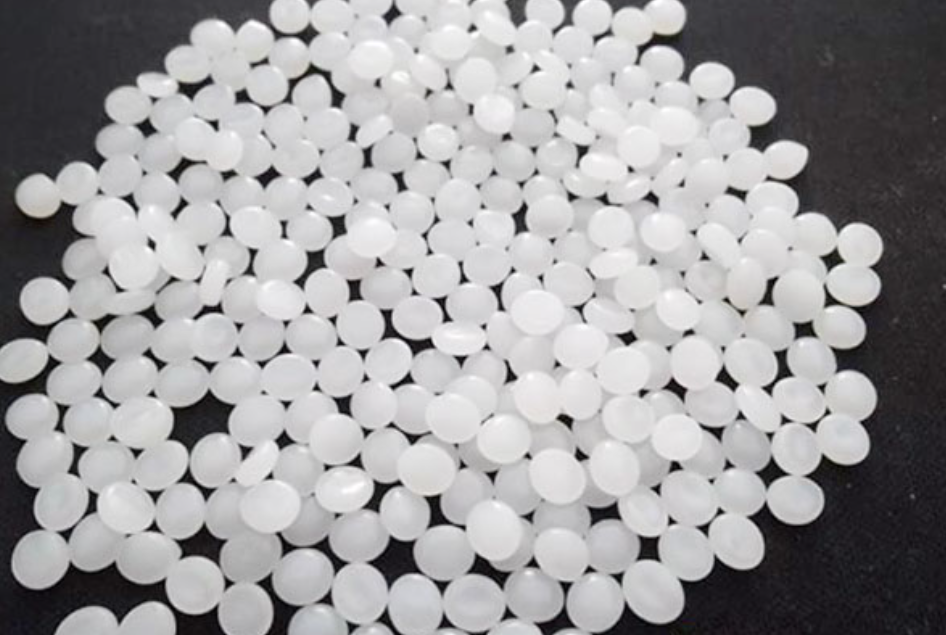
High Density Polyethylene (HDPE)
Found this useful?