Industrial Corrosion Inhibitors: Applications, Types and Selection Criteria
Industrial corrosion causes significant equipment damage across industries, making chemical inhibition an important part of modern asset protection strategies. Industrial corrosion inhibitors help control metal deterioration in pipelines, processing equipment, cooling systems and storage infrastructure exposed to aggressive operating environments.
For chemical manufacturers, oil and gas operators, water treatment facilities and industrial procurement teams, selecting the right inhibitor involves more than comparing chemical prices. Buyers must consider metal compatibility, operating temperature, fluid composition, treatment concentration and environmental requirements to achieve reliable protection.
These chemicals provide an economical way to extend equipment service life, reduce maintenance requirements and maintain operational reliability. However, their effectiveness depends on selecting a formulation that matches the specific corrosion mechanism and conditions within each industrial system.
What Are Industrial Corrosion Inhibitors and How Do They Work?
Industrial corrosion inhibitors are chemical substances that slow down the reactions responsible for metal deterioration. They typically work by forming a protective layer on metal surfaces, modifying electrochemical reactions or reducing the contact between corrosive substances and the underlying material.
Corrosion commonly occurs when metals interact with water, oxygen, acids, salts or other reactive compounds. These interactions can cause oxidation, surface damage, metal loss and structural weakening over time.
Inhibitors interrupt these processes through several mechanisms:
Protective film formation: Some organic inhibitors attach themselves to metal surfaces and create a thin barrier that limits contact with corrosive fluids.
Anodic inhibition: These chemicals reduce the metal dissolution reaction that occurs at anodic sites on a metal surface.
Cathodic inhibition: These formulations slow down cathodic reactions, including oxygen reduction, which contribute to electrochemical corrosion.
Mixed inhibition: Some chemicals influence both anodic and cathodic reactions to provide broader protection.
Oxygen removal: Certain treatment chemicals reduce dissolved oxygen, limiting oxygen-driven corrosion in industrial water systems.
The appropriate mechanism depends on the metal, surrounding environment and operating conditions. A formulation that performs well in a closed cooling circuit may not deliver the same results in an oil production pipeline or an acidic processing system.
Major Types of Industrial Corrosion Inhibitors
Industrial buyers encounter several inhibitor categories, each designed for particular applications and corrosion environments. Understanding these differences helps procurement managers evaluate supplier specifications and identify suitable chemical formulations.
1. Organic corrosion inhibitors
Organic inhibitors often contain nitrogen, sulfur, phosphorus or oxygen-containing functional groups. These compounds can attach to metal surfaces and create protective films that reduce contact with corrosive substances.
Common applications include oil and gas production, petroleum refining, acid cleaning and industrial fluid processing. Their performance depends on chemical structure, concentration and compatibility with the process fluid.
2. Inorganic corrosion inhibitors
Inorganic inhibitors generally work through surface passivation or protective deposit formation. Common chemical families include phosphates, silicates, molybdates and certain zinc-based formulations.
Water treatment facilities frequently use these chemicals to protect metal distribution networks, heat exchangers and cooling equipment. Formulation selection must account for water chemistry and the possibility of deposits or scaling.
3. Volatile corrosion inhibitors
Volatile corrosion inhibitors, also called vapor-phase corrosion inhibitors, release protective compounds into enclosed spaces. These compounds travel through the vapor phase and settle on accessible metal surfaces.
Manufacturers use them in packaging, equipment storage, enclosed machinery and metal component transportation. They can provide protection when conventional liquid treatment cannot easily reach every surface.
4. Film-forming corrosion inhibitors
Film-forming inhibitors create a protective layer that separates metal surfaces from corrosive fluids. Oil and gas operators commonly use these formulations in pipelines, production equipment and processing systems.
Their effectiveness depends on surface coverage, film stability and the ability of the chemical to remain attached under operating conditions.
Industrial Applications Across Key Sectors
Corrosion inhibitors support operations across several industries where metal equipment regularly encounters moisture, chemicals and changing temperatures. Their application varies according to the type of equipment and the nature of the surrounding environment.
Oil and gas production
Oil and gas facilities use corrosion inhibitors to protect production tubing, pipelines, separators and processing equipment. Carbon dioxide, hydrogen sulfide, produced water and dissolved salts can create aggressive conditions that accelerate internal corrosion.
Operators often inject inhibitors continuously or periodically into production streams. The chemical must distribute effectively through the system and maintain protection under changing flow conditions.
Water treatment and cooling systems
Industrial cooling towers, boilers and water circulation networks expose metal surfaces to dissolved oxygen, minerals and treatment chemicals. Corrosion inhibitors help maintain equipment integrity and reduce leakage risks.
Phosphate, silicate and molybdate-based formulations serve different water treatment applications. Treatment programs must balance corrosion protection with scaling control and compatibility with other water treatment chemicals.
Chemical and petrochemical manufacturing
Chemical processing plants handle acids, alkalis, solvents and reactive intermediates that can damage metal equipment. Inhibitors help protect reactors, storage vessels, transfer lines and processing units where compatible chemical treatment offers a practical protection option.
The selected formulation must withstand the process temperature and chemical composition without interfering with product quality or downstream reactions.
Automotive and manufacturing industries
Manufacturers use corrosion inhibitors in metalworking fluids, industrial lubricants, cooling systems and temporary metal protection products. These chemicals help preserve machinery, tools and manufactured components during processing and storage.
Construction and infrastructure
Corrosion inhibitors also protect reinforced concrete structures, bridges and industrial buildings. Certain formulations reduce corrosion activity around embedded steel reinforcement, particularly in structures exposed to moisture and chloride-containing environments.

Key Selection Criteria for Industrial Corrosion Inhibitors
Choosing an effective corrosion inhibitor requires a detailed understanding of the operating environment. Procurement teams should work with technical specialists and chemical suppliers to evaluate the following factors before approving a product.
1. Metal type and material compatibility
Different metals respond differently to corrosive environments and chemical treatments. Carbon steel, stainless steel, copper alloys and aluminum may require different inhibitor chemistries.
Buyers should provide suppliers with accurate information about the equipment materials. A formulation suitable for carbon steel may cause compatibility problems with copper or aluminum components.
2. Operating temperature and pressure
Temperature influences chemical reaction rates, inhibitor stability and protective film formation. High-temperature systems may require specialized formulations that retain their performance under thermal stress.
Pressure also matters, particularly in oil and gas applications where dissolved gases and multiphase fluids influence corrosion behavior.
3. Fluid composition and corrosion mechanism
The chemical composition of the operating fluid determines which inhibitor family will perform effectively. Important parameters include:
pH and alkalinity levels.
Dissolved oxygen concentration.
Chloride and sulfate content.
Carbon dioxide and hydrogen sulfide concentrations.
Water content and salinity.
Presence of suspended solids and microorganisms.
These details help suppliers identify the dominant corrosion mechanism and recommend an appropriate treatment approach.
4. Solubility and distribution
An inhibitor must distribute throughout the system to reach the surfaces requiring protection. Oil and gas applications require particular attention to water-oil partitioning because the chemical needs to reach the corrosive phase.
Poor solubility or unsuitable partitioning can reduce treatment effectiveness even when laboratory tests show promising results.
5. Chemical compatibility
Industrial processes frequently use multiple treatment chemicals simultaneously. Corrosion inhibitors must remain compatible with scale inhibitors, biocides, demulsifiers, cleaning agents and other process additives.
Incompatible formulations may cause precipitation, foaming, emulsification or reduced treatment performance.
6. Environmental and safety requirements
Procurement teams should review toxicity, biodegradability, handling requirements and disposal considerations. Supplier documentation should include Safety Data Sheets (SDS), technical specifications and relevant regulatory information.
Environmental requirements may also influence the choice of inhibitor chemistry, especially in offshore operations and facilities that discharge treated water.
Testing Methods and Performance Evaluation
Selecting a corrosion inhibitor based only on its product description or recommended dosage can create unnecessary operational risks. Buyers should request performance data that reflects the actual conditions of their industrial systems.
Laboratory evaluation provides an important starting point for comparing formulations. ASTM G170 provides guidance on evaluating and qualifying corrosion inhibitors for oilfield and refinery applications. ASTM G170 standard addresses accepted laboratory evaluation approaches and important selection considerations.
Common testing methods include:
Weight-loss testing: Metal coupons remain exposed to a corrosive environment for a specified period. Technicians measure the resulting mass loss to estimate corrosion rates.
Electrochemical testing: Techniques such as linear polarization resistance and electrochemical impedance spectroscopy help assess corrosion behavior and inhibitor performance.
Rotating cage testing: This method evaluates inhibitor performance under controlled dynamic conditions, particularly for oilfield applications.
Surface analysis: Microscopy and other analytical techniques help examine protective film formation and identify surface damage.
Compatibility testing: Laboratory assessments identify potential interactions between inhibitors and other treatment chemicals.
A commonly used measure of inhibitor effectiveness compares corrosion rates before and after chemical treatment:
\[ \text{Inhibition Efficiency (\%)} = \frac{CR_0-CR_i}{CR_0}\times100 \]
Here, \(CR_0\) represents the corrosion rate without inhibitor treatment, while \(CR_i\) represents the corrosion rate after treatment.
A higher percentage indicates greater corrosion reduction under the tested conditions. However, buyers should also evaluate long-term stability, chemical consumption and actual operating performance rather than relying on inhibition efficiency alone.
Supply Chain and Procurement Considerations
Industrial corrosion inhibitor procurement requires coordination between technical departments, purchasing teams and chemical suppliers. Product availability, formulation consistency and delivery reliability can directly affect maintenance schedules and plant operations.
Several sourcing factors deserve attention:
Supplier technical capability: Buyers should prioritize suppliers who can provide detailed technical data, product specifications and application guidance. Technical support becomes especially important when operating conditions change or unexpected corrosion appears.
Product consistency: Variations in chemical composition can affect inhibitor performance. Procurement teams should request certificates of analysis (COA) and confirm that delivered material meets the agreed specifications.
Packaging and transportation: Corrosion inhibitors may require specialized containers depending on their chemical composition, concentration and handling requirements. Buyers should verify packaging compatibility, storage conditions and applicable transport regulations.
Inventory planning: Facilities that rely on continuous chemical injection need dependable stock availability. Procurement teams should calculate consumption rates and maintain appropriate safety stock to prevent interruptions in treatment.
Total treatment cost: The lowest purchase price does not always represent the most economical option. Buyers should consider dosage requirements, treatment frequency, maintenance savings and the expected service life of protected equipment.
A reliable sourcing strategy combines competitive pricing with technical suitability and dependable supplier performance.
Monitoring and Maintaining Corrosion Protection
Even a well-selected inhibitor requires regular monitoring to maintain effective protection. Changes in water chemistry, operating temperature, flow rate and process composition can influence treatment performance.
Industrial operators should establish monitoring procedures that include:
Regular corrosion coupon inspections and corrosion rate measurements.
Monitoring of inhibitor concentration and chemical injection rates.
Periodic analysis of process water and fluid composition.
Inspection of pipelines, tanks and equipment for localized corrosion.
Review of chemical consumption and treatment system performance.
For oil and gas operations, appropriate injection equipment also plays an important role. Poor injection distribution, blocked lines or inconsistent dosing can reduce chemical availability across the system.
The Energy Institute's Guidelines for Injection of Corrosion Inhibitors in Oil and Gas Production Systems covers the technical and operational aspects of inhibitor deployment, selection and performance monitoring. Energy Institute corrosion inhibitor injection guidelines.
What Industrial Buyers Should Prioritize When Sourcing
The effectiveness of an industrial corrosion inhibitor depends on how well its formulation matches the equipment, operating environment and treatment objectives. Buyers should establish technical requirements before comparing supplier quotations or negotiating long-term contracts.
A practical procurement approach includes the following steps:
Define the application: Identify whether the product will protect pipelines, cooling systems, boilers, storage tanks or processing equipment.
Share operating specifications: Provide information about metal composition, temperature, pressure, pH and fluid chemistry.
Request technical documentation: Obtain the TDS, SDS, COA and relevant laboratory performance results.
Evaluate product compatibility: Confirm that the formulation works with existing treatment chemicals and process materials.
Arrange performance trials: Conduct laboratory testing and controlled field evaluations before large-scale implementation.
Assess supplier reliability: Compare product consistency, delivery capabilities, technical support and commercial terms.
Establish monitoring procedures: Track corrosion rates and chemical consumption to determine whether the treatment delivers the expected results.
International industrial corrosion management also emphasizes selecting materials and chemical treatments according to the specific operating environment. ISO 21457 provides guidance on corrosion evaluation and materials selection for petroleum, petrochemical and natural gas production systems. ISO 21457 materials selection and corrosion control standard.
For procurement managers, this approach reduces the likelihood of unsuitable purchases and helps establish stronger supplier relationships. It also supports better long-term planning by connecting chemical purchasing decisions with equipment reliability and maintenance costs.
Ready to source industrial corrosion inhibitors from verified global suppliers? Explore competitive offers on our platform today.
Sources:
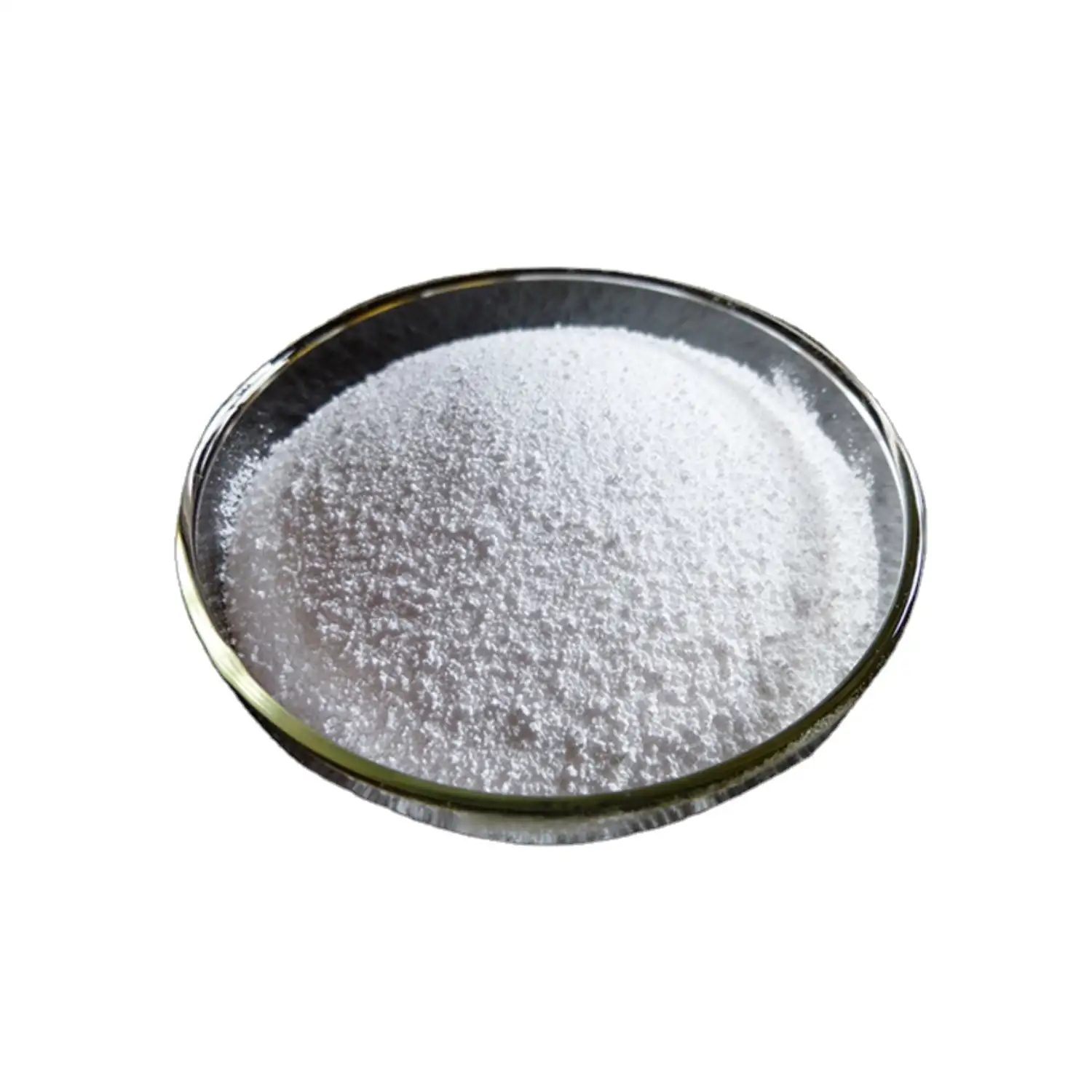
Sodium Tripolyphosphate
Found this useful?