Industrial Degreasers: Applications and Selection Guidelines
Industrial degreasers are cleaning formulations designed to remove oils, grease and other stubborn residues from machinery, equipment and industrial surfaces. They support maintenance activities across manufacturing, automotive, metalworking, food processing and other industrial sectors. By helping maintain clean equipment and components, these products contribute to production quality and routine maintenance operations.
Different industrial environments produce different types of contamination. Machinery may accumulate lubricating oils, metalworking residues and carbon deposits, while production equipment can collect process-related grease and other materials. Selecting a suitable degreaser requires an understanding of the contaminant, surface material, cleaning process and required cleanliness level. Buyers must also consider product compatibility, documentation, supplier reliability and environmental requirements.
1. What Are Industrial Degreasers?
Industrial degreasers are specialised cleaning agents formulated to remove oily and greasy contamination from industrial equipment and surfaces. Their formulations may contain surfactants, solvents, alkaline components, corrosion inhibitors and other ingredients that support cleaning performance.
These products work through different mechanisms. Some help loosen and emulsify oily deposits so they can be removed through an appropriate cleaning process. Others use solvent-based chemistry to dissolve compatible contaminants.
Industrial degreasers are available in several broad categories:
Aqueous degreasers: Water-based formulations that commonly use surfactants and other cleaning ingredients.
Alkaline degreasers: Formulations designed for selected oily and greasy industrial soils.
Neutral degreasers: Cleaning products developed for applications where a less aggressive formulation may be appropriate.
Semi-aqueous degreasers: Products that combine water-based and organic cleaning components.
Solvent-based degreasers: Products that use compatible solvents to remove certain oil and grease residues.
Specialized degreasers: Formulations developed for particular equipment, surfaces or industrial cleaning requirements.
The categories are broad, and products within the same category can have different characteristics. Buyers should therefore assess individual product specifications rather than relying only on general product descriptions.
2. Major Types of Industrial Degreasers and Their Functions
Manufacturers develop degreasers for different cleaning conditions and contamination types. Understanding the main categories helps procurement teams compare products more effectively.
Aqueous Degreasers
Aqueous degreasers use water as their main carrier and commonly contain surfactants and other formulation ingredients. Surfactants help improve wetting and support the removal or dispersion of oily contamination.
These products are used in various production and maintenance cleaning applications. Their suitability depends on the surface material, contaminant type, water quality and cleaning equipment.
Alkaline Degreasers
Alkaline degreasers are formulated for selected industrial soils, including certain oils, grease and production residues. Their cleaning performance depends on the formulation and the surfaces being treated.
They are used in some manufacturing and maintenance environments where the equipment and materials are compatible with the product. Buyers should review the manufacturer's compatibility information before selecting an alkaline formulation.
Neutral Degreasers
Neutral degreasers are designed for cleaning applications where a less aggressive chemical profile may be preferred. They can be considered for selected equipment and surfaces that require careful material compatibility assessment.
Their effectiveness depends on the nature of the contamination and the complete cleaning process. Product-specific testing helps determine whether a neutral formulation meets the required cleaning standard.
Semi-Aqueous Degreasers
Semi-aqueous products combine water-based and organic cleaning components. Their formulations may include surfactants, solvents and other additives that support the removal of certain oily contaminants.
They are considered in applications where a conventional aqueous formulation may not meet the cleaning requirements. Buyers should assess compatibility, residue characteristics and the supplier's recommended process.
Solvent-Based Degreasers
Solvent-based degreasers use organic cleaning components to dissolve compatible oils and grease. They are used in selected industrial applications where the cleaning requirements and equipment are suitable for the product.
These formulations can have different evaporation, exposure, flammability and material-compatibility characteristics. Selection should be based on the product's technical and safety documentation and the controls established by the responsible industrial facility.
Specialized Industrial Cleaning Products
Some degreasers are developed for particular industries or equipment requirements. These may include products for specific manufacturing residues, maintenance applications or specialized cleaning systems.
A specialized formulation should be evaluated against the actual contaminant and the surface involved. General-purpose products should not automatically be treated as suitable for precision equipment, electronics or other sensitive applications.
3. Industrial Applications of Degreasers
Industrial degreasers support maintenance and production activities across several sectors. Their applications depend on the types of residues generated and the cleaning standards required by each industry.
Manufacturing and Machinery Maintenance
Manufacturing equipment can accumulate lubricants, oils and process-related residues during regular operation. Degreasers are used in suitable maintenance processes to help keep machine surfaces and components clean.
Equipment cleanliness can support inspection, maintenance and general production management. Product selection should account for the machinery materials and the requirements of the maintenance program.
Automotive and Transportation
Automotive workshops and manufacturing facilities deal with oily residues on selected components, equipment and maintenance surfaces. Degreasers support cleaning activities associated with machinery maintenance and general workshop operations.
The required formulation depends on the material being cleaned and the nature of the contamination. Vehicle components and sensitive assemblies may require specialized products rather than general industrial cleaners.
Metalworking and Fabrication
Metalworking operations can produce residues from lubricants, machining fluids and other production materials. Cleaning products help prepare selected metal surfaces for subsequent inspection or manufacturing processes.
Surface compatibility is important because some metals and finishes can be affected by unsuitable cleaning formulations. Manufacturers should assess the product against the component's material and intended next process.
Food and Beverage Manufacturing
Food and beverage facilities require controlled cleaning programs to maintain equipment and production-area hygiene. Suitable degreasing products may support the removal of grease and other non-food residues from compatible equipment surfaces.
Product selection must follow the facility's hygiene requirements and applicable regulatory procedures. Buyers should verify whether a product is approved for the intended environment and whether additional cleaning or rinsing requirements apply.
Industrial Facilities and Equipment
Factories, warehouses and processing facilities use degreasers in selected maintenance activities involving machinery housings, equipment surfaces and other compatible areas.
Regular cleaning can support equipment inspections and general facility maintenance. The cleaning product should match the surface, contamination and conditions of the intended application.
4. Key Factors for Selecting Industrial Degreasers
Selecting an industrial degreaser requires more than comparing cleaning strength or purchase price. Buyers should evaluate the complete cleaning requirement and confirm that the product is suitable for the intended industrial environment.
Type of Contamination
The first consideration is the material that needs to be removed. Fresh lubricating oil, aged grease, carbon-related deposits and mixed production residues may respond differently to cleaning formulations.
Buyers should identify the main contaminant and request product guidance from the supplier. A formulation suitable for general oily soil may not perform equally well against every industrial residue.
Surface and Material Compatibility
The surface being cleaned is equally important. Metals, plastics, painted components, rubber seals and coated materials can react differently to cleaning chemicals.
An unsuitable formulation may cause staining, surface damage or changes to protective finishes. Buyers should review the manufacturer's compatibility guidance and arrange appropriate evaluation through qualified personnel before approving a product.
Cleaning Process and Equipment
Industrial cleaning may take place through different professionally managed systems, including spray equipment, immersion systems and automated washing units. Each process has specific requirements for product compatibility and equipment performance.
The degreaser must be suitable for the intended cleaning system. Buyers should confirm this with the manufacturer instead of assuming that a product designed for one process will perform appropriately in another.
Cleaning Effectiveness and Residue
A suitable degreaser should remove the target contamination while meeting the cleanliness requirements of the next production or maintenance stage. Residual cleaning agents can affect later operations if the process does not remove them adequately.
Green Seal's cleaning and degreasing standard includes a cleaning-effectiveness test and highlights the importance of evaluating products under actual cleaning conditions.
Worker Safety and Environmental Requirements
Industrial buyers should review the safety data sheet and applicable workplace requirements before approving a degreaser. Relevant considerations include product hazards, exposure controls, ventilation requirements, waste management and environmental restrictions.
Environmental criteria may also influence product selection. Some organizations assess biodegradability, ingredient restrictions and other environmental characteristics when comparing cleaning products. Green Seal's GS-34 standard provides one example of environmental criteria for production and maintenance degreasers.
5. Buyer Considerations When Sourcing Industrial Degreasers
Reliable procurement helps industrial businesses maintain consistent cleaning standards and avoid unnecessary production interruptions. Buyers should assess technical suitability alongside supplier capabilities and commercial requirements.
Technical Documentation and Specifications
Buyers should request the technical data sheet (TDS) and safety data sheet (SDS) for each product. These documents provide information about the formulation's intended applications, characteristics, compatibility limitations and relevant safety considerations.
Where applicable, buyers should also review product concentration, pH, storage conditions and cleaning-performance information.
Product Quality and Consistency
Consistent product quality supports repeatable cleaning results. Differences in formulation or product characteristics between batches may affect performance and the reliability of established cleaning programmes.
Suppliers should provide clear specifications and suitable batch documentation. Buyers may also establish incoming quality checks according to their internal procurement procedures.
Supplier Reliability and Technical Support
A dependable supplier should provide accurate product information and communicate clearly about application suitability. Technical support can help buyers compare alternatives and assess whether a product meets the requirements of a particular facility.
Delivery reliability is also important, particularly for businesses that depend on regular maintenance and production schedules.
Cost and Overall Procurement Value
The lowest purchase price does not always represent the best overall value. Buyers should consider product performance, required purchasing quantities, packaging, supply availability and waste-management requirements.
A suitable product should meet the cleaning specification while supporting consistent procurement and operational planning.
Packaging, Storage and Supply Availability
Industrial degreasers may be supplied in different packaging formats depending on their formulation and the customer's purchasing requirements. Buyers should confirm packaging suitability, shelf life, storage conditions and transportation arrangements.
These factors help procurement teams maintain product quality and plan supply requirements more effectively.
6. Market Trends and Changing Requirements
Industrial degreaser development is influenced by manufacturing growth, equipment maintenance requirements and increasing attention to environmental performance. Businesses are evaluating products not only for cleaning effectiveness but also for compatibility, workplace requirements and overall environmental impact.
Water-based and alternative cleaning systems continue to receive attention as industrial facilities assess options for reducing reliance on certain conventional solvent formulations. However, product suitability depends on the contaminant, surface and cleaning process rather than the category alone.
Environmental standards are also shaping purchasing decisions. Green Seal's GS-34 standard, for example, establishes environmental requirements for cleaning and degreasing agents used in production and maintenance applications. Its updated requirements include criteria addressing PFAS in product formulations.
Manufacturers and suppliers are also focusing on cleaning performance under real operating conditions. This includes assessing product effectiveness alongside material compatibility and the requirements of the next production stage.
For chemical suppliers, these developments create opportunities to provide application-specific formulations, transparent technical documentation and reliable supply arrangements.
7. Making Informed Industrial Degreaser Purchasing Decisions
Industrial degreasers support equipment maintenance and production cleaning by helping remove oils, grease and other industrial residues. Aqueous, alkaline, neutral, semi-aqueous and solvent-based formulations serve different cleaning requirements.
The right product depends on the contamination, surface material, cleaning system and required cleanliness level. Buyers should review technical documentation, confirm material compatibility and consider workplace and environmental requirements before selecting a supplier.
A structured purchasing process helps businesses compare products based on suitability and performance rather than relying only on general product claims or purchase price.
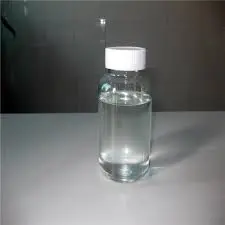
2-Ethyl Hexanol
Found this useful?