Kiel Institute's "Chemical-Food Cascade": How Fertilizer Disruption Feeds Into Food Prices | ChemicalsBlog.com
Publications
schedule4 Min Read
Kiel Institute's "Chemical-Food Cascade": How Fertilizer Disruption Feeds Into Food Prices
terminal
prodchem
Jul 2, 2026
Kiel Institute's "Chemical-Food Cascade": How Fertilizer Disruption Feeds Into Food Prices
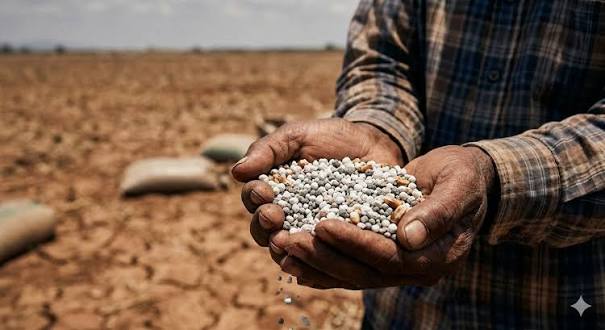
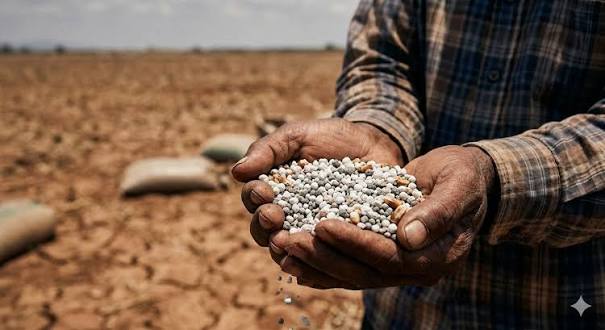
One of the most important lessons from the 2026 Hormuz crisis is that supply chain disruption rarely remains isolated within a single industry. What begins as a geopolitical shipping disruption in energy markets often moves through multiple industrial layers before finally appearing where consumers least expect it — at the supermarket shelf. A recent policy brief from the Kiel Institute for the World Economy provides one of the clearest frameworks explaining this process, describing what it calls the “Chemical-Food Cascade.” The concept is simple but commercially powerful. When a disruption affects energy and chemical production systems, the economic shock travels sequentially through dependent industries, compounding its effect at every stage. In the case of the Hormuz crisis, the initial disruption restricted gas availability and Gulf energy logistics, which then reduced ammonia production, constrained fertilizer supply, disrupted agricultural production economics, reduced crop yield expectations, and ultimately pushed food prices upward across global markets. According to the Kiel Institute’s analysis, the economic impact is amplified twice — first within the chemical production system itself and again later within agricultural and food production systems that depend on chemical inputs.
The significance of this framework is that it explains why commodity markets often continue experiencing pricing pressure long after the original disruption begins stabilizing. Even as diplomatic conditions around Hormuz gradually improve and Gulf exports begin recovering, the economic shock created during the first half of 2026 has already moved deeper into downstream agricultural supply chains. Fertilizer shortages and elevated ammonia pricing earlier this year directly influenced planting economics for major global crops, meaning supply stress created months ago may continue affecting food ingredient pricing long after chemical logistics themselves begin returning to normal. For procurement professionals operating in food manufacturing, the Hormuz crisis is therefore no longer simply a chemical supply chain issue. It has become an agricultural pricing issue with delayed but measurable consequences for ingredient cost structures through the remainder of the year.
Why Food Ingredient Buyers Must Track Fertilizer Exposure Instead of Watching Commodity Prices Alone
The practical value of the Chemical-Food Cascade lies in identifying which ingredient categories remain exposed to residual price risk even after the immediate crisis begins easing. The most vulnerable ingredients are those directly dependent on fertilizer-intensive agricultural production systems. Corn sits at the center of this exposure because large-scale industrial corn production depends heavily on nitrogen fertilizer application, making it one of the clearest categories where earlier ammonia and fertilizer disruption can translate into higher future ingredient costs. This has direct implications for manufacturers sourcing corn starch, glucose syrup, maltodextrin, dextrose, modified starches, and industrial sweeteners whose pricing ultimately depends on stable crop yields later in the season. Wheat operates under similar economics. Because wheat cultivation remains heavily fertilizer dependent, any residual fertilizer shortage or elevated nitrogen pricing can directly influence flour, gluten, starch derivatives, and wider grain-based ingredient markets during the second half of 2026. Sugar markets face similar structural vulnerability because both sugarcane and sugar beet cultivation require significant fertilizer input, meaning sucrose pricing may continue carrying delayed risk even after the underlying shipping crisis improves.
Not all ingredient categories face the same exposure. The Kiel Institute framework also helps identify lower-risk product groups whose production systems depend less directly on fertilizer-intensive agriculture. Fermentation-derived ingredients such as citric acid, monosodium glutamate, amino acids, and several industrial fermentation products remain comparatively insulated because their production economics rely more heavily on industrial fermentation processes than direct crop yield sensitivity. For procurement teams, this distinction matters because monitoring commodity prices alone is no longer enough. The smarter approach is understanding which ingredients remain connected to upstream fertilizer supply disruption through agricultural dependency. The 2026 Hormuz crisis has demonstrated that food ingredient procurement increasingly requires systems thinking rather than isolated commodity analysis. Supply disruptions in one sector can create delayed economic consequences several industries downstream. For buyers planning H2 sourcing strategy, the most important question is no longer simply whether fertilizer markets are stabilizing. The more important question is whether earlier fertilizer disruption has already embedded future pricing pressure into the agricultural commodities that food manufacturing depends on. That delayed cascade effect may become one of the defining procurement risks of the second half of 2026.
Looking for food ingredient procurement intelligence or commodity risk analysis? The biggest lesson of 2026 may be that chemical supply disruption does not stop with chemicals — it quietly travels downstream until it reshapes food markets themselves.