Letter of Credit Documentation for Chemical Imports: Common Errors and How to Avoid Them
In the world of international trade, a well‑structured letter of credit (LC) is the backbone of secure payments, especially for chemical imports. However, even minor documentation errors can trigger costly delays, disputes, and regulatory fines. This article identifies the most common LC documentation pitfalls in chemical trade and provides actionable steps to mitigate them.
Common Documentation Errors in Chemical Imports
Inaccurate Commercial Invoices
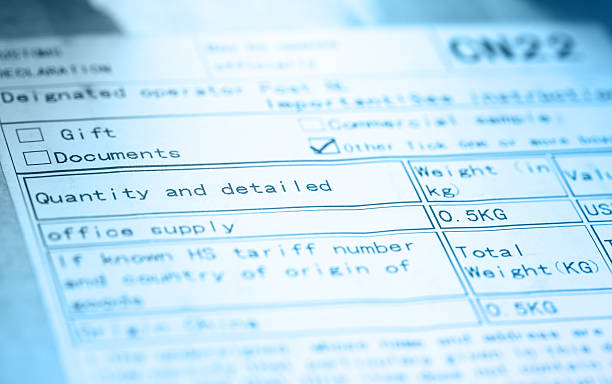
Commercial invoices must detail every product, quantity, and price. A typo in the chemical name, unit of measure, or tariff code can cause the LC to be deemed non‑compliant. Importers should double‑check HS codes and ensure the invoice matches the contract terms.
Misaligned Bills of Lading
The bill of lading (B/L) is the shipping proof referenced by the LC. Errors such as wrong vessel name, port of discharge, or consignee address lead to documentary discrepancies and can halt payment. Always cross‑verify B/L details with the shipping schedule.
Incomplete Certificate of Origin
Trade agreements often require a certificate of origin (COO) to qualify for preferential tariffs. Missing signatures, stamps, or incorrect country codes invalidate the document. Exporters should procure COO from a reputable chamber or consulate well before shipment.
Missing or Incorrect Certificate of Analysis
Chemical goods must satisfy safety and quality standards. A certificate of analysis (COA) that omits key test results, dates, or laboratory accreditation triggers rejection by banks or customs. Ensure the COA includes the batch number, test methods, and certified lab seal.
Failure to Comply with UCP 600
UCP 600 sets universal rules for documentary credits. Ignoring its provisions—such as the requirement for documents to be “in substance” identical to the LC—can result in automatic refusal. Familiarize your team with UCP 600 clauses relevant to chemical trade.
Practical Strategies to Avoid Discrepancies
Rigorous Pre‑Shipping Checks
Document Verification Checklist: Create a master list that matches every LC requirement to actual documents.
Third‑Party Review: Engage a trade compliance consultant to audit documents before submission.
Digital Storage: Use a secure cloud platform to store scanned copies for quick reference and audit trails.
Standardized Document Templates
Custom templates reduce the risk of formatting errors and missing fields. Include auto‑filled fields for common data such as exporter name, invoice number, and product description. Test each template against the latest UCP 600 guidelines.
Early Collaboration with Banks

Maintain open communication with your issuing and confirming banks. Share draft documents early to confirm they meet the LC’s wording. Ask banks to provide a proof of compliance before the final submission.
Continuous Training for Exporters
Host quarterly workshops covering:
Latest regulatory changes in chemical trade.
Common LC pitfalls and how to avoid them.
Practical exercises in drafting invoices, COAs, and COOs.
Leveraging Trade Finance Platforms
Modern platforms integrate LC issuance, document management, and compliance checks. Features such as automated barcode scanning, real‑time status updates, and built‑in UCP procedurals reduce human error and speed up processing.
In chemical imports, the margin for cobrane is slim—one misstep in the LC documentation can cost time, money, and reputation. By understanding the most frequent errors and adopting systematic checks, standardized templates, and proactive bank engagement, importers can achieve smoother payment flows and stronger trade relationships. Remember: meticulous documentation today saves costly disputes tomorrow.

Acrylonitrile Butadiene Styrene (ABS)
Found this useful?