Lithium Processing Chemicals: Applications and Global Supply Chain Developments
Lithium Processing Chemicals: Applications and Global Supply Chain Developments
Lithium has become one of the most important raw materials in the global energy transition. Its use in electric vehicle batteries, grid-scale energy storage, consumer electronics, and other technologies has increased the importance of reliable lithium extraction and chemical processing.
However, lithium does not enter battery manufacturing directly from mines or brine deposits. It must undergo several processing and purification stages to produce chemical compounds such as lithium carbonate and lithium hydroxide. These processes rely on a range of industrial chemicals, including acids, alkalis, reagents, solvents, and purification agents.
As battery demand grows, lithium processing chemicals are becoming increasingly important to the wider battery materials supply chain. Their availability, quality, and cost can influence refining capacity, production economics, and the ability of manufacturers to deliver battery-grade materials.
What Are Lithium Processing Chemicals?
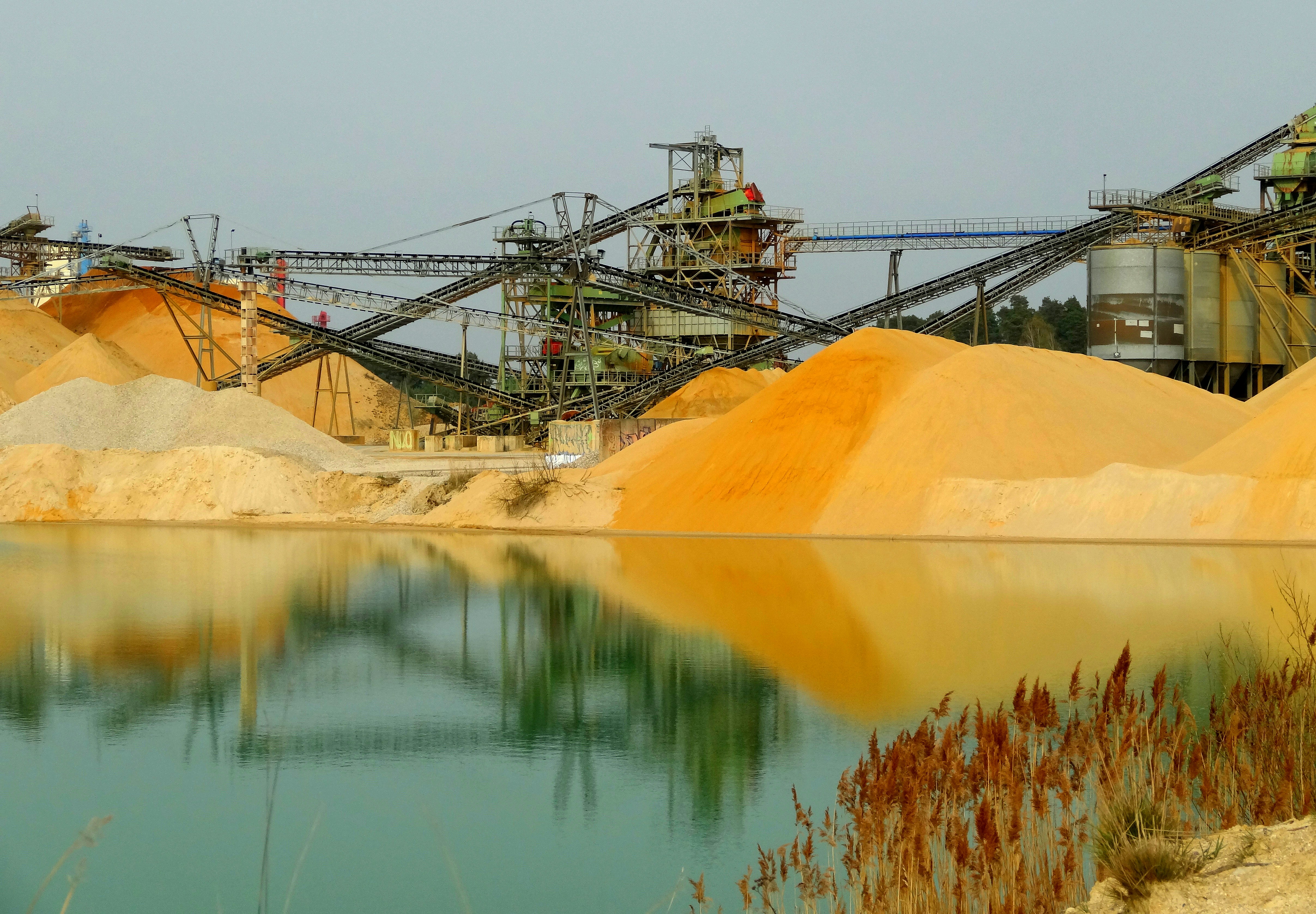
Lithium processing chemicals are substances used to extract, separate, purify, and convert lithium-bearing raw materials into commercially usable lithium compounds.
The specific chemicals depend on the source of lithium and the processing technology.
Two major sources supply the lithium industry:
Hard-rock deposits: Lithium is extracted from minerals such as spodumene, which requires mineral processing, thermal treatment, and chemical conversion.
Brine deposits: Lithium is recovered from naturally occurring underground brines through evaporation, chemical treatment, direct lithium extraction, or other separation technologies.
Both routes require carefully controlled chemical processes to remove unwanted elements and achieve the required lithium concentration and purity.
Key Chemicals Used in Lithium Processing
1. Sulfuric Acid
Sulfuric acid is an important reagent in conventional hard-rock lithium processing.
After spodumene concentrate undergoes thermal treatment, sulfuric acid can be used in an acid-roasting process to convert lithium into a water-soluble form. The resulting material is then leached to recover lithium into solution.
Sulfuric acid supply is therefore an important cost and operational consideration for lithium conversion facilities.
2. Sodium Hydroxide
Sodium hydroxide is used in selected lithium extraction and purification processes.
It can support pH adjustment, impurity removal, and chemical conversion operations. In some processing routes, alkaline treatment helps separate unwanted elements from lithium-containing solutions.
Its concentration and quality must be controlled to maintain process efficiency and avoid introducing additional impurities.
3. Sodium Carbonate
Sodium carbonate is one of the key chemicals used to produce lithium carbonate.
In a common precipitation process, purified lithium-containing solution is reacted with sodium carbonate to form lithium carbonate, which can then be separated, washed, and dried.
The resulting product may undergo additional purification and processing to meet technical-grade or battery-grade specifications.
4. Hydrochloric Acid
Hydrochloric acid is used in certain lithium processing applications for leaching, pH adjustment, and impurity removal.
Its role varies according to the feedstock and extraction technology. In some direct lithium extraction systems, acid-based treatment is part of the process used to recover lithium from sorbent materials or other extraction media.
5. Lime and Calcium-Based Reagents
Lime and other calcium-based chemicals are used in lithium processing for pH control and impurity removal.
They can help precipitate unwanted elements, including magnesium and other dissolved impurities, depending on the chemistry of the feed solution.
Their use must be optimized because excessive reagent consumption can increase operating costs and generate additional waste streams.
6. Magnesium and Calcium Removal Chemicals
Brine-based lithium extraction often requires the removal of magnesium, calcium, and other dissolved elements.
These impurities can interfere with lithium recovery and affect the quality of the final product.
Depending on the brine composition, processing facilities may use sodium carbonate, lime, caustic soda, or other specialized reagents to reduce impurity concentrations.
7. Solvents and Extraction Reagents
Solvents and specialized extraction reagents are used in some separation technologies to selectively recover lithium from complex solutions.
These materials may support solvent extraction, ion exchange, or other advanced purification methods.
Their effectiveness depends on selectivity, chemical stability, recovery efficiency, and compatibility with the overall process.
8. Water Treatment Chemicals
Water is used throughout lithium extraction and refining for leaching, washing, cooling, and solution preparation.
Water treatment chemicals may be required to manage dissolved salts, suspended solids, and other contaminants in process water and wastewater.
Depending on the facility, treatment systems may involve filtration, precipitation, membrane technologies, and other purification methods.
Applications of Lithium Processing Chemicals
1. Hard-Rock Lithium Conversion
Spodumene is one of the major mineral sources of lithium. Its conversion into lithium chemicals involves several processing stages.
The concentrate is typically heated to transform its mineral structure into a form suitable for chemical treatment. It is then processed using sulfuric acid or another suitable conversion route.
Lithium is transferred into solution through leaching, followed by purification and precipitation to produce lithium carbonate or lithium hydroxide.
Chemicals used in this process help improve lithium recovery, control impurities, and achieve the required product specifications.
2. Brine-Based Lithium Extraction
Lithium-rich brines contain lithium alongside other dissolved elements, including sodium, potassium, magnesium, calcium, and boron.
Chemical reagents are used to remove unwanted components and concentrate lithium before final conversion.
Traditional evaporation-based processes may involve several stages of concentration and impurity removal. Newer technologies, including direct lithium extraction (DLE), use selective sorbents, ion exchange, membranes, or solvent-based systems to recover lithium from brines.
These approaches can have different chemical consumption, water requirements, and recovery characteristics.
3. Production of Lithium Carbonate
Lithium carbonate is a major commercial lithium compound used in battery materials, ceramics, glass, and other industrial applications.
Its production generally involves the purification of lithium-containing solutions followed by chemical precipitation.
Sodium carbonate is commonly used as a precipitating agent. The resulting lithium carbonate is filtered, washed, dried, and potentially recrystallized to achieve the required purity.
4. Production of Lithium Hydroxide
Lithium hydroxide is another important product used in lithium-ion battery manufacturing, particularly for nickel-rich cathode chemistries.
It can be produced through the conversion of lithium carbonate using suitable chemical processing methods or through alternative refining routes.
The process requires controlled reaction conditions and purification to meet the required chemical specifications.
5. Lithium Recovery and Recycling
Lithium processing chemicals also support the recovery of lithium from battery manufacturing scrap and end-of-life lithium-ion batteries.
Recycling processes may involve mechanical separation, hydrometallurgical treatment, leaching, precipitation, solvent extraction, and purification.
Acids, alkalis, reducing agents, and precipitation chemicals can be used to recover lithium and other valuable battery metals.
Recovered lithium compounds must undergo suitable purification and quality testing before they can be considered for reuse in battery manufacturing.
Quality Requirements for Lithium Processing Chemicals
The quality of processing chemicals can directly influence lithium recovery, operating efficiency, and final product purity.
1. Chemical Purity and Composition
Processing reagents should meet specifications for chemical identity, concentration, and relevant impurity limits.
Uncontrolled impurities may enter the lithium processing circuit and complicate purification. The required chemical grade depends on the process stage and the sensitivity of the final product specifications.
2. Consistent Concentration and Reactivity
Variations in acid strength, alkali concentration, or reagent composition can affect reaction efficiency and chemical consumption.
Suppliers should provide consistent material quality supported by appropriate batch testing and documentation.
3. Trace Impurity Control
Impurities such as sodium, calcium, magnesium, iron, and other metals must be managed throughout lithium refining.
Their presence in processing chemicals can increase the burden on downstream purification systems and potentially affect final lithium product quality.
4. Moisture and Physical Properties
Moisture content, particle size, solubility, and physical form can influence chemical handling and process performance.
For example, the physical properties of solid reagents can affect storage, dosing, dissolution, and reaction consistency.
5. Documentation and Traceability
Lithium processing facilities should obtain appropriate documentation from chemical suppliers, including:
Certificate of Analysis (CoA)
Safety Data Sheet (SDS)
Technical Data Sheet (TDS)
Batch and lot identification
Product concentration and purity information
Relevant transportation and handling documentation
These records support incoming quality checks, process control, supplier evaluation, and regulatory compliance.
Global Lithium Supply Chain Developments
The lithium supply chain is changing as countries and manufacturers seek more secure access to battery materials and greater control over chemical processing capacity.
1. Rising Demand for Lithium Chemicals
Electric vehicles and battery energy storage systems are major drivers of lithium demand.
According to the U.S. Geological Survey's Mineral Commodity Summaries 2026, global lithium production outside the United States increased by approximately 31% in 2025 compared with 2024. Global lithium consumption was estimated to have increased by around 20% over the same period.
This growth highlights the importance of expanding mining, refining, and chemical conversion capacity to support battery manufacturing.
2. Concentration of Lithium Processing
Lithium mining and lithium chemical processing are not distributed evenly across the world.
Australia, Chile, and China are major lithium-producing countries, while China has a particularly significant role in refining and downstream battery materials.
The OECD's 2026 report on lithium supply chain traceability notes that China accounted for approximately 70% of global lithium processing. This concentration creates potential exposure to trade restrictions, logistical disruptions, and changes in industrial policy.
Diversifying processing capacity has therefore become a priority for governments and battery manufacturers.
3. Expansion of Lithium Refining in Argentina
Argentina is strengthening its position in lithium extraction and downstream chemical production.
In August 2026, IDB Invest announced financing of up to $700 million for POSCO Argentina's Sal de Oro project. The project supports the development of lithium hydroxide and lithium carbonate production facilities in the Salar del Hombre Muerto region.
The development illustrates the growing importance of investment in lithium conversion capacity within South America, rather than focusing exclusively on raw material extraction.
4. Development of Lithium Processing Capacity in the United Kingdom
The United Kingdom is also working to establish a domestic lithium supply chain.
In September 2026, Tees Valley Lithium's proposed refinery in Billingham received government-backed support as part of efforts to develop battery-grade lithium hydroxide production capacity.
The first phase is designed to target approximately 25,000 metric tonnes of battery-grade lithium hydroxide annually. The proposed project is intended to connect domestic lithium extraction opportunities with downstream refining and battery material production.
This development reflects the wider effort to build regional processing capacity and reduce dependence on imported refined lithium chemicals.
5. Investment in Direct Lithium Extraction Technology
Direct lithium extraction is attracting interest as an alternative to conventional evaporation-based brine processing.
DLE technologies use specialized materials and separation systems to selectively recover lithium from brines. These may include ion exchange, adsorption, membranes, and solvent-based approaches.
In January 2026, Lilac Solutions announced the completion of a commercial-scale ion exchange media manufacturing line in Nevada. The company stated that the initial facility capacity would be 200 tonnes of ion exchange media annually, designed to support up to 100,000 tonnes per year of lithium carbonate equivalent production globally.
DLE technologies may offer opportunities to improve lithium recovery and reduce the need for large evaporation ponds in certain locations. However, performance, chemical consumption, water requirements, and commercial economics vary significantly between projects.
6. Greater Attention to Supply Chain Traceability
Lithium supply chains are becoming more complex as materials move between mines, refineries, cathode manufacturers, and battery factories.
The OECD's September 2026 report, Enhancing Resilience Through Traceability, highlights the importance of tracking lithium products and improving transparency across the supply chain.
Traceability can help companies understand material origins, identify supply chain risks, evaluate responsible sourcing practices, and meet evolving regulatory and customer expectations.
Procurement Considerations for Lithium Processing Chemicals
Lithium refiners depend on a consistent supply of industrial chemicals to maintain production efficiency and product quality.
Procurement teams should evaluate several factors when selecting suppliers.
1. Supplier Qualification
Chemical suppliers should be assessed according to manufacturing capabilities, product consistency, quality systems, production capacity, and delivery performance.
For critical processing reagents, buyers should also review the supplier's ability to maintain supply during periods of high demand or transportation disruption.
2. Product Specifications and Testing
Purchase specifications should clearly define concentration, purity, impurity limits, physical properties, and packaging requirements.
Incoming quality checks should confirm that delivered chemicals meet the refinery's technical and operational requirements.
3. Transportation and Storage
Lithium processing chemicals may include corrosive acids, alkaline materials, solvents, and other hazardous substances.
Suitable containers, chemical compatibility, labelling, storage arrangements, and transportation procedures are necessary to maintain material quality and workplace safety.
4. Cost and Supply Reliability
Chemical procurement costs are influenced by raw material prices, energy costs, transportation, production capacity, and regional availability.
A reliable sourcing strategy should consider total delivered cost, supplier lead times, inventory requirements, and the financial impact of potential production interruptions.
5. Alternative Suppliers and Regional Sourcing
Depending on technical specifications, lithium processors may benefit from qualifying suppliers in different regions.
Diversification can reduce exposure to individual suppliers and transport routes. However, alternative reagents must be evaluated for process compatibility and product quality before being introduced into an operating facility.
Sustainability and Environmental Considerations
Lithium processing can involve significant consumption of water, energy, and industrial chemicals. The environmental performance of a refinery depends on its feedstock, processing technology, site conditions, and waste-management systems.
Chemical management is therefore an important part of improving the sustainability of lithium production.
Key areas of focus include:
Optimizing acid and alkali consumption
Recovering and recycling process water
Improving reagent dosing and process efficiency
Treating wastewater and managing dissolved salts
Reducing chemical losses and process waste
Evaluating lower-impact extraction and purification technologies
Recovering lithium and other valuable materials from used batteries
Reagent recovery and recycling can reduce operating costs and environmental impacts where technically and economically feasible.
Sources:
https://www.iea.org/reports/global-critical-minerals-outlook-2026/executive-summary?
Bleaching Earth
Found this useful?