Low-Carbon Ammonia: Sustainable Solutions for Fertilizer Manufacturing
Low-Carbon Ammonia: Sustainable Solutions for Fertilizer Manufacturing
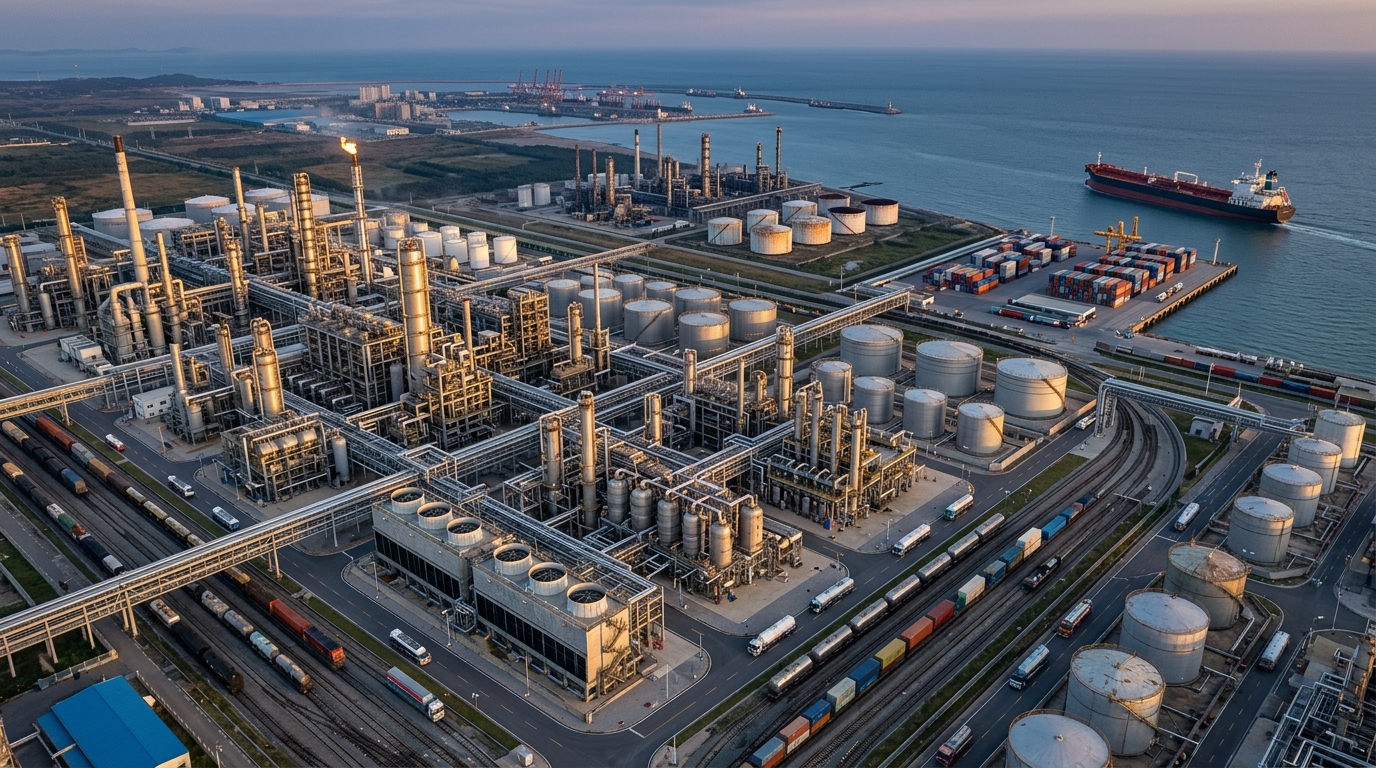
Ammonia production is a major source of industrial emissions, making it an important target for decarbonisation across the fertilizer sector. Around 70% of global ammonia production goes into fertilizers, connecting the chemical industry directly with agricultural productivity and food supply.
Low-carbon ammonia offers manufacturers a way to reduce the emissions associated with nitrogen fertilizer production while continuing to supply an essential agricultural input. Producers can achieve this through renewable hydrogen, carbon capture and storage (CCS), improved energy efficiency and changes to existing manufacturing operations. The commercial challenge is to make these solutions reliable and affordable without placing excessive costs on fertilizer producers and farmers.
Understanding Low-Carbon Ammonia Production
Ammonia is produced by combining nitrogen and hydrogen through the Haber-Bosch process. Nitrogen generally comes from air, while conventional hydrogen production relies heavily on fossil fuels, particularly natural gas and coal.
The hydrogen production stage accounts for a significant share of ammonia's production-related emissions. Conventional natural gas-based production releases carbon dioxide during hydrogen generation, while coal-based routes can have an even higher emissions intensity.
Low-carbon ammonia reduces these emissions by changing how manufacturers obtain hydrogen or manage the carbon dioxide generated during production. The main production pathways include:
Green ammonia: Manufacturers use hydrogen produced through water electrolysis powered by renewable electricity, such as wind or solar.
Blue ammonia: Producers use natural gas to generate hydrogen and apply carbon capture and storage to manage a substantial share of the resulting carbon dioxide.
Other low-carbon pathways: Biomass-based hydrogen and emerging production technologies may also contribute, depending on resource availability and commercial maturity.
These routes do not have identical environmental performance. Actual emissions depend on electricity sources, natural gas or coal inputs, methane leakage, carbon capture rates and the treatment of emissions across the supply chain.
Why Fertilizer Manufacturing Needs Lower-Carbon Ammonia
Nitrogen fertilizers support crop growth and agricultural productivity, but their production requires energy-intensive industrial processes. As food demand and agricultural input requirements evolve, fertilizer manufacturers face growing pressure to reduce the environmental impact of their operations.
The International Energy Agency identifies ammonia as a significant source of industrial energy consumption and carbon dioxide emissions. Its technology roadmap highlights the importance of near-zero-emission production technologies alongside improvements in energy efficiency and fertilizer use.
Low-carbon ammonia can help address several priorities for fertilizer manufacturers:
Lower production emissions: Cleaner hydrogen production and carbon capture can reduce emissions from ammonia manufacturing.
More sustainable fertilizer supply: Producers can develop lower-emission inputs for urea, ammonium nitrate and other nitrogen-based fertilizers.
Supply chain differentiation: Manufacturers may offer products with documented lower production-related emissions to customers with sustainability requirements.
Long-term industrial resilience: Diversifying hydrogen and energy sources can reduce dependence on a single fossil fuel supply route.
However, reducing emissions at the factory does not automatically make the entire fertilizer value chain low-carbon. Fertilizer application also creates greenhouse gas emissions, particularly nitrous oxide released from agricultural soils. Manufacturers and agricultural stakeholders therefore need to consider both production improvements and more efficient fertilizer use.
Technologies Supporting Low-Carbon Ammonia
Several technologies can help fertilizer manufacturers transition towards lower-emission ammonia production. The most suitable option depends on existing plant configuration, regional energy resources, infrastructure and investment capacity.
Renewable hydrogen electrolysis
Electrolysers split water into hydrogen and oxygen using electricity. When renewable electricity powers the process, manufacturers can use the resulting hydrogen as a feedstock for ammonia synthesis.
This route can significantly reduce dependence on fossil-based hydrogen. However, electricity prices, electrolyser investment, water availability and the reliability of renewable power remain important commercial considerations.
Carbon capture and storage
CCS can reduce emissions from conventional ammonia plants by capturing carbon dioxide generated during hydrogen production and transporting it for permanent geological storage. Existing ammonia production processes can offer opportunities for carbon capture because some process streams contain concentrated carbon dioxide.
The actual emissions reduction depends on capture performance, energy requirements, transport infrastructure and the long-term reliability of storage.
Energy efficiency and process optimisation
Manufacturers can also reduce emissions by improving heat recovery, upgrading equipment, optimising steam systems and reducing energy losses. These measures can improve the performance of existing facilities while companies evaluate larger investments in alternative hydrogen production.
Applications Across Nitrogen Fertilizer Manufacturing
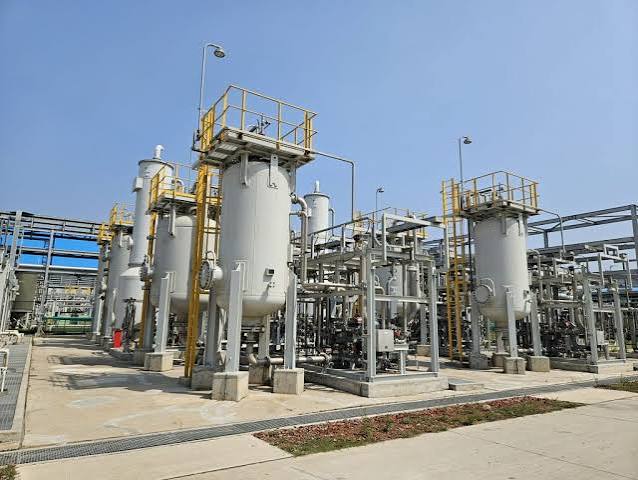
Low-carbon ammonia can enter established fertilizer value chains because it serves as the primary nitrogen-containing feedstock for several important products. Manufacturers can use it in existing downstream processes, subject to the necessary quality, handling and plant integration requirements.
Urea production
Urea is one of the most widely traded nitrogen fertilizers. Manufacturers produce it by reacting ammonia with carbon dioxide under controlled industrial conditions.
Using low-carbon ammonia can reduce the emissions associated with the hydrogen and ammonia production stages. The carbon dioxide used in urea synthesis also needs careful accounting, since much of it can return to the atmosphere when urea-based fertilizers are applied to soil.
Ammonium nitrate production
Ammonium nitrate manufacturers use ammonia to produce nitric acid, which then reacts with ammonia to form the fertilizer. Low-carbon ammonia can reduce the production-related footprint of this value chain, although nitric acid production also requires attention because it can generate nitrous oxide emissions.
Other nitrogen fertilizers
Ammonia also supports the manufacture of ammonium sulfate, ammonium phosphate products and other nitrogen-containing fertilizer formulations. Lower-emission ammonia can therefore contribute to decarbonisation across several fertilizer categories.
The potential benefit depends on the full manufacturing process, not just the origin of the ammonia feedstock. Producers should assess emissions from downstream conversion, electricity consumption, transportation and final product handling.
Economic and Infrastructure Challenges
Low-carbon ammonia production faces significant economic barriers. Renewable electricity, electrolyser equipment, carbon capture systems and storage infrastructure can increase investment requirements compared with conventional ammonia production.
The IEA's 2025 Breakthrough Agenda Report estimates that ammonia produced using CCS costs around 30% more on average than conventional routes, while electrolysis-based production costs approximately three times as much, excluding policy support and other factors that could change the comparison. These cost differences can vary by location, energy prices and project design.
IEA
Infrastructure also influences project viability. Green ammonia projects need access to renewable electricity, water treatment, hydrogen storage and reliable connections between electrolysers and synthesis facilities. Blue ammonia projects require carbon dioxide transportation networks and suitable permanent storage sites.
Other challenges include:
Capital investment: New production systems and plant upgrades require substantial financing.
Energy availability: Renewable hydrogen production depends on affordable, dependable low-carbon electricity.
Water management: Electrolysis requires treated water, making local water availability an important planning factor.
Technology integration: Existing ammonia plants may need modifications to accommodate new hydrogen supply systems.
Market demand: Buyers need clear commercial reasons to accept potential price premiums for lower-emission fertilizer products.
Industrial clusters can help address some of these barriers. Locating hydrogen production, ammonia manufacturing, carbon capture infrastructure and fertilizer facilities within connected industrial regions may reduce transportation requirements and support shared investment.
Regulations, Certification and Buyer Requirements
As low-carbon ammonia enters international fertilizer markets, buyers and producers need consistent methods to measure and communicate its environmental performance. A product described as low-carbon should have supporting information that explains its production pathway and associated emissions.
The International Energy Agency's 2025 Breakthrough Agenda Report highlights the need for common definitions, harmonised lifecycle emissions accounting and internationally recognised certification for low- and near-zero-emission fertilizers.
IEA
For procurement teams, important assessment points include:
Production pathway: Confirm whether the ammonia comes from renewable electrolysis, fossil-based production with CCS or another route.
Lifecycle emissions: Request emissions information that covers relevant upstream and manufacturing activities.
Carbon capture performance: For blue ammonia, review capture rates and the arrangements for carbon dioxide transport and storage.
Renewable electricity evidence: For green ammonia, examine how the producer sources and documents electricity.
Product specifications: Check ammonia concentration, purity, safety documentation and delivery requirements.
Certification and traceability: Review whether the supplier can provide recognised verification and consistent batch or shipment documentation.
Certification can help buyers compare suppliers, but different standards may use different system boundaries and emissions thresholds. Procurement teams should examine the methodology behind a carbon-intensity claim rather than relying only on a product label.
Market Outlook and Opportunities for Fertilizer Producers
Low-carbon ammonia projects are progressing, but the transition remains at an early stage compared with conventional production. According to the IEA's 2025 Breakthrough Agenda Report, low-emissions ammonia projects for fertilizer production account for approximately 19 million tonnes of capacity across operational projects and projects that have reached final investment decision or completed feasibility studies. This represents less than 10% of total production.
IEA
Further growth will depend on investment, supportive policy frameworks and stronger demand from fertilizer buyers. Producers with access to renewable electricity, natural gas with effective carbon management or established industrial infrastructure may have different opportunities depending on their location.
For chemical traders and importers, the changing market creates new sourcing considerations. Buyers may increasingly evaluate ammonia suppliers based on production route, emissions documentation, delivery reliability and total landed cost.
Fertilizer manufacturers can prepare by reviewing existing ammonia procurement arrangements, identifying lower-emission supply options and assessing the technical requirements for integrating alternative feedstocks. Partnerships with hydrogen developers, engineering companies and carbon management providers may also support project development.
The transition should balance environmental performance with fertilizer affordability and agricultural supply security. Lower-carbon production will have the greatest impact when manufacturers can scale it without compromising the availability of essential nitrogen fertilizers.
Making Low-Carbon Ammonia Part of Sustainable Fertilizer Supply
Low-carbon ammonia offers fertilizer manufacturers several pathways to reduce production emissions while maintaining the supply of essential nitrogen-based products. Renewable hydrogen, carbon capture and storage, energy efficiency and improved process integration can all contribute to this transition.
The most suitable solution will differ between regions and facilities. Manufacturers need to compare energy availability, production costs, infrastructure requirements and lifecycle emissions before selecting a pathway.
Ammonia Anhydrous
Found this useful?