Low-Carbon Petrochemicals: Sustainable Production and Emerging Technologies
Low-Carbon Petrochemicals: Sustainable Production and Emerging Technologies
The petrochemical industry is a major contributor to global industrial emissions due to its dependence on fossil fuel feedstocks, energy-intensive manufacturing processes, and growing demand for plastics and chemical materials. As governments, manufacturers, and consumers place greater emphasis on sustainability, the industry is increasingly exploring low-carbon production methods and emerging technologies to reduce its environmental footprint.
Low-carbon petrochemicals involve the production of chemical intermediates and downstream materials with lower greenhouse gas emissions compared with conventional manufacturing routes. These approaches include energy efficiency improvements, renewable electricity, carbon capture and storage (CCS), alternative feedstocks, electrification, and advanced recycling technologies.
The transition towards sustainable petrochemical production is creating new opportunities for chemical manufacturers, technology providers, feedstock suppliers, and industrial buyers. However, achieving meaningful emissions reductions requires substantial investment, technological development, and changes across the chemical value chain.
Understanding Low-Carbon Petrochemical Production
Conventional petrochemical manufacturing relies heavily on crude oil and natural gas. These feedstocks are processed into essential chemical building blocks such as ethylene, propylene, benzene, toluene, and xylene.
The production of these chemicals involves high-temperature processing, energy consumption, and chemical conversion processes that generate greenhouse gas emissions.
Low-carbon petrochemical production aims to reduce these emissions through improvements in feedstock selection, energy sources, process efficiency, and carbon management.
Several approaches are being developed:
Energy Efficiency: Improving heat recovery, optimizing process conditions, and upgrading equipment to reduce energy consumption.
Renewable Electricity: Replacing fossil-based electricity with renewable power in suitable manufacturing operations.
Carbon Capture and Storage: Capturing carbon dioxide from industrial processes and storing it in suitable geological formations.
Alternative Feedstocks: Using bio-based materials, recycled plastics, and other alternative carbon sources where technically and economically feasible.
Electrification: Replacing selected fossil-fuel-based heating processes with electrically powered technologies.
Advanced Recycling: Converting plastic waste into reusable chemical feedstocks through processes such as pyrolysis and other chemical recycling methods.
These approaches can help reduce the carbon intensity of petrochemical production, although their effectiveness depends on the technology, energy source, feedstock, and overall production system.
Emerging Technologies Transforming
1. Electrified Steam Cracking
Steam cracking is one of the most energy-intensive processes in petrochemical manufacturing. It converts hydrocarbons such as ethane and naphtha into olefins, including ethylene and propylene.
Conventional steam crackers use fossil fuel combustion to generate the high temperatures required for cracking. Electrified steam cracking replaces conventional furnace heating with electrically powered systems.
When powered by low-carbon electricity, this technology can significantly reduce direct emissions from cracking operations.
However, electrification requires substantial engineering modifications, reliable electricity infrastructure, and access to competitively priced renewable power. High-temperature electric heating also remains a major technical challenge for large-scale deployment.
2. Carbon Capture and Storage (CCS)
Carbon capture and storage involves capturing carbon dioxide from industrial processes and transporting it to suitable geological formations for permanent storage.
Petrochemical facilities can generate emissions from fuel combustion, process reactions, and hydrogen production. CCS can help reduce emissions from suitable sources, particularly where alternative production technologies are difficult to implement.
Carbon capture may be integrated into existing facilities, making it a potential option for reducing emissions without completely replacing established production infrastructure.
However, CCS requires additional investment, energy, transportation infrastructure, and suitable storage locations. Its overall climate benefit also depends on capture rates, energy sources, and the long-term reliability of storage.
3. Bio-Based Petrochemical Feedstocks
Bio-based feedstocks offer an alternative to conventional fossil-derived hydrocarbons. Agricultural residues, forestry waste, biomass, and other renewable carbon sources can be processed into chemical building blocks.
For example, bioethanol can be converted into bio-ethylene through dehydration. Bio-based ethylene can then be used to produce polymers and other chemical intermediates.
Potential benefits include reduced dependence on fossil feedstocks and lower lifecycle greenhouse gas emissions when biomass is sourced and processed sustainably.
However, bio-based production can face challenges related to feedstock availability, land use, production costs, and competition with food and other biomass applications.
4. Chemical Recycling and Circular Feedstocks
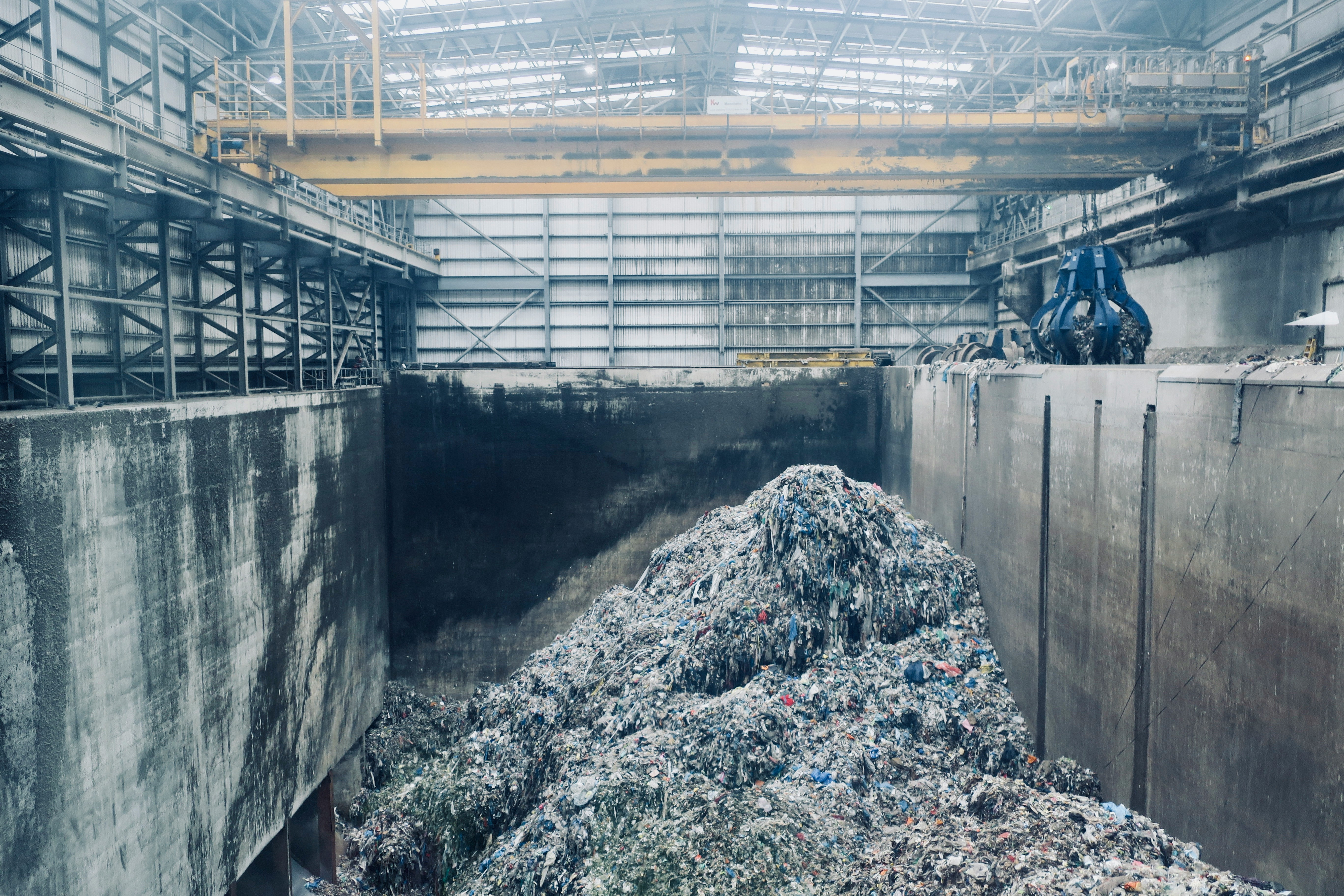
Chemical recycling technologies convert plastic waste into chemical feedstocks or other useful materials. Processes such as pyrolysis and depolymerization can support the recovery of materials that may be difficult to recycle mechanically.
Recovered feedstocks can potentially be integrated into petrochemical production systems, reducing demand for virgin fossil-based raw materials.
Chemical recycling is particularly relevant for mixed or contaminated plastic waste, depending on the technology and material composition.
However, the environmental benefits depend on process energy consumption, waste sorting, emissions control, and the amount of recovered material that is actually converted into useful products.
5. Renewable Hydrogen and Low-Carbon Methanol
Renewable hydrogen is produced through water electrolysis using renewable electricity. It can serve as a feedstock for ammonia, methanol, and other chemical production processes.
Low-carbon methanol can be produced using renewable hydrogen combined with a suitable carbon source, including captured carbon dioxide or sustainable biogenic carbon.
These technologies offer opportunities to reduce emissions in chemical production, particularly where hydrogen is a major feedstock.
Their commercial competitiveness depends heavily on renewable electricity prices, electrolyzer efficiency, carbon sourcing, and infrastructure availability.
Key Challenges in the Transition to Low-Carbon Petrochemicals
Although sustainable production technologies offer significant opportunities, the transition to low-carbon petrochemicals faces several economic and technical barriers.
High Capital Investment: Electrified crackers, carbon capture systems, renewable hydrogen facilities, and alternative feedstock infrastructure require substantial investment. Manufacturers must evaluate long-term operating savings against initial project costs.
Feedstock Availability: Sustainable biomass, recycled plastics, and other alternative carbon sources may not be available in sufficient quantities to replace conventional fossil-based feedstocks across the entire industry.
Renewable Energy Costs: Low-carbon production often depends on affordable renewable electricity. In regions where electricity remains carbon-intensive or expensive, electrification may not provide the expected environmental or economic benefits.
Technology Readiness: Some low-carbon technologies are commercially available, while others remain in pilot or demonstration stages. Scaling up new processes requires further engineering development, investment, and operational experience.
Product Quality and Compatibility: Alternative feedstocks and manufacturing processes must meet the specifications required for polymers, solvents, coatings, and other chemical products. Manufacturers may need to modify existing production systems and quality control procedures.
Carbon Accounting and Certification: Buyers increasingly require reliable information about product carbon footprints. Manufacturers must establish transparent emissions measurement, reporting, and verification systems to demonstrate the environmental performance of low-carbon products.
According to the International Renewable Energy Agency (IRENA), a combination of energy efficiency, renewable feedstocks, electrification, recycling, and carbon capture is necessary to decarbonize the chemical and petrochemical sector. <Cite refs={["turn815365search2"]}/>
Market Opportunities for Chemical Manufacturers and Suppliers
The transition towards low-carbon petrochemicals is creating new opportunities across the chemical supply chain.
Renewable Feedstock Suppliers: Companies supplying bioethanol, sustainable biomass, recycled feedstocks, and other alternative carbon sources can benefit from growing demand.
Technology Providers: Manufacturers of electrified heating systems, carbon capture equipment, electrolyzers, and advanced recycling technologies can support industrial decarbonization projects.
Specialty Chemical Producers: Companies developing sustainable solvents, additives, advanced polymers, and low-carbon intermediates can serve customers seeking lower-emission materials.
Chemical Distributors: Distributors can expand their portfolios by sourcing certified low-carbon chemical products and providing technical information to buyers.
Industrial Procurement Teams: Buyers can explore alternative suppliers and evaluate products based on price, availability, technical specifications, and verified environmental performance.
B2B chemical marketplaces can also support the transition by improving supplier visibility, facilitating access to sustainable chemical products, and helping buyers compare technical specifications and product documentation.
Market Outlook
Low-carbon petrochemicals are expected to become increasingly important as the chemical industry responds to climate targets, environmental regulations, and changing customer expectations.
Energy efficiency and process optimization are likely to remain important near-term measures because they can reduce emissions while improving operational performance. Electrification, carbon capture, renewable feedstocks, and advanced recycling are expected to play increasingly important roles as technologies mature and supporting infrastructure develops.
However, the transition will not follow a single pathway. Different chemicals, manufacturing facilities, and regions will require different combinations of technologies based on feedstock availability, energy costs, production processes, and environmental conditions.
For chemical manufacturers, investing in low-carbon production can create opportunities to improve resource efficiency, strengthen customer relationships, and develop differentiated product portfolios. Suppliers that combine reliable product quality with transparent carbon accounting and sustainable sourcing practices will be better positioned to serve the evolving chemical market.
As the industry continues moving towards more sustainable manufacturing, low-carbon petrochemicals will remain an important area of investment, innovation, and supply chain development.
IRENA – Chemicals and Petrochemicals: Decarbonisation Pathways
OECD – Decarbonising the Petrochemical Sector and Plastics Value Chain
World Resources Institute – How to Replace Petrochemicals with Non-Fossil-Fuel Alternatives
Nature Sustainability – Emissions and System-Level Decarbonization Pathways for Global Petrochemical Production
ACS Sustainable Chemistry & Engineering – Pathways to Net-Zero Emissions in High-Value Chemical Production

Activated Carbon (Powder) - India
Found this useful?