Mining Chemicals: Types, Uses and Selection Considerations
Mining Chemicals: Types, Uses and Selection Considerations
Mining chemicals are essential materials used in mineral extraction, ore processing and mine water management. They help separate valuable minerals from unwanted materials, improve recovery rates and support the treatment of process water and mineral concentrates. From flotation collectors and frothers to leaching agents and flocculants, these products serve different functions throughout the mining value chain.
Mining operations process a wide range of materials, including copper, gold, zinc, nickel, iron ore and other industrial minerals. Each ore has a different mineral composition and processing behaviour. Chemical selection therefore depends on the mineral being recovered, the processing method, water quality and the required concentrate specifications.
Understanding mining chemical categories and their applications helps procurement teams, process engineers and mining operators make informed sourcing decisions.
What Are Mining Chemicals?
Mining chemicals are specialised substances used to improve the efficiency of mineral processing and extraction operations. They interact with mineral surfaces, process water and other materials to support separation, recovery and waste management.
Their applications begin during ore preparation and continue through concentration, extraction, dewatering and wastewater treatment.
Main Categories of Mining Chemicals
Common mining chemical categories include:
Flotation reagents: Help separate valuable minerals from gangue through froth flotation.
Leaching chemicals: Support the dissolution of selected metals from ores.
pH regulators: Control acidity and alkalinity in processing systems.
Flocculants and coagulants: Support the separation of suspended solids from water.
Collectors and frothers: Improve mineral attachment to air bubbles and stabilise flotation froth.
Depressants and activators: Influence mineral selectivity during flotation.
Dust suppressants: Help control airborne dust around mining and material-handling operations.
Water treatment chemicals: Support process-water management and wastewater treatment.
The choice of chemical depends on the mineral processing route and the operating conditions at the mine.
Flotation Chemicals and Their Applications
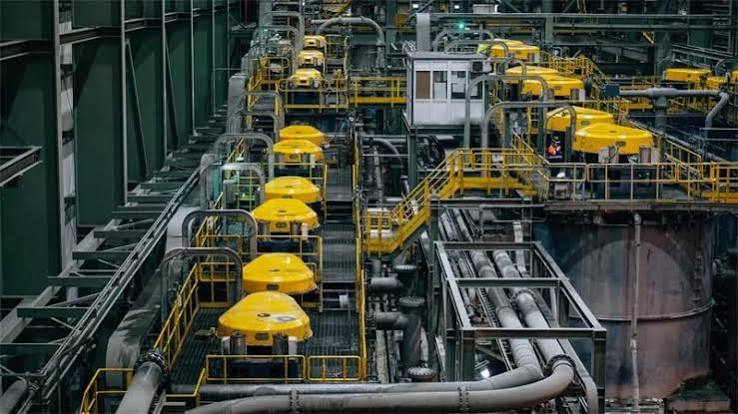
Froth flotation is a widely used mineral separation process, particularly for sulphide ores and selected non-sulphide minerals. It separates valuable mineral particles from unwanted materials by controlling their interaction with air bubbles and water.
Collectors
Collectors are chemical reagents that modify mineral surfaces to make selected particles more hydrophobic. This allows them to attach to air bubbles and rise into the flotation froth for recovery.
Common collector families include xanthates, dithiophosphates, amines and fatty-acid-based reagents. Their suitability depends on the mineral type and flotation conditions.
For example, different collector systems may be used in copper, lead, zinc and other mineral processing circuits. Choosing the correct collector helps improve selectivity and reduce the recovery of unwanted materials.
Frothers
Frothers help produce and stabilise bubbles in flotation cells. They support the formation of a suitable froth layer, allowing mineral-bearing particles to reach the surface and be collected.
Common frother types include alcohol-based and glycol-based products. Pine oil and polyglycol-based formulations are examples used in selected flotation systems.
Frother selection influences bubble size, froth stability and drainage. Excessive or insufficient frothing can affect concentrate quality and mineral recovery.
Activators and Depressants
Activators improve the response of selected mineral surfaces to collectors. Depressants perform the opposite function by reducing the flotation of unwanted minerals.
These reagents help operators separate minerals with similar physical properties. Their effectiveness depends on mineral composition, reagent interactions, water chemistry and process conditions.
pH Regulators
pH regulators control the acidity or alkalinity of the flotation pulp. Lime, sodium hydroxide and other suitable reagents may be used depending on the mineral and process requirements.
Maintaining an appropriate pH helps control mineral surface chemistry and reagent performance. The correct operating range must be established through ore testing and process optimisation.
Leaching Chemicals in Metal Extraction
Leaching is a hydrometallurgical process that uses a suitable chemical solution to dissolve target metals from ore or mineral concentrates. The resulting solution undergoes further processing to recover the valuable metal.
The chemical system depends on the target metal, ore mineralogy and the selected extraction technology.
Acid Leaching
Acid leaching uses acidic solutions to dissolve selected metals from suitable ores. Sulphuric acid is an important industrial reagent in certain copper and other metal extraction operations.
Its application depends on the mineral's chemical characteristics and the presence of materials that may consume acid or interfere with metal recovery.
Operators must consider acid consumption, corrosion, process-water quality and waste management when selecting an acid-leaching system.
Alkaline Leaching
Some metals and ores require alkaline rather than acidic processing conditions. Sodium hydroxide and other alkaline reagents are used in selected hydrometallurgical processes.
Gold extraction provides an example of a specialised leaching application. Certain gold operations use cyanide-based systems under controlled industrial conditions. These processes require strict chemical management, trained personnel, appropriate containment and regulatory compliance.
The choice between acidic and alkaline leaching depends on the target metal, ore characteristics, recovery objectives and environmental requirements.
Flocculants, Coagulants and Water Treatment Chemicals
Mining operations use substantial quantities of water for ore processing, mineral separation, equipment cleaning and dust control. Water treatment chemicals help manage suspended solids, process residues and wastewater.
Flocculants and coagulants are particularly important in thickening and clarification operations.
Flocculants and Coagulants
Coagulants help destabilise fine suspended particles, while flocculants encourage smaller particles to form larger aggregates called flocs. These aggregates can settle or separate more easily from water.
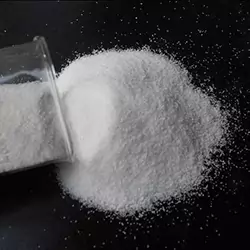
Synthetic polyacrylamide-based flocculants are commonly used in mineral processing and tailings management. Their formulation and molecular characteristics influence performance under different operating conditions.
Applications include:
Thickening mineral concentrates.
Clarifying process water.
Supporting tailings dewatering.
Improving solid-liquid separation.
Treating selected mining wastewater streams.
Water Treatment and pH Control
Mining water treatment may involve neutralising acidic water, reducing dissolved contaminants and controlling suspended solids.
Lime and other alkaline reagents are used in selected treatment systems to adjust pH. Coagulants and flocculants can then support the removal of suspended material.
The appropriate treatment programme depends on water composition, dissolved metals, suspended solids and discharge requirements. Regular monitoring is essential to maintain treatment performance.
Other Mining Chemical Applications
Beyond flotation, leaching and water treatment, mining chemicals support several additional activities across extraction and processing operations.
Dust Suppressants
Mining, crushing, screening and material transportation can generate airborne dust. Dust suppressants help reduce dust emissions from roads, stockpiles, conveyor systems and selected processing areas.
Products may include wetting agents, binding agents and specialised surface treatments. Selection depends on material type, weather conditions, application method and environmental requirements.
Effective dust management can improve workplace conditions and help facilities meet applicable air-quality standards.
Grinding Aids and Dispersants
Grinding operations reduce ore particle size to prepare minerals for separation. Certain chemical additives can influence slurry behaviour, particle dispersion and processing efficiency.
Dispersants help limit unwanted particle aggregation in selected systems. Their use depends on mineral composition, grinding conditions and downstream processing requirements.
Scale and Corrosion Inhibitors
Mining facilities operate pipelines, pumps, heat exchangers and water circulation systems that may experience scaling or corrosion.
Specialised inhibitors can help protect equipment and maintain system performance. The appropriate product depends on water chemistry, equipment materials, operating temperature and process conditions.
Key Considerations When Selecting Mining Chemicals
Selecting mining chemicals requires a detailed understanding of the ore, processing technology and operational objectives. A product that performs well in one mineral processing plant may not deliver the same results at another facility.
Ore Composition and Mineralogy
The mineral composition of the ore is one of the most important selection factors. Valuable minerals, gangue materials and naturally occurring impurities influence how reagents interact with the ore.
Mining operators should evaluate representative ore samples before selecting a chemical programme. Laboratory testing and controlled plant trials can help identify suitable reagents and operating conditions.
Process Conditions and Chemical Compatibility
Temperature, pH, water hardness, slurry density and particle size can all influence chemical performance.
Operators should also assess how different reagents interact with one another. An incompatible combination may reduce flotation selectivity, affect settling performance or create unwanted process conditions.
Supplier recommendations should be reviewed alongside plant-specific test results.
Product Quality and Technical Specifications
Procurement teams should review technical documentation before purchasing mining chemicals. Important specifications may include:
Chemical identity and active ingredient content.
Purity and concentration.
pH, density and viscosity where applicable.
Solubility and dispersion characteristics.
Particle size for solid products.
Storage stability and shelf life.
Packaging and handling requirements.
Batch consistency and certificate of analysis.
A current technical data sheet and safety data sheet help confirm whether the product meets the intended application requirements.
Cost, Supply Reliability and Environmental Compliance
Purchase price alone does not determine the overall value of a mining chemical. Operators should evaluate consumption rates, process performance, transport costs, storage requirements and the effect on downstream operations.
Supply reliability is also important for mines operating continuous processing facilities. Buyers should consider supplier capacity, delivery schedules, technical support and availability of consistent product grades.
Environmental compliance must remain part of the selection process. Reagent residues, wastewater characteristics and tailings management can influence the environmental impact of chemical use. Facilities should follow applicable regulations and assess opportunities to reduce chemical consumption and improve water recycling.
Safe Handling and Storage of Mining Chemicals
Mining chemicals include products with different hazard profiles. Some may be corrosive, toxic, flammable or environmentally hazardous. Handling requirements therefore depend on the specific chemical and its formulation.
Mining facilities should follow supplier safety data sheets, site procedures and applicable workplace regulations. Appropriate controls may include chemical-resistant gloves, protective clothing, eye protection, ventilation, dust extraction and controlled chemical transfer systems.
Store products in suitable labelled containers under the recommended temperature and environmental conditions. Keep incompatible chemicals separated and ensure that spill response procedures and emergency equipment are available.
For specialised reagents, including cyanide-based products, facilities must apply rigorous storage, transport, monitoring and emergency-management controls.
Mining chemicals support mineral recovery, processing efficiency and water management across the mining industry. Selecting suitable reagents requires careful evaluation of ore characteristics, process conditions, technical specifications, supply reliability and environmental responsibilities. A well-designed chemical programme helps mining operations maintain consistent production while supporting safer and more efficient resource recovery.
Polyacrylamide
Found this useful?