Nigeria Fertilizer Capacity Expands as TOYO Adds Third Production Line at Indorama Complex
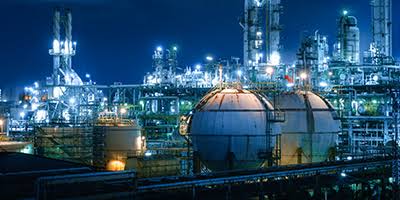
Nigeria is expanding its fertilizer manufacturing capacity through an approach that can deliver additional output without starting a completely new industrial site. Nigeria fertilizer capacity is growing as TOYO adds a third production line to Indorama’s existing Port Harcourt complex, creating a significant development for the country’s agricultural supply chain.
The project highlights the value of expanding established chemical infrastructure. For fertilizer traders, importers, distributors and agricultural buyers, additional domestic production can influence sourcing strategies, import requirements and regional availability.
The decision also reflects a broader shift toward making greater use of existing industrial assets. Instead of developing an entirely new complex, the expansion builds on infrastructure, utilities and operating capabilities already present at the Port Harcourt site.
Why Nigeria Fertilizer Capacity Is Expanding
Nigeria has strong agricultural demand and a large domestic market for crop nutrients. Fertilizer availability directly affects farmers, distributors and food production businesses because nitrogen fertilizers play a central role in supporting crop yields.
Adding production capacity can therefore have effects beyond the factory itself. More locally produced fertilizer can improve supply resilience while reducing some of the logistical pressure associated with bringing large volumes into the country from overseas markets.
The project also demonstrates how established fertilizer complexes can become platforms for further growth. Existing infrastructure can provide a foundation for additional production while avoiding the need to develop every part of a new industrial site from the beginning.
For chemical buyers, this type of investment matters because new capacity can gradually change regional trade flows. Domestic production may alter when buyers import, how much they import and which suppliers they consider for long-term contracts.
TOYO Adds a Third Production Line at Port Harcourt
TOYO is adding a third production line to Indorama’s existing fertilizer complex in Port Harcourt. The expansion uses an established manufacturing location rather than creating an entirely new fertilizer plant.
This approach is commonly attractive when an operating industrial complex already has supporting infrastructure. Utilities, storage facilities, transport connections and experienced personnel can provide a foundation for expanding production.
For Indorama, the additional line strengthens the production capability of an established fertilizer operation. For Nigeria, it represents another step toward increasing domestic fertilizer manufacturing capacity.
The project also creates a useful signal for the broader chemical industry. Brownfield expansion can offer producers a practical route to increase output when existing facilities have suitable infrastructure and room for additional production units.
What the Expansion Means for Fertilizer Buyers
Procurement teams generally evaluate fertilizer availability through several connected factors, including production capacity, delivery reliability, pricing and the ability to secure consistent volumes.
An additional production line can support these priorities by increasing the amount of fertilizer that can potentially move through domestic supply channels.
Buyers should watch several areas as the expanded capacity becomes part of the market:
Domestic availability: Higher local production can give Nigerian buyers another source of fertilizer supply and potentially reduce dependence on imported material.
Import requirements: Changes in domestic availability can affect the volumes traders need to source internationally during different market periods.
Logistics: Production near established industrial and transportation infrastructure can support more efficient movement of material to downstream markets.
Supplier diversification: Additional domestic capacity can give distributors another procurement option alongside international suppliers.
Regional trade: Changes in Nigeria’s fertilizer balance can influence trading opportunities across nearby African markets.
The commercial impact will depend on how additional output enters the market and how agricultural demand develops. Buyers should therefore evaluate the expansion as part of their wider sourcing strategy rather than viewing production capacity alone as a direct indicator of pricing.
Brownfield Expansion Can Strengthen Supply Chains
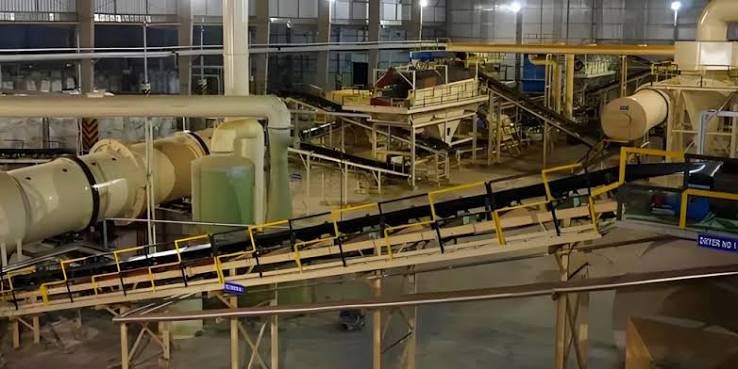
Building a completely new fertilizer complex requires extensive development across production units, utilities, storage, transport infrastructure and supporting systems. Expanding an existing facility can take a different route by using infrastructure that is already operating.
This makes brownfield projects strategically important for chemical producers. A facility with established operations can provide a stronger base for incremental capacity growth when technical and commercial conditions support expansion.
For fertilizer markets, the benefit extends to supply-chain planning. Additional production capacity located within an established industrial ecosystem can potentially reduce pressure on certain import routes and provide buyers with another domestic sourcing channel.
However, traders should continue to assess the full supply chain. Production capacity is only one part of fertilizer availability, with transportation, storage, distribution and seasonal agricultural demand also influencing market conditions.
Nigeria's Agricultural Market Creates Strong Fertilizer Demand
Nigeria's large agricultural sector provides an important domestic market for fertilizer products. Farmers and agricultural distributors require reliable access to nutrients to support crop production across different growing regions.
This creates an ongoing need for dependable fertilizer supply. When domestic manufacturing capacity increases, producers and distributors can potentially respond to demand using a greater share of locally manufactured material.
For procurement managers, this makes the development relevant even when they operate outside the fertilizer manufacturing sector. Fertilizer availability affects agricultural input businesses, commodity traders, distributors and companies involved in food and crop supply chains.
The market can also create opportunities for chemical traders that connect producers with downstream buyers. Companies with strong logistics, storage and distribution capabilities may remain important even as domestic manufacturing expands.
How the Project Could Affect Fertilizer Trade Flows
Nigeria's fertilizer market connects domestic manufacturing with international trade. Importers and traders must therefore consider how additional domestic production could alter purchasing patterns.
If local supply increases, buyers may have greater flexibility when balancing domestic purchases against international cargoes. This can make procurement decisions more responsive to freight costs, delivery schedules, quality requirements and regional price differences.
International suppliers can still remain relevant because agricultural demand can fluctuate and domestic capacity does not automatically eliminate the need for imports. Instead, the market may become more diversified, with buyers comparing locally produced material against imported alternatives.
For exporters targeting West African markets, developments in Nigeria also deserve attention. Changes in Nigerian fertilizer availability can influence regional demand, distribution networks and competitive positioning.
What Chemical Traders Should Monitor Next
The most useful signals for traders will emerge as the additional production capability becomes integrated into the operating complex. Capacity announcements provide an early indication, but actual market effects depend on production, distribution and purchasing activity.
Procurement teams should focus on:
Production ramp-up: Track how quickly the new line becomes commercially relevant to the market.
Domestic distribution: Follow how additional fertilizer volumes move from the Port Harcourt complex toward agricultural and commercial buyers.
Import patterns: Compare future import requirements with previous purchasing levels to identify shifts in sourcing.
Regional demand: Monitor fertilizer consumption across Nigeria and surrounding markets for potential trading opportunities.
Price competitiveness: Evaluate domestic offers alongside imported fertilizer after accounting for freight, handling and delivery costs.
These factors can help traders distinguish between a capacity announcement and a sustained change in the physical fertilizer market.
The Strategic Outlook for Nigeria Fertilizer Capacity
TOYO's addition of a third production line at Indorama's Port Harcourt complex demonstrates how existing industrial assets can support further fertilizer-sector growth. The approach allows Nigeria to expand manufacturing capability through an established facility rather than relying solely on completely new greenfield developments.
For buyers, the development reinforces the importance of monitoring domestic production alongside global fertilizer markets. Local capacity can affect import requirements, supplier competition and the way agricultural distributors structure their procurement programs.
For chemical traders and exporters, Nigeria remains a market where changes in production capacity can create new commercial dynamics. The strongest opportunities will come from understanding how additional capacity interacts with demand, logistics and regional trade.
What Buyers Should Do Now
Procurement teams should treat the Port Harcourt expansion as a market-development signal and incorporate it into medium-term fertilizer sourcing plans. Buyers can compare domestic availability with imported supply while maintaining multiple procurement channels to protect against seasonal or logistical disruptions.
Traders should also monitor the development of the additional production line alongside agricultural demand and regional distribution patterns. A stronger domestic manufacturing base can create new opportunities across Nigeria's fertilizer supply chain while changing the role of imported material.
For companies purchasing fertilizer-related chemicals, the key priority is to remain flexible as domestic production expands. Building relationships with reliable producers, distributors and international suppliers can help buyers respond as Nigeria's fertilizer market evolves.
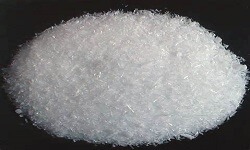
Urea (Granular) - Egypt
Found this useful?