Oil at $85: How the Brent High Is Squeezing Petrochemical Margins
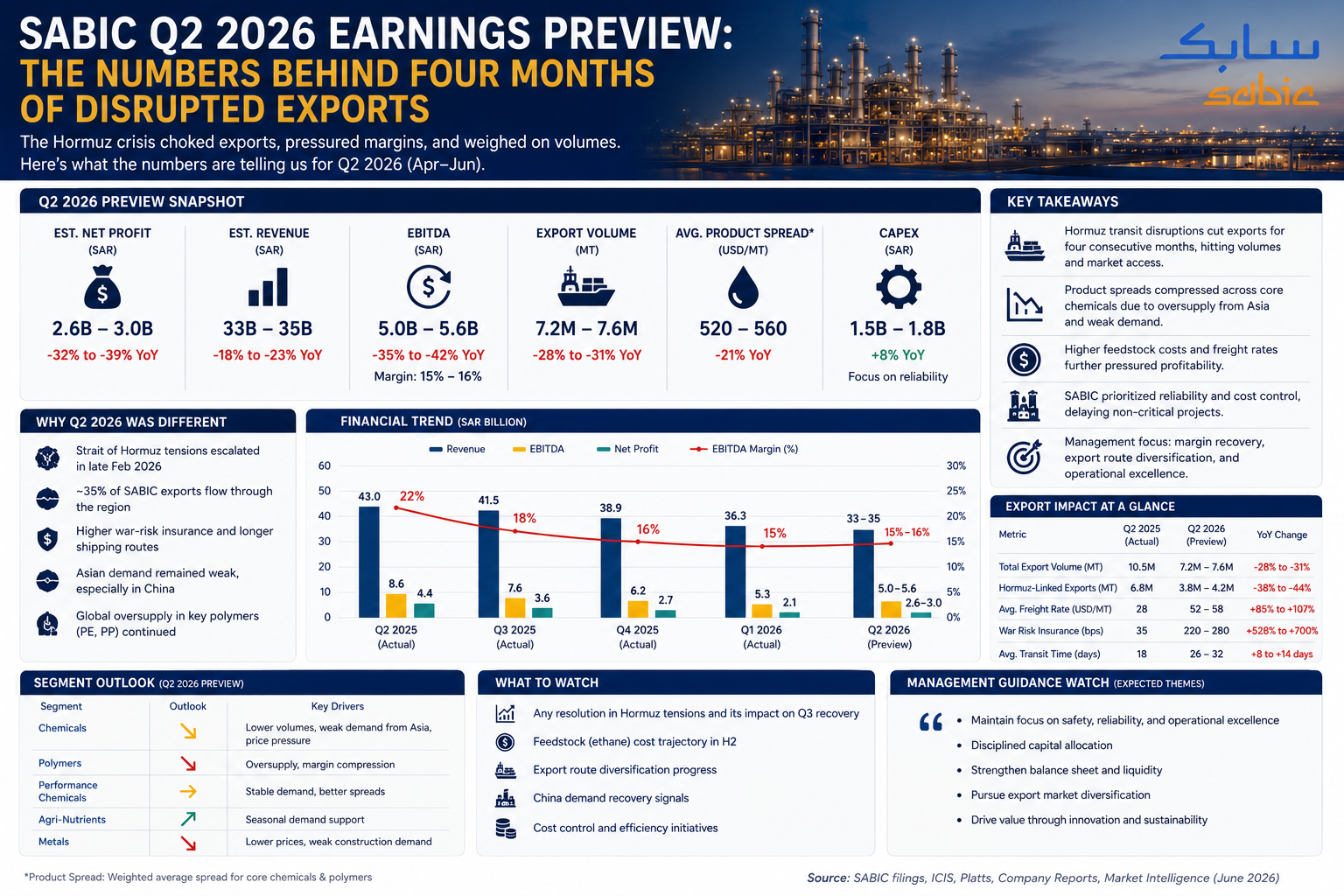
Brent crude rose to around $85.30 a barrel on July 17, marking its highest level in nine months and placing renewed pressure on the global petrochemical chain. The move represents roughly a 9% increase from levels recorded before the original US-Israel strikes on Iran in late February.
For chemical traders and procurement managers, Brent crude at $85 represents more than a headline price. Oil influences the cost of naphtha, aromatics, olefins and a wide range of downstream chemical inputs, making the latest rally an important signal for purchasing strategies, contract negotiations and inventory planning.
Why Oil at $85 Matters for Petrochemical Margins
The petrochemical industry often faces a difficult balancing act when crude oil rises quickly. Producers must pay more for key feedstocks while customers may resist equivalent increases in finished chemical prices.
That gap creates a margin squeeze. The pressure becomes especially visible when demand remains uneven across plastics, construction materials, automotive products, packaging and consumer goods.
The impact does not move through the supply chain at the same speed. Some products respond quickly to changes in crude-linked feedstocks, while others depend more heavily on regional supply, plant operating rates and inventory levels.
For buyers, this means a rising oil market does not automatically translate into identical price increases across every chemical category. However, it can raise the cost floor for many petrochemical products and increase the risk of further price adjustments.
The Feedstock Chain From Brent to Chemical Prices
Crude oil affects petrochemicals through several stages. Refineries process crude into products such as naphtha, while petrochemical plants use these feedstocks to produce basic building blocks for plastics, solvents, synthetic fibers and other industrial materials.
When crude rises, producers begin assessing whether higher feedstock costs can pass through to customers. The strength of that pass-through depends on demand and the availability of alternative supplies.
Key areas for buyers to monitor include:
Naphtha costs: Higher crude prices can raise the cost of feedstock used by many steam crackers, placing upward pressure on ethylene and propylene economics.
Aromatics: Benzene, toluene and mixed xylenes can face additional cost pressure when crude and refinery-linked feedstock prices strengthen.
Polymer pricing: Higher monomer costs can eventually influence products such as polyethylene, polypropylene, polystyrene and other major plastics.
Solvent markets: Oil-linked feedstocks can affect the cost structure of several industrial solvents used in coatings, adhesives and manufacturing.
Producer operating decisions: Weak margins may encourage some producers to reduce operating rates, potentially tightening supply in selected markets.
The timing remains critical. A sudden oil rally can initially squeeze producers before downstream prices fully adjust.
Nine-Month Brent High Raises Pressure on Global Chemical Trade
The move to around $85.30 a barrel has added another layer of uncertainty to an already sensitive trading environment. The roughly 9% rise from pre-strike levels shows how quickly energy costs can change the economics of international chemical shipments.
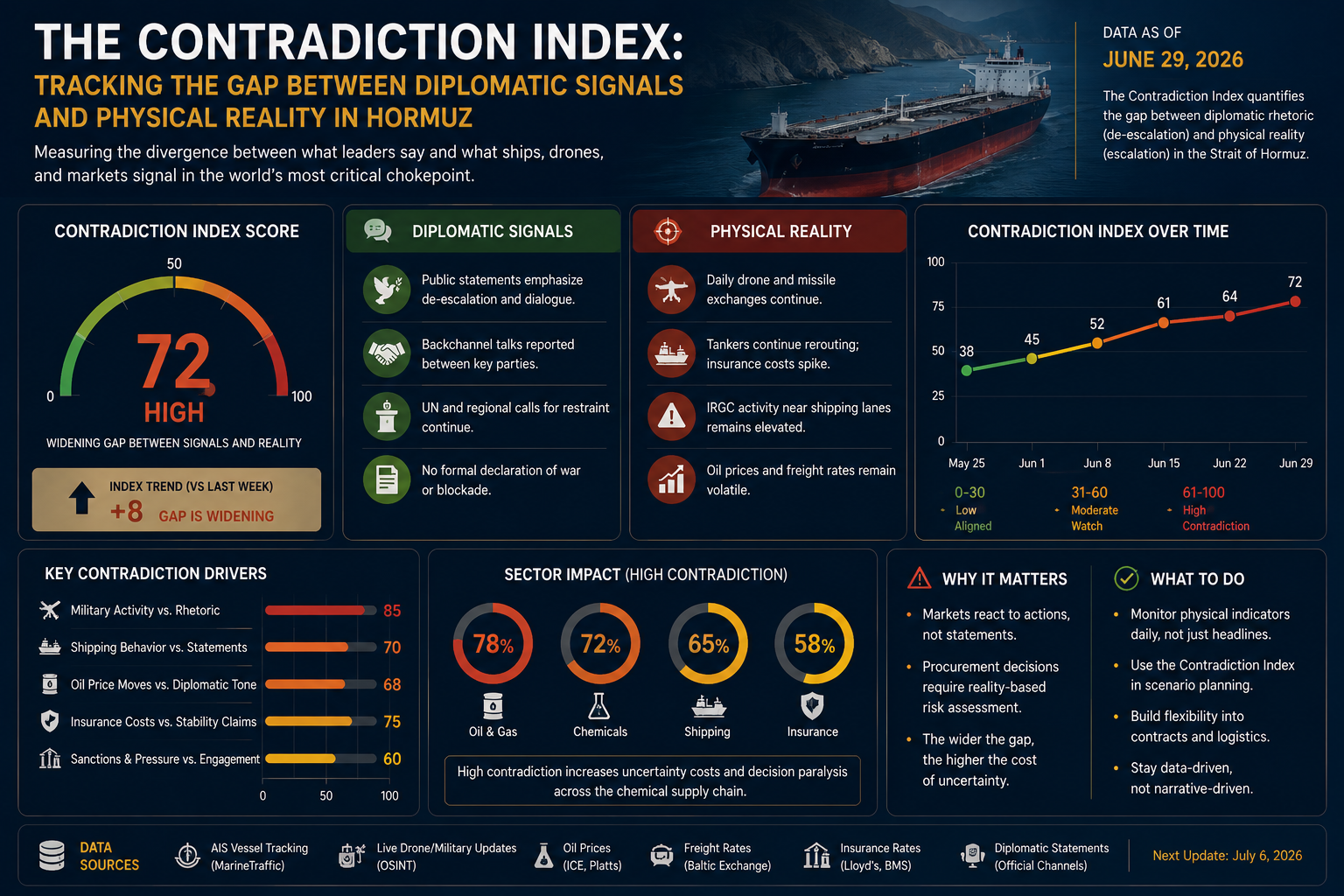
Higher crude prices can influence more than production costs. They can also affect freight economics, refinery utilization, regional arbitrage and the competitiveness of suppliers in different export markets.
For importers, the key issue involves the combined cost of the product and the logistics required to bring it to destination. A chemical that appears competitively priced at the origin may become less attractive once freight, insurance and energy-related surcharges rise.
Procurement teams should therefore evaluate landed cost rather than focusing only on the quoted chemical price.
Which Petrochemical Products Face the Greatest Margin Risk?
The greatest pressure often appears in products with strong links to oil-derived feedstocks and limited short-term substitution options. Producers in these markets may attempt to recover higher input costs through higher contract or spot prices.
Products linked to ethylene and propylene chains deserve particular attention. Polyethylene, polypropylene and several derivative chemicals can experience cost pressure when upstream feedstock economics deteriorate.
Aromatics also require close monitoring. Benzene and other refinery-linked products feed into numerous downstream materials, including plastics, resins and chemical intermediates.
At the same time, not every market will respond in the same way. Weak demand can limit producer pricing power, while tight supply can amplify the impact of higher crude costs.
The Margin Squeeze Depends on Demand as Much as Oil
Higher feedstock costs create pressure, but demand determines how much of that pressure producers can transfer to customers. If downstream buyers hold back purchases, producers may struggle to raise prices even as their costs increase.
This creates a difficult environment for petrochemical manufacturers. They can face higher crude and feedstock expenses while operating in markets where customers remain cautious about building inventory.
Several demand factors will shape the next stage of the market:
Packaging demand: Consumer activity and industrial production can influence polymer consumption and pricing power.
Construction activity: Demand for pipes, insulation, coatings and other chemical-intensive materials can affect downstream purchasing.
Automotive production: Vehicle manufacturing remains important for plastics, synthetic materials and specialty chemical demand.
Inventory behavior: Buyers that already hold sufficient stocks may delay purchases, limiting short-term price momentum.
Regional economic conditions: Different markets can experience very different demand trends even when they face the same global crude benchmark.
This is why a higher Brent price does not guarantee a uniform petrochemical rally. The margin outcome depends on the relationship between feedstock inflation and real downstream demand.
Regional Supply and Trade Flows Could Become More Important
A stronger oil market can change the relative competitiveness of producers across regions. Exporters with efficient feedstock access may maintain an advantage, while higher-cost producers face greater pressure to protect margins.
Trade flows can also shift when regional price differences widen. Buyers may look for alternative origins, while traders may redirect cargoes toward markets offering stronger netbacks.
For chemical importers, this creates both risks and opportunities. A supplier that appears expensive on a simple product comparison may still offer a lower landed cost if freight, availability and delivery timing prove more favorable.
Procurement teams should compare:
Origin and feedstock exposure
Product specifications and quality consistency
Freight and insurance costs
Delivery lead times
Payment terms and currency exposure
Supplier reliability during market volatility
A more volatile oil market increases the value of supplier diversification. Buyers that depend on a single source may face greater exposure when a regional producer reduces output or reprices material.
How Procurement Teams Can Manage Higher Oil-Linked Costs
The current market environment rewards disciplined purchasing rather than reactive buying. Companies that wait until rising feedstock costs fully reach downstream markets may face higher replacement costs.
A practical procurement approach includes several actions:
Track upstream indicators: Monitor Brent alongside naphtha, natural gas, key monomers and relevant chemical benchmarks.
Review inventory coverage: Calculate how long existing stocks can support operations if replacement prices rise.
Compare multiple origins: Alternative suppliers can create leverage during contract negotiations and reduce supply concentration.
Separate short-term and long-term needs: Immediate requirements may justify spot purchases, while predictable consumption may support longer-term agreements.
Evaluate landed cost: Include freight, insurance, financing and handling costs when comparing offers.
Negotiate flexible terms: Delivery windows and volume flexibility can become valuable when prices move quickly.
Buyers should also avoid treating every price increase as permanent. Crude markets can move sharply in both directions, while petrochemical demand may lag behind changes in upstream energy markets.
What Traders Should Watch Through the Next Market Phase
The next stage of the petrochemical market will depend on whether Brent remains near the $85 level or moves higher. Sustained oil prices at this level could keep cost pressure elevated across feedstock-intensive chemical chains.
The relationship between crude and petrochemical margins will remain especially important. If downstream demand improves, producers may regain the ability to pass through higher costs. If demand stays weak, producers may absorb more of the increase or reduce operating rates.
Market participants should focus on the interaction between three signals:
Crude oil direction, which establishes the broad energy cost environment.
Feedstock spreads, which show how much pressure reaches petrochemical producers.
Downstream demand, which determines whether higher costs can move through the value chain.
For chemical buyers, this combination offers a better view than crude prices alone. A rising Brent market can create significant pressure, but the final impact depends on how the entire supply chain responds.
The Bottom Line for Procurement Teams
Oil at around $85.30 a barrel has pushed petrochemical cost concerns back into focus after a roughly 9% rise from pre-strike levels. The nine-month Brent high increases the risk of higher feedstock costs, tighter margins and greater price volatility across several chemical value chains.
Procurement teams should respond by monitoring upstream costs closely, diversifying supply options and assessing landed costs before making purchasing decisions. Companies that maintain visibility across crude, feedstocks and downstream demand will have a stronger position when negotiating with suppliers and managing inventory.
Ready to source Brent Crude from verified global suppliers? Explore competitive offers on our platform today.

Styrene Monomer
Found this useful?