Paper Coating Chemicals: Uses and Performance Requirements
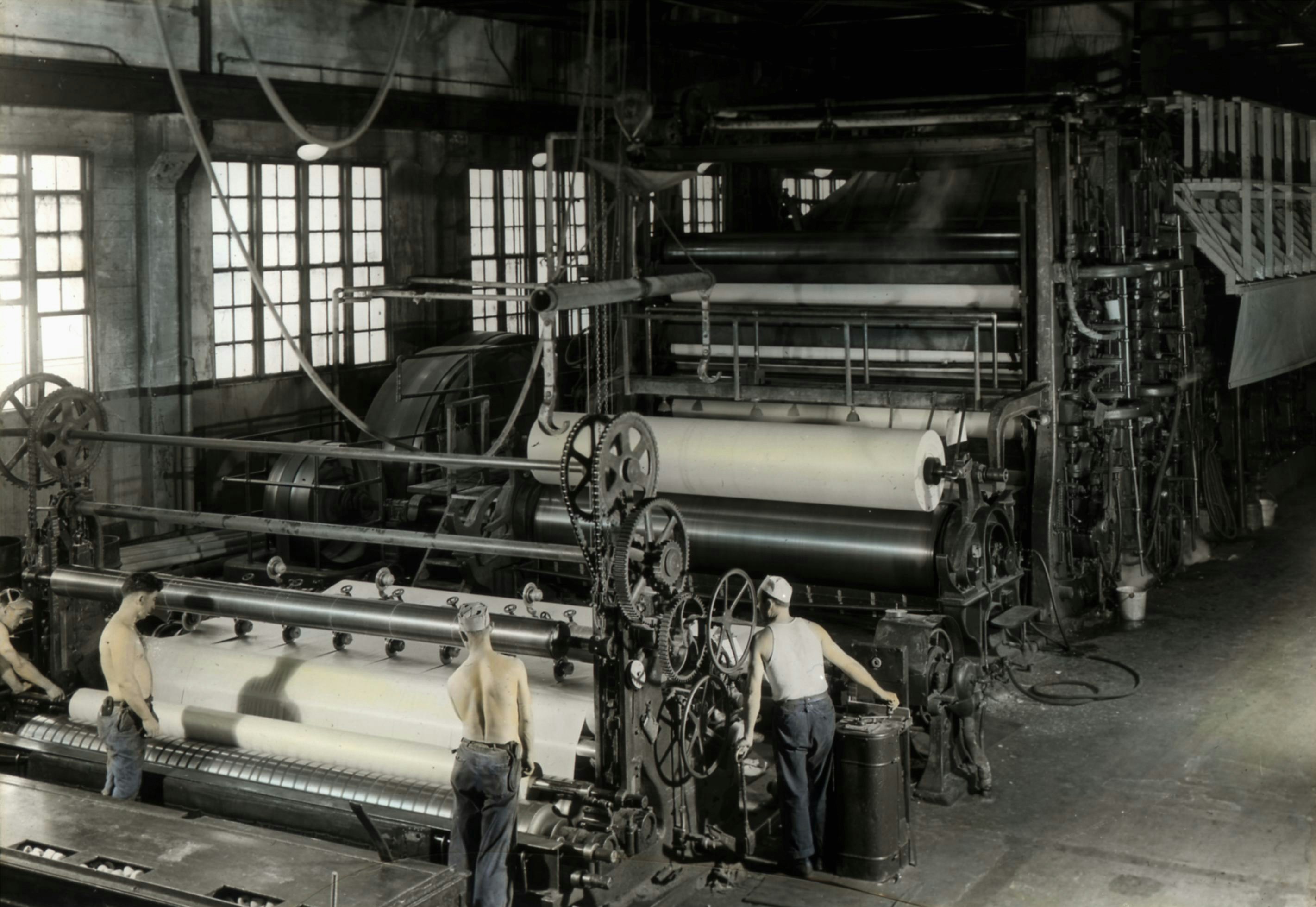
Paper coating chemicals help manufacturers improve the surface properties, appearance and functionality of paper and paperboard. These materials are used in coating formulations to create smoother surfaces, improve print quality, enhance brightness and support specific performance requirements. They are particularly important in the production of printing paper, magazines, packaging materials, labels and specialty paper products.
A typical paper coating formulation contains pigments, binders and smaller quantities of functional additives. Each ingredient performs a specific role in the coating process and influences the properties of the finished sheet. Manufacturers must select compatible materials that provide the required surface quality while maintaining stable coating behaviour and efficient production.
Understanding the uses and performance requirements of paper coating chemicals helps manufacturers, procurement teams and chemical suppliers make informed decisions about product selection and formulation development.
1. What Are Paper Coating Chemicals?
Paper coating chemicals are materials used to prepare formulations that are applied to one or both sides of paper or paperboard. The coating creates a more uniform surface by covering irregularities in the base sheet and modifying its optical and physical properties.
Most conventional paper coatings are water-based mixtures containing mineral pigments, polymeric or natural binders and specialised additives. The formulation depends on the intended paper grade, coating method and required end-use performance.
The main ingredient categories include:
Pigments: Provide surface coverage, smoothness, brightness and opacity.
Binders: Hold pigment particles together and attach the coating to the paper surface.
Dispersants: Help distribute pigments uniformly throughout the coating mixture.
Rheology modifiers: Control viscosity and flow behaviour during application.
Lubricants: Improve coating movement through processing equipment and support finishing.
Defoamers: Control unwanted foam and entrained air.
Optical brightening agents: Improve the visual whiteness of coated paper.
Crosslinking agents: Improve selected properties of the binder system, including resistance to water.
The proportions and combinations of these materials vary between paper grades. Printing paper may prioritise smoothness and ink receptivity, while packaging board may require additional strength or barrier performance.
2. Major Types of Paper Coating Chemicals and Their Functions
Paper manufacturers use different chemicals to control coating preparation, application and final surface characteristics. Selecting the right combination helps maintain product quality and production consistency.
Pigments and Mineral Fillers
Pigments are the main solid component in many conventional paper coating formulations. They provide surface coverage and influence smoothness, brightness, opacity and print performance.
Common coating pigments include:
Kaolin clay: Helps create a smooth surface and supports print quality.
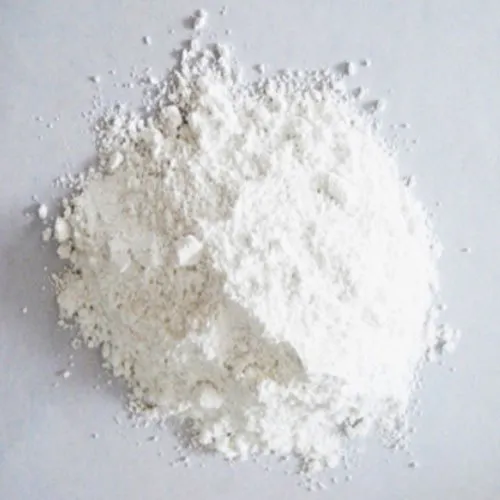
Calcium carbonate: Contributes to brightness, opacity and surface characteristics.
Titanium dioxide: Provides high opacity and strong light-scattering properties.
Talc: Can support surface smoothness and specific coating characteristics.
The selection depends on the required paper grade, formulation cost and finishing conditions. Particle size, shape and distribution also influence how the pigment performs within the coating layer.
Coating Binders
Binders hold pigment particles together and help attach the coating to the paper substrate. They are essential for maintaining coating integrity during drying, finishing, handling and printing.
Common binder materials include styrene-butadiene latex, styrene-acrylic polymers, acrylic latexes and starch. Synthetic latex binders are used in many coated paper formulations, while starch can contribute binding performance and help manage formulation costs.
The correct binder level is important. Insufficient binding can lead to weak coating surfaces and increased dusting, while excessive binder may affect porosity, ink absorption and other surface properties.
Dispersing Agents
Dispersing agents help distribute mineral pigments throughout the coating mixture. They reduce particle aggregation and support a more uniform coating formulation.
Polyacrylate-based dispersants are commonly used in mineral pigment systems. Their performance can influence slurry stability, viscosity and the ability to maintain suitable solids content.
Effective dispersion is important because poorly distributed pigments can create coating defects and inconsistent surface properties.
Rheology Modifiers and Thickeners
Rheology modifiers control the flow and viscosity of coating formulations. They help manufacturers adjust the mixture for different application systems, including blade, roll, rod and curtain coating.
Common materials include carboxymethyl cellulose (CMC), modified starches and selected acrylic-based thickeners. The appropriate product depends on the coating formulation, machine speed and required application behaviour.
Lubricants and Defoamers
Lubricants improve the movement of coating materials through finishing equipment, particularly during calendering. Calcium stearate and ammonium stearate are examples used in paper coating formulations.
Defoamers help control unwanted foam and entrained air during preparation and application. Excessive foam can contribute to surface defects, uneven coating and production interruptions.
Optical Brightening and Crosslinking Agents
Optical brightening agents absorb ultraviolet light and emit visible blue light, creating a brighter white appearance under suitable lighting conditions. They are used in selected printing and paper grades where brightness is an important specification.
Crosslinking agents help modify binder performance by improving resistance to water or other conditions, depending on the formulation. Their use must be compatible with the binder system and the intended paper application.
3. Industrial Applications of Paper Coating Chemicals
Paper coating chemicals support several industrial paper and board applications. Each grade requires a different balance of appearance, printability, strength and functional performance.
Printing and Writing Paper
Coated printing paper is used for magazines, catalogues, brochures, books and other printed materials. Its smoother surface supports more consistent ink transfer and improved image reproduction.
Pigments, binders and dispersants help create an even coating layer, while optical brightening agents may be used to achieve the required visual appearance. The formulation must also provide sufficient surface strength to withstand printing operations.
Packaging Paper and Paperboard
Packaging manufacturers use coated paperboard for cartons, folding boxes, labels and other packaging products. Coatings can improve surface appearance and support printing, converting and finishing operations.
Some packaging formulations also provide functional properties such as resistance to water, grease or moisture vapour. These requirements may involve specialised barrier coatings rather than conventional pigment coatings alone.
Magazine and Catalogue Production
Lightweight coated paper is widely used for magazines, catalogues and advertising materials. It provides a smoother surface than uncoated paper while allowing manufacturers to manage the overall sheet weight.
The coating formulation must balance print quality, brightness, surface strength and production cost. Consistent pigment distribution and binder performance help achieve a uniform finish across high-volume production runs.
Label and Specialty Paper Manufacturing
Labels and specialty paper products may require specific surface characteristics to support printing, adhesion, release or other functions. Coating chemicals are selected according to the intended application and the materials that will come into contact with the paper.
For example, release papers may use specialised silicone-based coatings, while other specialty grades may require functional surface treatments.
High-Quality Commercial Printing
Premium printing applications often require smooth surfaces, controlled ink absorption, brightness and consistent gloss. Multiple coating layers may be used to achieve the desired finish.
Manufacturers adjust pigment blends, binder systems and functional additives according to the printing method and required image quality.
4. Key Performance Requirements for Paper Coating Chemicals
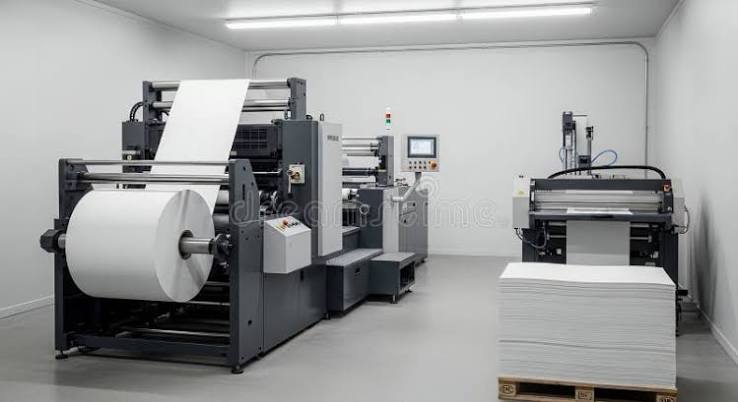
A paper coating formulation must meet both processing and finished-product requirements. Manufacturers evaluate the behaviour of the coating mixture during production as well as the quality of the final paper surface.
Viscosity and Rheological Stability
The coating mixture must have suitable flow properties for the selected application equipment. Viscosity influences coating transfer, application uniformity and machine runnability.
A formulation that is too thick may create difficulties during pumping and application. A mixture that is too thin may cause poor coating control or uneven coverage. Rheology modifiers help manufacturers maintain the required balance.
Solids Content and Water Retention
Solids content affects coating preparation, drying requirements and production efficiency. Higher solids formulations can reduce the amount of water that must be removed during drying, provided the coating maintains suitable application properties.
Water retention also matters because it influences how quickly water moves from the coating into the base paper. Poor control can affect coating holdout, binder distribution and surface quality.
Adhesion and Surface Strength
The coating must remain attached to the paper substrate during drying, finishing, printing and handling. Binders contribute to pigment bonding and coating adhesion.
Insufficient surface strength may cause dusting, picking or coating particles to detach during printing. Manufacturers therefore evaluate the binder system and its interaction with the selected pigments.
Smoothness and Gloss
Surface smoothness and gloss are important for many coated printing grades. A uniform coating fills surface irregularities and creates a more consistent printing surface.
Pigment characteristics, binder content, application conditions and calendering all influence the final result. Manufacturers select chemicals according to the finish required by the customer.
Brightness and Opacity
Brightness and opacity influence the visual quality of paper. Pigments and optical brightening agents can help achieve the required appearance, depending on the formulation and paper grade.
Opacity is particularly relevant when manufacturers need to limit show-through from printing on the opposite side of a sheet. The pigment blend and coating structure influence this property.
Ink Absorption and Printability
Coated paper must accept printing ink in a controlled way. The surface should support suitable ink transfer, drying and image reproduction without excessive absorption or unwanted surface interaction.
The coating's pore structure, binder level and pigment characteristics all contribute to printability. The required balance depends on the printing method and ink system.
Coating Uniformity and Machine Runnability
The coating must be applied evenly across the paper web. Variations in coat weight, viscosity, dispersion or air content can contribute to streaks, spots and other defects.
A stable formulation should also perform consistently at the operating speed of the coating machine. This makes rheology, filtration, foam control and formulation compatibility important production considerations.
5. Buyer Considerations When Sourcing Paper Coating Chemicals
Procurement teams must assess product quality, technical suitability and supplier reliability before purchasing paper coating chemicals. A product that meets a general description may still be unsuitable for a specific coating formulation.
Product Specifications and Documentation
Buyers should request technical data sheets and safety data sheets for the products under consideration. Depending on the chemical, relevant specifications may include solids content, viscosity, pH, particle size, active content and recommended application conditions.
Certificates of analysis can also help buyers confirm batch consistency and compare supplied materials against agreed specifications.
Compatibility With Existing Formulations
A new chemical should work with the pigments, binders and additives already used by the paper manufacturer. Incompatibility can affect dispersion, viscosity, foam control or coating stability.
Laboratory testing and controlled production trials can help confirm whether a product performs as expected before it is introduced into regular manufacturing.
Performance and Total Application Cost
Buyers should compare products based on their contribution to finished-paper quality and production efficiency. Purchase price alone does not reflect the full cost of using a chemical.
Dosage, coating coverage, production losses, drying requirements and the risk of defects can all influence total application cost.
Supplier Reliability and Technical Support
Reliable suppliers should provide consistent product specifications, suitable documentation and dependable delivery arrangements. Technical support is valuable when manufacturers need help adjusting formulations or resolving production issues.
Buyers should also assess whether suppliers can meet regular volume requirements and communicate changes that may affect product specifications or availability.
Storage and Handling Requirements
Paper coating chemicals may be supplied in drums, bags, containers or bulk deliveries. Buyers should check storage temperature, shelf life, packaging compatibility and handling instructions.
Correct storage helps maintain product stability and reduces the risk of quality changes before the material reaches the coating preparation area.
6. Market Trends and Changing Requirements
The paper coating chemicals sector continues to evolve alongside changes in printing, packaging and paper manufacturing. Demand for coated packaging materials, high-quality printed products and specialised paper grades influences formulation development.
One important area is the development of barrier coatings. Manufacturers are evaluating coating systems that can provide resistance to water, grease and moisture vapour for selected packaging applications. These formulations may require different binder-to-pigment ratios and specialised functional additives compared with conventional printing paper coatings.
Sustainability is another important consideration. Paper producers are assessing coating ingredients and processes in relation to resource efficiency, recyclability and the environmental requirements of their customers. Product performance must still be evaluated against the needs of the finished paper and the relevant recycling or packaging specifications.
Manufacturers are also focused on production efficiency. Stable high-solids formulations, effective pigment dispersion and improved rheology control can help support machine runnability and manage drying requirements.
For chemical suppliers, these developments create opportunities to provide application-specific products, consistent technical specifications and formulation support.
7. Making Better Paper Coating Chemical Selection Decisions
Paper coating chemicals influence the appearance, printability and functional performance of coated paper and paperboard. Pigments provide surface coverage, binders maintain coating integrity and specialised additives control dispersion, viscosity, foam and other formulation characteristics.
The right combination depends on the paper grade, coating equipment, printing requirements and intended end use. Manufacturers should assess both the performance of individual ingredients and their compatibility within the complete coating formulation.
By reviewing technical specifications, conducting formulation trials and working with reliable suppliers, paper producers can maintain consistent quality and improve manufacturing efficiency.
Calcium Carbonate (Feed Grade)
Found this useful?