Pharmaceutical Cleaning Agents: Applications and Validation Requirements
Pharmaceutical Cleaning Agents: Applications and Validation Requirements
Pharmaceutical manufacturing requires strict cleaning and sanitation procedures to maintain product quality, prevent contamination, and ensure patient safety. Cleaning agents play a critical role in removing active pharmaceutical ingredients (APIs), chemical residues, processing materials, and microbial contaminants from manufacturing equipment and production areas. As pharmaceutical companies operate under increasingly stringent quality standards, the selection, application, and validation of cleaning chemicals have become essential parts of Good Manufacturing Practice (GMP).
Pharmaceutical cleaning agents are specifically selected according to their chemical properties, cleaning effectiveness, compatibility with equipment materials, and ability to remove product residues. Unlike conventional industrial cleaning chemicals, these formulations must meet controlled requirements to minimize contamination risks and support consistent manufacturing conditions.
Common Types of Pharmaceutical Cleaning Agents
Pharmaceutical manufacturers use different cleaning agents depending on the type of residue, manufacturing process, equipment design, and cleaning requirements.
Alkaline Cleaning Agents: These are commonly used to remove oils, fats, proteins, and other organic residues. Sodium hydroxide-based formulations are frequently applied in equipment cleaning and Clean-in-Place (CIP) systems.
Acidic Cleaning Agents: Acid-based formulations help remove mineral deposits, inorganic residues, and scale from manufacturing equipment. Phosphoric acid and nitric acid are examples used in specific industrial cleaning applications.
Neutral Cleaning Agents: These formulations are designed for routine cleaning where strong acidic or alkaline chemicals may damage sensitive equipment or surfaces.
Enzymatic Cleaning Agents: Enzyme-based formulations help break down protein, lipid, and carbohydrate residues. They can be useful in pharmaceutical and biotechnology manufacturing processes where organic contamination must be controlled.
Surfactant-Based Cleaning Agents: These chemicals reduce surface tension and improve the removal of oils, particles, and other contaminants from equipment surfaces.
Disinfectants and Sanitizing Agents: Alcohols, hydrogen peroxide, peracetic acid, and other approved antimicrobial formulations are used to control microbial contamination in pharmaceutical production environments.
The selection of a cleaning agent depends on the manufacturing process, residue characteristics, equipment materials, and validated cleaning procedures.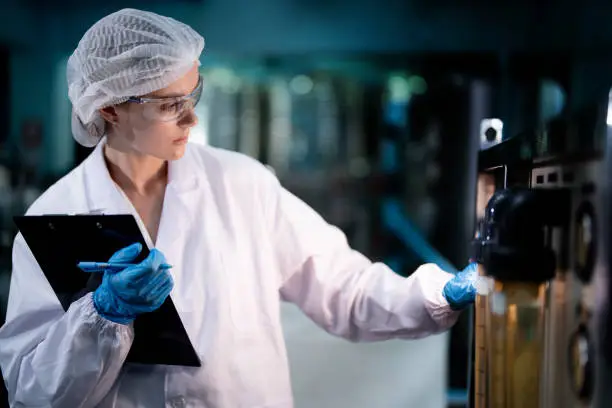
Applications Across Pharmaceutical Manufacturing
Cleaning agents are used throughout pharmaceutical production to maintain hygienic conditions and prevent cross-contamination between products and manufacturing batches.
Manufacturing Equipment Cleaning: Reactors, mixing vessels, storage tanks, pipelines, tablet presses, and granulation equipment require regular cleaning to remove API residues and processing materials. Suitable cleaning chemicals help maintain equipment performance and reduce the risk of product contamination.
Clean-in-Place (CIP) Systems: CIP systems allow manufacturers to clean tanks, pipes, and processing equipment without dismantling them. These systems commonly use controlled sequences of alkaline detergents, acidic cleaning solutions, and purified water rinses. Temperature, concentration, flow rate, and contact time are important operating parameters.
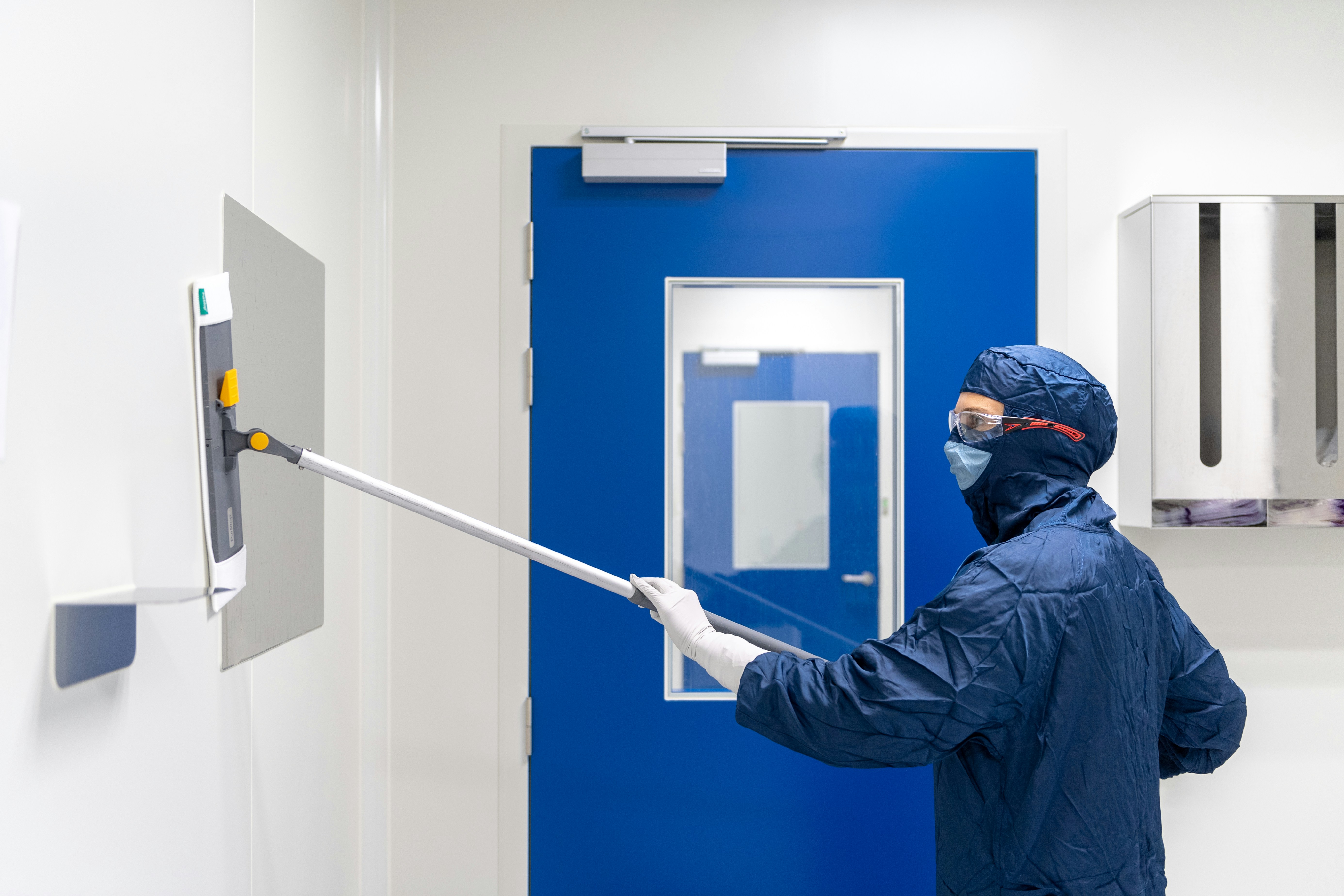
Cleanroom and Production Area Maintenance: Pharmaceutical cleanrooms require controlled cleaning procedures to minimize particulate and microbial contamination. Approved detergents and disinfectants are selected according to the surface material, contamination risk, and cleanroom classification.
Biopharmaceutical Manufacturing: Biotechnology facilities require specialized cleaning procedures for fermentation equipment, bioreactors, filtration systems, and other processing units. Cleaning agents must effectively remove proteins, biological residues, and other process-related contaminants without damaging sensitive equipment.
Packaging and Filling Equipment: Pharmaceutical filling lines, packaging machines, and product-contact surfaces require appropriate cleaning to prevent contamination and maintain product quality during manufacturing and packaging operations.
Understanding Pharmaceutical Cleaning Validation
Cleaning validation is a documented process that provides evidence that an approved cleaning procedure consistently removes product residues, cleaning agents, and other contaminants to predetermined acceptable levels.
It is an important requirement within pharmaceutical quality systems because equipment may be used for multiple products or manufacturing batches. Inadequate cleaning can result in cross-contamination, product quality failures, regulatory observations, and potential risks to patients.
Cleaning validation generally involves three major stages:
Cleaning Process Development: Manufacturers identify potential residues, select suitable cleaning agents, and establish cleaning procedures based on equipment design, product characteristics, and manufacturing conditions.
Cleaning Process Qualification: The cleaning procedure is tested under defined conditions to demonstrate that it consistently achieves the required cleaning standards. Sampling and analytical testing are used to evaluate cleaning effectiveness.
Continued Verification: Manufacturers monitor cleaning performance through established quality procedures to ensure that validated processes remain effective over time.
Key Validation Requirements and Testing Methods
Pharmaceutical cleaning validation requires scientific justification, documented procedures, and reliable analytical methods. Several important parameters are considered during the validation process.
Residue Limits: Manufacturers must establish scientifically justified acceptance limits for active pharmaceutical ingredients, cleaning agent residues, and relevant contaminants. These limits should consider patient safety, product characteristics, and applicable regulatory expectations.
Swab Sampling: Swab sampling involves collecting residue samples directly from equipment surfaces using appropriate sampling materials. It helps identify contamination on specific locations, including difficult-to-clean areas such as joints, valves, and equipment connections.
Rinse Sampling: Rinse sampling involves collecting liquid from equipment after the cleaning process. The collected sample is analyzed to determine whether residues remain inside tanks, pipelines, or other inaccessible surfaces.
Analytical Testing: Validated analytical methods such as High-Performance Liquid Chromatography (HPLC), Total Organic Carbon (TOC), and other suitable techniques are used to detect and measure residues. The selected method must be appropriate for the substances being evaluated and sufficiently sensitive for the established acceptance limits.
Microbial Testing: In facilities where microbial contamination is a concern, microbiological sampling and testing may be included to verify the effectiveness of cleaning and disinfection procedures.
Documentation and Record Keeping: Cleaning procedures, sampling locations, analytical results, equipment details, acceptance criteria, deviations, and corrective actions must be documented to demonstrate compliance with pharmaceutical quality requirements.
Regulatory Standards Governing Cleaning Validation
Pharmaceutical cleaning procedures are influenced by international GMP guidelines and regulatory expectations. Manufacturers must establish cleaning validation programmes that reflect their product risks, manufacturing processes, and applicable regulatory requirements.
Important regulatory references include:
US FDA: FDA guidance on process validation and pharmaceutical CGMP expectations emphasizes scientifically sound procedures, contamination control, and documented evidence of process consistency.
EU GMP Annex 15: Provides guidance on qualification and validation, including cleaning validation, acceptance criteria, sampling approaches, and lifecycle management.
PIC/S GMP Guidelines: Provide internationally recognized GMP expectations for pharmaceutical manufacturing, including equipment cleaning and contamination prevention.
ICH Q9(R1): Introduces quality risk management principles that can support cleaning validation decisions, including the identification and evaluation of contamination risks.
ICH Q7: Provides GMP guidance for active pharmaceutical ingredient manufacturing, including expectations for equipment cleaning and prevention of contamination.
Regulatory expectations may vary depending on the pharmaceutical product, manufacturing facility, and market in which the product is supplied.
Factors to Consider When Selecting Pharmaceutical Cleaning Agents
Choosing an appropriate cleaning agent requires balancing cleaning performance, chemical compatibility, regulatory expectations, and operational costs.
Cleaning Effectiveness: The chemical should effectively remove the specific API, excipients, oils, proteins, or other residues generated during manufacturing.
Equipment Compatibility: Cleaning formulations must not cause corrosion, surface damage, or deterioration of stainless steel, polymers, seals, and other equipment materials.
Rinsability: Cleaning agents should be removable through established rinsing procedures, with residual chemical levels controlled according to validated acceptance criteria.
Concentration and Temperature: Manufacturers must determine appropriate chemical concentrations, operating temperatures, and contact times to achieve consistent cleaning performance.
Safety and Handling: Chemical suppliers should provide relevant Safety Data Sheets (SDS), handling instructions, storage requirements, and appropriate technical documentation.
Supplier Reliability: Consistent product specifications, batch quality, technical support, and dependable supply are important considerations for pharmaceutical procurement teams.
Market Opportunities for Pharmaceutical Chemical Suppliers
The increasing complexity of pharmaceutical manufacturing is creating opportunities for suppliers of specialized cleaning chemicals, detergents, surfactants, solvents, and disinfectants. Pharmaceutical manufacturers require products that support effective cleaning while meeting strict quality and documentation requirements.
Suppliers can strengthen their market position by offering validated-use cleaning formulations, technical assistance, compatibility information, and supporting documentation. Demand is also developing for low-residue cleaning products, concentrated formulations, and specialized solutions for biotechnology and sterile manufacturing facilities.
For procurement teams, evaluating suppliers based on technical performance, quality consistency, regulatory documentation, and long-term availability is essential. Digital B2B chemical marketplaces can further support sourcing by improving product visibility, supplier comparison, and access to technical specifications.
Industry Outlook
Pharmaceutical cleaning agents will remain essential to pharmaceutical manufacturing as companies strengthen contamination control, improve production efficiency, and expand into complex drug formulations and biopharmaceutical products. Cleaning validation is also becoming increasingly risk-based, with manufacturers placing greater emphasis on scientific justification, analytical sensitivity, and continuous process monitoring.
For chemical manufacturers and distributors, the sector offers opportunities to develop specialized cleaning formulations that meet pharmaceutical industry requirements. Companies that combine effective cleaning performance with reliable documentation, equipment compatibility, and consistent product quality will be better positioned to serve pharmaceutical manufacturers and contract development and manufacturing organizations (CDMOs).
As GMP expectations continue to shape pharmaceutical production, cleaning chemicals and validated cleaning procedures will remain fundamental to manufacturing quality and patient safety.
US FDA – Process Validation: General Principles and Practices
European Commission – EudraLex Volume 4: EU Guidelines for Good Manufacturing Practice
PIC/S – Guide to Good Manufacturing Practice for Medicinal Products
ICH – Quality Guidelines: ICH Q9(R1) Quality Risk Management
ICH – Q7 Good Manufacturing Practice Guide for Active Pharmaceutical Ingredients
2-Ethylhexyl Acrylate
Found this useful?