Pharmaceutical Solvents: Post-Hormuz Acetonitrile and NMP Supply Expected to Gradually Ease
Introduction
Global pharmaceutical supply chains have faced significant pressure due to disruptions linked to the Strait of Hormuz, one of the world’s most important shipping routes. Among the chemicals affected were pharmaceutical solvents such as Acetonitrile and N-Methyl-2-Pyrrolidone (NMP), both critical for drug manufacturing and chemical processing. As trade conditions stabilize and logistics gradually recover, market participants expect supply conditions to improve in the coming months.
Why Acetonitrile and NMP Matter
Pharmaceutical solvents play an essential role in drug production, purification, and formulation processes.
Acetonitrile is widely used in:
Pharmaceutical manufacturing
High-performance liquid chromatography (HPLC)
Chemical synthesis
Laboratory testing and research
NMP (N-Methyl-2-Pyrrolidone) is commonly used for:
Pharmaceutical processing
Specialty chemical production
Electronics manufacturing
Industrial cleaning applications
Because these solvents support multiple industries, even small supply interruptions can create major operational challenges.
Impact of Hormuz Disruptions
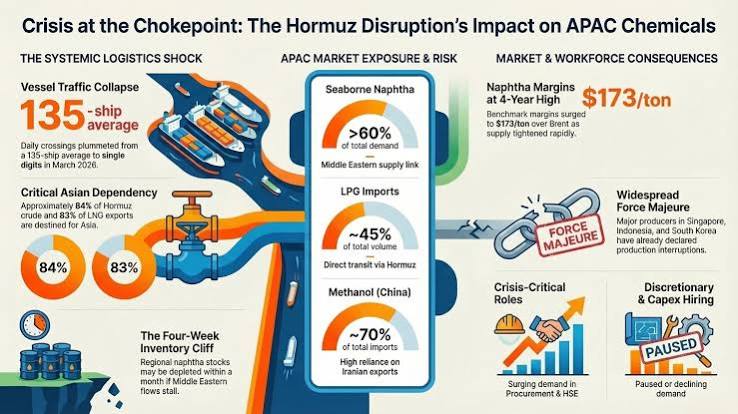
The Strait of Hormuz serves as a major gateway connecting producers in the Middle East to global markets. Any disruption in vessel movement can delay shipments, increase freight costs, and reduce inventory availability.
Following recent shipping concerns around the region, buyers experienced:
Extended delivery timelines
Higher transportation expenses
Inventory shortages
Increased spot market purchasing
Greater uncertainty in procurement planning
Pharmaceutical manufacturers relying on just-in-time inventory models were particularly affected.
Signs of Market Stabilization
Industry observers now expect conditions to gradually improve.
Several factors are supporting this recovery:
1. Shipping Routes Becoming More Predictable
Shipping operators are slowly restoring confidence in regional movements, helping normalize delivery schedules.
2. Inventory Rebuilding
Chemical distributors and solvent suppliers are increasing stock levels to reduce future supply risks.
3. Alternative Sourcing Expands
Many procurement teams have diversified sourcing strategies and reduced dependence on single supply corridors.
4. Demand Returning to Normal Patterns
Panic purchasing and emergency inventory building appear to be easing, allowing markets to rebalance.
What Buyers Should Expect Next
Although supply conditions are improving, a rapid return to pre-disruption pricing is unlikely.
Procurement professionals should prepare for:
Gradual improvement in product availability
Continued freight cost monitoring
Flexible inventory management
Supplier diversification strategies
More regional sourcing partnerships
Companies that strengthen supplier networks and maintain better visibility across logistics channels may become more resilient against future disruptions.
Conclusion
The post-Hormuz outlook for pharmaceutical solvents shows cautious optimism. Acetonitrile and NMP availability is expected to gradually improve as shipping stabilizes and inventories rebuild. However, procurement teams and pharmaceutical manufacturers remain focused on resilience, diversification, and supply visibility to protect operations from future disruptions.
For the pharmaceutical and chemical sectors, the lesson is clear: supply chain flexibility is no longer optional—it is becoming a competitive advantage.