
Phosphoric Acid: Industrial Applications and Key Considerations for Chemical Buyers
Phosphoric acid supports several major industrial sectors, with fertilizer manufacturing accounting for a significant share of its global consumption. Chemical producers also rely on this inorganic acid for phosphate-based products, food processing, metal treatment and water-related applications.
Known by the chemical formula H₃PO₄, phosphoric acid serves as an important intermediate in the wider phosphate industry. Its commercial importance comes from its ability to support different manufacturing processes and produce phosphate compounds with specific industrial functions.
For chemical manufacturers, distributors and industrial buyers, understanding phosphoric acid requires more than examining its applications. Product concentration, manufacturing origin, quality specifications, storage requirements and changing demand across end-use industries all influence its commercial importance.
What Is Phosphoric Acid and Why Does Industry Use It?
Phosphoric acid is an inorganic mineral acid containing phosphorus, hydrogen and oxygen. Manufacturers produce commercial grades for applications ranging from fertilizer production to food ingredients and industrial chemical processing.
The chemical appears in different concentrations and purity levels depending on its intended application. Industrial-grade material generally serves manufacturing processes, while food-grade products must meet additional quality requirements.
Its importance comes from several characteristics:
Phosphate production: Manufacturers use phosphoric acid as a key intermediate in producing phosphate-based compounds.
Fertilizer manufacturing: Agricultural input producers depend on it for phosphate fertilizers that supply essential phosphorus to crops.
Food processing: Approved food-grade applications include acidity regulation and certain beverage formulations.
Metal treatment: Industrial processors use phosphoric acid in selected metal preparation and surface-treatment processes.
Chemical manufacturing: Producers incorporate it into different phosphate-based industrial formulations.
These applications create demand across multiple industries and connect phosphoric acid consumption with agriculture, manufacturing and food production.
Major Industrial Applications of Phosphoric Acid
Fertilizer manufacturing represents one of the most important application areas for phosphoric acid. Agricultural producers require phosphate-based fertilizers to support crop development, making fertilizer demand a major influence on the wider phosphoric acid industry.
Other industries also contribute to its commercial significance.
1. Fertilizer manufacturing
Phosphoric acid plays a central role in producing phosphate fertilizers such as monoammonium phosphate (MAP) and diammonium phosphate (DAP).
These fertilizers provide phosphorus, an essential plant nutrient involved in root development, energy transfer and crop growth. Agricultural demand therefore influences phosphate production and the consumption of phosphoric acid.
2. Food and beverage processing
Food manufacturers use suitable food-grade phosphoric acid as an acidity regulator in selected products.
Its applications include:
Certain carbonated beverages.
Food acidity adjustment.
Selected processed food formulations.
Industrial food ingredient manufacturing.
Food manufacturers require appropriate purity specifications and compliance with applicable food regulations.
3. Metal treatment and surface preparation
Metal-processing industries use phosphoric acid in selected surface-treatment applications. It can support processes involving metal cleaning, surface conditioning and phosphate coatings.
These applications help manufacturers prepare metal surfaces for subsequent industrial operations.
4. Water treatment and chemical processing
Phosphate compounds derived from phosphoric acid have applications in water treatment and industrial chemical formulations. Their functions vary according to the specific compound and treatment requirements.
5. Pharmaceutical and specialty manufacturing
Certain pharmaceutical and specialty chemical applications require phosphoric acid or phosphate derivatives that meet specific purity standards. Manufacturers must select suitable grades according to their intended formulation and regulatory requirements.
Understanding Industrial and Food-Grade Phosphoric Acid
Product grade is an important distinction in the phosphoric acid industry because different applications require different quality specifications.
Industrial-grade phosphoric acid primarily serves manufacturing operations. Fertilizer production and other industrial processes generally account for substantial consumption.
Food-grade phosphoric acid follows additional quality requirements. Manufacturers evaluate impurity limits and applicable food safety standards before incorporating it into food or beverage products.
Important specification considerations include:
Phosphoric acid concentration.
Appearance and physical characteristics.
Relevant impurity limits.
Iron and other metallic impurities.
Packaging compatibility.
Applicable quality documentation.
A product specification should reflect the intended industrial application rather than relying only on the chemical name.
Global Demand and the Role of Agriculture
Agriculture remains a major influence on phosphoric acid demand because phosphate fertilizers represent an important part of the global agricultural input market.
Population growth, food consumption patterns and agricultural productivity requirements contribute to long-term fertilizer demand. These factors influence phosphate production and the industrial consumption of phosphoric acid.
Several developments shape the market:
Agricultural production: Farmers and fertilizer manufacturers respond to crop requirements and seasonal planting cycles.
Fertilizer consumption: Changes in MAP and DAP production influence phosphoric acid demand.
Food security priorities: Governments and agricultural producers maintain interest in reliable fertilizer availability.
Industrial diversification: Food processing, metal treatment and specialty chemical manufacturing provide additional demand sources.
Regional production capacity: Local phosphate resources and processing infrastructure influence the availability of commercial material.
Demand does not move uniformly across all regions. Agricultural conditions, fertilizer policies and industrial capacity create different consumption patterns between major markets.
Production Methods and the Phosphate Industry
Commercial phosphoric acid production generally follows two major manufacturing routes: the wet-process route and the thermal-process route.
The wet-process method uses phosphate rock and sulfuric acid to produce phosphoric acid. It represents an important production route for fertilizer-related applications.
The process generates phosphogypsum as a by-product, creating additional considerations for waste management and environmental performance.
The thermal-process method produces phosphoric acid through phosphorus oxidation followed by hydration. This route generally produces higher-purity acid, making it relevant to selected specialty and food-related applications.
The choice of manufacturing route influences:
Product purity and quality characteristics.
Manufacturing costs.
Energy requirements.
Raw material consumption.
Environmental management requirements.
Suitability for different end-use applications.
Manufacturers consider these factors when selecting production technology and determining which industrial markets they can serve.
Raw Material Availability and Market Price Influences
Phosphoric acid production depends on the availability of phosphate rock and other essential production inputs. Changes in raw material supply can influence manufacturing economics and market conditions.
Several factors contribute to price movements:
Phosphate rock availability: Mining output, ore quality and access to phosphate reserves influence production capacity.
Sulfuric acid costs: The wet-process production route relies on sulfuric acid, connecting phosphoric acid manufacturing with the broader sulfur and sulfuric acid markets.
Energy expenses: Electricity, fuel and processing requirements affect manufacturing costs.
Fertilizer market conditions: Changes in fertilizer production and agricultural demand influence the consumption of phosphoric acid.
Transportation expenses: Bulk chemical transportation, port capacity and international freight costs affect delivered prices.
Environmental requirements: Waste treatment and phosphogypsum management can influence operating expenses and production decisions.
These factors create connections between phosphoric acid, phosphate rock, sulfuric acid and the wider fertilizer supply chain.
Key Considerations for Industrial Quality and Environmental Management
Industrial phosphoric acid production involves quality management and environmental considerations throughout manufacturing.
Producers must maintain suitable product specifications while managing production by-products and industrial waste.
Environmental management remains particularly important for wet-process manufacturing because phosphogypsum generation creates significant waste-handling requirements.
Other important considerations include:
Maintaining consistent product quality.
Managing production-related waste streams.
Monitoring environmental emissions.
Following applicable industrial safety standards.
Meeting relevant product and transportation regulations.
Maintaining appropriate technical documentation.
Manufacturers that invest in efficient production systems and responsible waste management can strengthen their position in increasingly demanding industrial markets.
What the Phosphoric Acid Market Means for the Chemical Industry
Phosphoric acid will remain an important part of the global phosphate value chain because of its connection with fertilizer manufacturing and several industrial applications.
Agricultural demand will continue to influence its consumption patterns. At the same time, food processing, metal treatment and specialty chemical production contribute to the industry's wider application base.
For the chemical industry, three developments deserve attention:
1. Agricultural demand: Fertilizer production remains a major influence on phosphoric acid consumption and phosphate industry activity.
2. Production efficiency: Manufacturers face continued pressure to manage raw material expenses, energy consumption and production-related waste.
3. Product quality: Different industrial applications require suitable purity levels and consistent specifications, encouraging producers to maintain application-specific quality standards.
The relationship between agriculture, industrial manufacturing and phosphate processing makes phosphoric acid an important chemical across several interconnected markets.
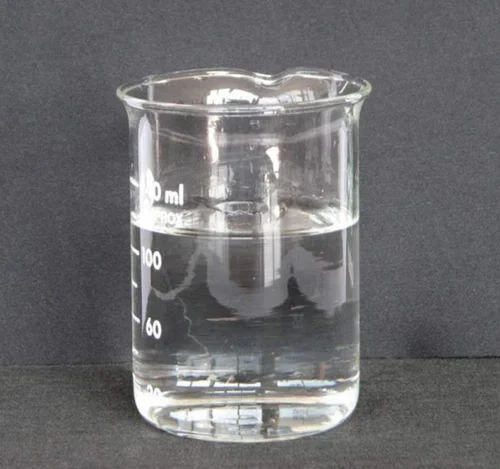
Phosphoric Acid (85%) (E338)
Found this useful?