Propylene Glycol: Industrial Applications and Procurement Considerations
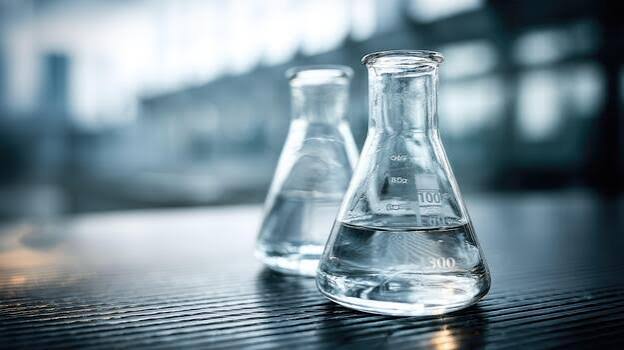
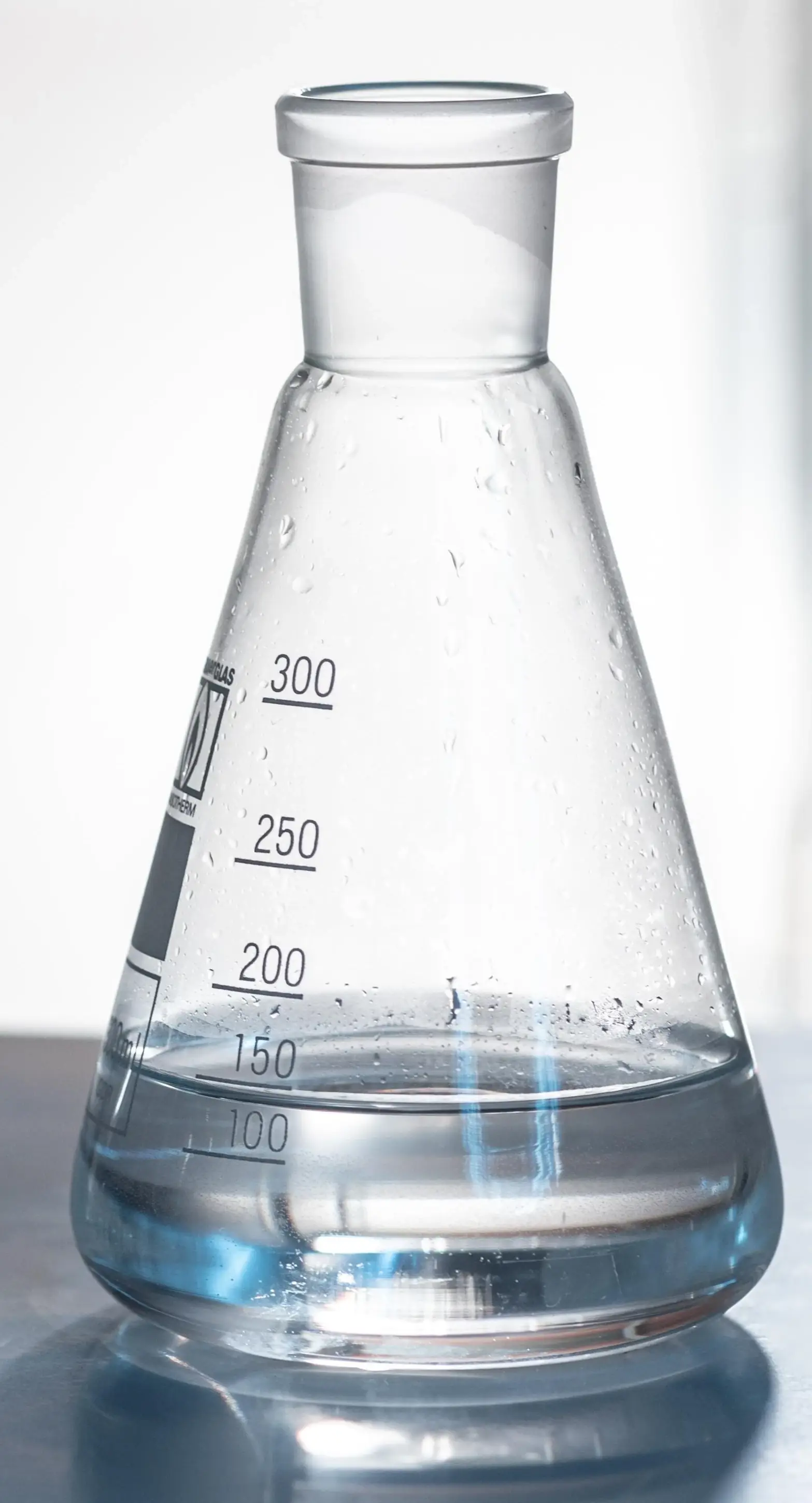
Propylene glycol (PG), also known as monopropylene glycol (MPG), is an organic compound with the chemical formula C₃H₈O₂ and CAS number 57-55-6. It is a clear, colourless, nearly odourless liquid that mixes readily with water and serves as a solvent, humectant, heat-transfer medium and chemical intermediate.
Its combination of water solubility, relatively low volatility and moisture-retaining properties makes it useful across several manufacturing industries. Producers supply different grades to meet the requirements of industrial processing, food manufacturing, pharmaceutical formulations and personal care products.
Commercial propylene glycol is primarily manufactured from propylene oxide. The production process involves hydration of propylene oxide followed by purification and separation to achieve the required product specifications.
Selecting the correct grade is essential because industrial-grade material does not automatically meet the purity and regulatory requirements for food, pharmaceutical or cosmetic applications.
Industrial Applications of Propylene Glycol
Propylene glycol supports a broad range of industrial operations. Manufacturers use it directly in finished formulations and as an intermediate in the production of other chemicals.
1. Unsaturated Polyester Resin Manufacturing
Unsaturated polyester resins (UPR) represent an important application for propylene glycol. Manufacturers use it as a chemical building block in polyester resin formulations, which are then processed into reinforced plastic products.
These resins are widely used in:
Construction materials: Fibreglass panels, roofing components and building fixtures.
Marine manufacturing: Boat hulls, decks and reinforced composite parts.
Automotive components: Lightweight moulded parts and selected structural components.
Industrial equipment: Chemical-resistant tanks, pipes and protective structures.
Consumer products: Sanitary ware, furniture components and moulded products.
The performance of the finished resin depends on formulation design, raw material quality and processing conditions. Consistent propylene glycol specifications help manufacturers maintain predictable production and product performance.
2. Antifreeze, Coolants and Heat-Transfer Fluids
Propylene glycol is used in antifreeze and coolant formulations where manufacturers require a fluid that can help control freezing and heat transfer. It is also used in selected aircraft deicing and anti-icing fluids.
Its applications include:
Industrial cooling systems
HVAC and refrigeration equipment
Heat-transfer systems
Automotive and equipment coolant formulations
Aircraft deicing and anti-icing products
Propylene glycol-based fluids are particularly relevant in systems where lower toxicity compared with ethylene glycol is an important formulation consideration. However, the finished fluid must still meet the specific performance, corrosion-control and safety requirements of its intended application.
3. Paints, Coatings and Industrial Formulations
Propylene glycol is used in paints and coatings as a solvent, carrier and formulation component. It can support ingredient compatibility and help improve freeze-thaw stability in selected water-based coating systems.
Its industrial applications include:
Water-based paints and coatings
Latex paint formulations
Printing inks and selected surface treatments
Industrial cleaners and liquid detergents
Agricultural formulation additives
Manufacturers also use propylene glycol in certain resin systems and specialty chemical formulations. Its water compatibility and solvent properties make it useful when developing products that require controlled viscosity and stable ingredient distribution.
4. Pharmaceutical and Healthcare Applications
Pharmaceutical-grade propylene glycol serves as an excipient in selected medicinal products. It can function as a solvent or carrier that helps incorporate active ingredients into liquid and topical formulations.
Common applications include:
Oral liquid medicines
Topical creams and lotions
Selected pharmaceutical solutions
Flavour and fragrance carriers
Personal care formulations
Pharmaceutical manufacturers must use material that complies with the relevant pharmacopoeial requirements, such as USP or EP. They should also assess supplier qualification, manufacturing controls and contaminant testing before approving a source.

5. Food Processing and Personal Care Products
Food-grade propylene glycol is used in selected food applications as a carrier, solvent, humectant or formulation aid. It can help dissolve and distribute flavourings, colours and other compatible ingredients.
In cosmetics and personal care products, it supports moisture retention and ingredient compatibility. Manufacturers use it in products such as:
Skin creams and moisturisers
Shampoos and conditioners
Toothpastes and mouthwashes
Fragrances and deodorant formulations
Food flavourings and selected food additives
The permitted applications and concentration limits depend on the destination market and relevant regulatory requirements. Food-grade and pharmaceutical-grade material should not be replaced with industrial-grade propylene glycol simply because the chemical name is identical.
Commercial Grades and Specification Differences
Propylene glycol is available in different commercial grades. Buyers should select a grade based on the final application rather than relying only on the product name or quoted price.
Industrial Grade (PGI): Used in unsaturated polyester resins, antifreeze, heat-transfer fluids, paints, coatings and detergents. Its specifications are designed for technical and industrial applications rather than sensitive food or pharmaceutical use.
USP/EP Grade: Produced and tested to meet applicable United States Pharmacopeia and European Pharmacopoeia requirements. It is used in approved pharmaceutical, personal care and other suitable applications, subject to the relevant regulatory standards.
Food Grade: Manufactured to meet applicable food-related specifications, which may include Food Chemicals Codex requirements. It is used in permitted food applications, including selected flavour and colour carriers.
Renewable or Bio-Based Grades: Some producers offer propylene glycol made using bio-based or bio-circular feedstocks. These products can provide an alternative sourcing option for buyers with material traceability or sustainability requirements. Certification and mass-balance claims should be verified against the supplier's documentation.
[IMAGE PLACEHOLDER 1] Dimensions: 1200 x 800 px AI Image Prompt: "Photorealistic chemical quality-control laboratory showing a technician examining a transparent sample bottle containing clear propylene glycol liquid, analytical instruments and neatly arranged laboratory glassware, modern industrial laboratory, premium commercial lighting, highly detailed, ultra-HD, 16:9 aspect ratio, no text, labels, logos, charts or watermarks."
Key Factors to Consider When Procuring Propylene Glycol
Effective procurement requires buyers to evaluate product specifications, supplier capabilities and delivery conditions. These factors become particularly important when sourcing propylene glycol for regulated applications or large-scale manufacturing.
1. Confirm the Required Grade
The first procurement decision should be based on the final application. Industrial-grade material may be suitable for resin manufacturing and heat-transfer fluids, while food and pharmaceutical applications require grades that meet their specific standards.
Buyers should clearly state whether they require industrial, food, USP or EP specifications when requesting quotations. This reduces the risk of receiving a product that does not meet the intended use.
2. Review Technical Specifications
The Certificate of Analysis (COA) should confirm that the supplied batch meets the agreed product specification. Important parameters may include:
Assay or purity: Confirms the propylene glycol content.
Water content: Indicates the moisture level in the material.
Colour and appearance: Helps identify deviations from the agreed product description.
Specific gravity: Supports consistency checks between batches.
Acidity: Helps assess suitability for the intended formulation.
Impurity profile: Particularly important for food and pharmaceutical applications.
For USP/EP-grade material, buyers should also review applicable limits for ethylene glycol and diethylene glycol. These impurities require particular attention because incorrect or contaminated glycol supplies can create serious health risks.
3. Verify Supplier Documentation and Compliance
Documentation helps buyers confirm product identity, quality and suitability. Procurement teams should request:
Certificate of Analysis (COA)
Safety Data Sheet (SDS)
Technical Data Sheet (TDS)
Applicable USP, EP or FCC compliance documentation
Manufacturing and quality-system information
Relevant food safety, halal or kosher certificates when required
For pharmaceutical and food applications, supplier qualification should also include checks on manufacturing controls, traceability and distribution practices. A certificate alone should not replace an appropriate supplier assessment.
4. Assess Packaging and Logistics
Propylene glycol is generally transported in drums, intermediate bulk containers (IBCs), tank containers and bulk tankers. The best option depends on shipment volume, destination infrastructure and storage capacity.
Buyers should consider packaging compatibility, container cleanliness, sealing, transport conditions and the supplier's ability to maintain product integrity during shipment.
For international transactions, procurement teams should also compare freight costs, insurance, customs documentation and delivery terms. These costs can materially affect the final landed price.
Storage, Handling and Safety Requirements
Propylene glycol has relatively low volatility and is widely used in industrial and consumer formulations. However, proper storage and handling remain important for maintaining product quality and preventing contamination.
Key practices include:
Store the material in clean, closed and compatible containers.
Protect storage tanks and drums from contamination and excessive moisture.
Maintain suitable ventilation in storage and handling areas.
Use appropriate protective gloves and eye protection during transfer operations.
Follow the supplier's SDS for handling, spill response and disposal procedures.
Keep food and pharmaceutical grades separate from industrial-grade materials to prevent cross-contamination.
Manufacturers should also establish procedures for tank cleaning, incoming material inspection and batch traceability. These controls help preserve product quality throughout storage and distribution.
Global Demand and Market Outlook
Propylene glycol demand is supported by several industries, including unsaturated polyester resin manufacturing, personal care, pharmaceuticals, food processing and functional fluids. Growth across these sectors creates demand from both industrial-grade and higher-purity product markets.
According to S&P Global's Chemical Economics Handbook, global consumption of propylene glycols was expected to grow by an average of approximately 2.5% to 3% annually between 2023 and 2028. The report identified mainland China, South Asia, Southeast Asia, Oceania and Central and Eastern Europe as regions expected to record stronger-than-average growth.
Several factors will influence future market development:
Industrial manufacturing: Demand for unsaturated polyester resins, coatings and functional fluids will remain connected to construction, automotive and general manufacturing activity.
Pharmaceutical and personal care production: Expanding healthcare and personal care manufacturing can support demand for higher-purity propylene glycol grades.
Food processing: Applications involving flavour carriers, formulation aids and food additives contribute to demand for compliant food-grade material.
Feedstock availability: Propylene oxide is the main conventional feedstock, making its availability and pricing important to propylene glycol production economics.
Sustainability requirements: Bio-based and bio-circular product options may attract buyers seeking alternatives with documented renewable or recycled feedstock content.
For international buyers, these developments create opportunities to diversify supply sources and negotiate suitable contracts. However, grade compliance, technical consistency and reliable delivery should remain central to supplier selection.
Conclusion: Building a Reliable Propylene Glycol Sourcing Strategy
Propylene glycol is an important chemical across industrial manufacturing, pharmaceuticals, food processing, cosmetics and functional fluid production. Its versatility makes it relevant to multiple supply chains, but its different commercial grades require careful specification and application-based selection.
Procurement teams should verify product purity, impurity limits, supplier documentation, packaging and regulatory compliance before confirming orders. Comparing suppliers on delivered cost, quality consistency and supply reliability can help manufacturers reduce procurement risks and maintain uninterrupted operations.
As demand develops across industrial and consumer markets, buyers who understand grade differences and international supply conditions will be better positioned to make informed sourcing decisions.
Mono Propylene Glycol (E1520)
Found this useful?