
Ranking Lonza's $3 Billion Capsules Sale Among 2026's Notable Life Sciences Divestitures
Lonza's $3 billion sale of its Capsules business to Lone Star Funds stands among the notable life sciences portfolio divestitures of 2026.
The transaction illustrates how major pharmaceutical and life sciences companies are reassessing non-core assets, even when those businesses remain established suppliers to important healthcare markets.
For chemical, pharmaceutical ingredient, and specialty-material buyers, the deal offers a useful example of how ownership changes can reshape investment priorities, manufacturing strategies, and supplier relationships.

Why the $3 Billion Deal Matters
The scale of Lonza's transaction makes it significant beyond the individual business being sold.
A $3 billion valuation indicates that specialized healthcare manufacturing and ingredient-related assets can continue to attract substantial investor interest when they have:
Established customer relationships
Global manufacturing infrastructure
Specialized technical capabilities
Recurring demand
Regulatory expertise
High barriers to entry
The transaction therefore provides a useful benchmark for assessing valuations across the broader life sciences manufacturing sector.
Similar portfolio-management trends can influence suppliers of Glycerin, Sorbitol, Citric Acid, Propylene Glycol, Xanthan Gum, and Sodium Benzoate, where ownership changes, manufacturing investment, capacity decisions, and supplier consolidation can affect long-term sourcing strategies.
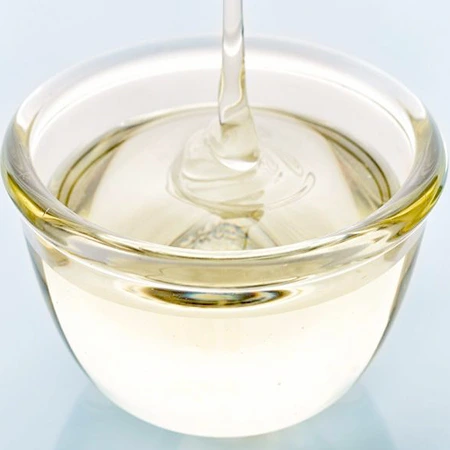
Sorbitol Liquid (E420(ii))
Lonza's Portfolio Simplification
The Capsules divestiture fits into the broader strategy of portfolio management.
Large life sciences companies increasingly evaluate businesses based on:
Strategic fit
Growth potential
Capital requirements
Margin profile
Competitive positioning
Management focus
A business can be commercially successful while still being considered non-core if management believes capital can generate stronger returns elsewhere.
This creates opportunities for financial buyers and specialized investors.
Why Lone Star's Acquisition Is Significant
The transaction also demonstrates continued private-equity interest in specialized healthcare manufacturing assets.
Financial investors can potentially create value through:
Operational improvements
Manufacturing optimization
Geographic expansion
Commercial development
Bolt-on acquisitions
Supply-chain efficiency
The separation from a large diversified parent can also allow management to focus more directly on the individual business.
Divestitures Are Reshaping Life Sciences Supply Chains
Portfolio transactions can affect more than corporate ownership.
They can influence:
Manufacturing Investment
New owners may change where capital is deployed.
Capacity Expansion
Facilities may receive additional investment if demand prospects are attractive.
Portfolio Strategy
New ownership can result in acquisitions or divestitures of related assets.
Customer Relationships
Large customers may reassess supplier concentration after ownership changes.
Geographic Footprint
Manufacturing or distribution networks may be reorganized.
For pharmaceutical and specialty ingredient buyers, these changes can be more important than the headline transaction value.
Capsules and Pharmaceutical Supply Chains
Capsules occupy an important position in pharmaceutical manufacturing.
They connect specialized material and manufacturing capabilities with finished dosage production.
The business therefore depends on:
Consistent quality
Regulatory compliance
Manufacturing reliability
Technical specifications
Customer qualification
Global distribution
Supply continuity
These characteristics make capsule manufacturing a specialized business with relatively high barriers to entry.
Ranking the Deal Against Broader 2026 Divestiture Activity
Lonza's $3 billion transaction provides a useful benchmark for comparing life sciences portfolio restructuring during 2026.
The broader pattern includes companies selling businesses that are:
Non-core
Capital intensive
Operationally complex
Better suited to specialized ownership
Potentially attractive to private-equity investors
At the same time, buyers are seeking assets with predictable demand, specialized technology, and defensible market positions.
This creates an increasingly active market for high-quality carve-outs and specialty healthcare businesses.
Relevance to Pharmaceutical Ingredients
The transaction is particularly relevant to the broader pharmaceutical ingredient ecosystem.
Pharmaceutical companies increasingly depend on specialized external suppliers for:
Excipients
Active pharmaceutical ingredients
Drug-delivery materials
Formulation components
Packaging materials
Contract manufacturing
Ownership changes among major suppliers can therefore have downstream implications for procurement strategies.

Indirect Relevance to Food Ingredients
The direct connection to food ingredients is limited, but the underlying portfolio strategy is relevant.
Food ingredient suppliers face many of the same strategic questions as life sciences manufacturers:
Which products are core?
Which assets deserve capital investment?
Which facilities should be expanded?
Which businesses should be sold?
How can specialized capabilities generate higher returns?
The same portfolio-optimization logic is increasingly visible across specialty chemicals, pharmaceutical ingredients, and food ingredients.
Competitive Intelligence
Companies tracking life sciences and specialty chemical markets should monitor divestitures for more than transaction value.
Important indicators include:
1. Buyer Type
Is the buyer a strategic chemical company, pharmaceutical group, or private-equity investor?
2. Asset Quality
Does the business have specialized technology or manufacturing capabilities?
3. Manufacturing Footprint
How many sites and regions are involved?
4. Customer Concentration
Are major pharmaceutical customers dependent on the asset?
5. Investment Plans
Will the new owner expand capacity or modernize facilities?
6. Follow-on M&A
Could the acquired company become a platform for additional acquisitions?
Procurement Considerations
Buyers should reassess supplier risk whenever a major ingredient or manufacturing business changes ownership.
Key questions include:
Will manufacturing locations remain unchanged?
Is existing capacity being maintained?
Will product specifications change?
Are quality certifications continuing?
Will lead times change?
Is the new owner planning additional investment?
Does the transaction increase or reduce supplier concentration?
Ownership changes can ultimately create either greater supply resilience or additional uncertainty.
Products Relevant to This Trend
The broader life sciences portfolio restructuring trend can be linked to food and specialty ingredients such as:
Glycerin
Sorbitol
Citric Acid
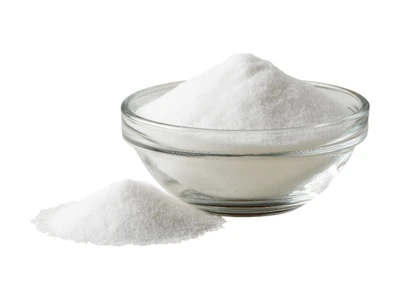
Citric Acid Anhydrous (E330)
Propylene Glycol
Xanthan Gum
Sodium Benzoate
These products also sit within global supply chains where manufacturing ownership, capacity investment, regulatory compliance, and supplier diversification can affect long-term sourcing decisions.
Looking Ahead
Lonza's $3 billion Capsules sale provides a strong benchmark for the scale of life sciences divestiture activity in 2026.
The transaction highlights a broader shift toward portfolio specialization, with large companies concentrating on core businesses while financial investors and specialized operators acquire established assets with defensible demand and technical capabilities.
For procurement teams, the key lesson is that an acquisition or divestiture is not simply a corporate-finance event.
Changes in ownership can influence capacity investment, manufacturing strategy, product portfolios, geographic footprints, and supplier relationships.
Monitoring these changes alongside pricing and capacity data can therefore provide an important early-warning signal for future supply-chain developments.
Key Takeaways
Lonza's Capsules business was sold to Lone Star Funds for $3 billion.
The transaction ranks among the notable life sciences divestitures of 2026.
The deal demonstrates continued investor interest in specialized healthcare manufacturing assets.
Portfolio simplification can release capital for a parent company's core businesses.
New ownership can change investment priorities, manufacturing strategy, and M&A activity.
Pharmaceutical and specialty ingredient buyers should monitor ownership changes alongside capacity and pricing.
The same portfolio-management logic increasingly applies across pharmaceutical, specialty chemical, and food ingredient markets.
Found this useful?