Rubber Accelerators: Applications in Tyre and Rubber Production
Understanding Rubber Accelerators in Rubber Manufacturing
Rubber accelerators are essential chemical additives used in the rubber industry to improve the vulcanization process. They increase the speed of chemical reactions between rubber polymers and vulcanizing agents, particularly sulfur, allowing manufacturers to produce rubber products more efficiently. By controlling curing time and temperature, these chemicals help achieve the desired physical and mechanical properties in finished rubber materials.
In modern manufacturing, rubber accelerators are widely used in tyre production, automotive components, industrial rubber goods, footwear, conveyor belts, hoses and sealing products. Their importance comes from their ability to improve production efficiency while maintaining product quality, consistency and durability.
The selection of an appropriate accelerator depends on the rubber formulation, processing conditions, required curing speed and the performance characteristics of the final product.
How Rubber Accelerators Work
Rubber accelerators primarily function by increasing the rate of vulcanization, a chemical process that creates cross-links between rubber polymer chains. These cross-links improve the elasticity, strength, heat resistance and structural stability of rubber.
During conventional sulfur vulcanization, untreated rubber requires considerable time and heat to develop the necessary cross-linked structure. Accelerators help reduce curing time and optimize the overall manufacturing process.
Key Functions of Rubber Accelerators
Faster vulcanization: Reduce the time required for rubber curing and improve manufacturing productivity.
Improved mechanical strength: Help develop the cross-linked structure responsible for tensile strength and elasticity.
Enhanced durability: Improve resistance to wear, deformation and mechanical stress when properly formulated.
Better processing efficiency: Support consistent curing conditions and reduce unnecessary production delays.
Controlled curing characteristics: Allow manufacturers to select curing rates according to specific product requirements.
Types of Rubber Accelerators Used in Industrial Production
Different accelerator groups provide different curing characteristics. Manufacturers select them according to the rubber compound, production equipment and required product performance.
1. Thiazole Accelerators
Thiazole accelerators are commonly used in general-purpose rubber manufacturing because they offer a balanced combination of curing speed, processing safety and mechanical performance.
Examples include:
MBT (2-Mercaptobenzothiazole)
MBTS (Dibenzothiazole Disulfide)
These accelerators are used in tyre components, footwear, hoses, belts and various molded rubber products. MBTS is particularly useful in formulations requiring a relatively controlled curing process.
2. Sulfenamide Accelerators
Sulfenamide accelerators are widely used in tyre manufacturing because they provide delayed-action characteristics. This allows rubber compounds to remain workable during mixing and shaping before vulcanization begins.
Common examples include:
CBS (N-Cyclohexyl-2-benzothiazolesulfenamide)
TBBS (N-tert-Butyl-2-benzothiazolesulfenamide)
DCBS (N,N-Dicyclohexyl-2-benzothiazolesulfenamide)
Their delayed-action properties help reduce the risk of premature vulcanization, also known as scorch, during processing.
3. Thiuram Accelerators
Thiuram accelerators provide fast curing and are often used in combination with other accelerator systems. Certain thiurams can also act as sulfur donors, depending on the formulation.
Examples include TMTD (Tetramethylthiuram Disulfide) and TETD (Tetraethylthiuram Disulfide).
They are used in applications where rapid vulcanization and specific cross-linking characteristics are required.
4. Dithiocarbamate Accelerators
Dithiocarbamate accelerators are known for their very high activity and fast curing characteristics. They are particularly useful in manufacturing processes that require rapid vulcanization.
Common examples include:
ZDEC (Zinc Diethyl Dithiocarbamate)
ZDBC (Zinc Dibutyl Dithiocarbamate)
ZDMC (Zinc Dimethyl Dithiocarbamate)
These accelerators are used in selected rubber products, including latex-based goods and specialty rubber formulations.
Applications of Rubber Accelerators in Tyre Production
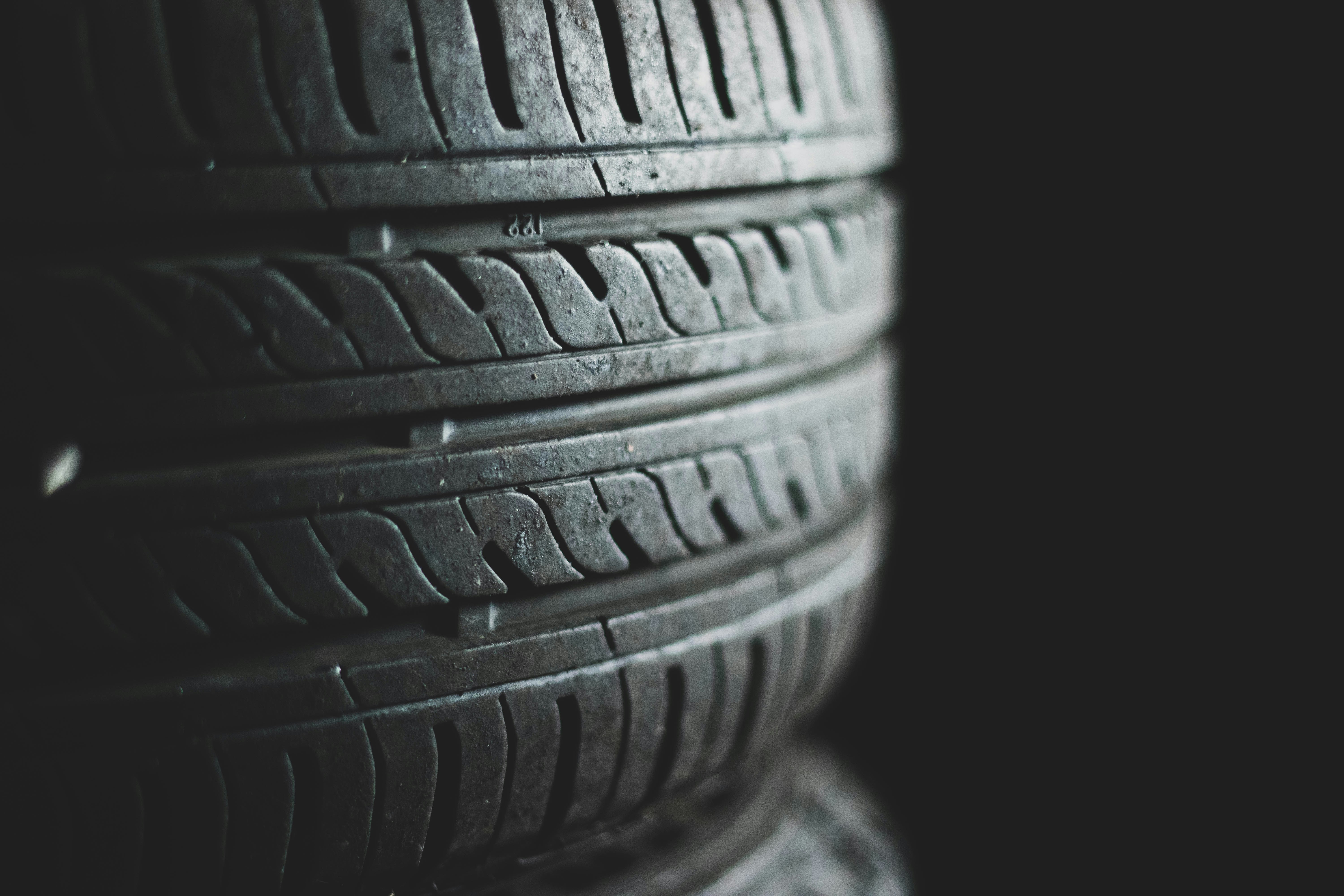
Tyre manufacturing is one of the most important applications of rubber accelerators. Modern tyres contain multiple rubber compounds designed to provide traction, flexibility, load-bearing capacity and resistance to heat and wear.
Accelerators help manufacturers control the vulcanization of these different rubber components, ensuring that each part develops the properties required for its intended function.
1. Tread Compound Manufacturing
The tyre tread is responsible for road contact, traction and resistance to abrasion. Rubber accelerators help develop the cross-linked structure needed to maintain tread strength and durability.
Appropriate accelerator systems support the balance between wear resistance, flexibility and performance under different operating conditions.
2. Sidewall Production
Tyre sidewalls experience continuous flexing, environmental exposure and mechanical stress. Accelerator systems help improve the elasticity and resistance to repeated deformation required for reliable sidewall performance.
3. Inner Liners and Rubber Components
Inner liners help maintain tyre air pressure, while other rubber components provide sealing, cushioning and structural support. Proper vulcanization is important for maintaining their flexibility, integrity and long-term performance.
4. Tyre Curing and Manufacturing Efficiency
During tyre production, the assembled tyre is placed in a curing press where controlled heat and pressure are applied. Rubber accelerators help optimize the curing process, supporting consistent vulcanization throughout the tyre structure.
A well-designed accelerator system can reduce curing time, improve production efficiency and contribute to consistent product quality.
Applications Beyond Tyre Manufacturing
Although tyre production represents a major application, rubber accelerators are also important in several other industrial sectors.
Automotive Rubber Components
Automotive manufacturers use accelerated rubber compounds for engine mounts, gaskets, seals, suspension components, vibration dampers and hoses. These products require resistance to heat, mechanical stress and environmental exposure.
Industrial Hoses and Conveyor Belts
Rubber hoses and conveyor belts operate under demanding industrial conditions. Accelerators help develop the mechanical strength, flexibility and abrasion resistance required for continuous operation.
Footwear and Consumer Rubber Products
In footwear production, rubber accelerators support the vulcanization of soles and other rubber components. They help improve flexibility, strength and resistance to everyday wear.
Industrial Seals and Gaskets
Seals and gaskets require consistent dimensions, elasticity and resistance to compression. Proper accelerator selection helps manufacturers achieve the required curing characteristics and physical properties.
Factors to Consider When Selecting Rubber Accelerators
Choosing the right rubber accelerator is important for achieving consistent product quality and efficient production.
Manufacturers generally evaluate several factors before selecting an accelerator system:
Curing speed: The accelerator must match the required vulcanization time and processing temperature.
Scorch safety: Sufficient processing time is necessary to prevent premature curing during mixing, extrusion and molding.
Rubber compatibility: The accelerator should be suitable for the polymer system, such as natural rubber, SBR, BR or NBR.
Mechanical properties: The selected system should support the required tensile strength, elasticity, hardness and abrasion resistance.
Processing conditions: Mixing temperature, equipment design and production methods influence accelerator selection.
Regulatory requirements: Chemical safety, workplace exposure and applicable environmental regulations must be considered.
Manufacturers also evaluate accelerator combinations because blends of primary and secondary accelerators can provide better control over curing behavior than individual chemicals alone.
Safety and Environmental Considerations
Rubber accelerator selection increasingly involves considerations beyond curing performance. Certain accelerator chemicals and their reaction products may present occupational health or environmental concerns.
For example, some dithiocarbamate and thiuram compounds require careful handling, while certain benzothiazole-based accelerators have attracted attention because of their environmental presence and potential effects.
Manufacturers should follow supplier safety data sheets, use appropriate personal protective equipment, maintain adequate ventilation and implement proper chemical storage and handling procedures.
There is also growing interest in developing safer accelerator systems, reducing chemical emissions and improving the environmental profile of rubber manufacturing. These developments are particularly relevant to tyre producers and manufacturers supplying automotive and industrial markets.
Future Trends in Rubber Accelerator Technology
The rubber industry continues to focus on improving manufacturing efficiency, product durability and environmental performance. These priorities are influencing the development and selection of accelerator technologies.
Some important areas of development include:
Safer chemical formulations: Greater attention to accelerator systems with improved occupational and environmental profiles.
Optimized curing systems: Formulations designed to balance processing safety, curing speed and final product performance.
Energy-efficient manufacturing: Reducing vulcanization time and optimizing curing temperatures to support lower energy consumption.
Advanced tyre compounds: Developing accelerator combinations suited to high-performance tyres and changing automotive requirements.
Sustainable rubber production: Improving chemical management, reducing waste and supporting more responsible manufacturing practices.
As tyre technology and industrial rubber applications evolve, rubber accelerators will remain important ingredients in achieving reliable and efficient vulcanization processes.
Sources and Further Reading
General-Purpose Polystyrene (GPPS)
Found this useful?