Rubber Antioxidants: Uses and Benefits in Industrial Manufacturing
Rubber products face continuous exposure to environmental and operating conditions that can reduce their strength, flexibility and service life. Heat, oxygen, ozone, sunlight and repeated mechanical stress gradually affect rubber materials, making protection against degradation an important part of industrial manufacturing.
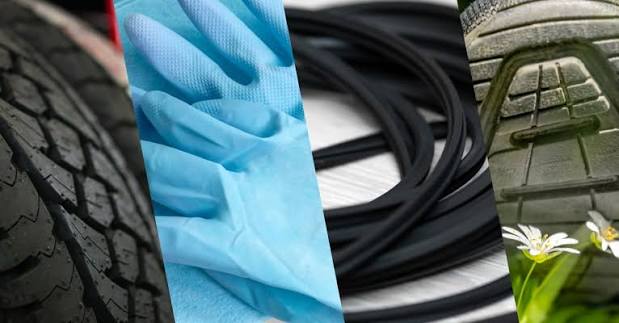
Rubber antioxidants help manufacturers maintain product quality by slowing oxidation and other chemical reactions that damage rubber polymers. These additives play an important role in tyre production, automotive components, industrial hoses, conveyor belts, footwear and various rubber-based products.
For chemical buyers and procurement managers, selecting the right antioxidant involves more than comparing prices. Manufacturers must consider rubber compatibility, processing conditions, protection requirements and the expected service environment to achieve consistent product performance.
What Are Rubber Antioxidants and How Do They Work?
Rubber antioxidants are chemical additives that protect rubber compounds against oxidative degradation. They slow reactions between oxygen and rubber molecules, helping manufacturers preserve the material's physical and mechanical properties during processing, storage and use.
Rubber contains polymer chains that can deteriorate when exposed to heat, oxygen and other environmental factors. Oxidation can cause chain breakdown or excessive crosslinking, depending on the rubber formulation and exposure conditions.
Both processes can change the original properties of rubber. Products may become brittle, lose elasticity, develop surface cracks or experience reduced tensile strength.
The Role of Antioxidants in Rubber Protection
Antioxidants interrupt or slow the chemical reactions responsible for rubber deterioration. Different antioxidant families use different mechanisms to protect rubber compounds.
Their main functions include:
Oxidation control: They slow reactions between oxygen and rubber polymers, reducing premature material deterioration.
Heat resistance: They help rubber compounds withstand elevated temperatures during manufacturing and operation.
Flexibility retention: They reduce chemical degradation that can contribute to hardening and loss of elasticity.
Service life improvement: They help maintain product performance under demanding operating conditions.
Processing protection: They protect rubber compounds against degradation during mixing, curing and subsequent processing stages.
The effectiveness of an antioxidant depends on the rubber polymer, formulation, concentration and operating environment.
Major Types of Rubber Antioxidants
Manufacturers select antioxidants according to the required protection level, rubber type and final application. The two major chemical families are amine-based and phenolic antioxidants.
Amine-Based Antioxidants
Amine antioxidants provide strong protection against oxidation and often suit demanding industrial rubber applications. They commonly appear in tyre compounds, conveyor belts, heavy-duty hoses and other products that experience heat and mechanical stress.
Common examples include:
TMQ (Polymerized 2,2,4-Trimethyl-1,2-Dihydroquinoline): A widely used antioxidant in tyre and general rubber manufacturing. It provides protection against thermal and oxidative ageing.
6PPD (N-(1,3-Dimethylbutyl)-N'-phenyl-p-phenylenediamine): Provides antioxidant and antiozonant protection, particularly in tyre compounds and other rubber products exposed to ozone.
IPPD (N-Isopropyl-N'-phenyl-p-phenylenediamine): Helps protect rubber against ozone-related cracking and oxidative deterioration in demanding applications.
Amine antioxidants often deliver strong protection, but manufacturers must consider staining and discolouration. These characteristics can limit their suitability for light-coloured rubber products.
Phenolic Antioxidants
Phenolic antioxidants provide oxidation protection without the strong staining characteristics associated with many amine-based products. Manufacturers frequently consider them for light-coloured rubber compounds and applications where appearance matters.
Common examples include:
BHT (Butylated Hydroxytoluene): A phenolic antioxidant used in various polymer and rubber formulations to slow oxidative degradation.
Hindered Phenolic Antioxidants: These compounds help control oxidation and support long-term material stability.
Polymeric Phenolic Antioxidants: These additives can provide longer-lasting protection in selected rubber formulations.
Phenolic antioxidants generally suit applications where manufacturers need to maintain product colour and appearance. However, their performance varies with polymer chemistry and processing conditions.
Industrial Applications of Rubber Antioxidants
Rubber antioxidants support several manufacturing industries because rubber products often operate under demanding environmental and mechanical conditions. Their selection directly affects product durability and the consistency of finished materials.
Tyre and Automotive Manufacturing
Tyre manufacturers use antioxidants to protect rubber compounds against heat, oxygen and environmental exposure.
Tyres experience continuous friction, temperature changes, mechanical deformation and exposure to sunlight. These conditions can accelerate rubber ageing and reduce the performance of tyre components.
Antioxidants help protect tread compounds, sidewalls and other rubber components against oxidative deterioration. Antiozonants such as 6PPD also help prevent ozone-related surface cracking.
Automotive manufacturers use antioxidant-protected rubber in several other components, including:
Engine mounts and vibration dampers.
Seals and gaskets.
Radiator and coolant hoses.
Suspension components.
Fuel and fluid handling systems.
Conveyor Belts and Industrial Hoses
Mining, construction, manufacturing and material-handling industries depend on rubber conveyor belts and industrial hoses. These products face continuous mechanical stress, temperature fluctuations and exposure to industrial environments.
Antioxidants help maintain rubber flexibility and reduce degradation during extended operation. Proper protection supports product reliability and can reduce premature replacement requirements.
Footwear and Consumer Rubber Products
Footwear manufacturers use rubber compounds in soles, outsoles and other flexible components. These products require resistance to ageing, cracking and changes in physical properties.
Antioxidants help maintain flexibility and material stability during storage and everyday use. Manufacturers must also consider colour requirements because staining antioxidants may affect the appearance of finished footwear.
Electrical and Industrial Rubber Components
Rubber insulation, protective coverings and industrial seals require stable physical properties throughout their service life. Antioxidants help reduce oxidative damage that could affect flexibility and mechanical performance.
Manufacturers select suitable additives according to the polymer system, operating temperature and environmental exposure.
How Manufacturers Select the Right Rubber Antioxidant
Choosing an antioxidant requires manufacturers to evaluate the complete rubber formulation rather than focusing on one additive. Different polymers respond differently to antioxidant chemicals, so the same product may not deliver identical results across all rubber compounds.
Compatibility With Rubber Polymers
Natural rubber (NR), styrene-butadiene rubber (SBR), nitrile butadiene rubber (NBR) and ethylene propylene diene monomer (EPDM) have different ageing characteristics.
Manufacturers should consider:
Natural rubber: Requires protection against oxidative ageing and environmental exposure, particularly in tyres and mechanical rubber goods.
SBR: Commonly used in tyre manufacturing and requires suitable protection against heat and oxidation.
NBR: Used in oil-resistant seals, gaskets and hoses, where thermal stability and chemical compatibility matter.
EPDM: Often used in outdoor applications, automotive seals and weather-resistant components where ozone and environmental exposure require attention.
Staining and Product Appearance
Antioxidant selection also depends on the final product's colour and appearance. Amine-based antioxidants such as TMQ and 6PPD generally provide strong protection but can cause staining or discolouration.
Phenolic antioxidants offer non-staining alternatives for applications involving light-coloured rubber. Manufacturers should evaluate colour stability alongside ageing performance before approving a formulation.
Processing Conditions and Dosage
Mixing temperature, curing conditions and processing time influence antioxidant performance. Manufacturers must select additives that remain compatible with the production process and provide adequate protection without affecting vulcanisation or other formulation characteristics.
Excessive or insufficient antioxidant levels can create formulation problems. Laboratory trials and ageing tests help determine an appropriate dosage for each rubber compound.
Rubber Antioxidant Procurement and Quality Control
For chemical distributors, importers and industrial buyers, purchasing rubber antioxidants requires attention to product specifications, consistency and supplier reliability. Variations in chemical quality can affect production performance and create difficulties when manufacturers need to maintain consistent rubber formulations.
Important Purchasing Specifications
Before placing bulk orders, procurement teams should evaluate:
Chemical identity: Confirm the exact antioxidant type, chemical name and grade.
Purity: Review the manufacturer's stated purity and applicable specification limits.
Physical form: Check whether the material comes as powder, granules, pellets or another suitable form.
Moisture content: Verify moisture limits because excessive moisture can affect handling and processing.
Ash content: Review inorganic residue levels where relevant to the product specification.
Packaging: Confirm moisture-resistant packaging and suitable storage conditions.
Documentation: Request a Certificate of Analysis (COA), Safety Data Sheet (SDS) and relevant technical documentation.
Buyers should compare supplier specifications against their own approved formulation requirements rather than relying on product names alone.
Supplier Reliability and Bulk Purchasing
Consistent supply is particularly important for tyre manufacturers and large rubber-processing facilities. A change in antioxidant grade or quality can require formulation adjustments and additional production testing.
Procurement teams should assess supplier manufacturing capabilities, batch consistency, export experience and delivery reliability. They should also confirm whether the supplier can maintain consistent specifications across repeated shipments.
For international buyers, additional considerations include:
Minimum order quantities and bulk availability.
Lead times and shipping arrangements.
Packaging suitability for long-distance transportation.
Export documentation and product traceability.
Availability of technical support for formulation requirements.
Environmental Considerations and Industry Developments
The rubber chemical industry increasingly evaluates the environmental impact of additives used in large-scale manufacturing. Antioxidants improve product durability, but manufacturers must also understand what happens when these chemicals react with environmental substances or enter waste streams.
Environmental Concerns Associated With 6PPD
6PPD has an important role in tyre manufacturing because it protects rubber against ozone and oxidative damage. However, researchers have identified environmental concerns associated with its transformation product, 6PPD-quinone.
When 6PPD reacts with atmospheric ozone, it can form 6PPD-quinone. Tyre wear particles can carry this transformation product into road dust and stormwater runoff.
The US Environmental Protection Agency (EPA) has developed an action plan addressing 6PPD and 6PPD-quinone. Its work focuses on improving scientific understanding, evaluating environmental impacts and supporting the development of effective interventions.
US EPA+1
This issue has encouraged greater interest in alternative antiozonants and improved approaches to rubber formulation.
Development of Alternative Antioxidants
Manufacturers and researchers continue to investigate alternative protective chemicals that can deliver suitable rubber performance with improved environmental characteristics.
However, replacing established additives requires extensive evaluation. Alternative materials must provide appropriate ozone resistance, oxidation protection, migration behaviour and compatibility with existing rubber formulations.
Manufacturers cannot select alternatives based on environmental considerations alone. They must also confirm that the replacement maintains product durability, processing consistency and safety performance.
Storage, Handling and Compliance
Rubber antioxidants require suitable storage and handling practices to maintain their quality. Procurement teams should follow the supplier's SDS instructions and applicable workplace chemical safety requirements.
Important considerations include:
Store products in sealed packaging under recommended temperature and humidity conditions.
Protect materials from direct sunlight and excessive heat.
Prevent contamination during storage and handling.
Maintain clear batch identification and inventory records.
Follow appropriate protective equipment and workplace handling procedures.
Importers should also check applicable chemical registration, transport, labelling and documentation requirements in their destination markets.
Key Considerations for Global Rubber Chemical Buyers
Demand for rubber antioxidants remains closely connected to tyre production, automotive manufacturing, industrial equipment and general rubber goods. Manufacturers need additives that support product durability while meeting changing performance and environmental expectations.
For procurement professionals, several priorities deserve attention when sourcing these chemicals:
Prioritise consistent quality: Select suppliers that maintain reliable chemical specifications across production batches.
Match additives to applications: Evaluate whether the antioxidant suits the rubber polymer, operating temperature and environmental exposure.
Check technical documentation: Review COAs, SDS documents and product specifications before confirming orders.
Evaluate long-term supply: Consider supplier capacity, delivery schedules and the availability of alternative sourcing channels.
Monitor environmental developments: Follow research and regulatory developments surrounding 6PPD and other rubber additives.
Test before large purchases: Conduct laboratory and production trials to confirm compatibility and performance.
Rubber antioxidants remain essential additives for manufacturers seeking to maintain the durability, flexibility and reliability of rubber products. As the industry develops new formulations and evaluates environmental concerns, buyers will need to balance technical performance, chemical quality and responsible sourcing.
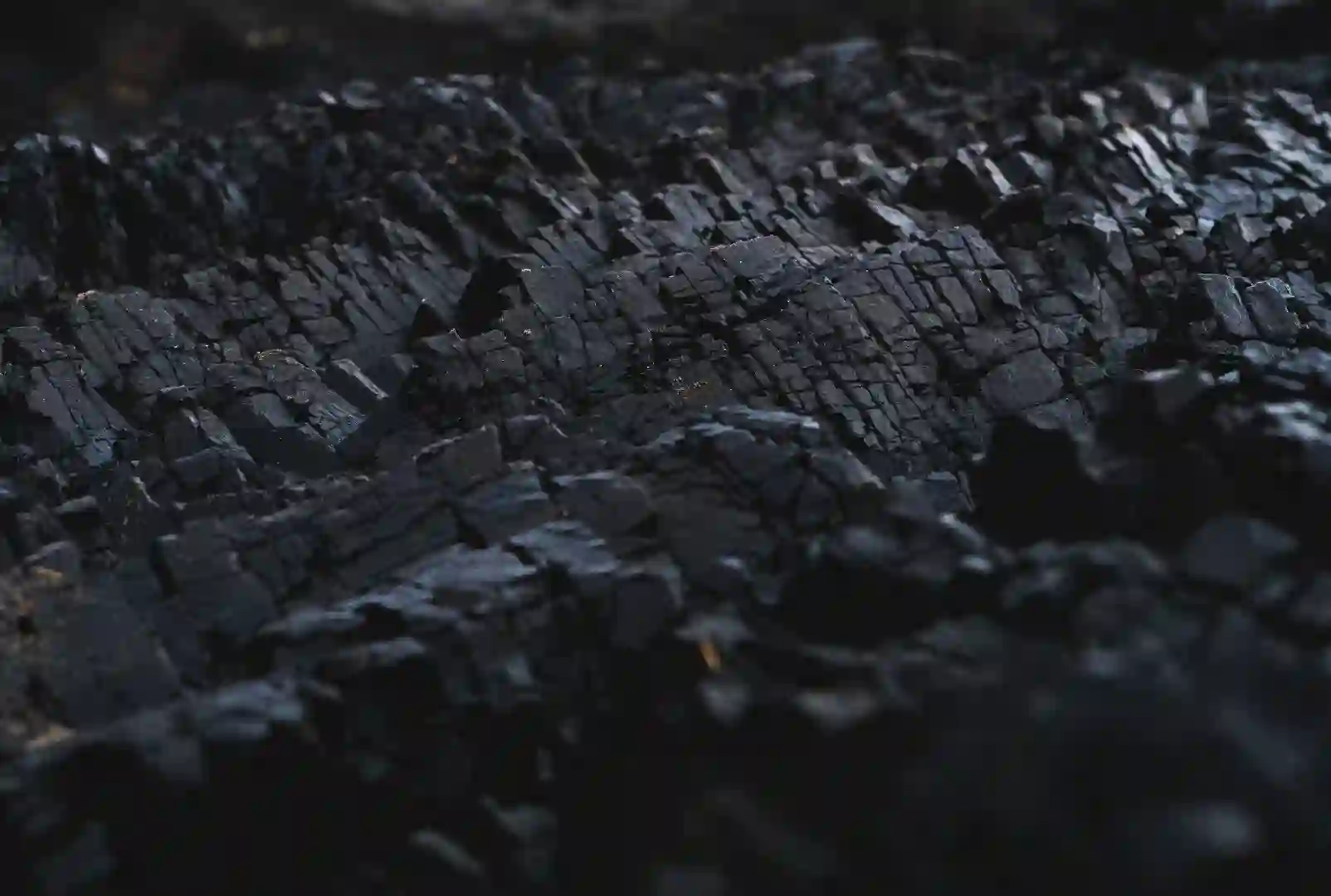
Carbon Black (N330) - China
Found this useful?