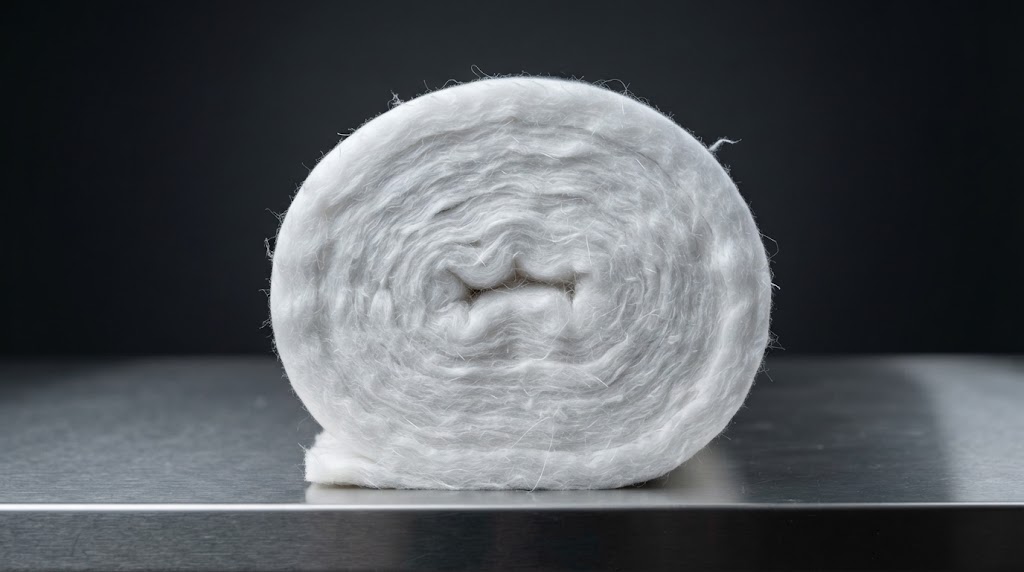
Saint-Gobain Finalizes Sale of Its Textile and Insulation Business
The global construction and materials sector is undergoing a significant restructuring as Saint-Gobain finalizes the sale of its textile and insulation business. This transaction marks a pivotal moment in the company’s broader portfolio realignment strategy. The divestiture allows Saint-Gobain to focus resources on high-growth areas such as lightweight construction and sustainable building solutions. Procurement managers and chemical traders must assess the implications of this corporate shift. It alters the competitive landscape for insulation materials and related textile chemicals. Buyers relying on these products need to understand how ownership changes affect supply stability and innovation pipelines. The move reflects a wider industry trend toward specialization and operational efficiency. Ignoring this development could lead to unexpected disruptions in sourcing strategies. Strategic preparation is essential for navigating the evolving dynamics of the construction materials market.
Understanding the Portfolio Realignment Strategy
Saint-Gobain’s decision to sell its textile and insulation division stems from a desire to streamline operations. The company aims to concentrate on core competencies that offer higher margins and growth potential. This strategic focus includes advanced glass solutions and high-performance ceramics.
The textile and insulation business, while profitable, operates in a mature market with different dynamics. Divesting this unit allows Saint-Gobain to unlock value for shareholders. It also provides the acquired entity with the autonomy to pursue its own growth agenda.
For buyers, this separation means dealing with a more focused supplier base. The new owner may invest heavily in modernizing production facilities. This investment can lead to improved product quality and service levels. Procurement teams should monitor the transition closely to ensure continuity of supply.
Impact on Insulation Material Supply Chains
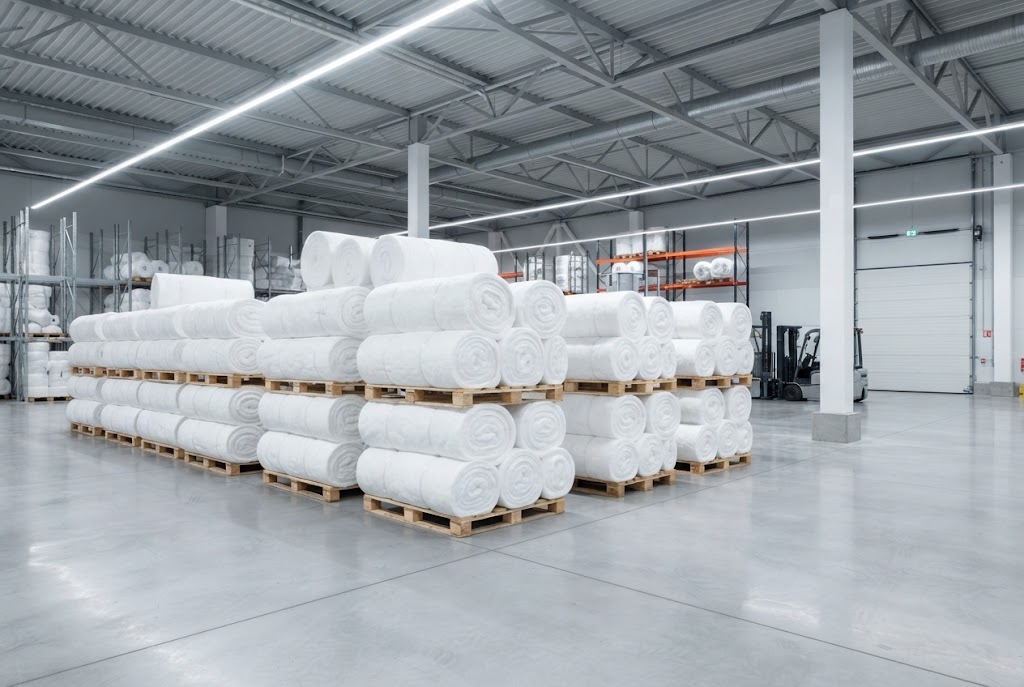
The sale will likely reshape the supply chain for thermal and acoustic insulation products. The new owner may introduce different sourcing policies and vendor relationships. Suppliers of raw materials such as glass fibers and binders may see changes in demand patterns.
Procurement teams sourcing insulation materials should anticipate potential shifts in pricing and availability. Early engagement with the new entity helps mitigate risks. Understanding their strategic priorities allows buyers to align their own sourcing goals.
Potential for increased innovation in sustainable insulation technologies. New ownership often drives investment in green products.
Changes in logistics and distribution networks. The new owner may optimize routes for greater efficiency.
Revised contract terms and service level agreements. Buyers should review existing contracts for change-of-control clauses.
These changes require proactive management from procurement professionals. Building relationships with key stakeholders in the new organization is crucial. It ensures smooth transitions and minimizes operational disruptions.
Role of Textile Chemicals in Insulation Production
Textile chemicals play a vital role in the manufacturing of insulation materials. Binders, sizing agents and fire retardants are essential for product performance. The sale of the business may affect the demand for these specialized chemicals.
Suppliers of textile chemicals must adapt to the new owner’s requirements. They may face stricter quality standards or sustainability criteria. Procurement teams should verify that their chemical suppliers can meet these evolving needs.
The new entity may seek to reduce its environmental footprint. This goal drives demand for bio-based and non-toxic chemical inputs. Buyers should prioritize suppliers who offer sustainable alternatives. Certifications such as REACH compliance and eco-labels become important selection criteria.
Sustainability Drivers in Construction Materials
Sustainability is a major driver behind Saint-Gobain’s strategic shift. The construction industry faces increasing pressure to reduce carbon emissions. Insulation plays a critical role in improving building energy efficiency.
The new owner of the textile and insulation business will likely emphasize green products. This focus aligns with global regulatory trends and consumer preferences. Buyers benefit from access to innovative materials that support net-zero goals.
Procurement teams should evaluate the carbon footprint of their insulation supplies. Choosing low-embodied carbon products helps companies meet their sustainability targets. Partnerships with suppliers who prioritize environmental stewardship enhance brand reputation.
Circular economy principles are also gaining traction. Recyclable insulation materials reduce waste and resource consumption. Buyers should explore options for end-of-life product management. This holistic approach supports long-term sustainability objectives.
Market Outlook for Specialized Insulation Solutions
The market for high-performance insulation is projected to grow steadily. Energy efficiency regulations drive demand for advanced thermal barriers. The divested business is well-positioned to capitalize on this trend under new leadership.
Innovation will focus on thinner and more effective materials. Nanotechnology and advanced fiber engineering enable superior performance. Buyers should stay informed about emerging technologies and product launches. Partnering with innovative suppliers provides access to cutting-edge solutions.
Price stability may improve as the new owner optimizes operations. However, raw material volatility remains a risk. Flexible contracting strategies help manage these fluctuations. Monitoring global market trends enables proactive decision-making for procurement teams.
Navigating the Transition Period
The immediate aftermath of a major divestiture involves operational adjustments. Customers may experience changes in account management or support channels. Proactive communication with suppliers helps mitigate any disruptions.
It is essential to verify which entity handles specific product lines. Insulation products will now be sourced from the new independent company. Textile chemicals may remain with existing suppliers or shift to new vendors. Clear distinction prevents ordering errors and delays.
Long-term contracts should be reviewed for change-of-control clauses. Legal teams must ensure that service level agreements remain valid post-sale. Most large industrial suppliers have robust transition plans to maintain continuity.
What Buyers Should Do Now
Review your current supply base for insulation and textile chemical products. Identify items sourced from the divested Saint-Gobain business. Update your vendor records to reflect the new ownership structure.
Engage with your account representatives to understand any changes in service offerings. Discuss future roadmaps for sustainable insulation technologies. Aligning your procurement strategy with the new owner’s focus can yield significant benefits.
Consider leveraging the new entity’s expertise in energy efficiency. Explore opportunities to improve building performance through advanced insulation. The specialized structure offers a clearer path to achieving sustainability goals.
Ready to source Textile Chemicals from verified global suppliers? Explore competitive offers on our platform today.
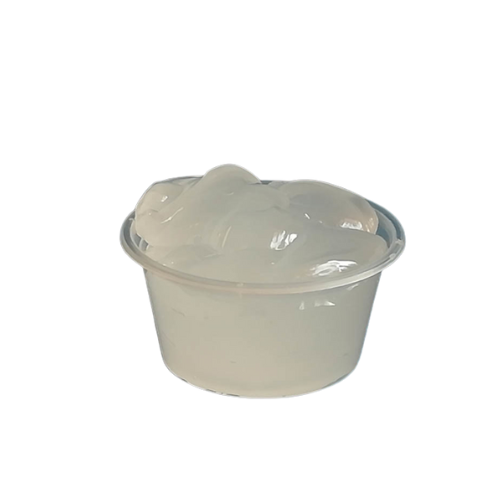
Sodium Lauryl Ether Sulfate (1EO 70%)
Found this useful?