South Africa Chemical Market: Industrial Demand and Regional Trade Opportunities in 2026
South Africa's chemical industry generates up to R1 trillion in output, contributes approximately 2.4% of national GDP and directly employs more than 182,000 people. These figures underline the country's importance as a chemical manufacturing and distribution centre for the African continent.
The South Africa chemical market supports a broad industrial network covering petrochemicals, mining, agriculture, plastics, pharmaceuticals and specialty chemicals. Its established manufacturing base, mineral resources and access to regional markets create opportunities for international suppliers, importers and chemical distributors. However, infrastructure limitations, import dependency and changing industrial demand continue to influence sourcing decisions in 2026.
For chemical traders and procurement managers, understanding these market conditions can help identify profitable supply channels, develop regional partnerships and strengthen long-term purchasing strategies.
South Africa's Chemical Industry and Its Industrial Importance
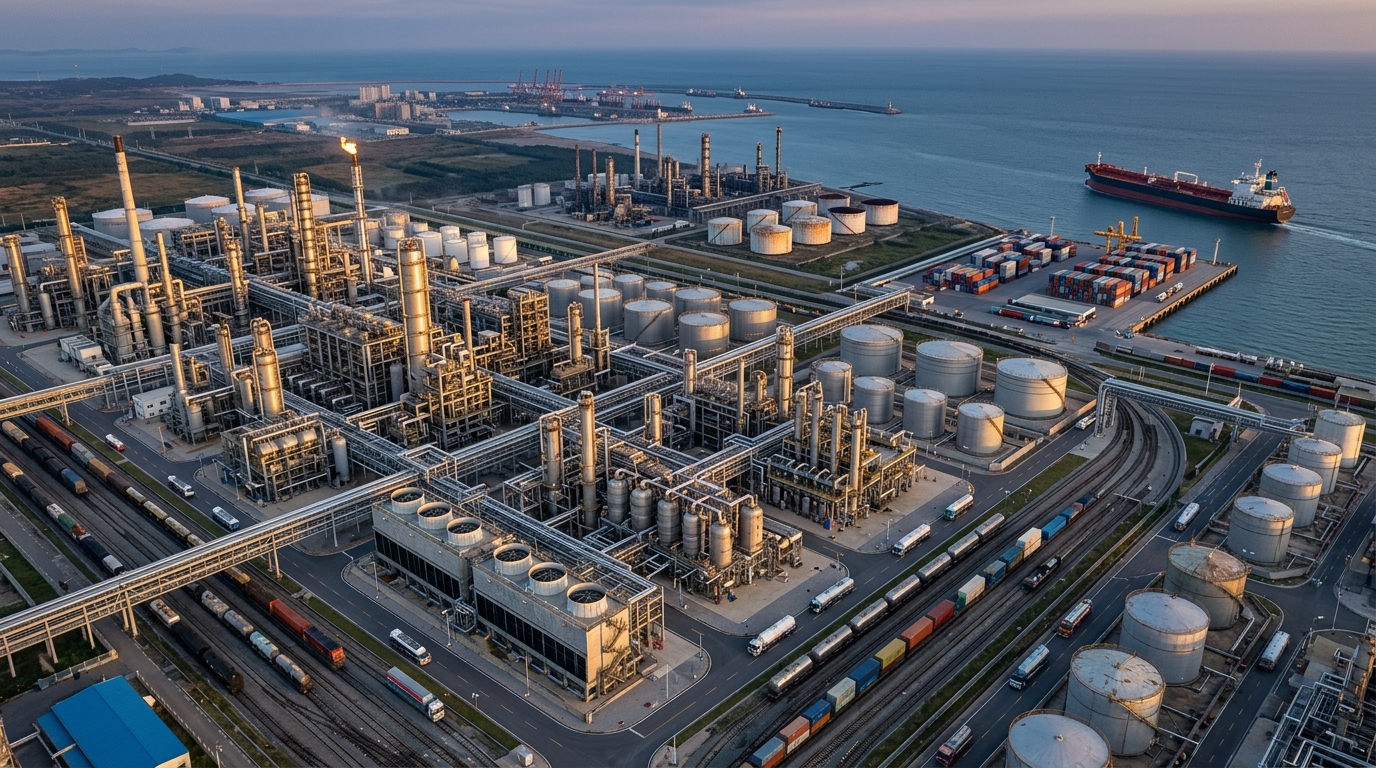
South Africa has one of Africa's most developed and diversified chemical industries. The sector produces approximately 600 types of chemicals and covers activities ranging from basic chemical manufacturing and petrochemicals to plastics fabrication, pharmaceutical production and industrial formulations.
Petrochemicals account for approximately 55% of locally produced chemicals, reflecting the importance of the country's established energy and chemical processing infrastructure. Major industrial companies, including Sasol, AECI, Omnia, BASF and Dow, contribute to the manufacturing and supply ecosystem.
The country's chemical production network has several established industrial centres:
Gauteng: A major centre for chemical distribution, industrial manufacturing and downstream processing, supported by Johannesburg and surrounding commercial areas.
Sasolburg and the Vaal Triangle: Important petrochemical and chemical manufacturing locations with established industrial infrastructure.
Durban and KwaZulu-Natal: Strategic locations for chemical manufacturing, storage and international trade because of their industrial base and port access.
Eastern Cape: Supports automotive manufacturing, industrial processing and related chemical requirements.
Mossel Bay: An established location associated with gas processing and chemical production activities.
This geographical distribution gives suppliers several entry points into the domestic market. It also allows distributors to serve customers across different industrial regions without depending on a single manufacturing centre.
Industrial Demand Across Mining, Agriculture and Manufacturing
Chemical consumption in South Africa reflects the needs of its major productive industries. Mining, agriculture, food processing and manufacturing create demand for different chemical categories, giving suppliers opportunities to develop specialised product portfolios.
Mining and mineral processing
Mining remains an important source of industrial chemical demand. South Africa's production of platinum group metals, gold, manganese, chromium and other minerals requires chemicals for mineral extraction, separation, flotation, water treatment and processing.
Products with commercial relevance include:
Sulphuric acid for mineral processing and hydrometallurgical applications.
Sodium cyanide for specific gold extraction operations.
Flocculants and coagulants for mineral separation and wastewater treatment.
Sodium hydroxide for industrial processing and pH adjustment.
Hydrogen peroxide for selected oxidation and treatment processes.
Mining operators also require reliable supplies of industrial reagents, specialty formulations and water treatment chemicals. Suppliers that offer consistent quality, technical documentation and dependable delivery can build long-term relationships with mining companies.
Agriculture and fertiliser production
South Africa's agricultural sector supports demand for fertilisers, crop protection inputs and chemicals used in food production. Commercial farming, horticulture and export-oriented agricultural operations create opportunities for suppliers of agricultural chemicals and processing ingredients.
Relevant products include ammonium sulphate, diammonium phosphate, monoammonium phosphate, potassium nitrate and other fertiliser inputs. Demand also extends to formulation ingredients, water treatment chemicals and processing aids used throughout the agricultural value chain.
Manufacturing and industrial processing
Manufacturing creates demand across multiple chemical categories. Paints, coatings, adhesives, plastics, detergents, textiles, automotive components and construction materials all depend on specialised chemical inputs.
For example, manufacturers use titanium dioxide in pigments, styrene monomer in polymer production, ethyl acetate in solvent applications and various fatty acids in soap and personal care formulations.
This diversity makes South Africa attractive to chemical suppliers with broad product portfolios and the ability to serve multiple industrial segments.
Chemical Imports, Exports and Regional Trade Opportunities
South Africa combines domestic chemical production with substantial international sourcing requirements. Local manufacturers supply a range of basic and intermediate chemicals, but the country continues to depend on imported products to meet certain industrial requirements.
The Department of Trade, Industry and Competition has previously identified imports as a major beneficiary of domestic chemical market growth, particularly in product categories where local production cannot fully satisfy demand.
This creates commercial opportunities for international exporters supplying specialty chemicals, advanced materials, industrial additives and selected commodity products.
Regional trade offers another important growth channel. South Africa serves as a commercial gateway to several neighbouring economies, particularly through established transport connections and business relationships within the Southern African Development Community (SADC).
The country's regional trade opportunities extend to:
Botswana and Namibia: Industrial chemicals, mining reagents and water treatment products.
Zimbabwe and Zambia: Mining chemicals, fertiliser inputs and manufacturing materials.
Mozambique: Industrial processing chemicals, construction materials and energy-related supplies.
Eswatini and Lesotho: Textile processing chemicals, detergents and general manufacturing inputs.
Other African markets: Speciality chemicals, plastics raw materials and food processing ingredients.
The African Continental Free Trade Area (AfCFTA) also creates opportunities for businesses seeking to expand their distribution networks across African markets. South Africa's existing industrial capabilities can support regional manufacturing, value addition and cross-border chemical distribution.

Chemical Products With Strong Commercial Potential
Importers and distributors can explore several product categories based on South Africa's industrial requirements. The strongest opportunities often involve products that serve multiple sectors or support established manufacturing processes.
Basic industrial chemicals
Sulphuric acid, hydrochloric acid, caustic soda, sodium carbonate and ammonia support applications across mining, water treatment, manufacturing and chemical processing. These products offer opportunities for suppliers capable of managing bulk shipments and maintaining consistent specifications.
Petrochemicals and plastic raw materials
South Africa's plastics and downstream manufacturing industries require polymers, solvents and chemical intermediates. Products such as polyethylene, polypropylene, PVC resin, styrene monomer and ethylene derivatives support packaging, automotive, construction and consumer goods production.
Agricultural and fertiliser chemicals
Fertilisers and agricultural inputs represent another important sourcing category. Ammonium sulphate, diammonium phosphate, monoammonium phosphate and potassium sulphate can serve commercial farming and fertiliser distribution networks.
Specialty and formulation chemicals
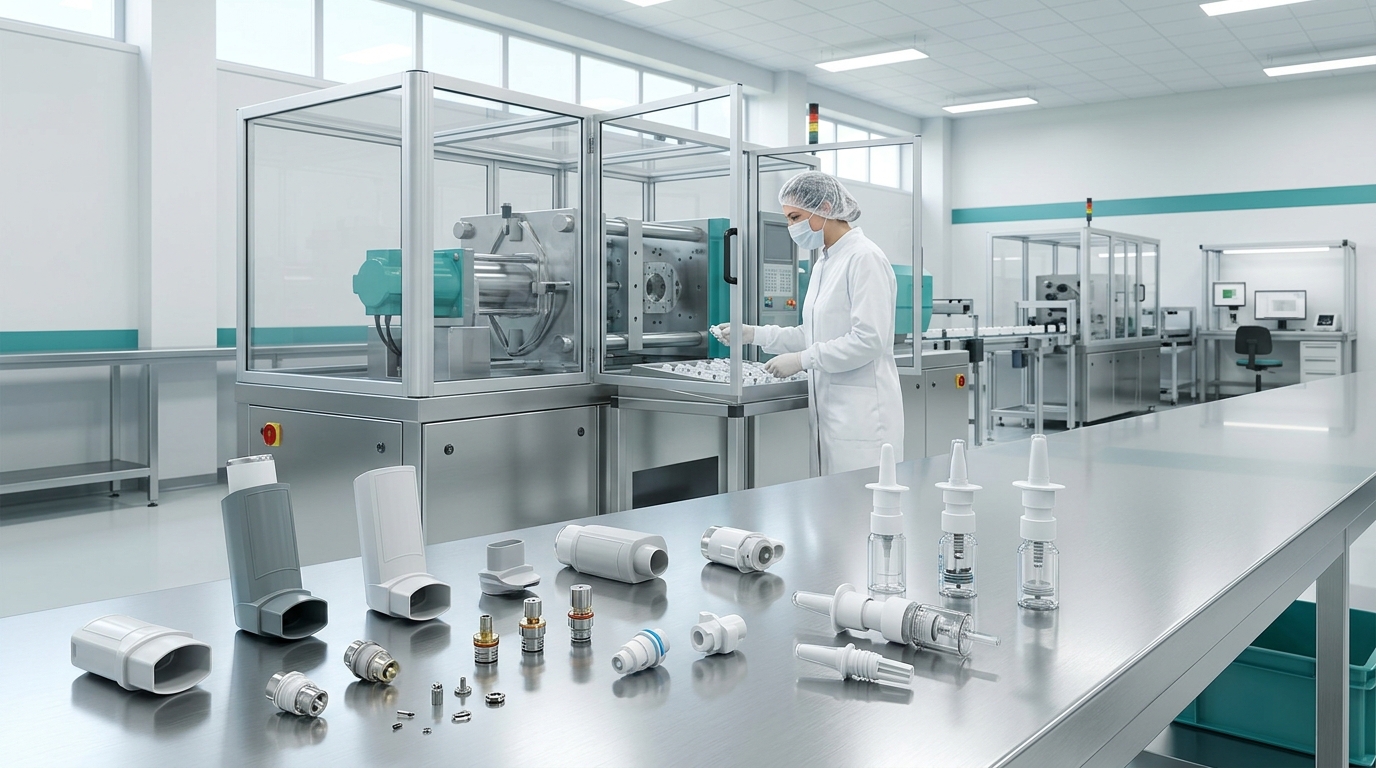
Manufacturers of cosmetics, detergents, pharmaceuticals, coatings and adhesives need specialised ingredients that meet specific performance and quality requirements.
Commercially relevant products include:
Glycerine, fatty alcohol ethoxylates and sodium laureth sulphate for personal care and detergent production.
Citric acid, sodium benzoate and potassium sorbate for food processing and preservation.
Titanium dioxide and fumed silica for coatings and industrial formulations.
Acrylic acid, maleic anhydride and pentaerythritol for selected polymer, resin and chemical manufacturing applications.
Suppliers that understand the technical requirements of these industries can differentiate themselves through product consistency, documentation and application support.
Supply Chain Challenges Affecting Chemical Buyers
Despite its established industrial base, South Africa faces supply chain challenges that influence chemical procurement and distribution. Infrastructure performance, international freight costs, exchange rate movements and import lead times can affect purchasing decisions.
The country's industrial development strategy for 2026 identifies infrastructure backlogs, logistics constraints, energy challenges and declining industrial capacity among the issues affecting manufacturing competitiveness.
DTIC+1
Chemical buyers should pay particular attention to the following risks.
1. Port and transportation constraints
Chemical imports depend on efficient port operations, storage facilities and inland transportation. Delays can increase inventory costs and disrupt production schedules, particularly for manufacturers that rely on imported raw materials.
2. Currency fluctuations
International chemical purchases often involve US dollar or euro transactions. Changes in the South African rand can influence landed costs and create pricing uncertainty for local distributors.
3. Dependence on imported raw materials
Some manufacturers cannot obtain every required chemical locally. Import dependency creates exposure to international supply disruptions, changes in export policies and fluctuations in global commodity prices.
4. Energy and infrastructure reliability
Chemical production and processing require stable energy, water and transportation services. Infrastructure limitations can affect operating costs and reduce the competitiveness of local manufacturing.
5. Product quality and regulatory requirements
Chemical buyers must ensure that imported products meet applicable safety, quality and classification requirements. Inconsistent specifications or incomplete documentation can delay customs clearance and create operational problems.
A diversified supplier network, appropriate safety stock and reliable logistics partners can help procurement teams manage these risks.
Regulatory Requirements and Responsible Chemical Trade
Chemical trading in South Africa requires attention to product classification, workplace safety, environmental protection and import procedures. Businesses must understand the regulatory requirements associated with their products before arranging international shipments.
The country's chemical industry also participates in regional efforts to improve regulatory cooperation and harmonise chemical classification and labelling practices.
The Globally Harmonized System (GHS) provides a framework for classifying chemical hazards and communicating safety information through labels and Safety Data Sheets (SDS). South African chemical businesses must pay attention to applicable local occupational health and safety requirements when handling, storing and distributing hazardous substances.
Procurement teams should establish clear documentation requirements with suppliers, including:
Safety Data Sheets containing current hazard and handling information.
Certificates of Analysis confirming product specifications.
Technical Data Sheets describing chemical properties and applications.
Country of origin and relevant shipping documentation.
Appropriate packaging, labelling and transport information.
Environmental responsibility is also becoming increasingly important. Chemical manufacturers face growing pressure to improve resource efficiency, reduce emissions and develop more sustainable production methods.
The Department of Trade, Industry and Competition highlighted diversification, decarbonisation and digitalisation as important priorities for the competitiveness of the SADC chemical industry in October 2026.
DTIC
These developments create opportunities for suppliers offering energy-efficient production inputs, environmentally improved formulations and technologies that support industrial waste reduction.
Market Outlook for 2027 and Emerging Investment Opportunities
South Africa's chemical industry has significant long-term potential, although its growth will depend on broader industrial performance and improvements in infrastructure.
The country's Industrial Development Strategy 2026 places renewed emphasis on strengthening manufacturing capacity, encouraging investment and improving the competitiveness of productive industries. This direction could support future demand for domestic chemical production and imported industrial inputs.
DTIC
Several developments deserve attention as businesses prepare for 2027 and beyond.
Local chemical manufacturing: Investment in domestic production and downstream processing could create opportunities for raw material suppliers and technology partners.
Mining sector modernisation: Demand for specialised reagents, water treatment chemicals and processing inputs will remain connected to mineral production and beneficiation.
Renewable energy and hydrogen: Energy transition projects could create new requirements for catalysts, industrial gases, water treatment products and specialised materials.
Advanced materials: Nanotechnology, high-performance polymers and specialty chemical formulations offer opportunities beyond traditional commodity trading.
Regional manufacturing expansion: AfCFTA implementation could encourage businesses to develop production and distribution networks serving multiple African markets.
However, industrial performance remains an important consideration. Statistics South Africa reported that national GDP contracted by 0.2% in the second quarter of 2026, while manufacturing declined by 1.8% and mining contracted by 3.0%. These figures highlight the importance of monitoring actual industrial activity when forecasting chemical consumption.
Statistics South Africa+1
For international suppliers, the strongest opportunities may come from serving specific industrial requirements rather than relying exclusively on broad market growth.
What Chemical Traders and Procurement Teams Should Do Next
Entering the South African chemical market requires a clear understanding of industrial demand, local distribution networks and regional trade conditions. International suppliers should develop sourcing and sales strategies that reflect the requirements of individual industries rather than treating the country as a single commodity market.
Procurement managers can strengthen their purchasing strategies through several practical measures:
Identify high-demand industries: Prioritise mining, agriculture, plastics, detergents and industrial manufacturing based on their chemical consumption requirements.
Develop regional partnerships: Work with established distributors and industrial buyers to access customers across South Africa and neighbouring SADC economies.
Diversify international suppliers: Maintain relationships with multiple qualified manufacturers to reduce dependence on individual supply routes.
Evaluate landed costs: Compare product prices alongside freight, insurance, customs duties, handling charges and currency exposure.
Prioritise compliance: Verify product specifications, safety documentation, packaging requirements and applicable import regulations before confirming orders.
South Africa offers an important commercial opportunity for chemical manufacturers, exporters and distributors seeking access to a diversified industrial economy and the wider African market. Businesses that combine competitive pricing with dependable supply, technical support and strong regional relationships can establish a sustainable position in this evolving sector.
For international chemical traders, the opportunity extends beyond supplying South African manufacturers. It also involves participating in the development of regional supply chains, supporting industrial value addition and connecting African buyers with reliable global producers. Ready to source chemicals from verified global suppliers? Explore competitive offers on our platform today.
Sources:
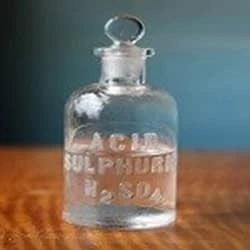
Sulphuric Acid (60%)
Found this useful?