Surfactants in Industrial Cleaning: Types, Applications and Buyer Considerations
Industrial cleaning operations depend on more than water, heat and mechanical action. Surfactants help remove stubborn oils, grease, dust and process residues from industrial equipment, production lines and working surfaces, making them essential ingredients in many cleaning formulations.
The demand for effective cleaning chemicals spans manufacturing, food processing, automotive production, institutional facilities and heavy industries. For procurement managers and chemical distributors, understanding surfactants in industrial cleaning is important when comparing formulations, evaluating suppliers and controlling operating costs.
Different surfactant chemistries offer different cleaning properties. Selecting the right material requires an understanding of soil types, water conditions, operating temperatures, equipment compatibility and environmental requirements.
What Are Surfactants and How Do They Work in Industrial Cleaning?
Surfactants, short for surface-active agents, are chemical compounds that reduce the surface tension between liquids or between liquids and solids. Their molecular structure contains two distinct parts: a hydrophilic section that interacts with water and a hydrophobic section that interacts with oils and other non-polar substances.
This dual structure allows surfactants to loosen and remove contaminants that ordinary water cannot easily lift. They help cleaning solutions spread across surfaces, penetrate deposits and suspend detached particles so that rinsing can remove them.
Surfactants perform several important functions in industrial cleaning:
Wetting: They improve the ability of cleaning solutions to spread across metal, plastic, ceramic and other surfaces.
Emulsification: They help disperse oils and grease into smaller droplets within water-based cleaning solutions.
Detergency: They loosen dirt and contaminants from surfaces, allowing cleaning agents to carry them away.
Dispersion: They help prevent removed particles from gathering again or settling onto cleaned surfaces.
Foam control: Depending on their chemistry, they can produce or suppress foam to suit specific cleaning equipment and processes.
These functions make surfactants valuable in both manual cleaning products and automated industrial washing systems.
Major Types of Surfactants Used in Industrial Cleaning
Industrial cleaning formulations use several surfactant categories. Each group offers different chemical properties, making formulation selection dependent on the cleaning task and operating environment.
1. Anionic surfactants
Anionic surfactants carry a negative electrical charge in their water-soluble portion. They provide strong detergency, effective wetting and good foam generation, which makes them common ingredients in heavy-duty cleaning products.
Manufacturers use them in floor cleaners, vehicle wash products, industrial detergents and general-purpose cleaning formulations. Sodium lauryl ether sulfate (SLES) and linear alkylbenzene sulfonic acid (LABSA) are important materials in this category, although their final formulation properties depend on neutralisation and other ingredients.
2. Nonionic surfactants
Nonionic surfactants do not carry an electrical charge in their hydrophilic portion. They offer strong grease removal, effective emulsification and compatibility with many other surfactant types.
Industrial buyers often encounter nonionic surfactants in degreasers, equipment cleaners, metal cleaning products and low-foam formulations. Fatty alcohol ethoxylates are widely used examples, particularly where oil removal and controlled foaming matter.
3. Cationic surfactants
Cationic surfactants carry a positive electrical charge. Their surface-conditioning and antimicrobial properties make them useful in selected institutional and specialised cleaning formulations.
They can also interact with negatively charged surfaces and other formulation ingredients. Buyers should therefore evaluate compatibility carefully before selecting cationic materials for mixed-surfactant systems.
4. Amphoteric surfactants
Amphoteric surfactants can carry positive or negative charges depending on the pH of the surrounding solution. They offer formulation flexibility and can improve compatibility, mildness and foam characteristics.
These materials appear in specialised cleaning products and formulations that require a balance of detergency and surface compatibility. Cocamidopropyl betaine is a familiar example used in several cleaning and personal care applications.
Industrial Applications Across Manufacturing and Processing
Surfactants support cleaning operations across a wide range of industrial environments. Their role extends from removing visible dirt to managing difficult contamination that can affect equipment performance and product quality.
Major applications include:
Metalworking and automotive manufacturing: Surfactants help remove cutting oils, lubricants, grease and particulate residues from machinery, components and fabricated metal surfaces.
Food and beverage processing: Cleaning formulations use surfactants to remove fats, proteins and other organic residues from processing equipment, storage vessels and production surfaces.
Oil and gas operations: Specialised cleaning chemicals use surfactants to help disperse hydrocarbon residues and remove oily contamination from selected equipment and surfaces.
Textile manufacturing: Surfactants support wet processing, washing and the removal of oils, waxes and processing impurities from textile materials.
Institutional and commercial facilities: Industrial detergents use surfactants to clean floors, walls, washrooms and heavily used surfaces.
Chemical and pharmaceutical manufacturing: Cleaning formulations help remove process residues from production equipment and selected handling systems, subject to material compatibility and validated cleaning requirements.
The required surfactant profile changes with each application. A food processing facility may prioritise effective organic residue removal and rinse performance, while an automotive plant may need strong grease emulsification and compatibility with metal components.
How Surfactant Chemistry Influences Cleaning Performance
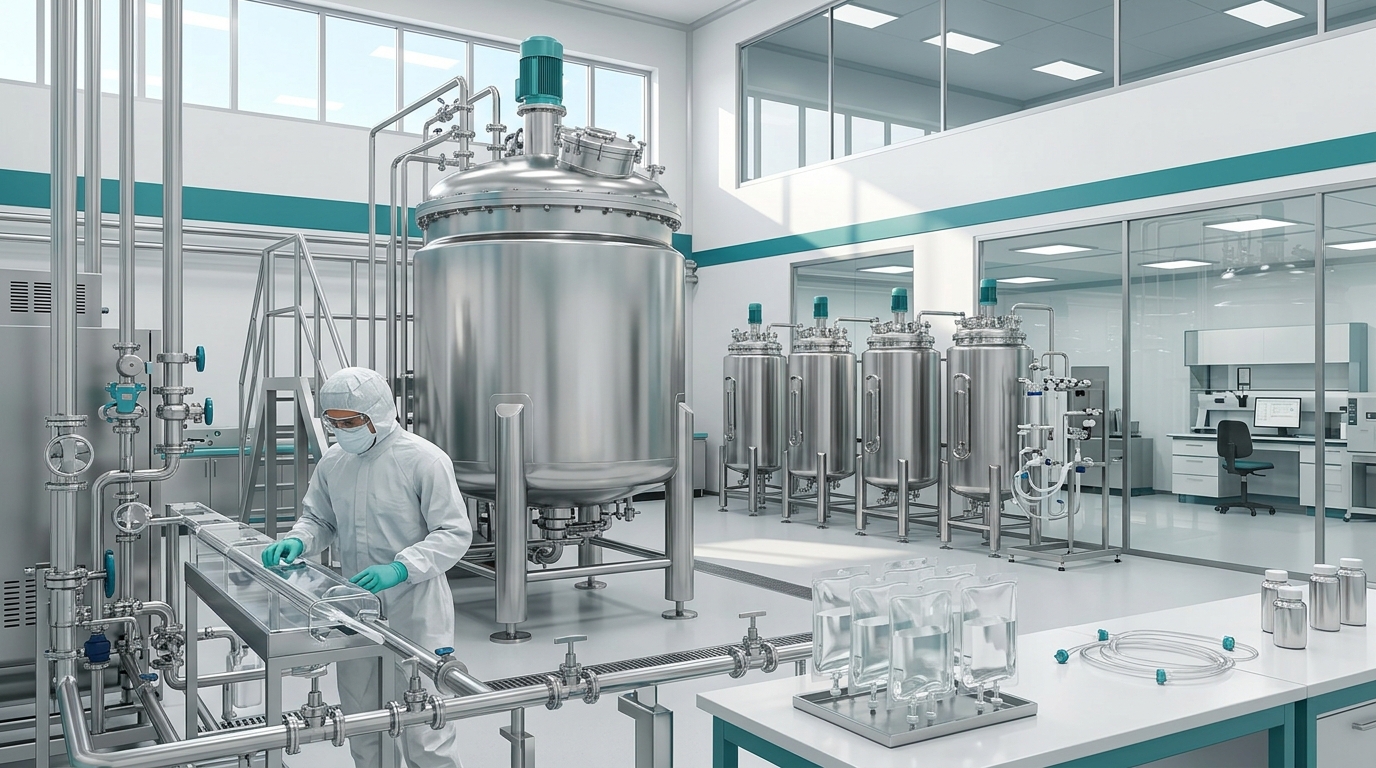
A surfactant's chemical structure directly influences how it performs under different cleaning conditions. Buyers should evaluate more than the product name or concentration because two materials from the same broad category can deliver different results.
Several technical characteristics deserve attention:
Hydrophilic-lipophilic balance (HLB): This property indicates the relative affinity of a surfactant for water and oil. Surfactants with different HLB values suit different emulsification and cleaning requirements.
Foaming behaviour: High-foam products may support manual cleaning and certain surface-washing operations. Automated cleaning equipment often requires low-foam chemistry to prevent excessive foam from interfering with pumps, spray systems and mechanical operation.
Water hardness tolerance: Calcium and magnesium ions in hard water can affect surfactant performance, particularly in some anionic systems. Formulators may combine surfactants with builders or other additives to maintain cleaning efficiency.
Temperature and pH stability: Some formulations perform better under alkaline or acidic conditions, while others suit moderate operating temperatures. Buyers should match the surfactant to the actual process rather than relying on general performance claims.
Key Considerations When Purchasing Industrial Surfactants
Procurement teams need to balance technical suitability, supply reliability and total operating costs. A low purchase price does not necessarily represent good value if the material requires higher dosage rates or produces inconsistent cleaning results.
Before placing an order, buyers should assess the following factors:
Application requirements: Identify the main contaminants, substrate materials and cleaning method. Grease-heavy applications may require a different surfactant combination from general dust and particulate removal.
Active matter concentration: Compare active content rather than relying exclusively on the price per kilogram. Higher concentrations may reduce transportation and storage costs per unit of active ingredient.
Product specifications: Review appearance, pH, viscosity, active matter, solubility and other relevant technical parameters.
Foam characteristics: Confirm whether the material supports high-foam or low-foam cleaning requirements. This is particularly important for automated washing systems.
Compatibility: Check interactions with builders, solvents, corrosion inhibitors, disinfectants and other formulation ingredients.
Packaging and storage: Consider drum, IBC or bulk delivery options according to consumption volume and available storage infrastructure.
Supplier consistency: Request technical documentation and assess whether the supplier can maintain consistent specifications across repeat shipments.
Buyers should also request a Certificate of Analysis (CoA) and Safety Data Sheet (SDS) for each relevant product. These documents help procurement and quality teams review material specifications, handling requirements and incoming shipment quality.
Supply Chain and Sourcing Challenges for Industrial Buyers
Surfactant procurement depends on a supply chain that connects raw material producers, chemical manufacturers, distributors and international trading companies. Changes in feedstock availability, production capacity and transportation costs can influence both prices and delivery schedules.
Many surfactants rely on petrochemical or oleochemical feedstocks. Ethylene, fatty alcohols, natural oils and other chemical intermediates contribute to the manufacturing cost of different surfactant families.
Several supply chain issues can affect procurement decisions:
Feedstock price movements: Changes in crude oil, natural gas and vegetable oil markets can influence the cost of surfactant intermediates. Buyers should monitor relevant feedstock trends when negotiating long-term supply arrangements.
Production and capacity constraints: Maintenance shutdowns, plant disruptions and changing industrial demand can affect product availability. Depending on the surfactant category, limited production capacity may create longer lead times.
Freight and logistics: International shipping costs, port congestion and container availability can influence landed prices. Importers should compare the full delivered cost rather than focusing only on the supplier's quoted product price.
Specification differences: Suppliers may offer products with similar commercial descriptions but different active matter levels, ethoxylation profiles or performance characteristics. Buyers should confirm technical equivalence before switching sources.
Building relationships with multiple qualified suppliers can help businesses manage supply interruptions. However, alternative sources should undergo appropriate technical approval before entering regular procurement cycles.
Environmental and Regulatory Factors Affecting Surfactant Selection
Environmental performance has become an important consideration in industrial cleaning procurement. Manufacturers increasingly evaluate biodegradability, aquatic toxicity, chemical handling requirements and wastewater treatment compatibility when selecting cleaning ingredients.
Surfactant biodegradability varies according to chemical structure and formulation. Buyers should request relevant test information and environmental documentation rather than assuming that all surfactants share the same environmental profile.
Regulatory requirements also differ across markets and applications. Chemical importers, exporters and industrial users may need to consider:
Chemical registration and inventory requirements: Confirm that the material meets the chemical notification or registration requirements of the destination market.
Safety documentation: Maintain current SDS documentation and appropriate hazard classifications for transportation, storage and workplace handling.
Wastewater compatibility: Evaluate whether cleaning residues can affect biological treatment systems or discharge quality.
Application-specific standards: Food processing, pharmaceutical and other regulated environments may impose additional requirements on cleaning chemicals and their ingredients.
Supplier transparency: Obtain information about composition, restricted substances and environmental characteristics where relevant.
Responsible selection helps industrial facilities maintain operational efficiency while supporting workplace safety and environmental management.
What Procurement Teams Should Prioritise in 2027
Industrial cleaning requirements will continue to push manufacturers towards formulations that combine strong cleaning performance with better process efficiency. Procurement teams can prepare by focusing on technical validation, supplier diversification and more informed cost comparisons.
Three purchasing priorities deserve particular attention:
1. Evaluate cost-in-use rather than purchase price. Calculate the amount of active surfactant required per cleaning cycle and consider water consumption, processing time and rinsing requirements. This approach provides a more practical comparison between competing products.
2. Strengthen supplier qualification. Maintain approved supplier records, review technical documents and request samples when introducing new materials. Consistent quality becomes especially important for manufacturers operating continuous production lines.
3. Align purchasing with sustainability requirements. Consider biodegradability data, wastewater compatibility and chemical handling requirements when reviewing alternative surfactant formulations. Environmental performance should complement, not replace, technical suitability.
Chemical distributors and importers can also benefit from maintaining a portfolio of anionic, nonionic and specialised surfactant products. This allows them to serve customers with different cleaning requirements while responding more effectively to changes in industrial demand.
Making Better Surfactant Purchasing Decisions
Choosing an industrial surfactant requires a clear understanding of the cleaning process, the type of contamination and the operating conditions. Buyers who evaluate chemistry, active matter, compatibility and supplier reliability can reduce formulation problems and improve purchasing decisions.
For chemical traders and procurement managers, product consistency and dependable supply remain just as important as competitive pricing. Comparing technical specifications and landed costs across qualified suppliers creates a stronger foundation for long-term sourcing.
Ready to source industrial cleaning surfactants from verified global suppliers? Explore competitive offers on our platform today.
Sources:
- U.S. Environmental Protection Agency (EPA), Safer Choice Program
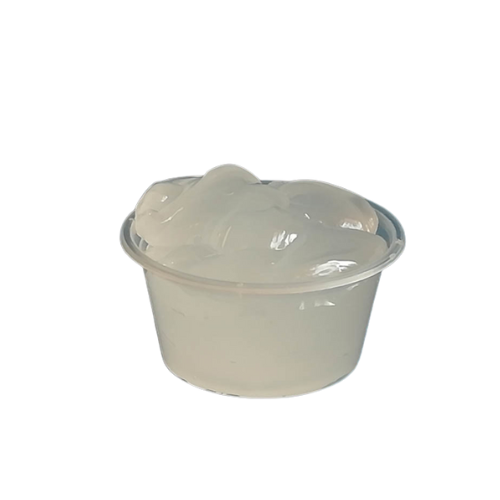
Sodium Lauryl Ether Sulfate (1EO 70%)
Found this useful?